Heart Specialist vs Cardiologist: Who Treats Which Heart Problem?

A cardiologist diagnoses and treats many heart conditions without surgery. The term heart specialist can also include electrophysiologists, interventional cardiologists, heart failure experts, and cardiac surgeons.
Key Takeaways
- A cardiologist diagnoses and treats many heart conditions without surgery.
- The term heart specialist can also include electrophysiologists, interventional cardiologists, heart failure experts, and cardiac surgeons.
- Symptoms such as chest pain, palpitations, shortness of breath, or fainting may require different heart specialists.
- Primary care doctors often help guide referral to the right cardiac expert.
- Emergency symptoms such as severe chest pain or sudden collapse need urgent medical care, not a routine appointment.
A cardiologist is one kind of heart specialist, but not every heart specialist is a cardiologist. The right doctor depends on the specific heart or blood vessel problem, the tests needed, and whether treatment is medical, interventional, or surgical.
Overview: Is a Heart Specialist the Same as a Cardiologist?
Many people use the terms heart specialist and cardiologist as if they mean the same thing. In everyday conversation, that is understandable. However, in medicine, a cardiologist is one specific type of heart specialist, and several other doctors also focus on heart and blood vessel conditions.
A cardiologist is a physician who specializes in diagnosing, treating, and helping prevent diseases of the heart and circulation. Cardiologists often manage conditions such as chest pain, high blood pressure, irregular heart rhythms, heart failure, and problems related to blocked coronary arteries. They usually treat patients with medicines, lifestyle guidance, monitoring, and specialized procedures that do not involve open-heart surgery.
The broader term heart specialist may refer to a cardiologist, but it can also include sub-specialists. These may include interventional cardiologists who open blocked arteries, electrophysiologists who treat rhythm disorders, imaging cardiologists who interpret advanced heart scans, heart failure specialists, and cardiac surgeons who perform operations on the heart or major vessels.
Understanding these differences can make it easier to seek care and ask the right questions. It can also reduce confusion when a patient is told they need “a heart specialist” but is then referred to a doctor with a more specific title.
What Does a Cardiologist Treat?
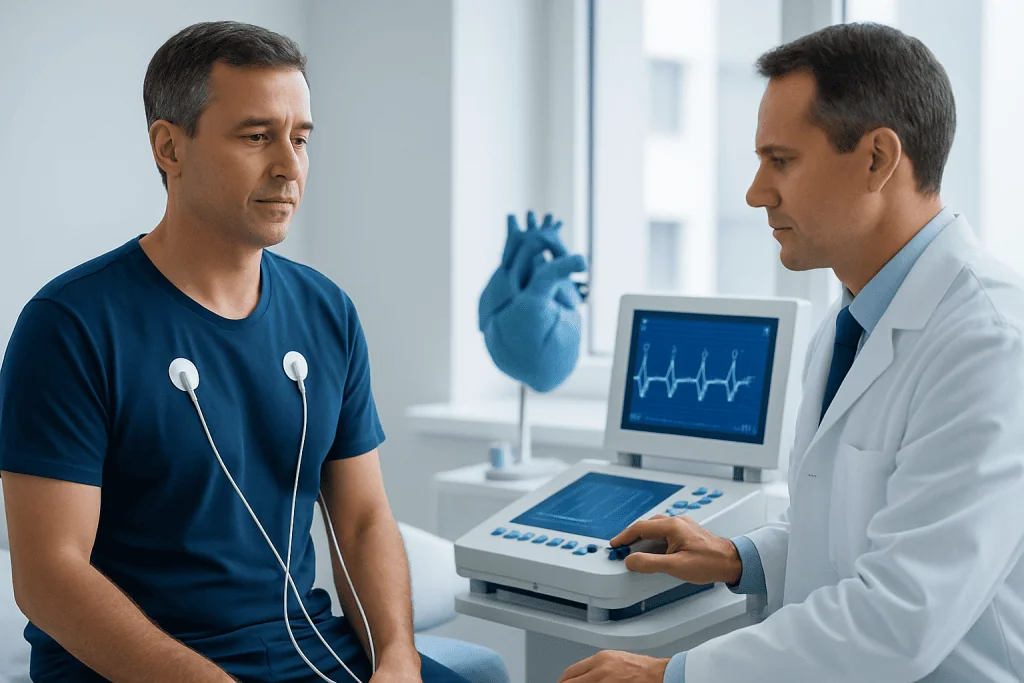
A general cardiologist evaluates symptoms, confirms diagnoses, and creates a treatment plan for a wide range of heart conditions. Common reasons to see a cardiologist include chest discomfort, shortness of breath, dizziness, fainting, leg swelling, high blood pressure, a heart murmur, or a strong family history of heart disease.
Cardiologists frequently care for people with coronary artery disease, heart failure, valve disease, and rhythm-related symptoms such as heart palpitations. They may order tests such as an electrocardiogram, echocardiogram, stress test, Holter monitor, CT scan, or blood tests to understand how well the heart is working.
Many cardiologists also focus strongly on prevention. They help patients control major cardiovascular risk factors such as smoking, diabetes, high cholesterol, obesity, and high blood pressure. In many cases, careful long-term follow-up with a cardiologist can reduce complications and improve quality of life.
Although cardiologists are highly specialized, they do not all do the same work. Some mainly manage outpatient care and medications, while others perform catheter-based procedures or advanced imaging. This is why a patient may begin with a general cardiologist and later be referred to a more specialized heart doctor.
Types of Heart Specialists and Who They Help

The term heart specialist includes several professionals with different areas of expertise. A general cardiologist is often the first specialist involved. This doctor evaluates symptoms, interprets tests, and manages many common conditions over time.
An interventional cardiologist focuses on catheter-based procedures used to diagnose or treat narrowed or blocked blood vessels. For example, if testing suggests a blocked coronary artery, this specialist may perform angiography and, when appropriate, stent procedures. An electrophysiologist is a cardiologist with extra training in the heart’s electrical system and may treat rhythm disorders with medicines, implanted devices, or ablation procedures.
Some patients need a heart failure specialist, especially when symptoms are persistent or complex. Others may be referred to a cardiac imaging specialist for expert interpretation of echocardiography, cardiac MRI, or CT scans. A preventive cardiologist may help patients with inherited risk, very high cholesterol, or multiple metabolic risk factors, including cardiometabolic disorders.
A cardiac surgeon is different from a cardiologist. This doctor performs operations such as valve repair or replacement, congenital heart surgery, and coronary artery bypass surgery. A vascular specialist may also become involved if the problem affects arteries or veins outside the heart, such as the aorta or peripheral circulation.
Which Heart Problems Need Which Specialist?
The right doctor depends on the likely cause of the symptoms. Chest pain on exertion may first be assessed by a general cardiologist, especially if there is concern for angina or blocked coronary arteries. If scans or catheterization show severe coronary narrowing, the patient may then be referred to an interventional cardiologist or cardiac surgeon depending on the pattern of disease and the best treatment approach.
Irregular or fast heartbeats may call for an electrophysiologist, particularly if symptoms are recurrent, difficult to control, or linked to fainting. Conditions such as atrial flutter, supraventricular tachycardia, or more complex rhythm disorders often benefit from rhythm-focused evaluation. Valve-related problems, including murmurs or leaking valves, are often managed by a cardiologist at first and later discussed with structural heart experts or surgeons if intervention is needed.
Shortness of breath, fatigue, and ankle swelling may suggest heart failure, cardiomyopathy, valve disease, lung disease, or other causes. In these situations, a cardiologist helps determine whether the heart is responsible and whether referral to a heart failure specialist is appropriate. Congenital heart conditions may require doctors with dedicated training in adult congenital heart disease or pediatric cardiology.
Some symptoms can overlap between heart and non-heart causes. For example, dizziness or chest discomfort may be related to anxiety, lung conditions, reflux, anemia, or musculoskeletal problems. That is why proper assessment matters more than trying to self-select a specialist based on one symptom alone.
How Doctors Decide Which Specialist You Need
The process often starts with a primary care doctor, emergency physician, or general cardiologist. They review symptoms, medical history, family history, medications, and risk factors. A physical examination and early tests help identify whether the concern is urgent and which kind of heart expertise is most relevant.
For example, a patient with uncontrolled blood pressure may continue under a cardiologist who focuses on risk reduction and medical treatment, sometimes with input related to hypertension management. A patient with a suspected rhythm disorder may be sent for prolonged rhythm monitoring, then referred to an electrophysiologist if the results show a significant electrical problem. A patient with severe valve disease may move from diagnostic evaluation to discussion with a heart team that includes surgeons and imaging experts.
In modern cardiac care, many decisions are made collaboratively. Rather than one doctor working alone, a multidisciplinary team may review scans, blood test results, symptoms, and the patient’s overall health. This approach is especially common when there is more than one possible treatment path, such as medication versus catheter-based therapy versus surgery.
Patients can help this process by bringing a list of symptoms, known diagnoses, medications, allergies, and prior test results. Clear communication often shortens the path to the most appropriate specialist and avoids duplicate testing.
Tests and Treatments You May Encounter
Heart specialists use many of the same diagnostic tools, but the meaning of the results may guide referral to different experts. Common tests include electrocardiograms, echocardiograms, ambulatory rhythm monitors, stress tests, cardiac CT, cardiac MRI, and coronary angiography. Blood tests may look for heart damage, kidney function, thyroid disease, cholesterol, or inflammation.
Treatment depends on the diagnosis. Many people improve with lifestyle changes, careful follow-up, and medicines that control blood pressure, cholesterol, fluid balance, heart rhythm, or symptoms. When rhythm problems do not respond well to medication, procedures such as catheter ablation may be recommended by an electrophysiologist. When blocked arteries are significant, treatment may include medications, angioplasty with a stent, or surgery.
Surgery is usually considered when the anatomy of the disease, the severity of symptoms, or the expected long-term benefit makes an operation the best choice. That may include bypass surgery, valve repair or replacement, or operations for congenital or aortic problems. Recovery may then include supervised cardiac rehabilitation to help patients rebuild strength safely and reduce future risk.
At the end of the pathway, patients often continue to see more than one specialist. For example, a surgeon may perform the operation, while the cardiologist manages long-term medicines, blood pressure, cholesterol, and prevention afterward.
How to Choose the Right Heart Doctor
Choosing the right heart doctor begins with the diagnosis or the main symptom, not just the job title. For general evaluation, a general cardiologist is usually the right first step. This is especially true when the concern is broad, such as chest discomfort, high blood pressure, shortness of breath, a family history of early heart disease, or an abnormal routine test.
If a condition is already known, it can help to ask whether a sub-specialist would add value. Someone with frequent arrhythmias may benefit from an electrophysiologist, while a person with advanced heart failure may need a physician who focuses on complex heart muscle disease. Patients can ask practical questions such as: What is your sub-specialty? Do I need a procedure? Will I also need a surgeon? How will my care be coordinated?
It is also reasonable to consider hospital resources. Some heart conditions are best managed in centers that have advanced imaging, catheter laboratories, intensive care support, and cardiac surgery in the same system. Near the end of the care journey, international patients may also value coordinated services across specialties. Acibadem International’s multidisciplinary specialists and JCI-accredited hospitals diagnose and treat heart conditions for patients coming from abroad.
Second opinions can be helpful, especially if the diagnosis is unclear or several treatments are possible. Seeking another expert view is a normal part of cardiac care and can help patients feel informed and confident in their decision-making.
When to Seek Urgent Medical Care
Not every heart concern can wait for a routine appointment. Urgent medical evaluation is important for severe or persistent chest pain, sudden shortness of breath, fainting, new confusion, weakness on one side of the body, or a racing heartbeat with dizziness or collapse. These symptoms can have several causes, but some may be life-threatening and need emergency assessment right away.
People should also seek prompt care for sudden swelling, worsening breathlessness when lying flat, or symptoms that appear after a recent infection, surgery, or major illness. Delaying care can make diagnosis harder and may increase the risk of complications. It is safer to be assessed early when symptoms are severe, new, or rapidly worsening.
For non-emergency but concerning symptoms, a primary care doctor or cardiologist can advise which specialist is most appropriate. Keeping scheduled follow-up visits is important, especially for patients with known heart disease, implanted devices, valve disease, or a history of heart attack or stroke.
In short, the best heart doctor is the one whose training matches the problem. A cardiologist is often the starting point, but heart care may involve several specialists working together to provide the safest and most effective treatment plan.
Frequently asked questions
Is a cardiologist a heart specialist?
Yes. A cardiologist is a type of heart specialist. However, the term heart specialist can also include doctors with narrower expertise, such as electrophysiologists, interventional cardiologists, and cardiac surgeons.
Should a person see a cardiologist first or a different heart doctor?
In many cases, a general cardiologist is the best first specialist to see for heart-related symptoms or abnormal test results. After evaluation, that cardiologist may refer the patient to a more specific expert if needed.
What symptoms usually lead to a cardiology referral?
Common reasons include chest pain, shortness of breath, palpitations, fainting, leg swelling, high blood pressure, or an abnormal ECG. A strong family history of heart disease or unexplained fatigue may also lead to referral.
What is the difference between a cardiologist and a cardiac surgeon?
A cardiologist usually diagnoses and treats heart disease with medicines, monitoring, and non-surgical procedures. A cardiac surgeon performs operations such as bypass surgery, valve surgery, or repair of structural heart problems.
Can one patient need more than one heart specialist?
Yes. Many patients see more than one specialist, especially if the condition is complex. For example, a person may be diagnosed by a general cardiologist, treated with a procedure by an interventional cardiologist, and then followed long term by the original cardiologist.
When is a heart problem an emergency?
Emergency care is needed for severe chest pain, sudden trouble breathing, fainting, signs of stroke, or a rapid heartbeat with collapse or severe dizziness. These symptoms should not wait for a routine clinic visit.
References
- American Heart Association
- European Society of Cardiology
- National Heart, Lung, and Blood Institute
- Centers for Disease Control and Prevention
- World Health Organization
This article is for general information only and is not a substitute for professional medical advice. Please consult a qualified doctor about your individual situation.
Explore treatments in Turkey — costs, top hospitals & a free quote
JCI-accredited · board-certified surgeons · reply within 24h
Add us as a Preferred Source to see more of our trusted health content across Google Search, AI Overviews and Discover.
Check your numbers in seconds
BMI, calories, due date, blood pressure and 30+ more clinical calculators — free, instant, doctor-reviewed ranges.

Cardiology Department
Diagnosis and treatment of heart and vascular conditions, from prevention to advanced interventional procedures.
93 specialists in this unit