Adult Congenital Heart Defect Repair: When to Seek a Second Opinion

A second opinion is especially helpful for complex anatomy, changing symptoms, or when more than one treatment approach is possible. Many adults with repaired childhood heart defects need lifelong follow-up because the heart can change over time.
Key Takeaways
- A second opinion is especially helpful for complex anatomy, changing symptoms, or when more than one treatment approach is possible.
- Many adults with repaired childhood heart defects need lifelong follow-up because the heart can change over time.
- Specialists in adult congenital heart disease can review imaging, prior surgeries, heart rhythm issues, and long-term risks together.
- Seeking another expert opinion is a normal part of informed decision-making and does not mean delaying urgent care.
- Questions about benefits, risks, recovery, pregnancy, exercise, and future procedures are important before repair.
Adults living with a congenital heart defect often benefit from expert review before a major repair or reoperation. A second opinion can clarify the diagnosis, confirm the best timing, and help a person understand all surgical and catheter-based treatment options.
Overview: why second opinions matter in adult congenital heart defect repair
Adult congenital heart disease refers to heart structure problems that were present at birth but continue into adult life. Some adults were treated in childhood and now need another procedure years later. Others were never diagnosed until adulthood, often after symptoms or a heart murmur leads to testing.
Repair decisions can be more complex in adults than in children. Previous surgeries, scar tissue, valve problems, changes in heart function, pulmonary pressure, and rhythm disorders may all affect the best treatment plan. A second opinion can help confirm whether repair is needed now, whether monitoring is still safe, and which approach is likely to offer the most benefit.
For many people, a second opinion also brings peace of mind. It allows time to understand the diagnosis, compare open-heart surgery with catheter-based procedures when both are possible, and hear from a team experienced in adult congenital anatomy. This is particularly valuable for conditions such as ventricular septal defect, tetralogy of Fallot, or pulmonary valve stenosis, where repair strategies can vary from person to person.
When an adult should consider a second opinion
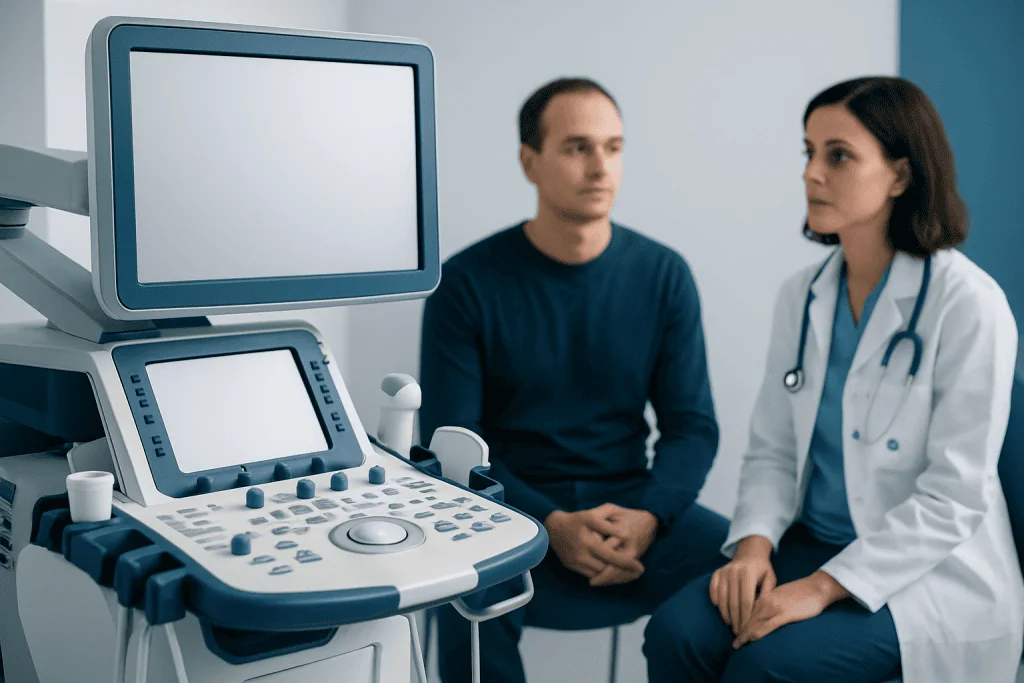
A second opinion is often wise before any major heart operation, but it becomes especially important when the condition is rare or the anatomy is complex. Adults may have residual defects from earlier repairs, leaking or narrowed valves, enlargement of the heart chambers, or blood vessel changes that require careful planning by a specialized team.
It may also be time to seek another expert view if symptoms are new or worsening. Shortness of breath, reduced exercise tolerance, fainting, chest discomfort, swelling, or unusual fatigue may suggest that the heart is under strain. New rhythm problems, such as palpitations or documented arrhythmias, can also change treatment decisions.
Other common reasons include being told that surgery is high risk, receiving different recommendations from different doctors, or not feeling clear about why a procedure is needed. A person should also consider a second opinion if pregnancy is being planned, because congenital heart defects can affect maternal and fetal risk and may require treatment before conception.
- The diagnosis is uncertain or has changed after new imaging.
- A reoperation is being discussed after childhood repair.
- There are several possible options, including monitoring, catheter repair, or surgery.
- There is concern about complications such as heart failure or progressive valve disease.
- The person wants care at a dedicated adult congenital heart disease center.
Symptoms and warning signs that should not be ignored

Some adults with congenital heart disease feel well for many years, even when changes are developing slowly. Because of this, subtle symptoms matter. Becoming more breathless during daily activities, needing more time to recover after exercise, or noticing a drop in stamina can be important clues that repair should be reassessed.
Palpitations, dizziness, fainting, bluish lips, ankle swelling, or trouble lying flat because of breathlessness also deserve prompt medical attention. These symptoms do not always mean an emergency, but they can signal strain on the heart muscle, worsening valve function, or abnormal electrical activity. In some people, symptoms are caused by coexisting conditions such as atrial flutter or other rhythm disturbances.
Not all warning signs are physical. Recurrent questions about whether current care still fits the diagnosis, confusion about test results, or concern that a doctor sees very few adults with congenital defects are also valid reasons to ask for specialist review. Patients should feel informed, heard, and confident in the treatment plan.
How doctors evaluate adult congenital heart defects
A second opinion usually begins with a careful review of the person’s full heart history. This includes childhood operations, catheter procedures, hospital records, medications, pregnancies, exercise capacity, and symptoms over time. Even small details can matter because congenital anatomy may be unique and prior repairs can alter what imaging shows today.
Tests often include an electrocardiogram, echocardiogram, blood pressure assessment, and blood tests. Many adults also need advanced imaging such as cardiac MRI, CT, or exercise testing to assess heart chamber size, blood flow, oxygen levels, and valve function. In selected cases, cardiac catheterization is used to measure pressures directly and clarify whether repair would help.
The goal is not just to name the defect but to understand how it affects the whole circulation now. Doctors look for associated issues such as valve leakage, aortic enlargement, rhythm disorders, <a href="https://acibademinternational.com/treatments/pulmonary-hypertension/”><a href="https://acibademinternational.com/diseases/pulmonary-hypertension/”>pulmonary hypertension, or right- and left-sided heart function. They also assess whether symptoms come from the defect itself or from another heart condition, such as aortic regurgitation or acquired cardiovascular disease.
When the case is complex, the best opinions often come from multidisciplinary discussion. Cardiologists, imaging specialists, congenital heart surgeons, anesthesiologists, and electrophysiology experts may review the same information together before making a recommendation.
Treatment options: surgery, catheter procedures, and follow-up care
Treatment depends on the exact defect, the person’s age, symptoms, prior repairs, and how the heart is functioning. Some adults need continued observation rather than immediate intervention. Others benefit from a planned repair before permanent heart damage develops. The key question is not only whether a defect exists, but whether treating it now is likely to improve symptoms, heart function, safety, or long-term outlook.
For suitable defects, catheter-based procedures may close abnormal openings or relieve narrowed areas without open surgery. In other situations, formal surgical repair or reoperation is the best option, especially when the anatomy is complex, valves must be repaired or replaced, or scar tissue from earlier procedures needs expert management. A second opinion can help compare these choices clearly and explain whether congenital correction or broader cardiothoracic surgery expertise is needed.
Many adults also need treatment for associated problems rather than the defect alone. Examples include rhythm control with medication or ablation procedures, support for exercise recovery through cardiac rehabilitation, or treatment of pulmonary pressure and valve disease. The care plan may include lifelong surveillance even after a successful procedure, because congenital heart conditions can evolve over time.
If a doctor recommends waiting, that does not necessarily mean nothing is wrong. It may mean the risks of intervention currently outweigh the expected benefit. In that case, a good second opinion should explain what changes would trigger treatment later and how often follow-up testing is needed.
What to ask during a second opinion appointment
Preparing questions in advance can make a second opinion more useful. Patients should bring copies of prior operative reports, imaging discs, test reports, medication lists, and a timeline of symptoms. If possible, it helps to attend with a family member or trusted friend who can take notes and help review the information afterward.
Important questions include whether the diagnosis is definite, what the main goal of treatment is, and what would happen if no procedure is done now. People should also ask about the doctor’s experience treating adults with the same defect, whether care is discussed by a multidisciplinary team, and whether less invasive options are realistic.
- Do I need treatment now, or is careful monitoring reasonable?
- What are the benefits and risks of surgery compared with catheter treatment?
- How might this affect exercise, work, travel, or pregnancy?
- Will I need future procedures even after this repair?
- What signs should prompt urgent medical care while I am deciding?
It is also reasonable to ask how associated conditions will be managed. Blood pressure, cholesterol, acquired coronary disease, and age-related heart problems can influence planning in adults with congenital defects. Good care looks at the whole person, not only the original defect.
Self-care, long-term monitoring, and choosing the right center
Adults with congenital heart disease usually benefit from lifelong follow-up, even when they feel well. Regular specialist visits help detect heart chamber enlargement, valve changes, rhythm problems, or rising lung pressure before symptoms become severe. Following the recommended testing schedule is one of the most important forms of self-care.
Healthy daily habits also support overall heart health. These include taking medicines as prescribed, staying active within the doctor’s guidance, avoiding smoking, maintaining a balanced diet, and discussing alcohol use and supplements with a clinician. Dental health is also important, because some congenital heart patients may need individualized advice about infection prevention before certain procedures.
Choosing a center with adult congenital expertise can make a meaningful difference. The most suitable team usually offers advanced imaging, congenital surgery experience, rhythm management, and coordinated follow-up in one setting. Near the end of the decision process, some international patients may choose centers such as Acibadem International, where multidisciplinary specialists in JCI-accredited hospitals evaluate and treat complex adult congenital heart conditions.
Patients should remember that asking for another opinion is not disloyal or difficult. It is a practical step toward safe, informed care. The best plan is one that matches the anatomy, current health status, personal goals, and long-term needs.
When to seek urgent medical care
While many second opinions can be arranged routinely, some symptoms need immediate medical assessment. Sudden severe chest pain, fainting, marked shortness of breath at rest, new blue discoloration, rapid swelling, or a sustained fast or irregular heartbeat should be evaluated urgently. The same is true for signs of stroke, such as facial drooping, arm weakness, or difficulty speaking.
Adults with known congenital heart disease should not delay emergency care while waiting for an appointment elsewhere. If symptoms are severe or rapidly worsening, the priority is stabilization and prompt testing. Once the situation is safe, records can then be reviewed by a specialized congenital heart team.
After urgent treatment, a second opinion may still be valuable, especially if surgery or a major intervention is proposed. The emergency situation should be addressed first, but longer-term decisions can still benefit from expert congenital review.
Frequently asked questions
Is it normal to ask for a second opinion before congenital heart defect repair?
Yes. A second opinion is a common and sensible step before major heart treatment, especially when anatomy is complex or more than one treatment option is possible. It can help confirm the diagnosis, timing, and type of repair.
Do adults still need congenital heart specialists if they had surgery as a child?
Usually, yes. Childhood repair does not always mean the heart will need no further attention, because valves, chambers, vessels, and heart rhythm can change over time. Adult congenital heart disease specialists are trained to evaluate these long-term issues.
What records should be brought to a second opinion visit?
It is helpful to bring prior operative reports, catheter reports, imaging studies, ECGs, clinic notes, medication lists, and recent lab results. A written summary of symptoms, exercise tolerance, and any major life plans such as pregnancy can also be useful.
Can a congenital heart defect be treated without open-heart surgery?
In some cases, yes. Certain defects can be managed with catheter-based procedures, while others require surgery because of the anatomy, associated valve disease, or previous repairs. The best approach depends on detailed imaging and specialist assessment.
Should a person seek a second opinion even if symptoms are mild?
Often, yes, especially if a procedure has been recommended or if test results show changes in heart size or function. Some congenital heart problems can progress quietly, so decisions should not be based on symptoms alone.
Will seeking a second opinion delay necessary treatment?
Not usually, if it is arranged promptly and the condition is stable. In urgent situations, immediate care comes first, but a second opinion can still be helpful afterward for longer-term planning. A doctor can advise whether it is safe to take time for another review.
References
- American Heart Association
- European Society of Cardiology
- Adult Congenital Heart Association
- National Heart, Lung, and Blood Institute
- Centers for Disease Control and Prevention
This article is for general information only and is not a substitute for professional medical advice. Please consult a qualified doctor about your individual situation.
Heart care in Turkey — expert evaluation and treatment
JCI-accredited · board-certified surgeons · reply within 24h
Add us as a Preferred Source to see more of our trusted health content across Google Search, AI Overviews and Discover.

Cardiology Department
Diagnosis and treatment of heart and vascular conditions, from prevention to advanced interventional procedures.
93 specialists in this unit