Acromegaly: Early Signs, Causes, and Treatment Options

Acromegaly is most often caused by a noncancerous pituitary gland tumor that produces excess growth hormone. Common early signs include enlarged hands or feet, facial changes, joint pain, headaches, and sweating.
Key Takeaways
- Acromegaly is most often caused by a noncancerous pituitary gland tumor that produces excess growth hormone.
- Common early signs include enlarged hands or feet, facial changes, joint pain, headaches, and sweating.
- Diagnosis usually involves blood tests for growth hormone activity and imaging of the pituitary gland.
- Treatment may include surgery, medication, and sometimes radiation therapy.
- Long-term follow-up is important because acromegaly can affect the heart, blood sugar, sleep, and overall quality of life.
Acromegaly is a rare hormonal condition that develops when the body makes too much growth hormone, usually because of a benign pituitary tumor. It often progresses slowly, but early diagnosis and treatment can help control symptoms and reduce long-term complications.
Overview of acromegaly
Acromegaly is a hormonal disorder that happens when the body produces too much growth hormone after normal growth has ended. In adults, this excess hormone does not make a person taller. Instead, it causes gradual enlargement of bones and soft tissues, especially in the hands, feet, and face. The changes often develop slowly over many years, which is why the condition can be overlooked at first.
In most cases, acromegaly is caused by a benign tumor in the pituitary gland, a small gland at the base of the brain that helps control many hormones. The tumor releases extra growth hormone, which then increases levels of insulin-like growth factor 1, or IGF-1. IGF-1 is responsible for many of the body changes seen in acromegaly.
Because acromegaly affects several organs and body systems, it is more than a change in appearance. It can influence joints, metabolism, breathing during sleep, heart health, and vision. With proper treatment, many people can achieve good hormone control and feel better over time.
Early signs and symptoms
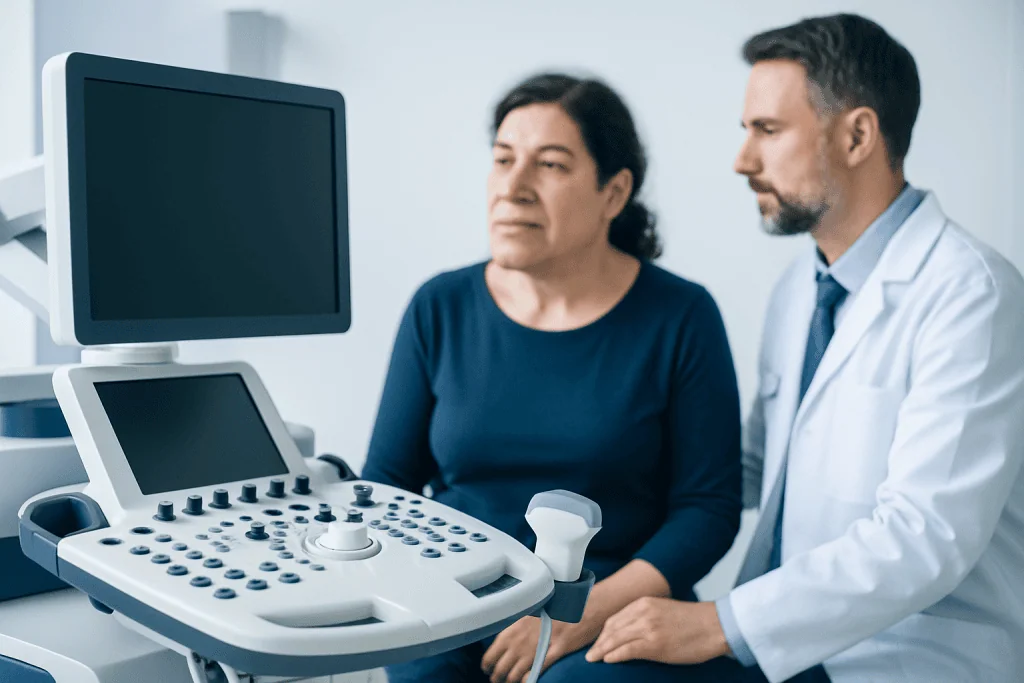
The early signs of acromegaly can be subtle. A person may notice that rings no longer fit, shoe size has increased, or facial features seem coarser than before. The jaw may become more prominent, the nose may appear larger, and spaces between the teeth can widen. Because these changes happen gradually, relatives or friends often notice them only when comparing old photographs.
Other common symptoms include headaches, fatigue, joint pain, thicker skin, excessive sweating, and a deeper voice. Some people develop numbness or tingling in the hands due to nerve compression, such as carpal tunnel syndrome. Sleep problems are also common, especially loud snoring or pauses in breathing linked to sleep apnea.
Acromegaly can also affect hormone balance and metabolism. Some patients develop high blood sugar, prediabetes, or insulin resistance. Women may notice irregular menstrual periods, and men may experience reduced libido or other hormone-related symptoms. If a pituitary tumor presses on nearby structures, it can cause vision changes, especially reduced side vision.
- Enlarged hands and feet
- Gradual facial changes
- Joint aches and swelling
- Headaches and sweating
- Snoring or sleep apnea
- Vision problems in some cases
Causes and risk factors

The most common cause of acromegaly is a pituitary adenoma, which is a noncancerous growth in the pituitary gland. This tumor makes too much growth hormone. In some cases, symptoms arise both from the hormone excess and from the size of the tumor itself. Larger tumors can press on nearby areas, including the optic nerves, and may affect the production of other pituitary hormones.
Much less commonly, acromegaly can be caused by tumors outside the pituitary gland that produce growth hormone or growth hormone-releasing hormone. These cases are rare, but they are considered when blood tests and imaging do not fit the usual pattern.
There is usually no clear lifestyle-related cause. Acromegaly is not known to be caused by diet, exercise habits, or routine daily activities. In some patients, the pituitary tumor may also interfere with other hormone functions, which can lead to conditions such as hypopituitarism or hyperprolactinemia. Understanding the exact cause is important because it helps guide treatment decisions and follow-up care.
How acromegaly is diagnosed
Diagnosis usually begins with a detailed medical history and physical examination. A doctor may ask about changes in shoe or ring size, facial appearance, headaches, sleep symptoms, and joint discomfort. Comparing current and older photographs can sometimes help show how gradually the condition has progressed.
The main blood test used to screen for acromegaly is IGF-1, because IGF-1 levels are more stable than growth hormone levels throughout the day. If IGF-1 is elevated, a glucose suppression test may be done. In healthy individuals, growth hormone should fall after drinking glucose, but in acromegaly it often remains inappropriately high.
If laboratory tests suggest acromegaly, magnetic resonance imaging, or MRI, is usually performed to look at the pituitary gland and identify a tumor. Additional blood tests may assess whether other pituitary hormones are affected. Depending on symptoms, doctors may also evaluate heart health, blood pressure, blood sugar, sleep apnea, colon health, and vision.
Treatment options
The main goals of treatment are to lower growth hormone and IGF-1 levels, remove or control the tumor, relieve pressure on nearby tissues, and reduce long-term complications. Treatment is tailored to the size and location of the tumor, the person’s age and health, and whether other pituitary hormones are involved.
Surgery is often the first treatment when a pituitary tumor can be safely removed. The most common approach is transsphenoidal surgery, in which the surgeon reaches the pituitary gland through the nose. This method can improve hormone levels quickly and may relieve pressure symptoms such as headaches or vision changes. Some patients may need additional therapy if hormone levels remain high after surgery.
Medications are an important option when surgery is not possible, does not fully control the disease, or is used before or after surgery. These medicines may reduce growth hormone production, block its effects, or in some cases shrink the tumor. Radiation therapy may be considered when surgery and medication do not provide enough control, although it usually works gradually over time.
Because acromegaly often affects several body systems, treatment may also include care for related conditions such as diabetes, sleep apnea, joint problems, or hormone deficiencies. Ongoing follow-up with endocrinology, neurosurgery, radiology, and other specialists is often helpful. Near the end of the care pathway, some international patients choose centers such as Acibadem International, where multidisciplinary specialists in JCI-accredited hospitals diagnose and treat acromegaly.
Living with acromegaly and long-term follow-up
Even after successful treatment, long-term follow-up remains important. Hormone levels need to be checked regularly because acromegaly can persist or return. Repeat MRI scans may be recommended to monitor the pituitary gland, especially if a tumor was not completely removed or if radiation therapy was used.
Many symptoms improve when hormone levels are controlled, including sweating, headaches, soft tissue swelling, and fatigue. However, some changes, such as certain bone and joint effects, may not fully reverse. Physical therapy, pain management, sleep evaluation, and metabolic care can all support quality of life during recovery and long-term management.
Patients may also need monitoring for blood pressure, cholesterol, blood sugar, heart function, and sleep apnea. If the pituitary gland is not making enough of other hormones after treatment, replacement therapy may be needed. Care plans work best when they are individualized and reviewed over time with a qualified specialist.
Prevention, self-care, and when to see a doctor
There is no proven way to prevent most cases of acromegaly because the condition is usually caused by a spontaneous pituitary tumor. Still, earlier recognition can make a meaningful difference. Seeking medical advice for gradual body changes, persistent headaches, unexplained sweating, or sleep apnea symptoms can lead to earlier diagnosis and treatment.
Self-care does not replace medical treatment, but it can support overall health. Helpful steps may include keeping follow-up appointments, taking medicines exactly as prescribed, tracking symptoms, and managing related conditions such as high blood sugar or high blood pressure. A balanced diet, regular physical activity suited to joint comfort, and good sleep habits can also be beneficial.
A person should see a doctor if they notice increasing shoe or ring size, facial changes, frequent headaches, vision problems, significant snoring, or numbness in the hands. Medical attention is also important if there are symptoms of hormone imbalance, such as menstrual changes, sexual health concerns, or unusual fatigue. Prompt evaluation can help identify acromegaly or other endocrine conditions that may need treatment.
Frequently asked questions
What is the first sign of acromegaly?
The first signs are often subtle and may include a larger shoe size, tighter rings, or gradual changes in facial features. Many people also develop headaches, sweating, or joint discomfort before the condition is recognized.
Is acromegaly caused by cancer?
Most cases are caused by a benign, or noncancerous, pituitary tumor. Although the tumor is usually not cancer, it can still cause important health problems by producing too much growth hormone or pressing on nearby tissues.
Can acromegaly be cured?
Some people can achieve remission, especially when the pituitary tumor is fully removed and hormone levels return to normal. Others need long-term treatment and monitoring, but good control is often possible with surgery, medication, radiation, or a combination of these approaches.
Does acromegaly shorten life expectancy?
If acromegaly is untreated, it can increase the risk of complications involving the heart, blood sugar, breathing during sleep, and other systems. With timely diagnosis and effective treatment, these risks can be reduced and overall health outcomes can improve.
What tests are used to diagnose acromegaly?
Doctors usually start with a blood test for IGF-1, followed by a glucose suppression test if needed. An MRI scan of the pituitary gland is commonly used to look for the tumor causing the hormone excess.
Can facial changes from acromegaly go away?
Soft tissue swelling may improve once hormone levels are controlled, so some facial fullness can lessen. However, bony changes that developed over time may not fully reverse, which is one reason early diagnosis is important.
This article is for general information only and is not a substitute for professional medical advice. Please consult a qualified doctor about your individual situation.
Acromegaly in Turkey — costs, top hospitals & a free quote
JCI-accredited · board-certified surgeons · reply within 24h
Add us as a Preferred Source to see more of our trusted health content across Google Search, AI Overviews and Discover.

Neurology
Diagnosis and treatment of disorders of the brain, spinal cord, nerves and muscles.
51 specialists in this unitRelated Conditions
More from the Health Library

Reproductive Endocrinology: What It Is and Who It Helps

What Is an Endocrinologist and When Should You See One?

What Does an Endocrinology Doctor Treat Besides Diabetes?

Diabetes and Endocrinology: Why Hormone Care Matters in Blood Sugar Control

Multiple Endocrine Neoplasia: When Inherited Hormone Tumors Run in Families