

Reproductive Endocrinology: What It Is and Who It Helps

Reproductive endocrinology focuses on hormones that affect fertility and reproductive health. It can help with irregular periods, ovulation problems, infertility, recurrent pregnancy loss, and some male fertility issues.
Key Takeaways
- Reproductive endocrinology focuses on hormones that affect fertility and reproductive health.
- It can help with irregular periods, ovulation problems, infertility, recurrent pregnancy loss, and some male fertility issues.
- Diagnosis often includes medical history, physical examination, blood tests, ultrasound, and sometimes semen analysis or imaging.
- Treatment depends on the cause and may include lifestyle changes, medications, surgery, or assisted reproductive techniques.
- Both women and men may benefit from evaluation when pregnancy is not happening as expected.
Reproductive endocrinology is the medical field that studies how hormones affect fertility, menstruation, ovulation, sexual development, and reproductive function. It helps people with hormone-related reproductive concerns by identifying the cause and guiding treatment options that support both health and family-building goals.
Overview of reproductive endocrinology
Reproductive endocrinology is a branch of medicine that looks at how hormones influence the reproductive system. Hormones act as chemical messengers, helping regulate puberty, menstrual cycles, ovulation, sperm production, sexual function, and pregnancy. When these signals are disrupted, a person may develop symptoms such as irregular periods, difficulty conceiving, or changes in sexual and reproductive health.
This field sits at the meeting point of endocrinology and fertility care. Specialists evaluate whether the ovaries, testes, pituitary gland, thyroid, adrenal glands, and other organs are working together as they should. Because these systems are closely connected, a hormone imbalance in one part of the body may affect fertility and overall well-being.
Reproductive endocrinology can help people at many stages of life. Some seek care for delayed puberty or absent periods, while others need support for infertility, recurrent pregnancy loss, or menopause-related concerns. Men may also be evaluated for low testosterone, reduced sperm production, or other hormone-related reproductive issues such as hypogonadism.
Who reproductive endocrinology helps
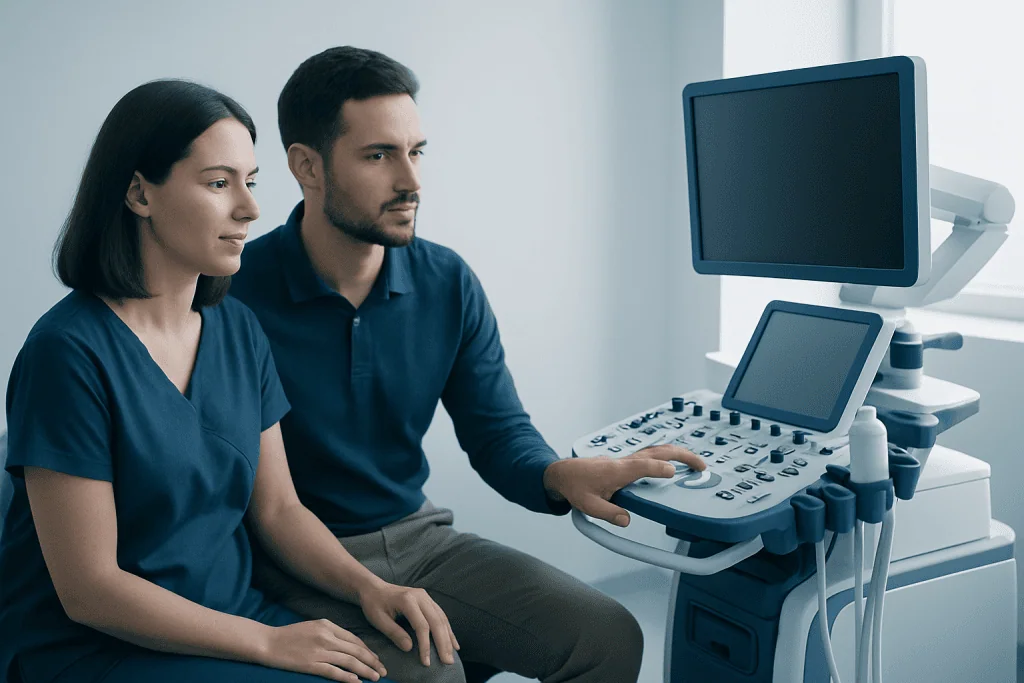
People are often referred to a reproductive endocrinologist when symptoms suggest that hormones may be affecting fertility or reproductive function. This may include women with irregular menstrual cycles, painful or absent periods, trouble tracking ovulation, or difficulty becoming pregnant. It may also include men with low libido, erectile problems, suspected hormone deficiency, or abnormal semen test results.
Common reasons for consultation include infertility, polycystic ovary syndrome, ovulation disorders, recurrent miscarriage, premature ovarian insufficiency, endometriosis-related fertility concerns, and problems involving the pituitary or thyroid glands. Conditions such as hyperprolactinemia can interfere with ovulation and menstrual cycles, while pituitary disorders such as hypopituitarism may affect several reproductive hormones at once.
Reproductive endocrinology can also support people who want to preserve fertility before medical treatment, those planning pregnancy at an older reproductive age, and couples who have not conceived after a period of regular unprotected intercourse. Care is individualized, with attention to age, symptoms, goals, medical history, and emotional well-being.
Symptoms and signs of hormone-related reproductive problems

The symptoms that lead to reproductive endocrine evaluation vary widely. In women, common signs include irregular periods, very heavy bleeding, missed periods, acne, excess facial or body hair, pelvic pain, or difficulty becoming pregnant. Some people may also notice milky nipple discharge, headaches, or vision changes, which can point to a hormone problem involving the pituitary gland.
In men, symptoms may include low sex drive, erectile dysfunction, reduced facial or body hair, fatigue, breast enlargement, testicular changes, or infertility. Sometimes the main clue is an abnormal semen analysis rather than obvious symptoms. Both men and women may have symptoms related to thyroid or metabolic issues, including weight change, temperature sensitivity, or low energy.
Not every reproductive hormone disorder causes clear warning signs. Some are found during a fertility workup after months of trying to conceive. For this reason, persistent cycle changes, unexplained infertility, or symptoms that affect sexual and reproductive health should be discussed with a qualified doctor rather than being dismissed as stress alone.
Causes and risk factors
Reproductive hormone problems can develop for many reasons. In women, ovulation disorders are among the most common causes of infertility. These may occur with polycystic ovary syndrome, thyroid disease, elevated prolactin levels, premature ovarian insufficiency, or hypothalamic dysfunction linked to stress, undernutrition, or intense exercise. Structural conditions such as endometriosis or fallopian tube damage may also affect fertility, even when hormone levels are only part of the picture.
In men, causes can include low testosterone, pituitary disease, testicular disorders, genetic conditions, varicocele, previous infection, some medications, or exposure to heat and environmental toxins. Hormonal imbalances may impair sperm production or sexual function. Broader metabolic issues can contribute as well; for example, insulin resistance may be associated with ovulatory problems and polycystic ovary syndrome.
Age is an important factor, especially for ovarian reserve and egg quality, but it is not the only one. Smoking, alcohol misuse, obesity, very low body weight, chronic medical illness, uncontrolled diabetes, thyroid disease, and certain cancer treatments can all affect reproductive hormones. Family history and previous surgery involving the pelvis, pituitary, testes, or ovaries may also increase risk.
- Hormone disorders involving the pituitary, thyroid, adrenal glands, ovaries, or testes
- Polycystic ovary syndrome and ovulation problems
- Male-factor infertility related to hormones or sperm production
- Age-related decline in fertility
- Lifestyle and metabolic factors such as smoking, obesity, or undernutrition
How diagnosis is made
Diagnosis begins with a careful history. The doctor may ask about menstrual cycles, previous pregnancies, miscarriages, sexual health, medications, weight change, exercise habits, family history, and how long pregnancy has been attempted. In men, questions often include sexual function, testicular history, puberty, prior infections, and exposure to medications or toxins that may affect sperm production.
Blood tests are commonly used to measure reproductive and related hormones. Depending on the situation, these may include follicle-stimulating hormone, luteinizing hormone, estradiol, progesterone, testosterone, prolactin, thyroid-stimulating hormone, anti-Mullerian hormone, and others. A doctor may also assess glucose metabolism or thyroid function if symptoms suggest a broader endocrine issue.
Imaging and other tests are selected based on the suspected cause. Pelvic ultrasound can assess the ovaries, uterus, and signs of ovulation-related conditions. Semen analysis is essential in many fertility evaluations because male factors are common and often treatable. Some patients may need additional imaging, such as pituitary imaging, or procedures to evaluate the uterus and fallopian tubes. A complete assessment often looks at both partners, since fertility challenges may involve more than one factor.
Treatment options
Treatment in reproductive endocrinology depends on the underlying diagnosis, the person’s age, symptoms, and goals. For some, correcting a hormone imbalance is enough to restore regular cycles or improve fertility. For others, treatment may involve a combination of medical therapy, surgery, and assisted reproductive techniques. The aim is not only to support conception when desired, but also to improve long-term reproductive and hormonal health.
Medications may be used to induce ovulation, lower prolactin levels, support thyroid function, manage insulin resistance, or address low testosterone in carefully selected situations. Structural problems such as uterine polyps, fibroids, endometriosis, or blocked tubes may require procedural or surgical treatment. When natural conception remains difficult, fertility-focused options such as in vitro fertilization or intracytoplasmic sperm injection may be recommended, especially when there is severe male-factor infertility or other specific indications.
Some patients may need support with egg freezing or embryo freezing if they wish to preserve fertility for the future. Emotional support is also an important part of care, since infertility and recurrent pregnancy loss can be physically and mentally exhausting. Near the end of the care pathway, some people choose treatment at centers such as Acibadem International, where multidisciplinary specialists in JCI-accredited hospitals diagnose and treat reproductive endocrine and fertility conditions for international patients.
Prevention, self-care, and when to seek medical advice
Not every reproductive hormone disorder can be prevented, but healthy habits can support hormonal balance and fertility. Maintaining a stable weight, eating a balanced diet, exercising regularly without overtraining, sleeping well, avoiding smoking, and limiting alcohol may all help. Managing chronic conditions such as diabetes or thyroid disease is also important before and during attempts to conceive.
Tracking menstrual cycles can help identify changes early. Women who notice frequent skipped periods, very heavy bleeding, or cycles that are consistently unpredictable may benefit from evaluation even if they are not trying for pregnancy right away. Men should seek medical advice for persistent sexual symptoms, testicular changes, or concerns about fertility rather than waiting for the problem to resolve on its own.
A doctor should be consulted if pregnancy has not occurred after a reasonable period of regular unprotected intercourse, or sooner when there are known risk factors such as irregular cycles, prior pelvic infection, endometriosis, recurrent miscarriage, a history of chemotherapy, or abnormal semen results. Prompt evaluation can clarify the cause, reduce uncertainty, and open the door to appropriate treatment and support.
Frequently asked questions
What does a reproductive endocrinologist do?
A reproductive endocrinologist diagnoses and treats hormone-related problems that affect fertility and reproductive health. This can include irregular ovulation, infertility, recurrent miscarriage, pituitary or thyroid-related issues, and some male fertility concerns.
Is reproductive endocrinology only for women?
No. Although many patients seek help for menstrual or ovulation problems, men may also benefit from evaluation of hormone-related infertility, low testosterone, or abnormal sperm production. Fertility assessment often includes both partners.
When should someone see a reproductive endocrinologist?
A person should consider an evaluation if pregnancy is not happening as expected, if menstrual cycles are irregular, or if there is a history of miscarriage or known hormone problems. Earlier assessment may be helpful for people with endometriosis, prior cancer treatment, thyroid or pituitary disease, or male-factor fertility concerns.
What tests are commonly used in reproductive endocrinology?
Common tests include blood work to measure reproductive hormones, pelvic ultrasound, and semen analysis. Depending on symptoms, a doctor may also recommend tests for thyroid function, glucose metabolism, ovarian reserve, uterine structure, or pituitary imaging.
Can hormone problems always be treated?
Many hormone-related reproductive problems can be managed effectively, but the best treatment depends on the cause and the patient’s goals. Some conditions respond well to medication or lifestyle changes, while others may require procedures or assisted reproductive treatment.
Does needing fertility treatment mean natural conception is impossible?
Not necessarily. Some people conceive after treating an underlying hormone imbalance or improving ovulation. Others may need additional fertility support, but treatment plans are usually tailored step by step rather than assuming the most advanced option is needed first.
References
- World Health Organization
- American Society for Reproductive Medicine
- European Society of Human Reproduction and Embryology
- National Institute for Health and Care Excellence
- Endocrine Society
This article is for general information only and is not a substitute for professional medical advice. Please consult a qualified doctor about your individual situation.
IVF & fertility treatment in Turkey — success rates and costs
JCI-accredited · board-certified surgeons · reply within 24h
Add us as a Preferred Source to see more of our trusted health content across Google Search, AI Overviews and Discover.
Check your numbers in seconds
BMI, calories, due date, blood pressure and 30+ more clinical calculators — free, instant, doctor-reviewed ranges.

Related Conditions
More from the Health Library



Related Specialists

Prof. Dr. Neslihan Kurtulmuş
Endocrinology
Prof. Dr. İnan Anaforoğlu
Endocrinology
Assoc. Prof. Dr. Ayşenur Özderya
Endocrinology
Assoc. Prof. Dr. Müjdat Kara
Endocrinology