Bariatric Surgery and Fertility: How Weight Loss Can Affect Conception

Weight loss after bariatric surgery may improve ovulation and menstrual regularity. Pregnancy is usually delayed for a period after surgery to allow weight and nutrition to stabilize.
Key Takeaways
- Weight loss after bariatric surgery may improve ovulation and menstrual regularity.
- Pregnancy is usually delayed for a period after surgery to allow weight and nutrition to stabilize.
- Vitamin and mineral monitoring is important before conception and throughout pregnancy.
- Not every fertility problem is caused by weight alone, so medical evaluation is still important.
- Care is best coordinated between bariatric, obstetric, and fertility specialists.
Bariatric surgery and fertility are closely connected because weight loss can improve hormone balance, ovulation, and the chances of conception in some people. At the same time, planning pregnancy after surgery requires attention to timing, nutrition, and follow-up care.
Overview: How Bariatric Surgery Can Affect Fertility
Bariatric surgery and fertility are often discussed together because excess body weight can affect reproductive health in several ways. In women, obesity may disrupt hormone balance, make ovulation less predictable, and contribute to conditions such as polycystic ovary syndrome. In men, obesity can also affect hormone levels, sexual health, and sperm quality. When substantial weight loss occurs, some of these factors may improve.
Procedures such as bariatric surgery, gastric sleeve surgery, and gastric bypass are designed to help people with obesity lose weight and reduce related health risks. For some patients, one of the additional benefits may be improved fertility. This does not mean surgery is a direct fertility treatment, but it may create healthier conditions for conception.
The relationship is not the same for everyone. Fertility can improve quickly after weight loss, sometimes even before menstrual cycles become fully regular. Because of this, people who do not wish to become pregnant soon after surgery should discuss reliable contraception with their care team. Those who hope to conceive should also understand the safest timing for pregnancy and the importance of nutritional follow-up.
Why Excess Weight Can Make Conception Harder
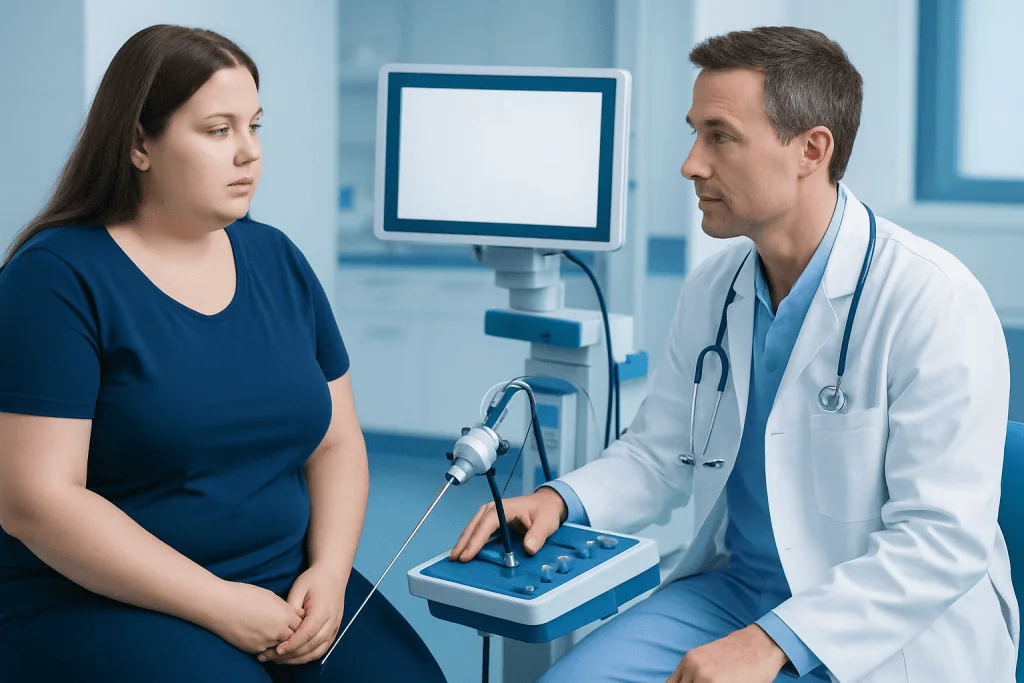
Obesity can influence fertility through hormone and metabolic changes. Extra body fat may increase insulin resistance and alter estrogen, testosterone, and other reproductive hormones. In women, this can interfere with the release of an egg each month, leading to irregular periods or anovulation. In men, obesity may lower testosterone and affect sperm production and quality.
Weight-related conditions can add further challenges. People with morbid obesity may also have sleep apnea, high blood pressure, type 2 diabetes, or chronic inflammation, all of which can affect overall health before pregnancy. Obesity is also linked with a higher risk of complications during pregnancy, including gestational diabetes, hypertensive disorders, and delivery complications.
It is important to remember that infertility has many possible causes. Problems with the fallopian tubes, uterus, ovaries, thyroid function, age-related egg quality, endometriosis, or male-factor infertility may still be present even after weight loss. For that reason, bariatric surgery should be viewed as one part of a broader fertility and health plan rather than a guaranteed solution.
How Weight Loss After Surgery May Improve Fertility
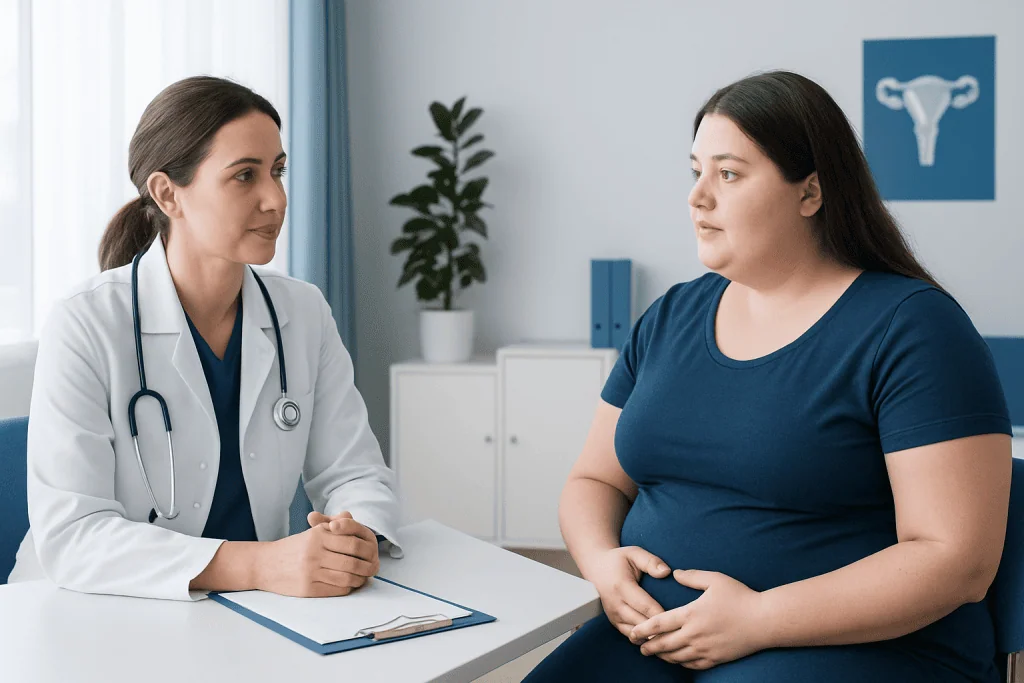
When weight decreases after bariatric surgery, the body often becomes more sensitive to insulin, and hormone patterns may begin to normalize. In many women, this can lead to more regular menstrual cycles and improved ovulation. Some patients with polycystic ovary syndrome notice fewer symptoms and a better chance of conceiving naturally after weight loss.
Men may also benefit. Weight loss can improve testosterone levels, erectile function, and some aspects of sperm health. While the degree of improvement varies, better metabolic health can support reproductive function in both partners. This is one reason why fertility specialists may encourage weight management before starting conception treatment in suitable patients.
Another important benefit is the possible reduction in pregnancy-related risks. Entering pregnancy at a healthier weight may lower the chances of complications linked to obesity. However, surgery changes the digestive system and can affect how nutrients are absorbed. That is why improved fertility after surgery must be balanced with careful planning to support a healthy pregnancy.
When Is It Safe to Try for Pregnancy After Bariatric Surgery?
Most specialists advise waiting before trying to conceive after bariatric surgery. The exact timing depends on the procedure, the pace of weight loss, and the patient’s nutritional status, but pregnancy is often delayed until the period of rapid weight loss has passed. This helps give the body time to stabilize and reduces the chance that the developing baby will be affected by maternal nutrient deficiencies.
During the first months after surgery, calorie intake may be lower and vitamin or mineral shortages can develop if follow-up is not consistent. Iron, folate, vitamin B12, calcium, vitamin D, and protein are especially important for fertility and pregnancy. Becoming pregnant too soon can make it harder to meet these needs.
Patients planning pregnancy should speak with both their bariatric team and an obstetrician or fertility specialist before stopping contraception. Preconception counseling usually includes blood tests, a review of supplements, discussion of medical conditions, and advice on achieving a stable weight. This coordinated approach helps support safer conception and pregnancy care.
Nutrition, Vitamins, and Preconception Care
Nutrition is one of the most important issues after bariatric surgery, especially for anyone considering pregnancy. Because some procedures reduce stomach size and others also reduce nutrient absorption, the risk of deficiencies can be ongoing. Patients are usually advised to take prescribed supplements long term and attend regular monitoring appointments.
Before conception, doctors commonly check levels of iron, ferritin, folate, vitamin B12, vitamin D, calcium, and sometimes other nutrients depending on the type of surgery and symptoms. Protein intake also matters. Good nutritional status supports ovulation, implantation, fetal development, and maternal health during pregnancy.
People should avoid starting pregnancy supplements on their own without medical advice, since needs can vary after surgery. A bariatric dietitian can help tailor meal planning and supplement use. If needed, fertility treatment may be delayed briefly until deficiencies are corrected. This may feel frustrating, but it is an important step toward a healthier pregnancy.
Some patients who are exploring weight-loss options before trying to conceive may ask whether less invasive approaches such as gastric balloon treatment or stomach reduction without surgery are appropriate. Suitability depends on weight, medical history, fertility goals, and how quickly pregnancy is planned, so individualized counseling is essential.
Fertility Treatment and Pregnancy After Bariatric Surgery
Some people conceive naturally after bariatric surgery, while others still need fertility treatment. If ovulation improves but pregnancy does not occur, doctors may investigate other causes and discuss options such as ovulation induction, intrauterine insemination, or IVF. Having had bariatric surgery does not automatically prevent fertility treatment, but it does mean nutritional and medical assessment should be especially careful.
Pregnancy after bariatric surgery is usually considered higher attention rather than high danger. Regular prenatal care is important, and some tests may be adapted depending on the type of operation. Monitoring weight gain, blood sugar, nutrient levels, and fetal growth helps guide care. Patients should always tell their obstetric team exactly which bariatric procedure they had and when it was performed.
Digestive symptoms can sometimes overlap with pregnancy symptoms. Nausea, vomiting, abdominal pain, or poor tolerance of food should not automatically be assumed to be normal pregnancy changes in someone who has had bariatric surgery. These symptoms may need review to rule out dehydration, ulcers, gallstones, bowel issues, or other surgical complications.
Possible Risks and Challenges to Be Aware Of
Although weight loss can support fertility, bariatric surgery also brings practical challenges. Nutrient deficiencies are the main concern, particularly with procedures that alter absorption more significantly. Deficiencies may affect the parent’s health and can also influence fetal development if not recognized and treated. This is why routine blood tests and supplement adherence are so important.
Another issue is that fertility may return sooner than expected. Someone who previously had irregular cycles may assume pregnancy is unlikely, but ovulation can improve rapidly after surgery. Reliable contraception should be discussed after the operation until the care team confirms that pregnancy timing is appropriate.
Abdominal pain during pregnancy deserves attention in anyone with a history of bariatric surgery. While many symptoms are unrelated, prior surgery can create specific concerns that should not be ignored. In addition, some people may still face fertility barriers unrelated to weight, including age, reduced ovarian reserve, tubal disease, endometriosis, or male-factor infertility.
When to Seek Medical Advice and Ongoing Support
Anyone considering bariatric surgery because of fertility concerns should start with a medical evaluation rather than self-diagnosis. A doctor can assess weight-related health problems, menstrual history, ovulation, medication use, and possible other causes of infertility. This helps clarify whether surgery is likely to be helpful as part of a broader treatment plan.
After surgery, medical advice should be sought before trying to conceive, if periods remain irregular, or if pregnancy does not occur after a reasonable time. Patients should also contact their care team for symptoms such as persistent vomiting, difficulty eating, dehydration, severe fatigue, abdominal pain, or signs of nutrient deficiency. Early attention is usually simpler and safer than waiting.
Support from a multidisciplinary team can make a meaningful difference. This may include a bariatric surgeon, endocrinologist, obstetrician, fertility specialist, and dietitian. Acibadem International’s multidisciplinary specialists and JCI-accredited hospitals diagnose and treat obesity and reproductive health concerns for international patients, with care planning tailored to individual needs.
For many people, the goal is not only conception but also a healthy pregnancy and long-term health afterward. Bariatric surgery can be a valuable step for selected patients, but the best outcomes usually come from realistic expectations, careful timing, and close follow-up before and during pregnancy.
Frequently asked questions
Can bariatric surgery increase the chance of getting pregnant?
It can improve fertility in some people by helping restore ovulation, improve hormone balance, and reduce obesity-related health problems. However, it is not a guaranteed fertility treatment, and other causes of infertility may still need evaluation.
How long should someone wait to get pregnant after bariatric surgery?
Many specialists recommend waiting until rapid weight loss has slowed and nutritional status is stable. The exact timing varies by procedure and individual health, so the safest plan should be made with the bariatric and obstetric care teams.
Why are vitamins and minerals so important before pregnancy after bariatric surgery?
Bariatric surgery can reduce food intake and, in some procedures, nutrient absorption. Adequate levels of iron, folate, vitamin B12, calcium, vitamin D, and protein are important for conception, fetal development, and the parent’s health.
Can periods become regular again after bariatric surgery?
Yes, some patients notice more regular menstrual cycles after losing weight, especially if obesity-related hormone imbalance was affecting ovulation. Even so, cycle changes differ from person to person, and medical follow-up is still important.
Is pregnancy after bariatric surgery considered high risk?
It usually requires closer monitoring rather than automatic concern. With appropriate nutritional care, prenatal follow-up, and communication between specialists, many people go on to have healthy pregnancies.
Can someone still need IVF or other fertility treatment after bariatric surgery?
Yes. Weight loss may improve fertility, but it does not correct every cause of infertility. If pregnancy does not occur or other factors are present, fertility treatment may still be recommended after proper assessment.
References
- World Health Organization
- American College of Obstetricians and Gynecologists
- American Society for Metabolic and Bariatric Surgery
- European Society of Human Reproduction and Embryology
- National Institute for Health and Care Excellence
This article is for general information only and is not a substitute for professional medical advice. Please consult a qualified doctor about your individual situation.
Bariatric Surgery in Turkey — costs, top hospitals & a free quote
JCI-accredited · board-certified surgeons · reply within 24h
Add us as a Preferred Source to see more of our trusted health content across Google Search, AI Overviews and Discover.
Check your numbers in seconds
BMI, calories, due date, blood pressure and 30+ more clinical calculators — free, instant, doctor-reviewed ranges.

Bariatric & Metabolic Surgery
Surgical and endoscopic treatments for obesity and metabolic conditions.