Cataract Surgery Candidacy: When Is It Time to Remove a Cataract?

A cataract does not always need immediate removal; surgery is usually based on how much it affects vision and daily life. Common signs include blurry vision, glare, halos, faded colors, and trouble reading or driving at night.
Key Takeaways
- A cataract does not always need immediate removal; surgery is usually based on how much it affects vision and daily life.
- Common signs include blurry vision, glare, halos, faded colors, and trouble reading or driving at night.
- An eye doctor confirms cataracts with a detailed eye exam and checks for other eye conditions that may affect treatment planning.
- Cataract surgery is a common procedure that replaces the cloudy natural lens with a clear artificial lens.
- Prompt review is important if vision changes quickly, one eye becomes much worse, or eye pain and redness occur.
Cataract surgery is usually considered when cloudy vision begins to interfere with daily activities, safety, or quality of life. The right timing depends on symptoms, eye exam findings, and a person’s overall visual needs rather than age alone.
Overview: What Cataract Surgery Candidacy Means
Cataract surgery candidacy refers to whether a person is likely to benefit from having a cataract removed. A cataract develops when the eye’s natural lens becomes cloudy, making vision less clear. This change often happens gradually, so many people adapt without realizing how much their vision has changed over time.
There is no single age or “right moment” that applies to everyone. In most cases, surgery is recommended when a cataract begins to interfere with everyday tasks such as reading, driving, working, recognizing faces, or seeing clearly in different lighting conditions. Some people seek treatment earlier because their job, hobbies, or safety depend on sharper vision.
Eye doctors do not decide based only on how a cataract looks during an exam. They also consider symptoms, visual goals, and the health of the rest of the eye. A person with mild clouding but significant glare while driving at night may benefit more from surgery than someone with a denser cataract who has few practical limitations.
For many patients, learning more about cataract care and cataract surgery helps them understand that treatment is individualized. The decision is usually shared between the patient and ophthalmologist after discussing symptoms, eye findings, and expected benefits.
Symptoms That May Suggest It Is Time for Surgery
The most common reason to remove a cataract is that vision problems start affecting daily life. Cataracts often cause blurred or dim vision, increased sensitivity to light, and bothersome glare. Many people notice halos around lights, especially at night, or feel that colors look less bright and more yellow or dull than before.
Tasks that once felt routine may become harder. Reading may require brighter light, stronger glasses, or frequent breaks. Driving at night may become uncomfortable or unsafe because headlights and streetlights appear scattered or dazzling. Some people also find it difficult to follow subtitles, use digital screens, sew, cook, or move confidently in low light.
Vision changes from cataracts can sometimes seem like a simple eyeglass problem at first. A person may need frequent prescription updates but still feel unsatisfied with the quality of sight. When new glasses no longer improve vision enough, the cataract may be the main cause.
- Blurred, cloudy, or foggy vision
- Glare or halos around lights
- Poor night vision
- Faded or yellowed colors
- Double vision in one eye
- Frequent changes in glasses prescription
Causes, Risk Factors, and When Timing Matters More

Most cataracts are age-related and develop slowly over time. However, they can also be linked to diabetes, previous eye injury, long-term steroid use, smoking, heavy ultraviolet light exposure, or prior eye surgery. Some cataracts appear earlier in life, while others progress more quickly depending on overall health and eye conditions.
Timing matters because cataracts do not affect everyone in the same way. A person who reads, drives long distances, works in detailed visual tasks, or travels often may feel limited sooner than someone whose daily activities place fewer demands on vision. The “best time” for surgery is often when the cataract causes meaningful difficulty rather than when it reaches a certain stage on its own.
Sometimes cataract removal is advised not only for clearer sight but also to help doctors evaluate or treat other eye diseases. For example, a very dense cataract can make it harder to monitor the retina in people with diabetes or other retinal conditions. In selected cases, cataract surgery may support better access to ongoing care for conditions such as diabetic retinopathy treatment.
Other visual problems can exist alongside cataracts, including refractive errors such as astigmatism. An eye specialist will consider whether the cataract is the main reason for reduced sight or whether other issues also need attention so that expectations for surgery remain realistic.
How Doctors Decide if Someone Is a Good Candidate
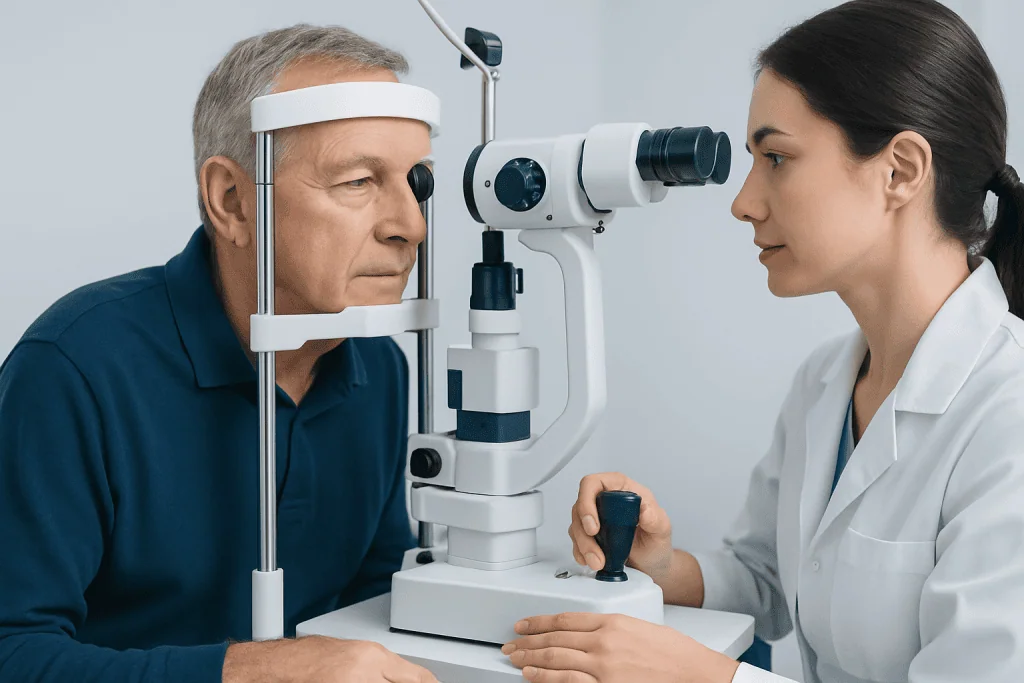
An ophthalmologist usually determines candidacy through a full eye examination. This includes checking visual acuity, reviewing symptoms, examining the lens and retina, and measuring the eye if surgery is being considered. The visit also includes questions about daily activities, work needs, driving, reading comfort, and whether vision problems are affecting independence or safety.
Eye doctors look beyond the cataract itself. They check for glaucoma, retinal disease, corneal problems, dry eye, macular degeneration, and other conditions that may influence both surgery planning and the final visual result. If another eye problem is responsible for most of the vision loss, removing the cataract may help only partly, and this should be discussed clearly in advance.
Testing may include dilated eye examination, pressure measurement, retinal assessment, and lens calculations for the implant used during surgery. If the doctor recommends surgery, they also help the patient choose the most suitable lens option. Information about the intraocular lens can be an important part of this conversation.
In more complex cases, especially when symptoms and eye findings do not fully match, a patient may benefit from a broader specialist assessment. This can include neuro-ophthalmology evaluation when doctors want to understand whether vision problems are related only to the eye’s lens or also to the optic nerve or visual pathways.
Treatment Options and What Surgery Involves
In the early stages, cataract symptoms may be managed temporarily with brighter lighting, updated glasses, anti-glare sunglasses, or magnifying aids. These measures can improve comfort for a while, but they do not remove the cataract or stop it from progressing. Once vision limitations become significant, surgery is the only effective treatment that clears the cloudy lens.
Cataract surgery involves removing the cloudy natural lens and replacing it with a clear artificial lens implant. It is commonly performed as a planned outpatient procedure. The exact technique and lens choice depend on the patient’s eye anatomy, visual goals, and whether they have other eye conditions.
Different lens types may be discussed, including standard monofocal lenses and selected premium options. Some patients may also ask about near and distance vision goals, reading dependence, or correction of pre-existing refractive error. In appropriate cases, the surgeon may explain options such as a multifocal lens and discuss who may or may not benefit from it.
Recovery is often gradual over days to weeks, and most people use prescribed eye drops and attend follow-up visits. Vision may improve quickly, but the final outcome can depend on healing and the health of the retina, cornea, and optic nerve. Patients should follow their surgeon’s aftercare advice carefully and ask when it is safe to drive, exercise, swim, or return to work.
Questions to Ask Before Deciding on Cataract Removal
Because cataract surgery is elective in many cases, patients benefit from understanding what they hope to improve. Helpful questions include whether vision problems are truly caused by the cataract, whether waiting is reasonable, how much improvement is expected, and what type of lens may best match lifestyle needs. This helps make the decision more confident and personalized.
It is also useful to ask about the condition of the rest of the eye. If macular degeneration, glaucoma, corneal disease, or diabetic eye disease is present, vision may not become fully normal after surgery even if the cataract is successfully removed. Clear communication about expected benefits and limits is an important part of informed consent.
Some people are unsure because they manage well in daylight but struggle badly at night, while others can function but feel fatigued from constant visual strain. These concerns are valid and worth discussing. The goal is not only to measure letters on a chart but also to understand real-life visual function.
Patients who are considering surgery abroad or in a specialized center may also want to ask about preoperative measurements, lens counseling, anesthesia options, and follow-up planning. Near the end of the care pathway, Acibadem International’s multidisciplinary specialists and JCI-accredited hospitals diagnose and treat cataracts for international patients, with treatment planning based on individual eye findings and needs.
Prevention, Self-care, and Monitoring While Waiting
Not all cataracts need immediate surgery, so regular monitoring is important. If a doctor advises waiting, patients can often continue daily life by using brighter task lighting, wearing sunglasses outdoors, reducing night driving if glare is severe, and updating glasses when appropriate. These steps do not reverse cataracts, but they can improve comfort and function.
General eye health habits may help lower risk or support long-term vision. These include controlling diabetes, not smoking, protecting the eyes from ultraviolet light, eating a balanced diet, and keeping routine eye appointments. Managing other eye conditions is also important because overall visual quality depends on more than the lens alone.
People should remember that cataracts usually progress slowly, but the pace can vary. Periodic examinations help track whether vision is still acceptable and whether surgery would now offer a meaningful benefit. Keeping notes about glare, reading difficulty, falls risk, or driving discomfort can help during follow-up visits.
For many patients, the key question is practical rather than cosmetic: can they still do what they need and want to do safely and comfortably? When the answer starts to become “no,” it may be time to revisit the discussion about surgery.
When to See a Doctor Promptly
Anyone noticing gradually worsening cloudy vision should schedule an eye exam, especially if glasses are not helping enough. An eye doctor can confirm whether a cataract is present and rule out other causes of vision loss. Early evaluation is especially helpful for older adults, people with diabetes, and those with a history of eye disease or eye injury.
Prompt medical review is important if vision changes suddenly, one eye becomes much worse, or new symptoms appear such as pain, marked redness, flashes of light, many new floaters, or a curtain-like shadow in vision. These symptoms are not typical of an uncomplicated cataract and may point to another eye problem needing urgent care.
People should also seek review if reduced vision is affecting driving, work performance, medication management, mobility, or risk of falls. Even when symptoms have developed slowly, they can still have a major effect on independence and safety. An ophthalmologist can help decide whether surgery would be beneficial now or whether watchful waiting remains reasonable.
Regular follow-up and honest discussion of symptoms are the best ways to determine timing. Cataract surgery is generally considered when the benefits of clearer vision outweigh the inconvenience of ongoing visual limitations, and that point is different for each person.
Frequently asked questions
How do people know when it is time to remove a cataract?
It is usually time to consider surgery when a cataract begins to interfere with daily activities, comfort, or safety. Common examples include trouble reading, driving, recognizing faces, or coping with glare at night. An eye exam helps confirm whether the cataract is the main cause.
Does a cataract have to be "ripe" before surgery?
No. Modern cataract surgery is typically based on symptoms and functional vision, not on waiting for the cataract to become very advanced. In many cases, earlier treatment is reasonable once the cataract noticeably affects quality of life.
Can new glasses delay cataract surgery?
Sometimes, yes, but only for a while. Updated glasses, brighter lighting, and anti-glare measures may improve vision in early cataracts, but they do not remove the clouding. If vision remains poor despite prescription changes, surgery may be the next step.
Is cataract surgery always necessary?
Not always right away. If the cataract is mild and daily activities are still manageable, a doctor may recommend monitoring it over time. Surgery is usually advised when expected visual benefits become meaningful for the patient.
What if someone has another eye condition besides a cataract?
Other eye problems such as glaucoma, macular degeneration, corneal disease, or diabetic retinal disease can affect both treatment planning and results. Cataract surgery may still help, but the amount of improvement can vary. A full eye assessment is important to set realistic expectations.
How long does recovery take after cataract surgery?
Many people notice improvement within days, but full recovery can take several weeks. Healing time varies depending on the eye, the procedure, and whether other eye conditions are present. The surgeon will give guidance about eye drops, activity limits, and follow-up visits.
This article is for general information only and is not a substitute for professional medical advice. Please consult a qualified doctor about your individual situation.
Cataract Surgery in Turkey — costs, top hospitals & a free quote
JCI-accredited · board-certified surgeons · reply within 24h
Add us as a Preferred Source to see more of our trusted health content across Google Search, AI Overviews and Discover.

Ophthalmology
Comprehensive eye care from laser vision correction to retina, cornea and cataract surgery.
75 specialists in this unitRelated Treatments
More from the Health Library

LASIK Vision Institute Alternatives: Choosing a Surgeon

Intraocular Lens Options After Cataract Surgery: Monofocal, Toric, and EDOF

Can You Get LASIK With Astigmatism? Eligibility Explained

Tearing in Babies: When a Blocked Tear Duct Needs Treatment

Can LASIK Fix Astigmatism? What Results Are Possible