Can LASIK Fix Astigmatism? What Results Are Possible

LASIK can treat many common forms of astigmatism by reshaping the cornea. Results vary based on prescription strength, corneal thickness, eye dryness, and overall eye health.
Key Takeaways
- LASIK can treat many common forms of astigmatism by reshaping the cornea.
- Results vary based on prescription strength, corneal thickness, eye dryness, and overall eye health.
- Some people still need glasses for certain tasks, especially reading or very fine detail.
- A detailed pre-operative eye assessment is essential to confirm whether LASIK is safe and suitable.
- Alternatives such as PRK or other procedures may be recommended if LASIK is not the best option.
LASIK can often correct astigmatism by reshaping the cornea so light focuses more clearly on the retina. Many people achieve much sharper vision, but the best results depend on careful screening, realistic expectations, and the health and shape of the eye.
Overview: Can LASIK Fix Astigmatism?
Astigmatism is a very common refractive error. It happens when the cornea, or sometimes the lens inside the eye, has an irregular shape. Instead of being evenly curved, it is shaped more like an oval. This causes light to focus unevenly on the retina, leading to blurred or distorted vision at near, far, or both distances.
LASIK is one of the most well-known surgical options for vision correction. In many cases, LASIK for astigmatism can significantly improve vision by reshaping the cornea into a more regular curve. This helps light focus more accurately and can reduce dependence on glasses or contact lenses. For readers who want background on the condition itself, astigmatism treatment explains how this refractive error affects sight.
LASIK does not always mean perfect vision for every person. The amount of correction possible depends on the degree of astigmatism, whether there is also nearsightedness or farsightedness, and the overall health of the cornea. Even so, many suitable candidates experience a meaningful improvement in everyday vision.
How Astigmatism Affects Vision
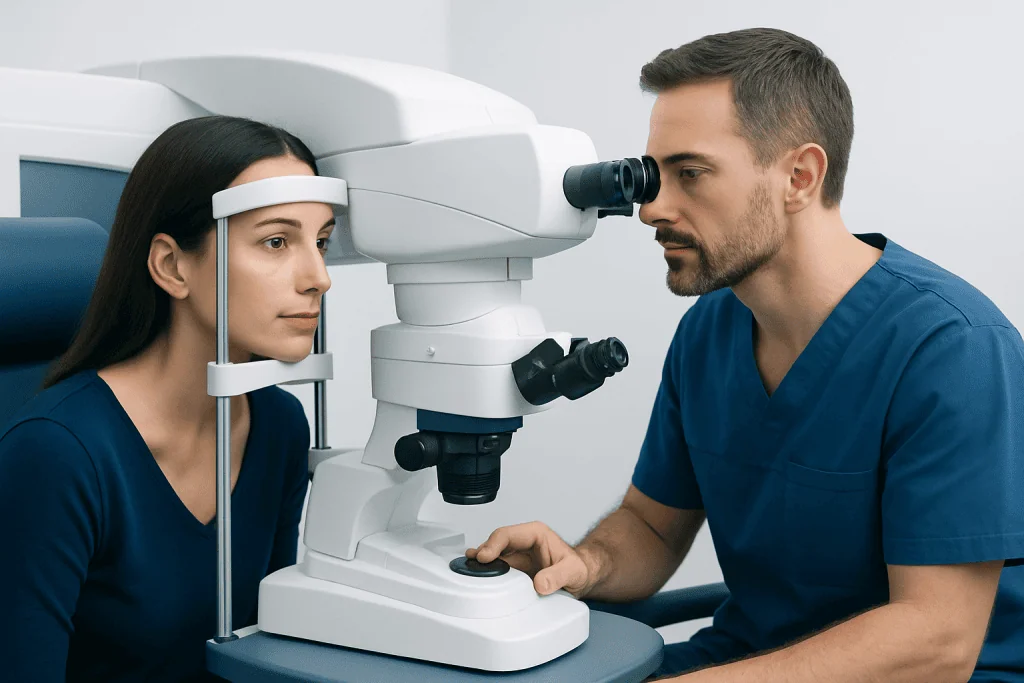
People with astigmatism may notice blurry vision, ghosting around letters or lights, squinting, glare at night, headaches, or eye strain. Some have symptoms only in dim light or when driving at night, while others notice blur throughout the day. Mild astigmatism can sometimes go unnoticed until a routine eye exam.
Astigmatism often occurs together with nearsightedness or farsightedness. This is why one person may struggle mainly with distance vision, while another finds both computer work and reading less clear. Vision quality can also feel inconsistent, especially if the prescription changes over time.
Not all blurred vision is caused by a simple refractive error. Conditions affecting the cornea, lens, or retina can create similar symptoms. That is why an accurate diagnosis matters before deciding on any procedure, including LASIK.
Who May Be a Good Candidate for LASIK?
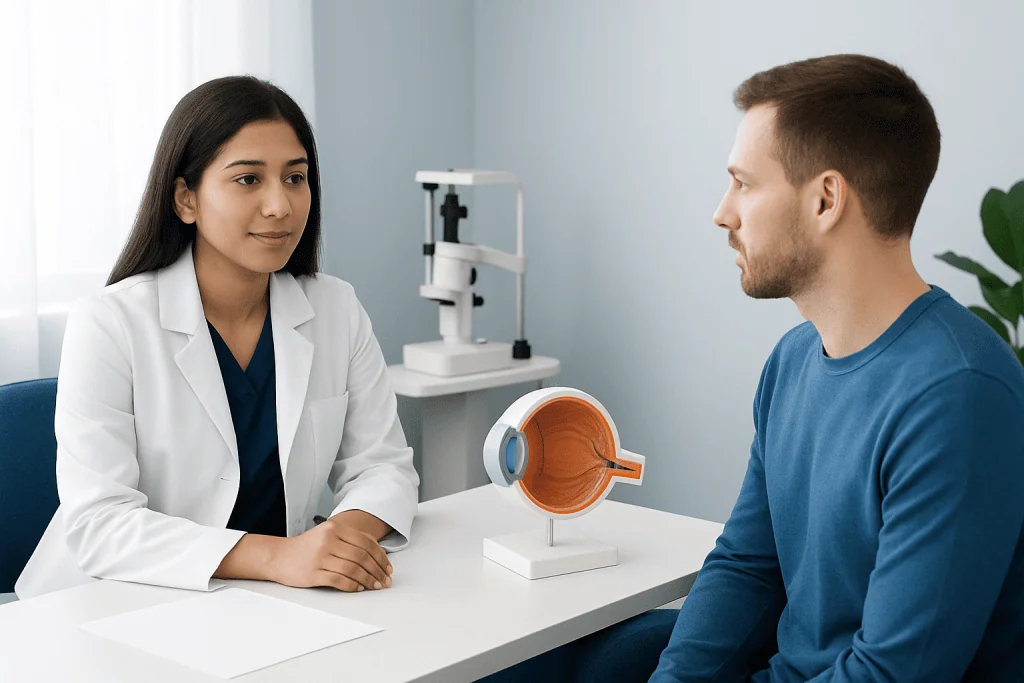
A person may be a good LASIK candidate if their prescription has been stable, they are an appropriate age for refractive surgery, and they have healthy eyes overall. The cornea must usually be thick enough and regular enough to be safely reshaped. The surface of the eye also needs to be in good condition, because significant dryness can affect both comfort and results.
Doctors look closely at the type and amount of astigmatism. Many people with mild to moderate astigmatism can be treated successfully, and some with higher levels may also be eligible depending on their corneal measurements. However, candidacy is never decided by prescription alone.
LASIK may not be the best choice for people with certain corneal disorders, severe dry eye, unstable vision, untreated eye disease, or other health factors that affect healing. For example, irregular corneal conditions such as keratoconus need special assessment and are generally approached differently, often with keratoconus treatment rather than standard LASIK.
- Stable glasses or contact lens prescription
- Healthy cornea with adequate thickness
- No active eye infection or inflammation
- Realistic expectations about outcomes
- Good general health and healing ability
What Results Are Possible?
Many patients achieve much clearer uncorrected vision after LASIK for astigmatism. A common goal is to reduce or eliminate the need for glasses or contact lenses during most daily activities. Some people reach very sharp vision, while others still need thin glasses for night driving, fine print, or prolonged screen work.
The final result depends on several factors, including the severity and axis of astigmatism, the presence of nearsightedness or farsightedness, pupil size, healing response, and surgical planning. Modern laser systems can treat astigmatism with high precision, but the eye is a living tissue and healing varies from person to person.
Age also matters when setting expectations. LASIK can correct refractive errors, but it does not stop the normal age-related loss of near focusing ability known as presbyopia. This means someone in their 40s or older may still need reading glasses even if distance vision improves greatly. The aim is clearer vision, not necessarily lifelong freedom from every type of eyewear.
In some cases, a small residual prescription remains after surgery. If the eyes are healthy and measurements are suitable, an enhancement procedure may sometimes be considered later. This decision is individualized and based on stability, safety, and the person’s visual needs.
How Doctors Evaluate the Eyes Before Surgery
Before LASIK, a detailed examination is essential. The surgeon measures visual acuity, refraction, corneal thickness, corneal curvature, pupil size, tear film quality, and the overall health of the front and back of the eye. These tests help confirm whether astigmatism is regular and treatable with laser vision correction.
Corneal mapping is especially important because it can reveal subtle irregularities that may not be obvious in a standard glasses test. This helps identify people who may not be ideal LASIK candidates and may need another approach. A complete eye examination is therefore the foundation of safe decision-making.
Contact lens users are often asked to stop wearing lenses for a period before measurements are taken. This is because lenses can temporarily alter corneal shape and lead to inaccurate planning. The doctor will also ask about dry eye symptoms, medications, pregnancy status, autoimmune conditions, and previous eye problems or surgeries.
How LASIK Works and What Recovery Is Like
During LASIK, the surgeon creates a thin flap in the cornea, then uses an excimer laser to reshape the underlying corneal tissue. In astigmatism, the laser is programmed to smooth the uneven curvature so that incoming light focuses more evenly. The flap is then placed back into position, where it begins to heal naturally.
The procedure itself is usually quick, and vision often begins to improve within a short time, although sharpness can fluctuate during early healing. It is normal to have mild irritation, tearing, light sensitivity, or a gritty feeling for a short period after surgery. Most people can return to many routine activities relatively soon, but they still need to follow their surgeon’s aftercare instructions carefully.
Recovery includes prescribed eye drops, avoiding eye rubbing, keeping water and irritants out of the eyes for a period, and attending follow-up visits. Vision may continue to settle over days to weeks. If LASIK is not suitable because of corneal thickness or other reasons, alternatives such as PRK may be discussed.
Benefits, Limits, and Possible Risks
The main benefit of LASIK for astigmatism is improved unaided vision. Many people appreciate greater convenience in daily life, sports, work, and travel. It can also reduce the inconvenience of glasses fogging or contact lens dryness, especially for those who have struggled with lens wear for years.
However, LASIK has limits. It cannot guarantee perfect vision in every case, and it is not appropriate for every type of astigmatism. Very irregular astigmatism, unstable corneal shape, or other eye disease may make another treatment safer or more effective. Even when surgery goes well, small visual side effects such as temporary halos, glare, dry eye symptoms, or fluctuating clarity can occur during recovery.
As with any procedure, there are risks, though careful patient selection helps reduce them. Potential concerns include undercorrection, overcorrection, dry eye, infection, inflammation, flap-related issues, or the need for additional treatment. This is why the best approach is a personalized discussion with an experienced ophthalmologist rather than assuming LASIK is the right choice for everyone.
Alternatives, Self-Care, and When to See a Doctor
If LASIK is not advised, other options may still provide excellent vision correction. Glasses and toric contact lenses remain effective for many people, and some may prefer non-surgical management. For those exploring lens-based or corneal-surface options, alternatives such as contact lenses or surface laser procedures may be more suitable depending on the eye findings.
Self-care before and after evaluation includes avoiding overuse of contact lenses, treating dry eye symptoms as advised, and attending regular eye checks if vision changes. A person should not assume all blur is caused by astigmatism alone. New symptoms such as sudden vision loss, eye pain, flashes of light, or rapidly worsening distortion need prompt medical review.
A doctor should be consulted if vision remains blurry despite updated glasses, if night glare is becoming troublesome, or if someone is considering refractive surgery and wants to know their safest options. Near the end of the decision process, some patients choose centers with broad ophthalmology services; Acibadem International’s multidisciplinary specialists in JCI-accredited hospitals evaluate and treat eye conditions for international patients when LASIK or its alternatives are being considered.
Frequently asked questions
Can LASIK completely cure astigmatism?
LASIK can often correct astigmatism very effectively by reshaping the cornea. In many people, it greatly reduces blur and dependence on glasses or contacts, but it may not remove every trace of refractive error in all cases.
How long do LASIK results for astigmatism last?
The corneal reshaping from LASIK is permanent, so the treated astigmatism does not simply reverse overnight. However, eyes can still change over time because of aging, natural prescription shifts, or other eye conditions.
Will glasses still be needed after LASIK for astigmatism?
Some people no longer need glasses for most daily tasks after surgery. Others may still use glasses for night driving, fine detail, or reading later in life, especially if presbyopia develops.
Is LASIK safe for high astigmatism?
It may be safe for some people with higher astigmatism, but eligibility depends on more than the prescription number. Corneal thickness, corneal shape, and overall eye health are key factors in deciding whether LASIK is appropriate.
What is the difference between LASIK and PRK for astigmatism?
Both procedures use a laser to reshape the cornea and can treat astigmatism. LASIK usually offers faster early visual recovery, while PRK may be preferred when corneal thickness or flap considerations make it the safer option.
How soon can normal activities resume after LASIK?
Many routine activities can often be resumed within a short time, depending on the surgeon’s advice and the person’s healing. It is still important to avoid eye rubbing, protect the eyes, use prescribed drops, and attend follow-up appointments.
This article is for general information only and is not a substitute for professional medical advice. Please consult a qualified doctor about your individual situation.
Astigmatism in Turkey — costs, top hospitals & a free quote
JCI-accredited · board-certified surgeons · reply within 24h
Add us as a Preferred Source to see more of our trusted health content across Google Search, AI Overviews and Discover.

Ophthalmology
Comprehensive eye care from laser vision correction to retina, cornea and cataract surgery.
75 specialists in this unitRelated Treatments
More from the Health Library

Cataracts: Symptoms, Diagnosis, and Surgery Explained

Blocked Tear Duct: Symptoms, Diagnosis, and Treatment Options

PRK Recovery Timeline: Healing Stages, Aftercare, and Side Effects

Femto LASIK Recovery: When Vision Clears and When You Can Travel

How Does LASIK Work? Step-by-Step Vision Correction