Why CyberKnife Planning Starts With MRI, CT or PET-CT: Mapping the Target First
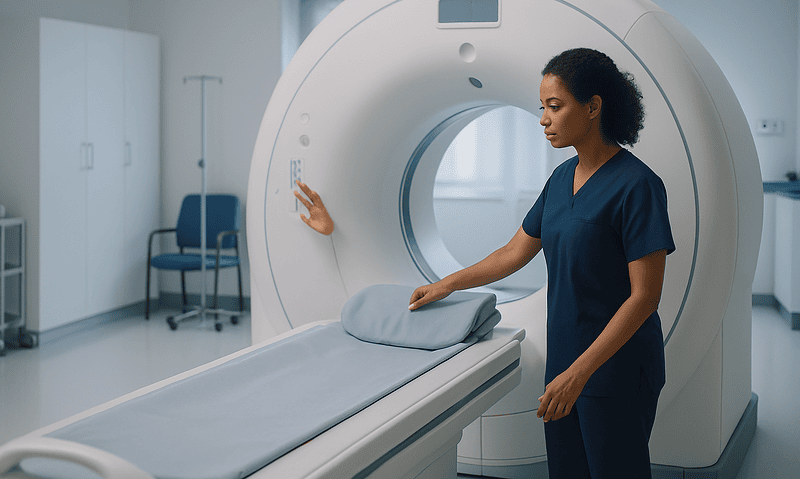
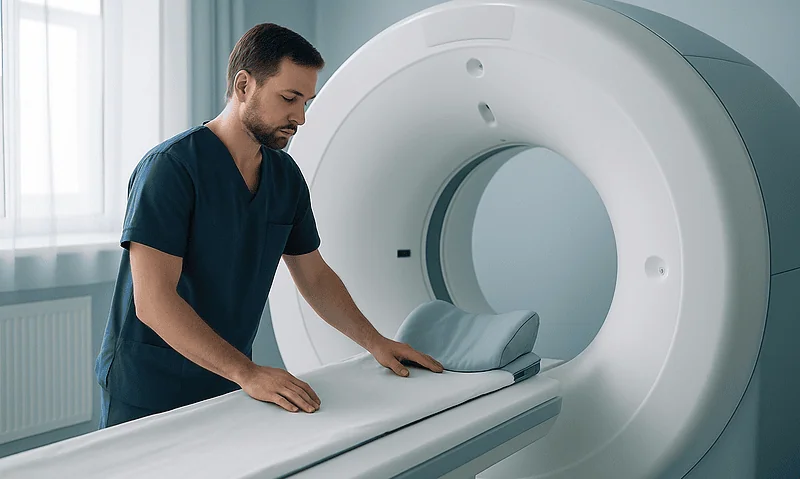
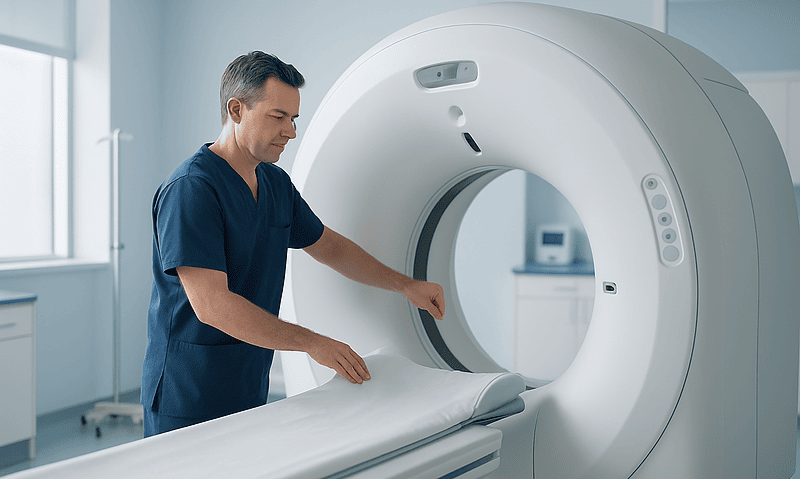
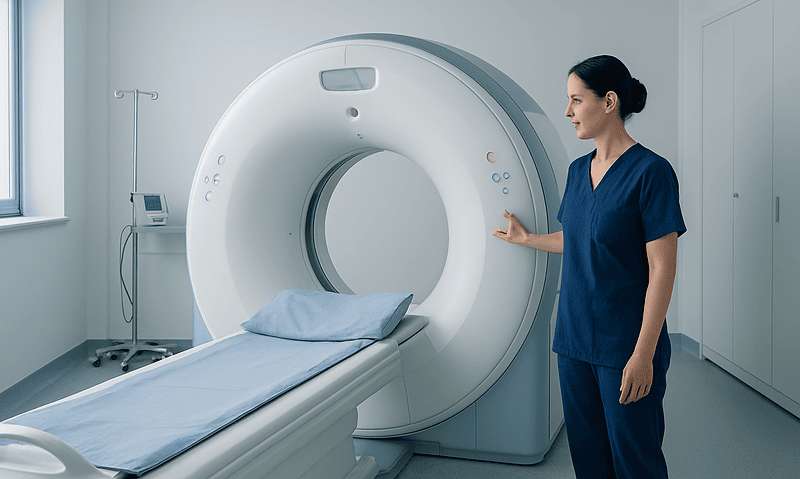
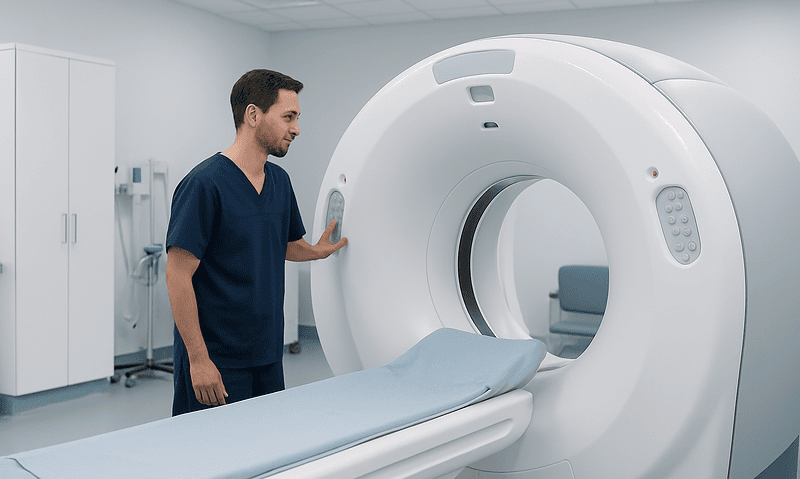
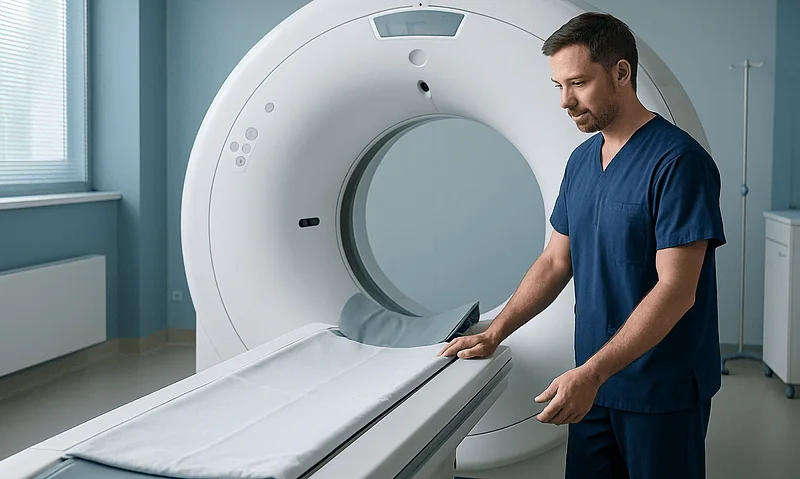
CyberKnife planning starts with MRI, CT or PET-CT because the robot can only aim at what has been mapped in three dimensions. CT provides…
Read article

Articles for patients and families facing cancer: how screening and diagnosis work, what staging means, how the main treatment types differ and how to prepare for appointments. General information; treatment decisions belong to your oncology team.
CyberKnife planning starts with MRI, CT or PET-CT because the robot can only aim at what has been mapped in three dimensions. CT provides…
Recovery after vulvar cancer surgery usually means a hospital stay of a few days, followed by several weeks of gradual healing at home. Gentle…
Skin care during proton therapy centers on a few steady habits: wash the treated area once or twice daily with lukewarm water and a…
Most people should plan to remain near their transplant center for weeks to months after a stem cell transplant, not days. Patient guidance from…
Eating after gastrectomy usually means six to eight small meals a day instead of three large ones, chewing slowly, putting protein first, separating drinks…
Debulking surgery for ovarian cancer, also called cytoreductive surgery, removes the ovaries, fallopian tubes, uterus, omentum and every visible tumor deposit a surgeon can…
Robotic partial nephrectomy recovery usually means walking within hours of surgery, a hospital stay of one to three days, and light activity within one…
Life after vulvar cancer treatment usually involves a slow physical recovery, changes in how the genital area looks and feels, and an emotional adjustment…
Chemotherapy can be given before breast cancer surgery (neoadjuvant) or after it (adjuvant), and pooled data from randomized trials show the order does not…
Before a bone marrow transplant, ask the team which type is planned (your own cells or a donor's) and why it is recommended over…
Preparing for cancer surgery usually means three things happening in parallel: staging scans such as CT, MRI or PET-CT to map where the cancer…
Follow-up after neck cancer treatment usually combines a hands-on physical exam of the neck, mouth and throat at each visit, a camera check of…
Cervical cancer follow up after treatment usually combines a review of symptoms, a pelvic exam and, depending on the treatment given, cytology or HPV…
A chemotherapy cycle is one treatment session (or a short run of sessions) followed by a planned rest period, commonly repeating every one to…
People living with multiple myeloma can protect their bones and kidneys through a combination of bone-strengthening medicines chosen by their hematology team, regular dental…
Radiotherapy is usually added after chemotherapy for lymphoma when disease was localized or bulky at diagnosis, or when a post-treatment PET scan still shows…
Before parotidectomy surgery, most people have three things: imaging (usually ultrasound first, then MRI or CT) to map the lump and its relation to…
During an SBRT session, you lie in a custom mold or frame made at an earlier planning visit, the team takes a CT or…
Choose which cookies you allow. Essential cookies are always on because the site cannot work without them.