Gastroparesis
Gastroparesis is delayed stomach emptying. Learn about symptoms, causes, diagnosis, treatment options, diet changes and when to see a doctor.
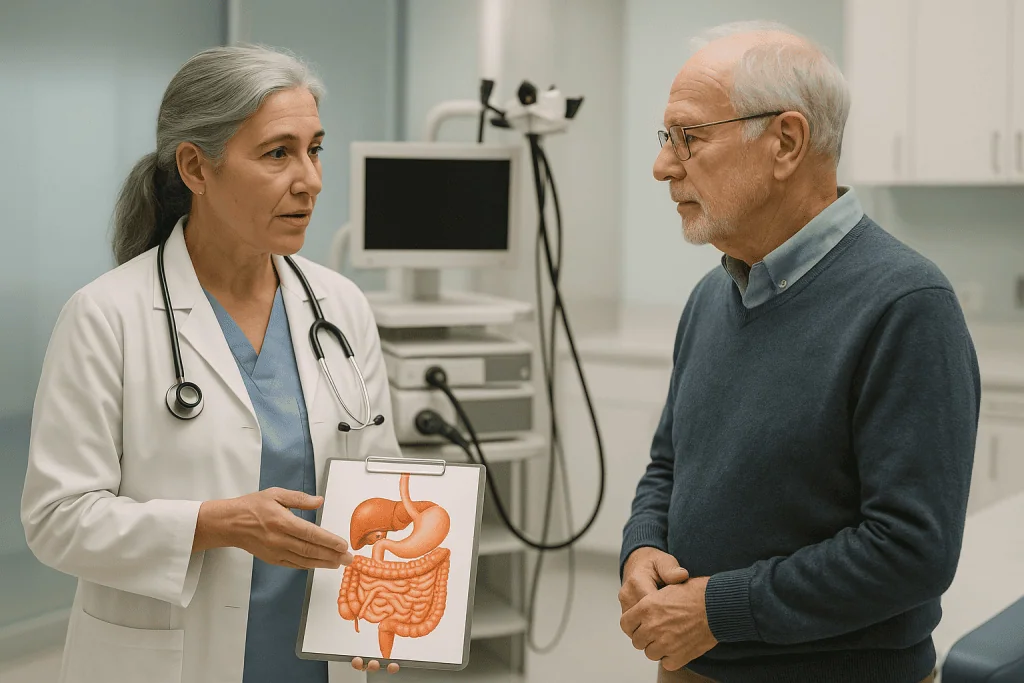
Quick answer
Gastroparesis is a condition in which the stomach empties too slowly because its muscles or controlling nerves do not work properly, causing symptoms such as nausea, vomiting, bloating, and early fullness. At Acibadem in Turkey, evaluation focuses on confirming delayed stomach emptying and identifying the cause, and treatment may include dietary support, medications to improve motility or control symptoms, and…
What is gastroparesis?
Gastroparesis is a condition in which the stomach empties food into the small intestine much more slowly than normal, even though there is no physical blockage. The word itself means “stomach paralysis,” although in most people the stomach muscles are weakened or poorly coordinated rather than completely paralyzed. In a healthy digestive system, strong muscle contractions move food through the stomach in a steady, coordinated way. In gastroparesis, these contractions are weak, slow, or disorganized, so food sits in the stomach for too long. Doctors classify this condition under the diagnosis code ICD-10 K31.84.
Understanding what is gastroparesis begins with understanding delayed gastric emptying. “Gastric emptying” simply means the process by which the stomach passes its contents to the intestine. When this process slows down without any mechanical obstruction, symptoms such as nausea, vomiting, bloating, and feeling full very quickly can develop.
Gastroparesis can affect anyone, but it is diagnosed more often in women than in men, and it is especially common in people who have lived with diabetes for many years. It can appear at any age, from young adulthood to later life. Some people develop it after a viral illness or after certain types of abdominal surgery, while in many cases no clear cause is ever found. Gastroparesis is a chronic condition for most people, meaning it tends to persist over time, although symptoms often fluctuate and can improve with treatment.
Symptoms of gastroparesis
Gastroparesis symptoms happen because food remains in the stomach longer than it should. The most common symptoms include:
- Nauseaoften the most persistent and troubling symptom, sometimes present most of the day.
- Vomitingin some cases, vomit contains undigested food eaten many hours earlier.
- Early satietyfeeling full after eating only a few bites of a meal.
- Bloatinga swollen, tight feeling in the upper abdomen.
- Upper abdominal pain or discomfortoften described as a dull ache or burning in the area below the breastbone.
- Loss of appetitebecause eating triggers or worsens symptoms.
- Heartburn or refluxfood and stomach acid may flow back up toward the throat.
- Unintended weight losswhen symptoms make it hard to eat enough over time.
- Unstable blood sugar levelsparticularly in people with diabetes, because unpredictable stomach emptying makes it hard to match insulin doses to meals.
Symptoms can range from mild to severe, and they often vary from week to week or even day to day. In milder gastroparesis, a person may notice only occasional bloating and early fullness after larger or fattier meals. In moderate disease, nausea and vomiting become more frequent and may interfere with work, sleep, and social life. In severe gastroparesis, persistent vomiting can lead to dehydration, malnutrition (a lack of the nutrients the body needs), and significant weight loss, and some people may need nutritional support.
The pattern of symptoms can also differ by underlying type. In diabetic gastroparesis, swings in blood sugar are often a prominent feature alongside nausea. In gastroparesis that follows a viral infection, symptoms may begin suddenly after an illness and, in some people, gradually improve over months to years. In idiopathic gastroparesis, meaning no cause is identified, abdominal pain and nausea are frequently the leading complaints. Because these symptoms overlap with many other digestive conditions, testing is needed to confirm the diagnosis.
Causes and risk factors
Gastroparesis develops when the nerves or muscles that control stomach emptying are damaged or stop working properly. A key structure involved is the vagus nerve, a long nerve that runs from the brain to the abdomen and signals the stomach muscles to contract. When this nerve or the stomach’s own pacemaker cells are injured, emptying slows down.
Common gastroparesis causes and risk factors include:
- Diabeteslong-standing high blood sugar can damage the vagus nerve and the small nerves within the stomach wall. Diabetic gastroparesis is one of the best-recognized forms of the condition.
- Idiopathic gastroparesisin a large share of cases, no cause can be found despite thorough testing. Some of these cases may follow an unrecognized viral infection.
- Post-viral gastroparesissymptoms sometimes begin after a stomach virus or other infection and may slowly improve over time.
- Surgeryoperations on the stomach, esophagus (the food pipe), or nearby organs can injure the vagus nerve.
- Medicationscertain drugs slow stomach emptying, especially opioid pain medicines, some antidepressants, and certain medicines used for diabetes or blood pressure. This is sometimes called medication-induced delayed emptying rather than true gastroparesis, and it may improve if the medicine can be safely adjusted by a doctor.
- Neurological conditionsdisorders such as Parkinson’s disease and multiple sclerosis can affect the nerves that control digestion.
- Connective tissue diseasesconditions such as scleroderma, which affects the body’s connective tissue, can weaken the muscles of the digestive tract.
- Hypothyroidisman underactive thyroid gland can slow many body processes, including digestion.
Being female appears to be a risk factor, as gastroparesis is diagnosed considerably more often in women. Researchers do not fully understand why, although hormonal effects on gut movement may play a role. Having a long history of poorly controlled diabetes also raises the risk. It is important to note that having risk factors does not mean a person will develop the condition, and many people with gastroparesis have no obvious risk factors at all.
Diagnosis
Gastroparesis diagnosis rests on two things: confirming that the stomach empties slowly, and ruling out a physical blockage or another disease that could explain the symptoms. A doctor will usually begin with a detailed medical history, asking about symptoms, medications, diabetes, prior surgery, and eating patterns, and a physical examination.
Tests commonly used include:
- Upper endoscopya thin, flexible tube with a camera is passed through the mouth into the stomach while the patient is sedated. This test checks for ulcers, inflammation, tumors, or a mechanical obstruction. It must show no blockage before gastroparesis can be diagnosed.
- Gastric emptying scintigraphythis is the standard test to confirm gastroparesis. The patient eats a small meal, often eggs or a similar solid food, containing a tiny, safe amount of radioactive tracer. A scanner then measures how quickly the meal leaves the stomach over about four hours. If a significant portion of the meal remains in the stomach at four hours, emptying is considered delayed.
- Wireless motility capsulein some centers, the patient swallows a small capsule that records pressure, acidity, and temperature as it travels through the digestive tract, giving information about how quickly the stomach and intestines are moving.
- Gastric emptying breath testthe patient eats a meal containing a harmless labeled substance, and breath samples taken over several hours show how quickly the stomach empties.
- Imaging studiesan ultrasound or CT scan may be used to check the gallbladder, pancreas, and other organs, since problems there can cause similar symptoms.
- Blood teststhese look for diabetes, thyroid problems, anemia, dehydration, and nutritional deficiencies.
Doctors may also ask patients to stop certain medications, especially opioids, before testing, because those drugs can slow stomach emptying and produce a misleading result. Because symptoms alone cannot distinguish gastroparesis from conditions such as functional dyspepsia (chronic indigestion without delayed emptying), objective testing is important before starting long-term treatment. Diagnosis and ongoing care are typically managed by a gastroenterologist, a doctor who specializes in the digestive system; at Acibadem, this condition is evaluated within the gastroenterology department.
Treatment options
Gastroparesis treatment aims to relieve symptoms, maintain nutrition and hydration, and, in people with diabetes, stabilize blood sugar. There is currently no treatment that reliably cures gastroparesis, so care usually combines several approaches tailored to how severe the symptoms are.
Dietary changes
Diet is the foundation of gastroparesis treatment for most people. Because fat and fiber slow stomach emptying, doctors and dietitians often recommend:
- Eating smaller meals more often, for example, four to six small meals a day instead of two or three large ones.
- Choosing low-fat, low-fiber foods that leave the stomach more easily.
- Chewing food thoroughly and eating slowly.
- Using more liquid or blended foods, such as soups and smoothies, when solid food is poorly tolerated, since liquids often empty better than solids.
- Staying upright for a period after meals and staying well hydrated.
- Avoiding alcohol and carbonated drinks, which can worsen bloating.
In milder cases, dietary adjustment alone, a form of watchful, supportive management, may control symptoms, with regular follow-up to make sure nutrition remains adequate.
Medications
Your doctor may prescribe medicines from two main groups. Prokinetics are drugs that stimulate stomach contractions to speed up emptying; metoclopramide is the most widely used example, and others may be available depending on the country. These medicines can have side effects, some of them significant with long-term use, so doctors usually prescribe the lowest effective dose and review treatment regularly. Antiemetics are medicines that reduce nausea and vomiting; they do not speed up the stomach but can make symptoms more bearable. If a current medication, such as an opioid, is suspected of slowing the stomach, the doctor may adjust or replace it where it is safe to do so. In people with diabetes, improving blood sugar control is itself part of treatment, because very high glucose levels slow stomach emptying further.
Procedures and devices
When diet and medication are not enough, several procedures may be considered:
- Botulinum toxin injection into the pylorusthe pylorus is the muscular valve at the stomach outlet. Injecting it during endoscopy may relax it temporarily, although evidence for lasting benefit is mixed, and many guidelines do not recommend it routinely.
- Gastric peroral endoscopic myotomy (G-POEM)an endoscopic procedure in which the muscle of the pylorus is cut from inside the stomach to help food pass more easily. It is offered in selected patients at specialized centers.
- Gastric electrical stimulationa small device implanted under the skin delivers mild electrical pulses to the stomach. It may reduce nausea and vomiting in some people, particularly those with diabetic gastroparesis, although responses vary and it does not reliably speed up emptying.
Nutritional support and surgery
In severe cases where a person cannot maintain weight or hydration, doctors may recommend a feeding tube placed into the small intestine (a jejunostomy tube), which delivers nutrition beyond the stomach. Rarely, intravenous nutrition is needed for a limited time. Surgical options such as pyloroplasty (an operation that widens the stomach outlet) or, very rarely, partial removal of the stomach are reserved for carefully selected patients when other treatments have failed. Decisions about procedures and surgery are made individually, weighing potential benefits against risks, usually within a specialist gastroenterology service.
Living with gastroparesis and outlook
Gastroparesis is usually a long-term condition, but its course varies widely from person to person. Many people manage well with dietary changes and medication and lead full, active lives. Others have symptoms that flare and settle over time, and a smaller group experiences persistent, severe symptoms that require more intensive treatment. Post-viral gastroparesis, in particular, sometimes improves gradually over one to two years, although this cannot be guaranteed for any individual.
Day-to-day management often involves keeping a food and symptom diary to identify which foods are best tolerated, planning small frequent meals, and staying in regular contact with a care team that may include a gastroenterologist, a dietitian, and, for people with diabetes, an endocrinologist (a hormone specialist). Monitoring weight, hydration, and, where relevant, blood sugar is an important part of routine care. Vitamin and mineral levels may be checked periodically, since restricted diets and poor absorption can lead to deficiencies over time.
Living with chronic nausea and unpredictable symptoms can affect mood, work, and relationships. Anxiety and low mood are common in people with long-term digestive conditions, and mentioning these feelings to a doctor is worthwhile, because supportive counseling and, when appropriate, treatment can improve overall quality of life. While gastroparesis is rarely life-threatening in itself, complications such as dehydration, malnutrition, and hardened masses of undigested food in the stomach (called bezoars) can be serious, which is why ongoing medical follow-up matters. At specialized centers, including the gastroenterology units of hospital groups such as Acibadem, long-term follow-up is typically coordinated by the digestive disease team.
Frequently asked questions
What is gastroparesis in simple terms?
Gastroparesis means the stomach empties food too slowly even though nothing is physically blocking it. The muscles and nerves that normally push food into the intestine do not work properly, so food lingers in the stomach. This can cause nausea, vomiting, bloating, and feeling full very quickly after starting a meal.
Can gastroparesis heal on its own?
In some cases, yes, particularly when it follows a viral infection or is caused by a medication that can be stopped. Post-viral gastroparesis sometimes improves gradually over months to years. However, gastroparesis linked to long-standing nerve damage, such as diabetic gastroparesis, is usually a chronic condition that is managed rather than cured. Only a doctor who knows your history can advise on the likely course in your situation.
How serious is gastroparesis?
Severity varies greatly. Many people have mild symptoms controlled with diet alone, while others develop dehydration, malnutrition, or dangerous blood sugar swings that need medical treatment. Gastroparesis itself is rarely fatal, but its complications can be serious if left untreated, which is why persistent symptoms should always be evaluated and followed by a doctor.
What foods should I avoid with gastroparesis?
Foods high in fat and fiber tend to slow stomach emptying and worsen symptoms, so many patients are advised to limit fried and fatty foods, raw vegetables, tough meats, and high-fiber items such as beans and whole grains during flares. Carbonated drinks and alcohol can also increase bloating. Tolerance varies from person to person, so working with a doctor or dietitian to build an individual plan is usually more helpful than following a fixed list.
What is the best treatment for gastroparesis?
There is no single best gastroparesis treatment; care is tailored to each person. Most treatment plans start with dietary changes and, if needed, medicines that speed stomach emptying or reduce nausea. Procedures such as endoscopic treatment of the stomach outlet, electrical stimulation, or feeding tubes are considered only when simpler measures are not enough. In people with diabetes, improving blood sugar control is an essential part of treatment.
How do doctors test for gastroparesis?
The standard test is a gastric emptying study, in which you eat a small meal containing a safe tracer and a scanner measures how quickly the food leaves your stomach over about four hours. Before this, an upper endoscopy is usually performed to make sure there is no blockage, ulcer, or other condition causing the symptoms. Blood tests and imaging may also be used to check for related problems.
Does gastroparesis get worse over time?
Not necessarily. In many people, symptoms fluctuate rather than steadily worsen, and treatment often keeps them manageable. In diabetic gastroparesis, good long-term blood sugar control may help limit further nerve damage. Regular follow-up allows the care team to adjust treatment early if symptoms or nutrition begin to decline.
When to see a doctor
Anyone with ongoing nausea, vomiting, early fullness, or unexplained weight loss should be evaluated by a doctor, because these symptoms can have many causes and deserve proper testing. If you have already been diagnosed with gastroparesis, contact your care team promptly if your usual symptoms clearly worsen or stop responding to treatment.
Seek urgent medical attention if you experience any of the following red-flag warning signs:
- Vomiting that will not stop, or inability to keep down any liquids for more than a day.
- Signs of dehydrationvery dark urine, little or no urination, dizziness, confusion, a racing heartbeat, or extreme thirst.
- Vomiting blood or material that looks like coffee grounds.
- Severe abdominal pain, especially if it is sudden, worsening, or accompanied by fever.
- Very high or very low blood sugar in people with diabetes, particularly with drowsiness or confusion.
- Rapid, unintended weight loss or visible signs of malnutrition such as marked weakness.
- Black, tarry stools, which can signal bleeding in the digestive tract.
These symptoms may indicate complications such as severe dehydration, bleeding, an obstruction, or a bezoar, all of which need prompt medical assessment. Early evaluation and consistent follow-up give the best chance of keeping gastroparesis under control and protecting long-term health.
Medically reviewed by the Acıbadem International Medical Board September 2, 2026
See our medical review board →
Update history
- PublishedJune 8, 2026
- Medical review approvedSeptember 2, 2026
- Last content updateSeptember 2, 2026