Ablation for Heart Rhythm Disorders: What to Expect

Cardiac ablation treats abnormal electrical signals in the heart that cause certain arrhythmias. The procedure is often performed through thin catheters inserted into a blood vessel, without open-heart surgery.
Key Takeaways
- Cardiac ablation treats abnormal electrical signals in the heart that cause certain arrhythmias.
- The procedure is often performed through thin catheters inserted into a blood vessel, without open-heart surgery.
- Many people go home the same day or after a short hospital stay, depending on the type of arrhythmia and the procedure.
- Recovery usually includes brief activity limits, follow-up visits, and monitoring for recurring symptoms.
- Ablation may be recommended when symptoms persist, medicines are not effective, or the arrhythmia carries added risk.
Ablation for heart rhythm disorders is a commonly used treatment that can reduce or stop episodes of abnormal heartbeat. Understanding how it works, who may benefit, and what recovery is like can help patients feel more prepared and reassured.
Overview: What ablation for heart rhythm disorders means
Ablation for heart rhythm disorders is a medical procedure used to treat abnormal heartbeats, also called arrhythmias. It works by targeting small areas of heart tissue that are sending the wrong electrical signals or allowing those signals to travel in an unusual way. By interrupting these abnormal pathways, the heart can often return to a more regular rhythm.
Most ablation procedures for arrhythmias are performed using thin, flexible tubes called catheters. These are usually guided through a blood vessel in the groin, and sometimes the neck or arm, into the heart. The doctor then uses heat, cold, or another energy source to create a tiny scar in the area responsible for the abnormal rhythm.
Catheter ablation may be considered for several rhythm disorders, including atrial fibrillation, atrial flutter, supraventricular tachycardia, and some forms of ventricular tachycardia. In some people, it is used when symptoms continue despite medication. In others, it may be recommended earlier if the rhythm problem is particularly troublesome or if medicine is not the best long-term option.
Symptoms and when ablation may be considered
Heart rhythm disorders can cause a wide range of symptoms. Some people notice a racing heartbeat, skipped beats, fluttering in the chest, dizziness, shortness of breath, chest discomfort, fatigue, or reduced exercise tolerance. Others may have only mild symptoms, or sometimes none at all, even when an arrhythmia is present.
Ablation is not needed for every rhythm problem. Many arrhythmias can be managed with lifestyle changes, monitoring, or medication. However, a doctor may suggest ablation when symptoms are frequent, disruptive, or affecting daily life. It may also be considered if medicines are not working well, cause side effects, or if the arrhythmia increases the risk of complications such as fainting, heart weakness, or stroke.
People often seek medical advice because of persistent heart palpitations or episodes of sudden rapid heartbeat. In some cases, testing shows that the abnormal rhythm starts from a specific focus or pathway that can be treated effectively with ablation. A cardiologist or heart rhythm specialist can explain whether the expected benefits outweigh the risks in an individual case.
Causes, risk factors, and who may benefit

Arrhythmias develop when the heart’s electrical system is disrupted. This may happen because of age-related changes, inherited electrical conditions, prior heart damage, structural heart disease, inflammation, thyroid disorders, sleep apnea, alcohol use, stimulant use, or imbalances in body salts such as potassium and magnesium. Sometimes no single clear cause is found.
Certain heart conditions can make rhythm problems more likely. These include coronary artery disease, valve disease, congenital heart conditions, and cardiomyopathy. Common risk factors such as high blood pressure, diabetes, obesity, and smoking can also contribute by placing strain on the heart over time.
People who may benefit most from ablation are those with a well-defined rhythm disorder, persistent symptoms, or repeated episodes that interfere with quality of life. The expected benefit depends on the type of arrhythmia. Some conditions have very high success rates with catheter ablation, while others may need a more individualized plan that also includes medication, blood thinners, or treatment of related heart disease.
How doctors diagnose the problem before ablation
Before recommending ablation, doctors first confirm the type of arrhythmia and assess the overall health of the heart. This usually starts with a medical history, physical examination, and an electrocardiogram, also known as an ECG. Because some rhythm problems come and go, a person may also wear a Holter monitor or an event recorder to capture episodes over time.
Additional tests may include an echocardiogram to look at heart structure and function, blood tests to check thyroid levels or electrolytes, and sometimes a stress test or advanced imaging. These tests help identify whether there is an underlying heart condition that may need treatment alongside the arrhythmia.
In many cases, the most detailed information comes from an electrophysiology study, which maps the heart’s electrical activity from inside the heart using catheters. This is often performed just before or during the ablation procedure itself. It helps the doctor pinpoint the abnormal pathway or focus and plan the safest and most effective treatment approach.
What to expect during the ablation procedure
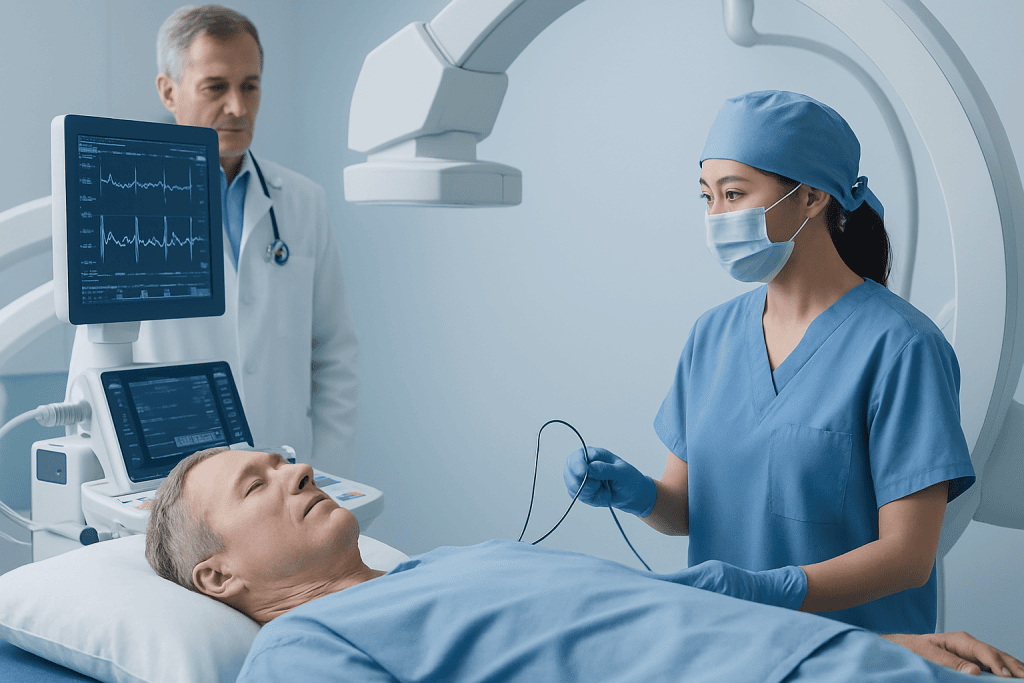
Cardiac ablation is usually performed in a hospital electrophysiology laboratory by a specialist team. The patient is given sedation or anesthesia, depending on the type of arrhythmia and the planned procedure. After the skin is cleaned and numbed, catheters are inserted into a blood vessel and carefully guided to the heart using imaging and electrical mapping.
Once the source of the abnormal rhythm has been identified, the doctor delivers energy through the catheter tip to create a tiny area of scar tissue. This may involve radiofrequency energy, which uses heat, or cryoablation, which uses cold. The aim is to block the unwanted electrical circuit while preserving normal heart function.
The procedure length varies. Simple ablations may take a few hours, while more complex ones can take longer. Afterward, the catheters are removed and pressure is applied to help prevent bleeding. Many patients learn more about ablation procedures in advance so they know what the day of treatment may involve. Depending on the case, the cardiology team may also coordinate with specialists in interventional cardiology or other heart services.
No procedure is entirely risk-free, but serious complications are uncommon in experienced centers. Possible risks can include bleeding, bruising, blood vessel injury, infection, temporary rhythm changes, blood clots, stroke, or damage to nearby heart structures. The doctor explains these risks in relation to the specific arrhythmia being treated and the person’s general health.
Recovery, results, and follow-up care
After ablation, patients are monitored as the sedation wears off and the access site is checked for bleeding. Some go home the same day, while others stay overnight for observation. Mild soreness or bruising at the catheter site is common, and some people notice brief skipped beats or short episodes of palpitations during the early healing period.
Recovery advice usually includes resting for a short time, avoiding heavy lifting for several days, drinking fluids as recommended, and taking medicines exactly as prescribed. Some patients need to continue rhythm medication or blood thinners for a period after the procedure, especially if the ablation was done for atrial fibrillation. Follow-up appointments are important to review symptoms, ECG findings, and whether the treatment has fully controlled the arrhythmia.
Results depend on the specific rhythm disorder. For some supraventricular arrhythmias, a single ablation may provide long-lasting control. More complex arrhythmias, especially those linked to structural heart disease, may need repeat procedures or ongoing treatment. In selected patients, recovery may be supported by cardiac rehabilitation and broader management of blood pressure, sleep apnea, weight, or other contributing factors.
Prevention, self-care, and living well after treatment
Even when ablation is successful, healthy habits still matter. The heart’s rhythm can be influenced by sleep quality, stress, alcohol, caffeine, stimulant medicines, smoking, and untreated medical conditions. Managing these factors may reduce the chance of future rhythm episodes and support overall cardiovascular health.
Helpful self-care measures may include:
- Taking prescribed medicines consistently
- Keeping follow-up appointments
- Monitoring symptoms such as palpitations, dizziness, or fainting
- Limiting alcohol if it triggers episodes
- Discussing caffeine intake with a doctor if symptoms are sensitive to it
- Maintaining a heart-healthy diet, regular activity, and a healthy weight
- Treating related conditions such as high blood pressure or sleep apnea
People with underlying heart disease may need additional care beyond rhythm treatment alone. If a structural or circulation problem is discovered, management might include medication, monitoring, or other procedures. In specialized centers, arrhythmia care can be part of a broader heart program. Acibadem International’s multidisciplinary specialists in JCI-accredited hospitals diagnose and treat heart rhythm disorders for international patients, including advanced catheter-based ablation planning when appropriate.
When to see a doctor
A person should seek medical advice if they have frequent palpitations, episodes of rapid or irregular heartbeat, unexplained fatigue, dizziness, fainting, or shortness of breath. These symptoms do not always mean a serious problem, but they should be assessed, especially if they are new, worsening, or recurrent.
Urgent medical attention is important for chest pain, severe shortness of breath, fainting, signs of stroke, or a fast heartbeat that does not settle. Anyone who has had an ablation should also contact their care team if they develop significant bleeding, swelling at the catheter site, fever, increasing pain, or persistent symptoms after the procedure.
Early evaluation can help identify a treatable rhythm disorder before it affects quality of life or heart function. A qualified cardiologist can explain the likely cause of symptoms, whether ablation is suitable, and what treatment plan is safest for the individual.
Frequently asked questions
Is ablation for heart rhythm disorders a surgery?
Most heart rhythm ablations are minimally invasive catheter procedures rather than open-heart surgery. Doctors usually reach the heart through blood vessels using thin tubes, which generally allows for a shorter recovery.
How long does it take to recover after cardiac ablation?
Many people recover from the access-site discomfort within a few days and return to usual activities within about a week, depending on medical advice. Recovery can be longer after complex procedures or if other heart conditions are present.
Can heart rhythm problems come back after ablation?
Yes, some arrhythmias can return after ablation, especially more complex rhythm disorders. In some cases, symptoms during the first weeks are part of the healing process, but ongoing or recurrent episodes should be discussed with the doctor.
Will a patient still need medication after ablation?
Some patients can reduce or stop certain rhythm medicines later, but others still need medication after the procedure. Blood thinners may also need to continue, particularly in people with atrial fibrillation or stroke risk factors.
Is cardiac ablation painful?
The procedure is typically done with sedation or anesthesia, so patients are kept as comfortable as possible. It is common to have some soreness or bruising afterward at the catheter insertion site, but severe pain is not expected and should be reported.
Who is a good candidate for catheter ablation?
A good candidate is usually someone with a clearly diagnosed arrhythmia that is causing symptoms, affecting daily life, or not responding well to medication. Suitability also depends on age, general health, the type of rhythm disorder, and whether there is underlying heart disease.
References
- American Heart Association
- European Society of Cardiology
- National Heart, Lung, and Blood Institute
- Heart Rhythm Society
This article is for general information only and is not a substitute for professional medical advice. Please consult a qualified doctor about your individual situation.
Heart Rhythm Disorders in Turkey — costs, top hospitals & a free quote
JCI-accredited · board-certified surgeons · reply within 24h
Add us as a Preferred Source to see more of our trusted health content across Google Search, AI Overviews and Discover.
Check your numbers in seconds
BMI, calories, due date, blood pressure and 30+ more clinical calculators — free, instant, doctor-reviewed ranges.

Cardiology Department
Diagnosis and treatment of heart and vascular conditions, from prevention to advanced interventional procedures.
91 specialists in this unit