Achalasia Diagnosis: Tests Used to Confirm Swallowing Problems
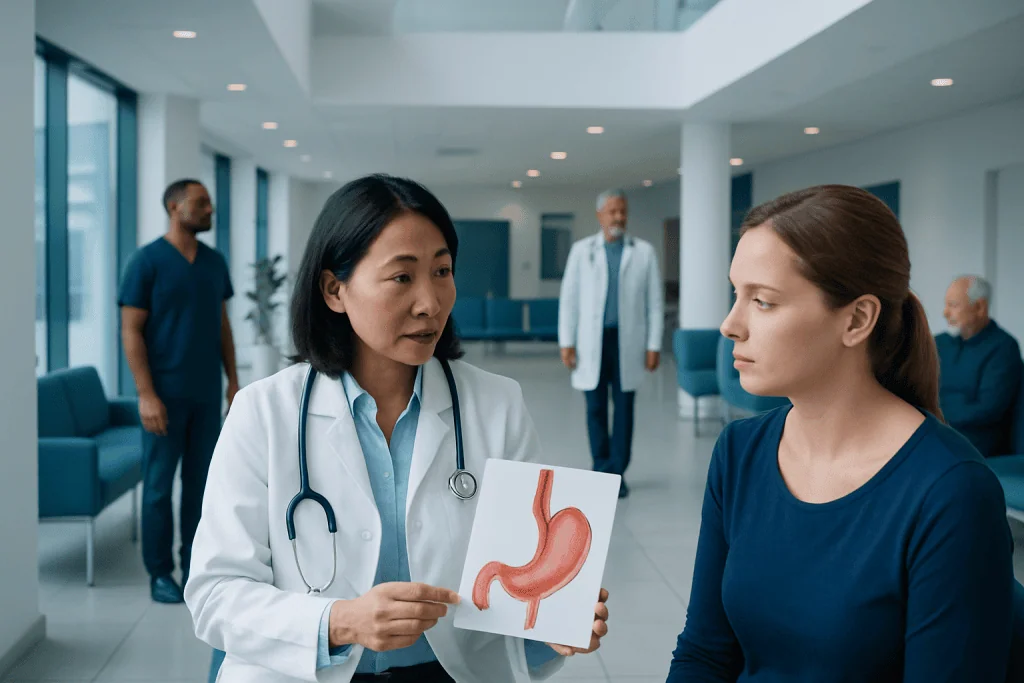
Achalasia is a swallowing disorder in which the esophagus has trouble moving food into the stomach. Diagnosis usually requires more than one test because symptoms can overlap with reflux, narrowing, or other esophageal conditions.
Key Takeaways
- Achalasia is a swallowing disorder in which the esophagus has trouble moving food into the stomach.
- Diagnosis usually requires more than one test because symptoms can overlap with reflux, narrowing, or other esophageal conditions.
- Esophageal manometry is the main test used to confirm achalasia.
- Barium swallow and upper endoscopy help show how the esophagus works and rule out other causes.
- Early diagnosis can help reduce weight loss, regurgitation, and complications from long-term food retention.
Achalasia diagnosis focuses on finding out why swallowing becomes difficult and why food or liquid may seem to stick in the chest. Doctors usually confirm it with a combination of symptom review, esophageal manometry, barium swallow imaging, and endoscopy.
Overview of achalasia and why diagnosis matters
Achalasia is a rare swallowing disorder that affects the esophagus, the tube that carries food from the mouth to the stomach. In achalasia, the muscles of the esophagus do not move food downward normally, and the lower esophageal sphincter, a valve at the bottom of the esophagus, does not relax as it should. As a result, food and liquid can collect in the esophagus instead of passing easily into the stomach.
Because achalasia often develops gradually, people may first think they simply need to eat more slowly or drink extra water with meals. Over time, however, swallowing problems may become more noticeable. Some people also develop regurgitation of undigested food, chest discomfort, coughing at night, or unexplained weight loss. These symptoms can look similar to more common digestive problems such as esophagitis, hiatal hernia, or achalasia-related changes that require specialist evaluation.
Accurate diagnosis matters because treatment depends on confirming the exact cause of swallowing difficulty. A person with reflux, a narrowing of the esophagus, or a tumor may need a very different approach than a person with achalasia. Careful testing helps doctors identify the problem, classify the type of achalasia, and choose the most suitable treatment plan.
Symptoms that may lead to achalasia testing
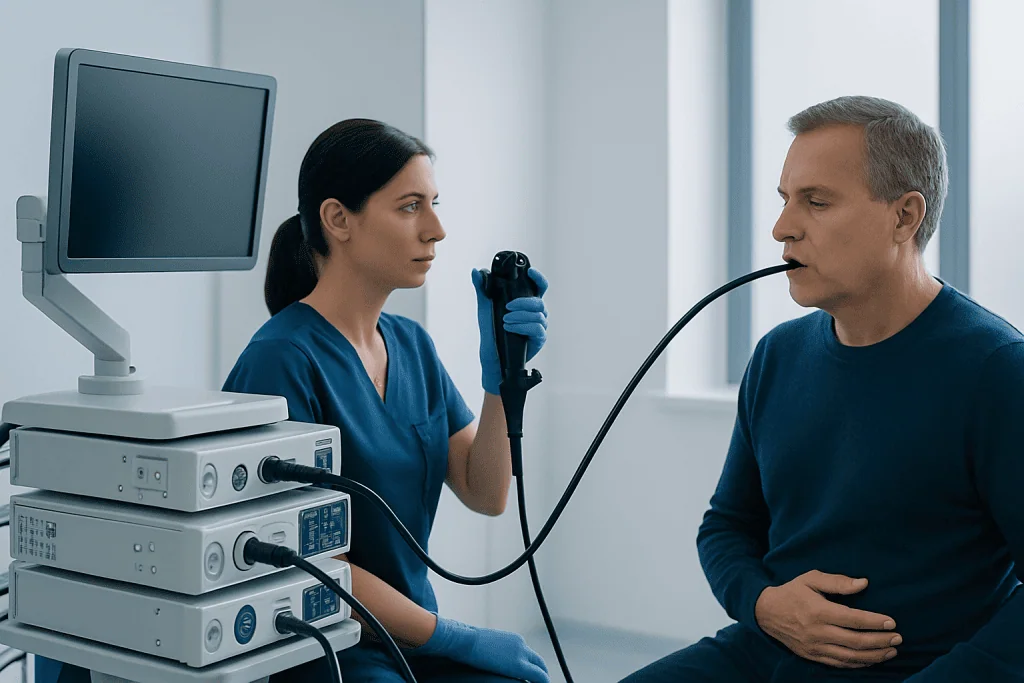
The most common symptom that prompts testing is dysphagia, or trouble swallowing. This often begins with solid foods and may later involve liquids as well. Many people describe a feeling that food is sticking in the chest after swallowing, or that meals take much longer than before.
Other symptoms can include regurgitation of food or saliva, heartburn-like discomfort, chest pain, coughing during the night, bad breath, and gradual weight loss. Regurgitation is different from vomiting: it is often passive and may happen when lying down or bending forward. This can raise the risk of choking or inhaling food into the lungs.
Doctors usually recommend testing when symptoms are persistent, progressive, or associated with poor nutrition, repeated chest discomfort, or nighttime coughing. Since achalasia can sometimes be confused with reflux disease or other esophageal conditions, testing is important even when symptoms seem familiar.
- Trouble swallowing solids or liquids
- Food coming back up after eating
- Unexplained chest discomfort after meals
- Weight loss or poor appetite
- Frequent coughing, choking, or recurrent chest infections
How doctors begin the evaluation

Diagnosis starts with a detailed medical history and physical examination. The doctor asks when symptoms began, whether they affect solids, liquids, or both, and whether they are getting worse over time. It is also helpful to know about weight loss, regurgitation, reflux symptoms, prior esophageal disease, and any neurological or autoimmune conditions.
Although a physical exam cannot diagnose achalasia by itself, it helps assess overall health and possible complications. For example, signs of dehydration, poor nutrition, or lung irritation from aspiration may guide how urgently testing should be arranged. In some cases, blood tests may also be used to check nutritional status or rule out other health problems, though blood work does not confirm achalasia.
At this stage, doctors also think about other causes of swallowing problems. These may include inflammation, scarring, tumors, motility disorders, or changes related to Barrett’s esophagus. Because symptoms can overlap, most patients need a combination of tests rather than relying on just one exam.
Main tests used to confirm achalasia
The most important test for confirming achalasia is esophageal manometry. During this test, a thin flexible tube is passed through the nose into the esophagus. The tube measures muscle contractions and how well the lower esophageal sphincter relaxes during swallowing. Manometry can show the classic pattern of achalasia and can also help identify its subtype, which may influence treatment decisions.
Another key test is a barium swallow, also called an esophagram. The patient drinks a liquid containing barium, which coats the esophagus and shows up on X-rays. This allows the doctor to see whether the esophagus is widened, whether food and fluid empty slowly, and whether there is the typical narrowing near the lower end of the esophagus. In some centers, a timed barium swallow is used to measure how much barium remains in the esophagus after a set period.
Upper endoscopy is also commonly performed. A flexible camera is passed through the mouth to examine the inside of the esophagus, stomach, and upper small intestine. Endoscopy may not diagnose the motility problem directly, but it is very useful for ruling out other causes of swallowing difficulty, such as inflammation, strictures, or growths. It can also identify retained food in the esophagus, which may support the diagnosis.
Together, these tests provide complementary information. Manometry shows how the esophagus functions, barium imaging shows how it empties, and endoscopy shows the structure and lining of the upper digestive tract. In many patients, this combination is the clearest way to confirm achalasia and exclude look-alike conditions.
What to expect during achalasia testing
Many people feel anxious before swallowing tests, but these evaluations are usually well tolerated. For a barium swallow, the patient drinks the contrast liquid and stands or lies in different positions while X-ray images are taken. The test is noninvasive and usually finished quickly, though the barium may cause temporary constipation or pale stools afterward.
Esophageal manometry can feel unusual because the catheter passes through the nose and throat, but the procedure is generally brief. A local numbing medicine may be used in the nose. During the test, the patient swallows small sips of water while the machine records pressure patterns. Most people can go home shortly afterward and resume normal activities.
Upper endoscopy often requires fasting beforehand. Depending on the setting, sedation may be offered to improve comfort. Because food can remain in the esophagus in achalasia, careful preparation instructions are important to reduce the risk of aspiration. The doctor will explain when to stop eating and drinking and whether any medications need adjustment before the procedure.
Specialists in neurogastroenterology often coordinate these tests when a motility disorder is suspected. When needed, additional imaging or evaluation may be arranged if the findings suggest another condition rather than primary achalasia.
How diagnosis guides treatment choices
Once achalasia is confirmed, treatment aims to help food pass more easily into the stomach by reducing resistance at the lower esophageal sphincter. The best option depends on symptom severity, the achalasia subtype, age, general health, and local expertise. Diagnosis is therefore not just about naming the condition; it helps shape the treatment plan.
Common treatment approaches include pneumatic dilation, botulinum toxin injection in selected patients, laparoscopic Heller myotomy, and peroral endoscopic myotomy. The right choice is individualized. Some people benefit most from endoscopic therapy, while others are better suited to surgery or another intervention. A confirmed diagnosis through manometry and related tests helps avoid unnecessary or ineffective treatment.
Patients may also need evaluation for related concerns such as reflux after treatment or long-standing dilation of the esophagus. People diagnosed with achalasia can learn more about achalasia treatment options as part of a wider care discussion with their specialist. In complex cases, treatment planning may involve gastroenterologists, surgeons, radiologists, and nutrition professionals working together.
Near the end of the care pathway, some international patients seek assessment at centers with multidisciplinary digestive disease expertise. Acibadem International’s multidisciplinary specialists in JCI-accredited hospitals diagnose and treat achalasia for international patients when advanced testing and coordinated care are needed.
Self-care, monitoring, and when to see a doctor
Self-care cannot diagnose or cure achalasia, but some habits may make symptoms easier to manage while waiting for evaluation. Eating slowly, chewing thoroughly, drinking water with meals, and remaining upright after eating may help reduce discomfort. Some people also find that smaller, more frequent meals are easier to tolerate than large meals.
It is important not to ignore persistent swallowing problems. Difficulty swallowing is not always caused by achalasia, and delayed diagnosis can lead to malnutrition, food retention, or aspiration into the lungs. Ongoing symptoms deserve medical attention, especially when they are getting worse over time.
A doctor should be consulted promptly if swallowing difficulty is persistent, if weight loss is unexplained, or if there is repeated regurgitation, choking, or nighttime coughing. Urgent care is needed for severe chest pain, inability to swallow liquids, or signs of dehydration. Early testing helps clarify whether symptoms are due to achalasia or another condition that may also require treatment, such as Barrett esophagus or an obstructive lesion.
Frequently asked questions
What is the best test for achalasia diagnosis?
Esophageal manometry is considered the main test for confirming achalasia. It measures how the esophagus contracts and whether the lower esophageal sphincter relaxes properly during swallowing.
Can an endoscopy alone diagnose achalasia?
Endoscopy can strongly suggest achalasia, especially if food remains in the esophagus or the lower esophagus looks tight. However, it usually cannot confirm the motility pattern by itself, so manometry is typically needed.
Why is a barium swallow used if manometry is more specific?
A barium swallow shows how the esophagus empties and whether it has become widened or narrowed. It adds useful structural and functional information and can support the diagnosis while helping rule out other causes of swallowing problems.
Can achalasia be mistaken for acid reflux?
Yes. Early achalasia can feel similar to reflux because both may cause chest discomfort, regurgitation, or trouble after meals. When symptoms persist despite reflux treatment, doctors may investigate for achalasia or another esophageal disorder.
Is achalasia diagnosis painful?
Most tests are not painful, though some can feel uncomfortable. Manometry may cause temporary gagging or nasal irritation, and endoscopy may require fasting and sedation, but these procedures are commonly performed safely.
How long does it take to diagnose achalasia?
The timeline varies depending on symptoms, access to testing, and whether more than one specialist is involved. In many cases, diagnosis requires several appointments because doctors often combine symptom review, endoscopy, imaging, and manometry.
References
- National Institute of Diabetes and Digestive and Kidney Diseases
- American College of Gastroenterology
- National Institute for Health and Care Excellence
- American Society for Gastrointestinal Endoscopy
This article is for general information only and is not a substitute for professional medical advice. Please consult a qualified doctor about your individual situation.
Achalasia in Turkey — costs, top hospitals & a free quote
JCI-accredited · board-certified surgeons · reply within 24h
Add us as a Preferred Source to see more of our trusted health content across Google Search, AI Overviews and Discover.

Gastroenterology
Diagnosis and treatment of the digestive system and liver, with advanced endoscopy.
46 specialists in this unit