Acls Treatment: How It Works, Results and What to Expect
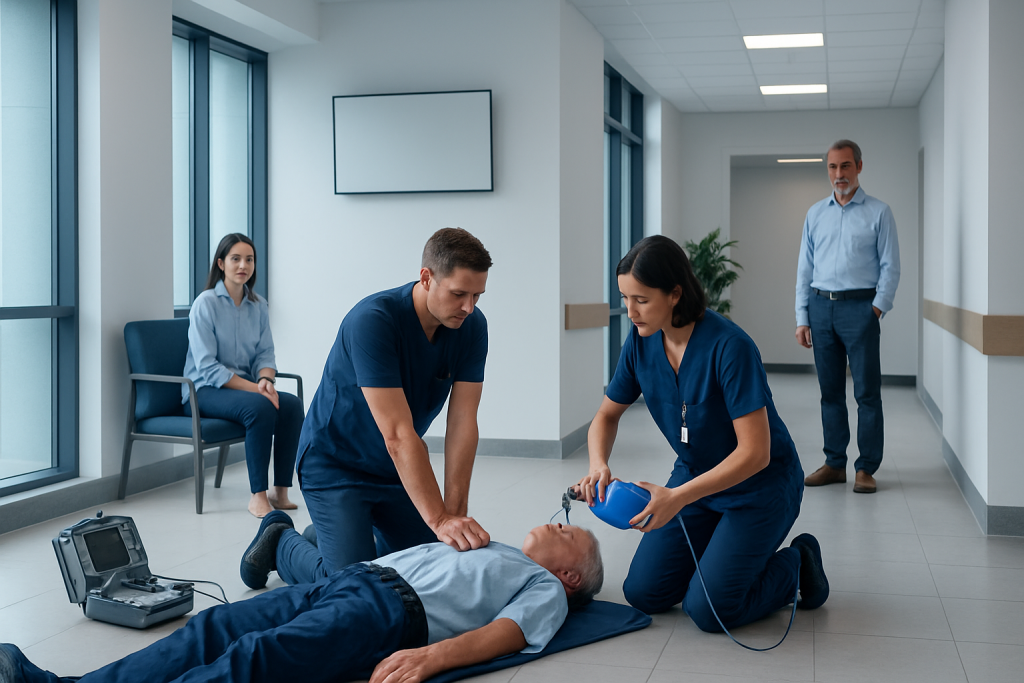
ACLS is delivered by trained emergency and hospital teams, not as a routine outpatient procedure. Immediate high-quality CPR and early defibrillation are central to survival from certain cardiac arrests.
Key Takeaways
- ACLS is delivered by trained emergency and hospital teams, not as a routine outpatient procedure.
- Immediate high-quality CPR and early defibrillation are central to survival from certain cardiac arrests.
- The ACLS protocol is adapted to the person's heart rhythm, breathing, clinical condition and likely cause of deterioration.
- Care continues after circulation returns, with monitoring and treatment of the underlying cause.
- Chest pain, severe breathlessness, fainting or signs of stroke require urgent emergency assessment.
ACLS treatment, or Advanced Cardiovascular Life Support, is an emergency care framework used by trained healthcare professionals for cardiac arrest, dangerous heart rhythms, stroke-related emergencies and other critical cardiovascular events. It combines high-quality CPR, heart-rhythm assessment, defibrillation when needed, medications, airway support and rapid treatment of reversible causes.
ACLS Treatment: How It Works
ACLS treatment stands for Advanced Cardiovascular Life Support. It is a structured approach used by doctors, nurses, paramedics and other appropriately trained clinicians when a person has cardiac arrest, a dangerous abnormal heart rhythm, severe slow heart rate, unstable fast heart rate or another life-threatening cardiovascular emergency. Its purpose is to restore and support circulation and breathing while identifying and treating the cause of the emergency.
ACLS builds on basic life support. Basic life support includes calling emergency services, starting chest compressions, providing rescue breaths when trained and using an automated external defibrillator (AED) if available. ACLS adds advanced rhythm interpretation, manual defibrillation, medications, intravenous or intraosseous access, airway management and coordinated team-based decisions.
It is important to understand that ACLS is not a single medicine or a planned treatment that a person books in advance. It is an urgent clinical protocol. The exact actions depend on whether the heart is in a shockable rhythm, whether a pulse is present, how stable the person is and what may have triggered the event.
Who May Need ACLS Treatment?
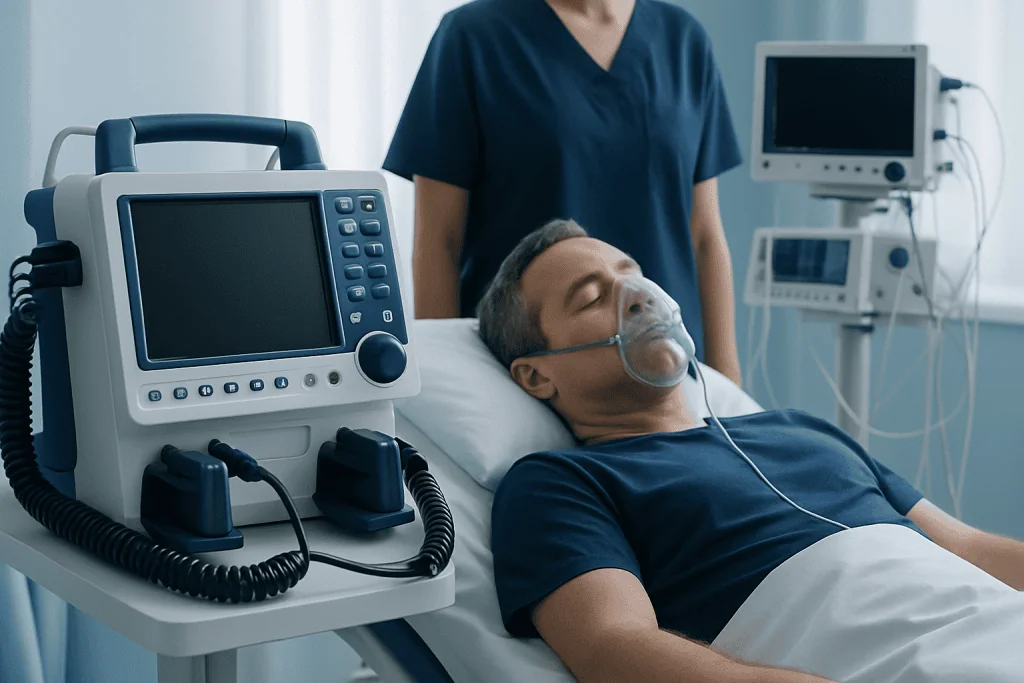
ACLS may be needed in hospital, an ambulance, an emergency department, an operating room or another clinical setting when a person becomes critically unwell. Common situations include cardiac arrest, ventricular fibrillation, pulseless ventricular tachycardia, severe bradycardia, unstable tachycardia and respiratory arrest. The team also considers conditions such as heart attack, pulmonary embolism, severe infection, major bleeding, drug toxicity or electrolyte imbalance.
A person is considered unstable when an abnormal rhythm is causing low blood pressure, altered consciousness, shock, ischemic chest discomfort, acute heart failure or severe breathing difficulty. In these circumstances, clinicians act quickly because the heart and brain need a reliable supply of oxygenated blood.
Some people have known underlying heart conditions, but emergencies can also occur unexpectedly. Assessment after stabilization may identify issues such as coronary artery disease, structural heart disease, inherited rhythm disorders or non-cardiac causes. ACLS is therefore only one part of care; longer-term prevention depends on finding and managing the underlying problem.
What Are the Steps of the ACLS Protocol?

The steps of the ACLS protocol begin with rapid recognition of an emergency, activation of the emergency response system and immediate basic life support. For cardiac arrest, the team checks responsiveness, breathing and pulse, begins high-quality CPR, attaches a monitor or defibrillator and identifies the heart rhythm as quickly as possible.
If the rhythm is shockable, such as ventricular fibrillation or pulseless ventricular tachycardia, the priority is prompt defibrillation followed immediately by CPR. The team reassesses the rhythm at set intervals, gives appropriate medications according to the protocol and searches for reversible causes. If the rhythm is not shockable, such as asystole or pulseless electrical activity, CPR, medication and investigation of the cause are the main priorities rather than defibrillation.
For a person who has a pulse but is unstable, the pathway differs. Clinicians assess the rate and rhythm, oxygenation, blood pressure, symptoms and possible causes. Treatment may involve electrical cardioversion for certain fast rhythms, pacing for serious slow rhythms, carefully selected medications, airway support or treatment of a related condition such as a heart attack.
- Recognize the emergency and call for expert help.
- Start high-quality CPR and use a defibrillator or cardiac monitor.
- Identify whether the rhythm is shockable, non-shockable, too slow or too fast.
- Provide rhythm-specific treatment, medications and airway support as indicated.
- Look for reversible causes and provide post-resuscitation care if circulation returns.
What Are the 5 T's in ACLS?
The “5 T’s” are a practical memory aid for several reversible causes of cardiac arrest, especially pulseless electrical activity and asystole. Depending on the guideline version and teaching setting, the list is often expanded; clinicians commonly refer to the “Hs and Ts.” The T causes are tension pneumothorax, cardiac tamponade, toxins, pulmonary thrombosis and coronary thrombosis.
Tension pneumothorax is trapped air around a lung that can severely impair breathing and circulation. Cardiac tamponade is pressure from fluid around the heart that prevents it from filling properly. Toxins include harmful effects from medicines, recreational drugs or other exposures. Pulmonary thrombosis usually refers to a major blood clot in the lungs, while coronary thrombosis refers to a clot blocking blood flow to the heart muscle.
These causes require specific treatment in addition to CPR and rhythm management. For example, clinicians may need to relieve pressure around a lung or heart, treat poisoning, address a blood clot or restore blood flow in a blocked coronary artery. The goal is to correct the problem that is preventing effective circulation.
How Long Does ACLS Actually Take?
ACLS does not have one fixed duration. In cardiac arrest, the team works in repeated, highly organized cycles of CPR and rhythm assessment, generally reassessing at regular short intervals. Defibrillation, medications and other interventions are given according to the rhythm and the person’s response.
Some emergencies are stabilized within minutes, while others require longer resuscitation and intensive care. The duration depends on factors such as how quickly the collapse was recognized, whether CPR began immediately, the initial heart rhythm, the underlying cause, the person’s health before the event and whether circulation returns.
When spontaneous circulation returns, care continues rather than ending. The person usually needs close monitoring, oxygen and ventilation support if necessary, temperature and blood-pressure management, laboratory testing, heart imaging and treatment of the cause. For suspected blocked coronary arteries, urgent coronary angiography may be considered to assess blood flow to the heart.
What Are the Three Signs of Clinical Deterioration (ACLS)?
There is no single universal ACLS list limited to three signs of clinical deterioration. However, three especially important warning patterns are worsening consciousness, worsening breathing and worsening circulation. These changes can indicate that the brain, lungs or heart are not receiving enough oxygen or blood flow.
Worsening consciousness may include new confusion, unusual drowsiness, agitation, fainting or inability to respond normally. Breathing deterioration may include severe shortness of breath, a very fast or slow breathing rate, bluish lips, inability to speak full sentences or a falling oxygen level when measured. Circulatory deterioration can include very low blood pressure, cold or clammy skin, weak pulses, new chest discomfort, poor urine output or signs of shock.
Clinicians also pay close attention to abnormal heart rate or rhythm, new severe pain and sudden changes from a person’s usual condition. Early recognition gives the care team time to assess the cause and intervene before cardiac or respiratory arrest occurs.
Benefits, Risks and Recovery After ACLS
The main benefit of ACLS is that it gives trained teams an evidence-based, coordinated way to respond to time-critical cardiovascular emergencies. High-quality CPR and early defibrillation can restore a viable rhythm in some types of cardiac arrest, while systematic assessment helps clinicians identify treatable causes. For unstable rhythms with a pulse, prompt treatment may prevent progression to cardiac arrest.
Because ACLS is performed during a serious emergency, risks are related both to the illness itself and to necessary life-saving interventions. Chest compressions can cause rib or breastbone injuries, and defibrillation or medications can affect heart rhythm and blood pressure. Airway procedures may cause irritation or injury, while invasive lines carry risks such as bleeding or infection. The clinical team weighs these risks against the immediate need to restore circulation and breathing.
Recovery varies widely. Some people recover quickly after a reversible rhythm problem, while others need intensive care, rehabilitation and follow-up with cardiology, neurology or other specialists. Investigation may include ECG testing, echocardiography, blood tests, rhythm monitoring and evaluation for cardiac rehabilitation when appropriate. Acibadem International’s multidisciplinary specialists and JCI-accredited hospitals provide emergency, cardiac and rehabilitation care for international patients.
When to Seek Medical Care
Emergency medical care is needed immediately for collapse, unresponsiveness, no normal breathing, severe chest pressure, sudden severe breathlessness, fainting, a very rapid or irregular heartbeat with weakness, or signs of stroke such as facial drooping, arm weakness or speech difficulty. Call local emergency services rather than driving the person to hospital. If the person is unresponsive and not breathing normally, begin CPR if able and use an AED as soon as it is available.
People should also arrange prompt medical assessment for recurring palpitations, unexplained fainting, new exercise intolerance, persistent chest discomfort or breathlessness. These symptoms do not always indicate a dangerous condition, but they should be evaluated, particularly in people with heart disease, diabetes, high blood pressure or a family history of sudden cardiac death.
After any cardiac event or resuscitation, follow-up is essential. A clinician can explain the likely cause, review medicines, discuss activity and recovery, and advise whether further rhythm testing, heart treatment or rehabilitation is needed.
Frequently asked questions
Is ACLS treatment the same as CPR?
No. CPR is a core part of basic life support and is started immediately when a person is in cardiac arrest. ACLS includes CPR but also adds advanced rhythm assessment, defibrillation, medications, airway management and treatment of reversible causes by trained clinicians.
Can anyone perform ACLS?
ACLS should be performed by healthcare professionals who have appropriate training, equipment and authority to provide advanced emergency care. Bystanders should call emergency services, begin CPR when needed and use an AED if one is available and they can do so safely.
Does ACLS always involve defibrillation?
No. Defibrillation is used for specific shockable rhythms, mainly ventricular fibrillation and pulseless ventricular tachycardia. It is not used for every form of cardiac arrest, such as asystole or pulseless electrical activity.
What happens after a pulse returns during ACLS?
The team begins post-cardiac-arrest care. This includes supporting breathing and blood pressure, monitoring heart rhythm, checking for the cause of the arrest and assessing the brain, heart and other organs. Further treatment depends on the suspected cause.
What are the Hs and Ts in ACLS?
The Hs and Ts are reversible causes clinicians consider during cardiac arrest. The Hs commonly include hypovolemia, hypoxia, hydrogen ion imbalance, hypo- or hyperkalemia and hypothermia, while the Ts include tension pneumothorax, tamponade, toxins, pulmonary thrombosis and coronary thrombosis.
Can a person recover fully after cardiac arrest?
Recovery is possible, but it varies significantly between individuals. It depends on the cause, how quickly CPR and defibrillation were provided, the duration of reduced blood flow and the person's overall health. Ongoing medical assessment and rehabilitation can support recovery.
References
- American Heart Association
- European Resuscitation Council
- International Liaison Committee on Resuscitation
- National Heart, Lung, and Blood Institute
This article is for general information only and is not a substitute for professional medical advice. Please consult a qualified doctor about your individual situation.
Heart care in Turkey — expert evaluation and treatment
JCI-accredited · board-certified surgeons · reply within 24h
Add us as a Preferred Source to see more of our trusted health content across Google Search, AI Overviews and Discover.
Check your numbers in seconds
BMI, calories, due date, blood pressure and 30+ more clinical calculators — free, instant, doctor-reviewed ranges.