

Acne Scar Treatment: How to Prepare for Your First Consultation

Acne scar treatment works best when the specialist identifies the exact scar types and current skin condition. Bringing a treatment history, medication list, and photos of past flare-ups can improve the consultation.
Key Takeaways
- Acne scar treatment works best when the specialist identifies the exact scar types and current skin condition.
- Bringing a treatment history, medication list, and photos of past flare-ups can improve the consultation.
- A personalized plan may involve more than one procedure and more than one session.
- Questions about downtime, side effects, cost, and expected results are important to ask at the first visit.
- Active acne, skin tone, tendency to pigment, and history of thick scars can affect treatment choice.
A first consultation for acne scar treatment helps identify the scar types present, assess skin health, and match treatment options to personal goals and recovery preferences. Good preparation can make the visit more productive and help patients leave with a clear, realistic plan.
Overview: What the First Consultation Is For
A first consultation for acne scar treatment is designed to answer one main question: which approach is most suitable for the person’s skin and scar pattern. Acne scars are not all the same, and different types often appear together on the same face, chest, or back. Because of this, treatment planning usually starts with careful examination rather than choosing a procedure immediately.
During the visit, the specialist typically reviews the person’s acne history, past treatments, skin sensitivity, and overall health. This helps show whether the skin is ready for treatment or whether active breakouts, irritation, or another skin issue should be managed first. In many cases, controlling ongoing acne is just as important as improving existing scars.
The consultation is also the right time to talk about goals. Some people want the smoothest possible skin texture, while others want softer shadows, less redness, or a result with minimal downtime. A realistic discussion about what can improve, what may remain, and how many sessions might be needed helps set clear expectations from the start.
Many patients benefit from learning that acne scar treatment is often a process rather than a single event. Treatments may be staged over time and combined for better results. A specialist may explain options such as acne scarring treatment plans that are tailored to scar type, skin tone, and healing response.
Understanding Acne Scar Types Before the Visit
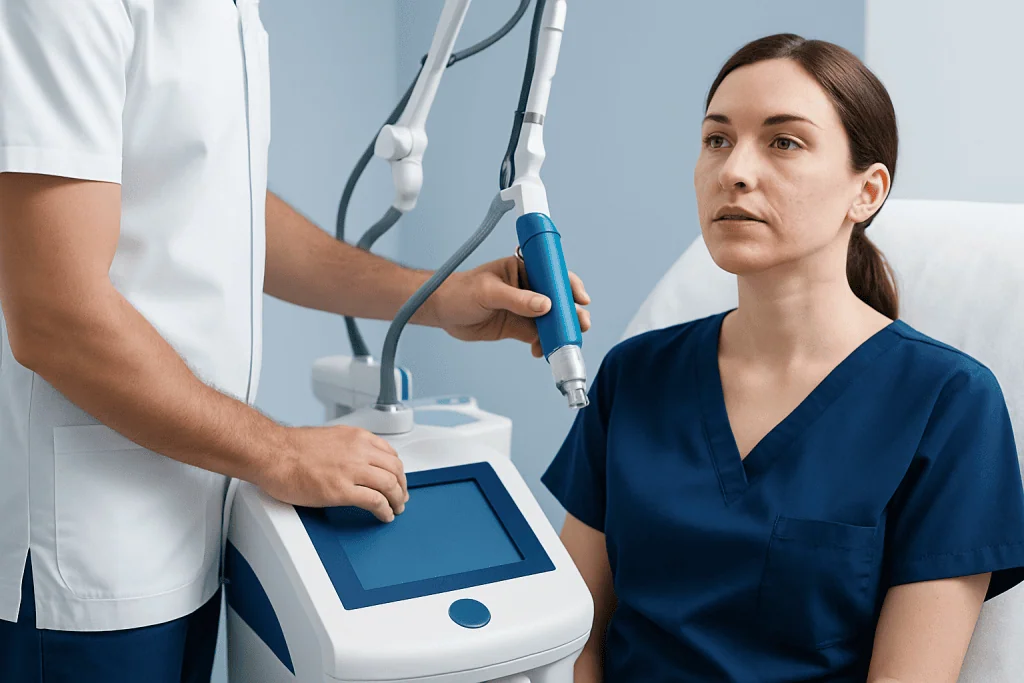
Knowing a little about scar types can make the consultation easier to follow. Atrophic scars, which sit below the surface of the skin, are the most common after acne. These include ice pick scars, which are narrow and deep; boxcar scars, which have more defined edges; and rolling scars, which create uneven waves or shadows in the skin.
Some people also have discoloration from past acne. This may look like red, pink, brown, or gray marks that remain after inflammation settles. While these marks are often discussed together with scars, they are not always true scars. The specialist will usually explain the difference because texture changes and color changes are treated differently.
Less commonly, acne can lead to raised or thickened scars. These may be hypertrophic scars or keloid scars, especially in people who are prone to over-healing. Raised scars often need a different approach from depressed scars, and this is one reason self-diagnosis can be misleading.
By understanding the main scar categories, patients can better understand why one treatment may help one area but not another. A person with rolling scars and post-inflammatory pigment changes may need a different strategy than someone with deep ice pick scars or raised lesions on the chest or jawline.
How to Prepare for Your First Consultation

Preparation can make the appointment more focused and useful. It helps to bring a simple written history of acne treatments, including prescription creams, oral medications, peels, lasers, microneedling, fillers, or home devices. If a treatment caused irritation, darkening, poor healing, or little benefit, that information is especially important.
Patients should also bring a current medication and supplement list. Some medicines can affect healing, bleeding, sensitivity to light, or the timing of procedures. It is also important to mention pregnancy, breastfeeding, recent isotretinoin use, a history of cold sores, or any tendency toward thick scars or abnormal wound healing.
Before the consultation, it is often best to avoid heavy makeup if possible so the skin can be examined clearly. If makeup is worn, the clinic may ask to remove it during the visit. Recent sun exposure, tanning, harsh scrubs, or unapproved at-home peels can irritate the skin and make assessment more difficult, so gentle skin care in the days before the appointment is usually wise.
Photos can also be helpful. Some patients bring older pictures showing acne severity or earlier scarring. A short list of goals and questions can keep the discussion practical. Examples include asking about the likely number of sessions, how much downtime to expect, whether redness or pigmentation is likely, and how treatment fits into a broader cosmetic aesthetic surgery or skin-rejuvenation plan if relevant.
What Happens During the Consultation
The appointment usually begins with a conversation about the person’s concerns, medical history, and what changes matter most to them. Some people are most bothered by texture under overhead lighting, while others notice scars more in photographs or after makeup settles into the skin. This kind of detail helps the specialist understand both the physical findings and the emotional impact.
Next comes the skin examination. The specialist may assess scar depth, distribution, active acne, oiliness, enlarged pores, redness, pigmentation, and skin sensitivity. They may also check whether facial volume loss, skin laxity, or scars from other causes are contributing to the appearance. In some cases, previous injuries such as facial trauma may also affect texture and treatment planning.
The specialist may take standardized photographs to track progress over time. This is common and useful because acne scar improvement often happens gradually over multiple sessions. Photos help compare results under the same lighting and angles, which is more reliable than memory alone.
At the end of the assessment, the doctor usually explains which procedures may help and why. The plan may include one technique or a combination of methods, depending on whether the scars are deep, tethered, pigmented, or raised. The consultation should leave the patient with a clear understanding of the options, possible side effects, expected timeline, and whether active acne needs treatment first.
Questions to Ask About Treatment Options
Acne scar treatment is highly individualized, so asking the right questions can help patients compare options thoughtfully. It is useful to ask which scar types are present and which treatments are most likely to help each one. Some procedures target deep tethered scars, while others improve surface texture, pigment, or overall skin quality.
Patients may also want to ask how many sessions are commonly needed, how much recovery time to expect, and when results usually become visible. Improvement is often gradual because the skin needs time to heal and remodel. Knowing this in advance can help patients plan work, travel, social events, and expectations.
Possible questions include:
- What kind of scars are present, and which are hardest to treat?
- Do I need to control active acne before starting scar procedures?
- What side effects are possible for my skin tone and sensitivity?
- How much downtime, redness, swelling, or peeling should I expect?
- Will I likely need combination treatment over several visits?
- How should I care for my skin before and after each session?
It can also help to ask whether the proposed treatment addresses texture, discoloration, or both. In some clinics, scar revision may be combined with adjunctive methods such as peels, energy-based procedures, or carefully selected volume correction in areas where contour loss contributes to the appearance. For some patients, broader facial harmony considerations may come up, such as cheek augmentation in select cases, but this is separate from treating acne scars themselves and is not necessary for most people.
Factors That Influence the Best Treatment Plan
Several factors shape the treatment plan beyond scar type alone. Skin tone is especially important because some procedures carry a higher risk of temporary or longer-lasting pigment changes in deeper skin tones. A careful specialist will consider this when recommending lasers, peels, needling, subcision, or resurfacing methods.
Active acne is another major factor. If breakouts are ongoing, creating a scar plan without controlling inflammation first may lead to disappointing results because new scars can continue to form. The doctor may recommend treating acne and calming the skin before beginning more intensive scar procedures.
Personal healing patterns also matter. A history of thick raised scars, poor wound healing, frequent cold sores, or certain medical conditions may change which procedures are safest. If someone has raised scars from acne, surgery, or other causes such as burns, the doctor may use more caution with aggressive treatments and may favor a staged approach.
Lifestyle and preferences are equally important. Some people prefer minimal downtime even if improvement is slower and more gradual. Others are willing to accept a longer recovery period for a potentially stronger result. A good consultation balances medical suitability with the patient’s schedule, budget, comfort level, and long-term goals.
After the Consultation: Planning Next Steps and Self-Care
After the first visit, patients usually receive a proposed plan that may include preparation steps before the first procedure. These can involve sun protection, gentle cleansing, moisturization, acne control, or temporarily stopping certain irritating products. Following these instructions matters because healthier, calmer skin tends to tolerate procedures better.
It is common for acne scar treatment to involve multiple sessions spaced over weeks or months. The skin needs time to recover and remodel between treatments. Patients should expect gradual change rather than immediate perfection, and it can help to think in terms of meaningful improvement instead of complete removal.
Daily self-care remains important throughout the process. Consistent sunscreen use helps reduce unwanted pigment changes and protects healing skin. Avoiding picking, squeezing, and overly aggressive home treatments can prevent new marks and support a safer recovery. If new acne appears during treatment, it should be discussed promptly so the overall plan can be adjusted.
For patients seeking expert evaluation, Acibadem International’s multidisciplinary specialists in JCI-accredited hospitals diagnose and treat acne scars for international patients, with plans tailored to skin type, scar pattern, and recovery needs. A consultation is the best place to review whether office-based procedures, combined scar revision, or a broader body aesthetics approach is appropriate for the person’s concerns.
Frequently asked questions
How should someone prepare for an acne scar treatment consultation?
It helps to bring a list of past acne and scar treatments, current medications, and any skin reactions experienced before. Patients should also be ready to discuss their goals, lifestyle, and how much downtime they can accept.
Will one treatment remove acne scars completely?
Most acne scar treatments improve scars rather than erase them completely. Many people need a combination of procedures and several sessions to achieve the best possible result.
Why does the doctor need to know the exact scar type?
Different scar types respond to different treatments, so identifying them is essential for a safe and effective plan. A treatment that helps rolling scars may not work well for ice pick scars or raised scars.
Can acne scar treatment start if active acne is still present?
Sometimes it can, but active acne often needs to be controlled first or at the same time. Ongoing breakouts can create new scars and reduce the benefit of scar-focused procedures.
What questions are most important to ask at the first visit?
Patients should ask which scar types they have, what treatment options are suitable, how many sessions may be needed, and what side effects or downtime to expect. It is also wise to ask how results are measured and how to care for the skin afterward.
Does skin tone affect acne scar treatment choices?
Yes, skin tone can influence the risk of temporary or lasting pigment changes after certain procedures. An experienced specialist considers this carefully when selecting the safest and most appropriate options.
References
- American Academy of Dermatology
- British Association of Dermatologists
- National Health Service
- Mayo Clinic
- American Society for Dermatologic Surgery
This article is for general information only and is not a substitute for professional medical advice. Please consult a qualified doctor about your individual situation.
Scar Treatment in Turkey — costs, top hospitals & a free quote
JCI-accredited · board-certified surgeons · reply within 24h
Add us as a Preferred Source to see more of our trusted health content across Google Search, AI Overviews and Discover.

Related Treatments
Related Conditions
More from the Health Library



Related Specialists
Assoc. Prof. Dr. Erdem Güven (m)
Aesthetic Plastic & Reconstructive Surgery
Prof. Dr. Şükrü Yazar
Aesthetic Plastic & Reconstructive Surgery
Prof. Dr. Hakan Ağır
Aesthetic Plastic & Reconstructive Surgery
Prof. Dr. Bülent Saçak
Aesthetic Plastic & Reconstructive Surgery