

Aesthetic Genital Surgery: What to Expect Before and After

Aesthetic genital surgery may be performed for comfort, function, appearance, or a combination of reasons. A thorough consultation helps clarify goals, expected results, recovery time, and possible risks.
Key Takeaways
- Aesthetic genital surgery may be performed for comfort, function, appearance, or a combination of reasons.
- A thorough consultation helps clarify goals, expected results, recovery time, and possible risks.
- Most procedures are planned surgeries that require careful hygiene, temporary activity restrictions, and follow-up care.
- Recovery is individual, but swelling, mild discomfort, and gradual healing are common in the first weeks.
- Choosing a qualified plastic surgeon or gynecologic specialist is an important part of safe treatment.
Aesthetic genital surgery includes procedures that reshape intimate tissues to address appearance concerns, physical discomfort, or both. Knowing what to expect before and after surgery can help patients make informed decisions and prepare for recovery with confidence.
Overview of Aesthetic Genital Surgery
Aesthetic genital surgery is a broad term for procedures that change the shape, size, or contour of the external genital area. These operations are usually requested to improve comfort during daily activities, reduce irritation with exercise or clothing, or address concerns about appearance. In some cases, surgery may also help after childbirth, aging-related tissue changes, weight fluctuations, or previous trauma.
Common procedures may involve the labia minora, labia majora, clitoral hood, mons pubis, or surrounding tissues. Labiaplasty is one of the best-known examples, but treatment plans vary widely because anatomy and goals differ from person to person. Some patients want a subtle contour change, while others are mainly seeking relief from chafing, pulling, or hygiene difficulties.
It is important to understand that there is a wide range of normal genital appearance. Surgery is not medically necessary for everyone with cosmetic concerns, and a careful discussion with a qualified surgeon can help determine whether an operation is appropriate. In many cases, education about normal anatomy is an important part of the consultation.
When surgery is chosen, it should be individualized rather than based on trends or idealized images. A specialist may also discuss the broader category of aesthetic genital surgery alongside other body contouring options such as body aesthetics when changes in nearby tissues are also relevant.
Why People Consider This Surgery
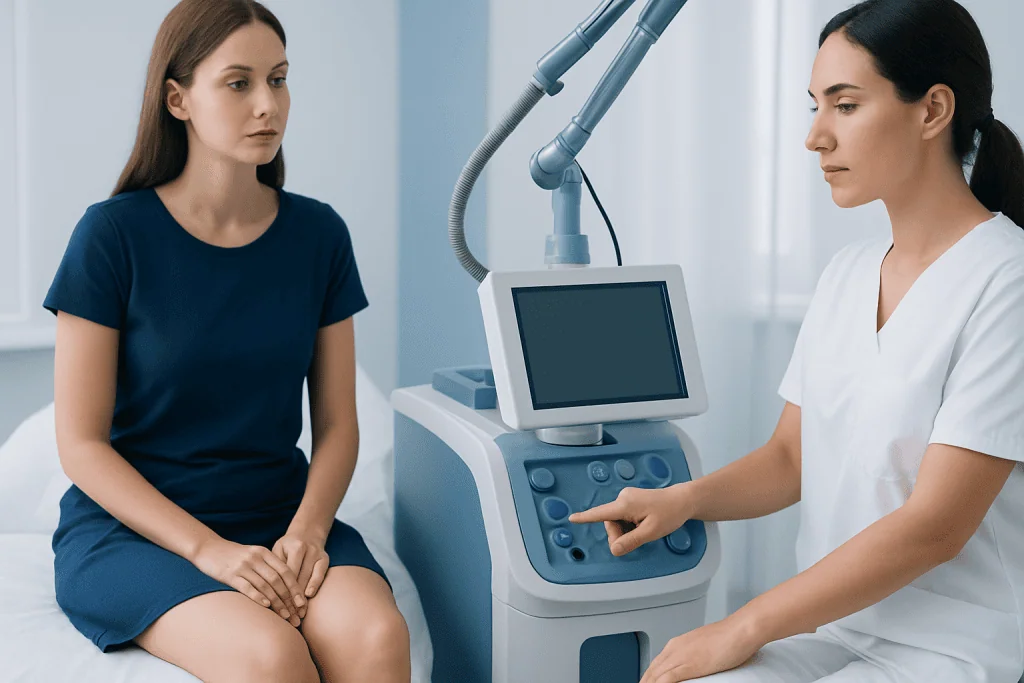
People seek aesthetic genital surgery for many reasons, and these reasons are often personal and valid. Some describe discomfort when cycling, running, or sitting for long periods. Others notice friction with tight clothing, difficulty with certain hygiene routines, or self-consciousness during intimacy.
Physical changes can develop over time. Pregnancy and childbirth may stretch tissues, hormonal changes may affect skin and volume, and aging can alter tone and elasticity. In some people, genetics also play a major role in how the genital area develops.
There are also situations where surgery overlaps with reconstructive care rather than purely cosmetic goals. Prior injury, scar formation, or tissue changes after procedures can influence function and appearance. While not the same condition, surgeons who manage scars in other parts of the body may also consider how abnormal scarring tendencies, such as keloid scars, affect healing discussions before intimate surgery.
Good candidates are usually healthy adults with realistic expectations who understand both the benefits and limitations of surgery. Specialists often encourage patients to reflect on their motivations and to avoid making decisions based solely on outside pressure or temporary dissatisfaction.
Before Surgery: Consultation, Evaluation, and Preparation

The preoperative consultation is one of the most important steps. The surgeon reviews the patient’s symptoms, medical history, medications, allergies, smoking status, past surgeries, and future pregnancy plans if relevant. A physical examination helps determine anatomy, skin quality, tissue symmetry, and whether symptoms may have another cause such as infection, dermatologic irritation, or pelvic floor issues.
During this visit, patients should ask what the surgery can realistically improve and what it cannot. The doctor explains the technique being considered, the likely scar location, anesthesia options, recovery timeline, possible complications, and the need for follow-up appointments. Photographs may be taken for planning and medical records with consent.
Preparation often includes stopping smoking, reviewing medications that may increase bleeding risk, and arranging transportation and support for the first day or two after surgery. The care team may also advise avoiding certain supplements or anti-inflammatory medicines before the procedure, depending on the patient’s health profile and the surgeon’s instructions.
Patients are usually advised to plan ahead for a quiet recovery period. This may mean preparing loose clothing, sanitary pads, gentle cleansing supplies, and time away from strenuous exercise or sexual activity. If the procedure is being combined with another operation, such as classic liposuction or breast lift surgery, the overall recovery plan may be adjusted accordingly.
How the Procedure Is Performed
The exact technique depends on the area being treated and the patient’s goals. In labiaplasty, for example, the surgeon may reduce excess tissue while trying to preserve natural contour and sensation. Some procedures focus on reducing prominence, while others address asymmetry or remove redundant skin folds that cause discomfort.
Surgery may be performed under local anesthesia with sedation or under general anesthesia, depending on the complexity of the procedure and patient preference. The surgeon marks the treatment area, removes or reshapes tissue carefully, and closes the incision with sutures that are often absorbable. The aim is to balance appearance with function while minimizing tension on the tissues.
Operation time varies. Smaller procedures may be completed relatively quickly, while combined or more complex surgeries take longer. Patients generally return home the same day unless another medical reason requires observation.
As with any operation, technique matters. The specialist works to protect blood supply, reduce unnecessary tissue removal, and support healing with precise closure. This is especially important in areas with delicate skin, swelling potential, and sensitivity.
What to Expect After Surgery
After aesthetic genital surgery, mild to moderate swelling, bruising, tenderness, and a feeling of tightness are common. Small amounts of spotting or drainage may also occur early in recovery. These changes are expected in many patients and usually improve gradually over days to weeks.
Rest, gentle hygiene, and avoiding friction are key parts of aftercare. Doctors often recommend loose underwear and clothing, careful cleaning as instructed, and temporary avoidance of activities that place pressure on the area. Ice packs may sometimes be used indirectly for comfort if approved by the care team.
Many patients are able to walk carefully within a short time, but exercise, cycling, swimming, and sexual activity are usually restricted until healing is more advanced. The surgeon provides a timeline based on the exact procedure. Returning to work depends on job demands; desk-based work may be possible earlier than physically demanding activity.
Swelling can make the final result difficult to judge at first. Early appearance is not the same as the healed outcome, and it may take weeks or longer for tissues to soften and settle. Follow-up visits are important so the surgeon can check healing, answer questions, and address any concerns promptly.
Risks, Limitations, and Possible Complications
All surgery carries some risk, even when performed carefully. With aesthetic genital surgery, potential complications may include bleeding, infection, delayed wound healing, temporary or persistent sensitivity changes, asymmetry, scar concerns, dissatisfaction with appearance, or the need for revision. Most patients do not experience serious problems, but informed consent means understanding these possibilities in advance.
Because the area is delicate and exposed to moisture and friction, following postoperative instructions matters greatly. Smoking, uncontrolled medical conditions, returning to strenuous activity too soon, or poor hygiene can increase the chance of healing problems. People prone to difficult scars should raise this during consultation.
There are also limits to what surgery can achieve. No operation can create perfect symmetry or guarantee a specific aesthetic ideal. Photographs and online images may not reflect normal variation, and expectations should focus on improvement rather than perfection.
In rare situations, symptoms may relate to another condition rather than tissue shape alone. A surgeon may recommend further evaluation if pain, skin changes, or scarring patterns suggest a dermatologic, gynecologic, or reconstructive issue that should be managed first.
Self-care, Recovery Tips, and Long-Term Results
Healing tends to go more smoothly when patients protect the area and give the body time to recover. Good hydration, balanced nutrition, avoiding smoking, and taking medicines exactly as prescribed can all support healing. It also helps to avoid pressure, rubbing, and intense movement until the surgeon says these are safe again.
Long-term results depend on the procedure, tissue quality, and life events after surgery. Aging, weight changes, hormonal shifts, and pregnancy can affect the area over time. Even so, many people report that the benefits of reduced discomfort or improved confidence continue after recovery is complete.
Emotional recovery matters too. It is normal to feel uncertain while swelling is present or healing is incomplete. Patients should contact their care team rather than judge the result too early. Clear communication before surgery often makes the postoperative period less stressful because expectations are better aligned with the healing process.
For international patients seeking specialist care, Acibadem International offers evaluation and treatment through multidisciplinary teams in JCI-accredited hospitals, including care for patients considering aesthetic and reconstructive procedures.
When to See a Doctor
A doctor should be consulted if a person is considering surgery because of persistent rubbing, pain, recurrent skin irritation, hygiene problems, or distress about the appearance of the genital area. A medical evaluation can help distinguish normal anatomy from concerns that may benefit from treatment or reassurance.
After surgery, patients should seek prompt medical advice if they develop fever, worsening pain, heavy bleeding, foul-smelling discharge, spreading redness, opening of the wound, or sudden swelling that seems unusual. These symptoms do not always mean a serious complication, but they should be assessed without delay.
It is also wise to contact the surgeon if numbness, sensitivity changes, or asymmetry remain troubling after the expected healing period. Sometimes reassurance is enough, while in other cases additional follow-up or treatment may be needed.
Anyone unsure whether symptoms are part of normal recovery should ask their care team. Early communication often helps prevent small concerns from becoming larger problems.
Frequently asked questions
What is aesthetic genital surgery?
Aesthetic genital surgery refers to procedures that reshape the external genital area for appearance, comfort, or both. It may involve the labia, clitoral hood, mons pubis, or nearby tissues, depending on the person’s anatomy and goals.
Is aesthetic genital surgery only cosmetic?
Not always. Some people seek surgery because of physical symptoms such as chafing, pulling, irritation, or discomfort with exercise and clothing. Others are mainly concerned about appearance, and many patients have a combination of reasons.
How long does recovery usually take?
Early recovery often lasts several days to a few weeks, but full settling of swelling and tissues can take longer. The exact timeline depends on the type of procedure, the person’s healing pattern, and how closely aftercare instructions are followed.
Will there be visible scars?
Any surgery that involves incisions can leave scars, but surgeons usually place and close incisions carefully to make them as discreet as possible. Over time, scars often fade, although scar healing varies from person to person.
When can normal activities and sexual activity resume?
Light daily activity is often possible fairly soon, but exercise, cycling, swimming, and sexual activity usually need to wait until healing is more complete. The surgeon gives individualized guidance based on the procedure and follow-up findings.
Can aesthetic genital surgery affect sensation?
Temporary sensitivity changes can happen during healing because tissues are swollen and nerves are recovering. Persistent changes are less common, but they are part of the risks that should be discussed in detail before surgery.
How should someone choose a surgeon for this procedure?
It is best to choose a qualified specialist with experience in genital aesthetic and reconstructive procedures. A good consultation should include a clear explanation of expected outcomes, possible risks, recovery, and whether surgery is the most appropriate option.
References
- American College of Obstetricians and Gynecologists
- American Society of Plastic Surgeons
- Royal College of Obstetricians and Gynaecologists
- National Health Service
- International Society of Aesthetic Plastic Surgery
This article is for general information only and is not a substitute for professional medical advice. Please consult a qualified doctor about your individual situation.
Aesthetic Genital Surgery in Turkey — costs, top hospitals & a free quote
JCI-accredited · board-certified surgeons · reply within 24h
Add us as a Preferred Source to see more of our trusted health content across Google Search, AI Overviews and Discover.

Gynecology & Obstetrics
Women’s health across pregnancy, gynecologic surgery and high-risk pregnancy care.
187 specialists in this unitRelated Treatments
Related Conditions
More from the Health Library



Related Specialists
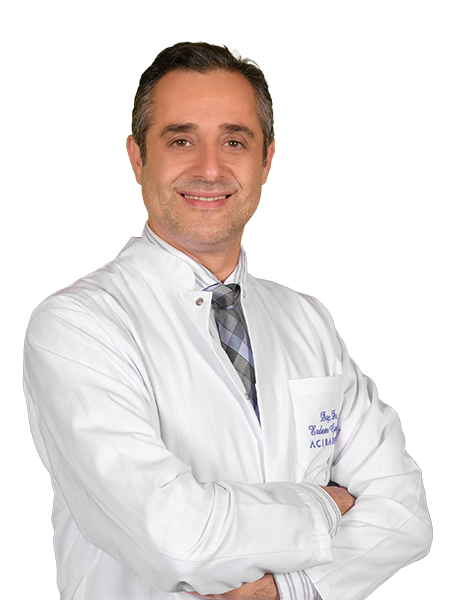
Assoc. Prof. Dr. Erdem Güven (m)
Aesthetic Plastic & Reconstructive Surgery
Prof. Dr. Şükrü Yazar
Aesthetic Plastic & Reconstructive Surgery
Prof. Dr. Hakan Ağır
Aesthetic Plastic & Reconstructive Surgery
Prof. Dr. Bülent Saçak
Aesthetic Plastic & Reconstructive Surgery