

Aesthetic Scalp Surgery: Hairline, Scalp Laxity, and Surgical Solutions

Aesthetic scalp surgery can address a high hairline, widened scars, scalp laxity, and some contour concerns. Good candidates usually have realistic expectations, stable hair loss patterns, and enough scalp flexibility for safe movement.
Key Takeaways
- Aesthetic scalp surgery can address a high hairline, widened scars, scalp laxity, and some contour concerns.
- Good candidates usually have realistic expectations, stable hair loss patterns, and enough scalp flexibility for safe movement.
- Diagnosis relies on scalp examination, hairline measurements, skin quality, and discussion of personal goals.
- Treatment may include hairline lowering, scalp advancement, scar revision, or related reconstructive techniques.
- Recovery involves temporary swelling, tightness, and careful wound care, with scar maturation continuing for months.
- Choosing an experienced plastic or reconstructive surgeon is important for both safety and a natural result.
Aesthetic scalp surgery includes procedures that improve the hairline, forehead proportion, scalp laxity, and selected scalp scars. Treatment is personalized and may combine surgical planning, tissue movement, and scar placement to create a balanced, natural-looking result.
Overview
Aesthetic scalp surgery is a group of procedures designed to improve the appearance of the scalp and hairline. The goal is often to create better facial balance by lowering a high hairline, reshaping the frontal hairline, reducing visible scars, or improving scalp contour. These operations are carefully planned because the scalp has unique features, including hair growth patterns, skin thickness, blood supply, and limited flexibility in some people.
One of the most common concerns is a naturally high forehead or hairline that makes the upper face seem disproportionately long. In other cases, a person may seek treatment for scalp looseness, widened scars after injury or previous surgery, or areas where hair-bearing scalp can be repositioned for a more harmonious appearance. Some patients are also evaluated after burns, trauma, or scarring conditions such as keloid scars when appearance and tissue quality have changed.
Depending on the concern, treatment may involve direct hairline advancement, forehead reduction, scar revision, tissue rearrangement, or other reconstructive methods. In selected situations, a surgeon may recommend a broader plan that includes aesthetic scalp surgery together with non-surgical care or later procedures for refinement. The best approach depends on scalp mobility, hair density, scar tendency, and personal expectations.
Who May Benefit and Common Concerns
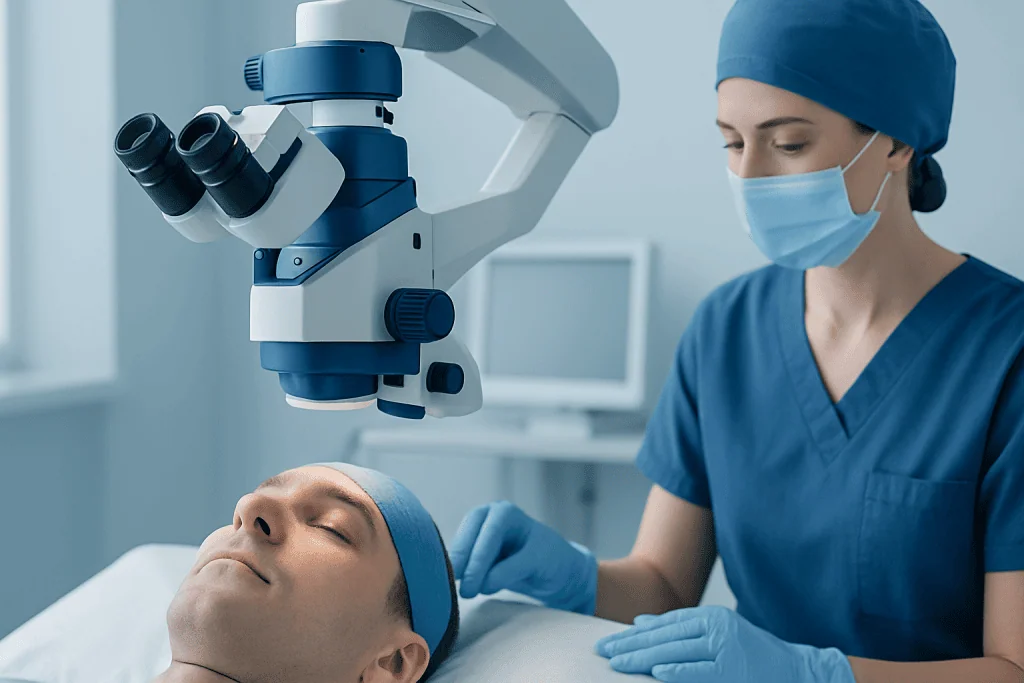
People who consider aesthetic scalp surgery often want a more balanced relationship between the forehead, eyebrows, and hairline. Some feel self-conscious about a high or uneven hairline, while others are bothered by visible scalp scars or areas where tightness or laxity affects appearance. Concerns may be present from birth, develop over time, or follow surgery, trauma, or healing after injury such as burns.
Good candidates are usually in overall good health, do not smoke or are willing to stop before surgery, and have realistic goals. A stable pattern of hair growth is important, especially if there is a family history of progressive hair loss. This helps the surgeon plan a result that will still look natural over time. People with very tight scalp tissue, poor wound healing, or active skin disease may need further evaluation before deciding on surgery.
Common concerns that may be discussed during consultation include:
- A high forehead or receded frontal hairline
- An uneven or asymmetrical hairline
- Scalp laxity or tightness affecting contour
- Wide or noticeable scalp scars
- Hair-bearing scalp loss after trauma or previous procedures
- Cosmetic concerns linked to facial proportion
Not every concern requires surgery. In some cases, a surgeon may suggest observation, medical hair-loss management, camouflage techniques, or hair transplantation as a better option. The decision is individualized and based on what can be achieved safely.
Causes of Hairline and Scalp Changes

Hairline shape and forehead height are influenced by genetics, sex, age, and natural variation in anatomy. Some people are born with a high hairline or broad forehead and simply wish to change the proportion for cosmetic reasons. Others notice changes over time as the hairline matures or hair density decreases.
Scalp laxity also varies from person to person. A more flexible scalp may allow a greater degree of movement during surgery, while a tight scalp can limit options or require staged planning. Previous surgery, scarring, chronic skin inflammation, burns, or trauma can reduce tissue mobility and alter blood flow, making the area more complex to treat. In some patients, prior reconstruction for injuries related to facial trauma may also influence hairline position and scalp appearance.
Scars are another common reason for consultation. Scalp scars may result from accidents, childhood injuries, surgery, or treatment of skin lesions. Depending on their size, direction, and relation to hair growth, scars may become more visible than expected. Some widen over time because of tension across the wound, especially when the scalp is relatively tight. Understanding the original cause helps the surgeon estimate how much improvement is possible and how likely a scar is to recur or stretch.
How Doctors Evaluate the Scalp and Hairline
Evaluation begins with a detailed discussion of the patient’s goals and concerns. The surgeon asks when the issue began, whether it has changed over time, and whether there is a personal or family history of hair thinning, abnormal scarring, or skin conditions. Previous operations, injuries, and treatments are especially important because they affect surgical planning.
A physical examination focuses on forehead height, hairline shape, hair density, scalp mobility, skin quality, and scar position. The surgeon gently assesses scalp laxity to estimate how much tissue can be advanced or rearranged safely. Photographs and measurements are often taken to support planning and help compare results over time.
Sometimes additional opinions are useful, especially if there are signs of active hair loss, dermatologic disease, or complex scarring. A patient may be referred for hair and scalp assessment before surgery if the cause of thinning is unclear. This careful workup helps distinguish people who are likely to benefit from those who may do better with another approach.
During consultation, the surgeon also explains expected scar placement, possible limitations, recovery time, and the chance that more than one procedure may be needed. This step is important because aesthetic scalp surgery aims for improvement, not perfection, and results depend partly on individual anatomy and healing.
Treatment Options and Surgical Techniques
Treatment depends on the underlying problem. For a high forehead or naturally elevated hairline, the surgeon may perform hairline lowering or forehead reduction by advancing the hair-bearing scalp forward. This can shorten forehead height and improve facial proportion in appropriately selected patients. The incision is usually designed to follow the natural hairline pattern as closely as possible so that the scar is less noticeable over time.
If visible scars are the main concern, scar revision may be recommended. The scar can sometimes be excised and closed more precisely, or the surrounding scalp can be rearranged to reduce tension and improve camouflage by adjacent hair. In more complex cases, reconstructive methods may be needed to move tissue, release tight areas, or improve contour. Broader facial planning may occasionally overlap with procedures such as brow lift if the forehead and brow area are being evaluated together, although this is not necessary for every patient.
When scalp tissue is tight, the surgeon may discuss staged treatment rather than a single operation. This is sometimes the safest way to protect blood supply and achieve a more predictable outcome. Patients with extensive scarring, prior injury, or tissue loss may need a reconstructive approach rather than a purely cosmetic one.
Because scalp appearance can affect overall facial harmony, the doctor may also consider whether related procedures would be helpful in select cases, such as aesthetic neck contouring or other facial balancing procedures. However, any combination plan should only be offered when it is medically appropriate and clearly aligned with the patient’s goals.
Recovery, Risks, and Results
After aesthetic scalp surgery, it is common to have swelling, tightness, mild discomfort, and temporary numbness near the incision. These effects usually improve gradually. The scalp may feel firm or less mobile for a time as healing progresses. Stitches or staples, if used, are removed according to the surgeon’s plan, and careful washing instructions are given to protect the incision.
Most patients need a period of reduced activity while the wound begins to heal. The exact timeline depends on the procedure, but heavy exercise, straining, and activities that place tension on the scalp are generally limited early on. Hair coloring, heat styling, or harsh products may also need to be postponed until the surgeon confirms it is safe.
As with any operation, there are risks. These can include bleeding, infection, wound healing problems, widened scars, changes in skin sensation, asymmetry, hair shedding around the incision, or a result that does not fully match expectations. In some individuals, especially those prone to abnormal scarring, a scar can remain more visible than hoped. A thorough consultation helps reduce surprises by discussing what is realistic.
Final results take time. Swelling settles first, but scars continue to soften and mature over several months. Hair growing through or around the incision often helps camouflage the area further. Patience is important, because the early appearance rarely reflects the final outcome.
Prevention, Self-care, and Preparing for Surgery
Not all scalp and hairline concerns can be prevented, especially those related to genetics or old scars. Still, healthy scalp care and early medical evaluation of hair thinning can help preserve future options. Avoiding smoking is particularly important because it affects blood flow and wound healing. Protecting the scalp from sun exposure may also support better scar quality after surgery.
Before an operation, patients are usually advised to share a full medication list, including supplements. The surgeon may recommend stopping certain products that can increase bleeding risk, but this should only be done under medical guidance. If there is active dandruff, dermatitis, or another scalp condition, treatment may be needed first to create the best environment for healing.
Practical preparation can make recovery smoother. Patients may be asked to arrange transportation, adjust work schedules, and prepare gentle hair-care supplies in advance. Following preoperative and postoperative instructions closely is one of the best ways to support a good result.
For people seeking expert evaluation, Acibadem International’s multidisciplinary specialists in JCI-accredited hospitals assess cosmetic and reconstructive scalp concerns for international patients and create individualized treatment plans. In selected cases, planning may also involve related reconstructive fields such as reconstructive ophthalmology when nearby forehead or periocular structures are relevant.
When to See a Doctor
A person should consider medical evaluation if they are bothered by a high hairline, notice changes in scalp scars, or have scalp tightness or tissue changes after injury or surgery. Consultation is also a good idea when the hairline seems increasingly uneven, or when appearance concerns are affecting confidence and daily life.
Prompt assessment is especially important if there is rapid hair loss, pain, redness, drainage, an ulcer, or a scar that becomes raised and uncomfortable. These symptoms may suggest a medical or dermatologic issue that should be treated before any cosmetic procedure is considered. A surgeon or dermatologist can help identify the cause and explain the safest next step.
People interested in surgery should seek care from a qualified specialist with experience in scalp anatomy, scar management, and aesthetic planning. An expert consultation can clarify whether surgery is appropriate, what kind of improvement is realistic, and whether alternative treatments might be better.
Frequently asked questions
What is aesthetic scalp surgery used for?
Aesthetic scalp surgery is used to improve the appearance of the hairline and scalp. It can help address a high forehead, an uneven hairline, visible scalp scars, or selected contour concerns. The exact method depends on scalp mobility, hair density, and the patient's goals.
Who is a good candidate for hairline lowering surgery?
Good candidates often have a naturally high hairline, good general health, and enough scalp laxity to allow safe advancement. A stable hair pattern is also important so the result remains balanced over time. A consultation helps determine whether surgery or another treatment would be better.
Will there be a visible scar after scalp surgery?
Any surgery that involves an incision will leave a scar, but surgeons usually place and design the incision to make it less noticeable. In hairline procedures, nearby hair often helps camouflage the scar as it matures. Scar quality varies from person to person and depends on healing, skin type, and tension on the wound.
How long does recovery take after aesthetic scalp surgery?
Initial recovery usually includes a short period of swelling, tightness, and reduced activity. Many people feel more comfortable within days to weeks, but full healing and scar maturation take longer. The surgeon gives individual guidance based on the exact procedure performed.
Can scalp scars be improved surgically?
Yes, many scalp scars can be improved with revision surgery, especially if they are wide, uneven, or poorly positioned. The goal is usually to make the scar less noticeable rather than erase it completely. The likely result depends on the scar's size, direction, cause, and the surrounding tissue quality.
Is aesthetic scalp surgery the same as a hair transplant?
No, they are different procedures, although they may sometimes be considered together. Aesthetic scalp surgery repositions or reshapes scalp tissue, while a hair transplant moves hair follicles from one area to another. A specialist can explain which option best matches the patient's anatomy and goals.
References
- American Society of Plastic Surgeons
- American Academy of Dermatology
- British Association of Plastic, Reconstructive and Aesthetic Surgeons
- American Board of Cosmetic Surgery
- National Health Service
This article is for general information only and is not a substitute for professional medical advice. Please consult a qualified doctor about your individual situation.
Aesthetic Scalp Surgery in Turkey — costs, top hospitals & a free quote
JCI-accredited · board-certified surgeons · reply within 24h
Add us as a Preferred Source to see more of our trusted health content across Google Search, AI Overviews and Discover.

Plastic, Reconstructive & Aesthetic Surgery
Reconstructive and aesthetic procedures for the face and body, performed by experienced surgeons.
35 specialists in this unitRelated Treatments
Related Conditions
More from the Health Library



Related Specialists
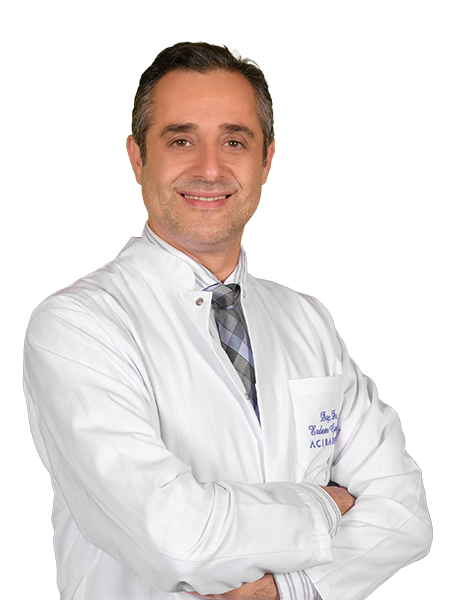
Assoc. Prof. Dr. Erdem Güven (m)
Aesthetic Plastic & Reconstructive Surgery
Prof. Dr. Şükrü Yazar
Aesthetic Plastic & Reconstructive Surgery
Prof. Dr. Hakan Ağır
Aesthetic Plastic & Reconstructive Surgery
Prof. Dr. Bülent Saçak
Aesthetic Plastic & Reconstructive Surgery