

Aesthetic Scalp Surgery: Hairline Shaping and Scar Correction

Aesthetic scalp surgery is used to adjust the hairline and improve visible scalp scars or contour irregularities. It may help after injury, previous surgery, hair transplant procedures, or naturally uneven hairline shape.
Key Takeaways
- Aesthetic scalp surgery is used to adjust the hairline and improve visible scalp scars or contour irregularities.
- It may help after injury, previous surgery, hair transplant procedures, or naturally uneven hairline shape.
- A careful assessment of scalp laxity, hair density, scar quality, and expectations is essential before treatment.
- Treatment options may include scar revision, hairline lowering or reshaping, tissue expansion, grafting, or combinations of techniques.
- Recovery depends on the procedure, but most people need temporary swelling control and careful wound care.
- A qualified plastic surgeon or reconstructive specialist can explain which approach is most appropriate and realistic.
Aesthetic scalp surgery includes procedures that can refine the hairline, improve scalp symmetry, and reduce the appearance of scars. It is planned individually to suit the person’s anatomy, hair pattern, and cosmetic goals.
Overview
Aesthetic scalp surgery is a group of procedures designed to improve the appearance of the scalp rather than treat a medical emergency. It is often used to reshape an unbalanced hairline, soften the look of scars, or correct contour changes from previous operations or trauma.
The goal is usually a natural-looking result that blends with the person’s existing hair pattern and facial proportions. In some cases, the surgeon may combine scalp work with a nearby procedure such as a brow lift when forehead balance and hairline position are both being considered.
Because the scalp has limited stretch in some people and the hairline is highly visible, planning matters. A specialist will look at hair density, scalp flexibility, scar quality, and the person’s overall cosmetic goals before recommending treatment.
Symptoms and Concerns It May Address
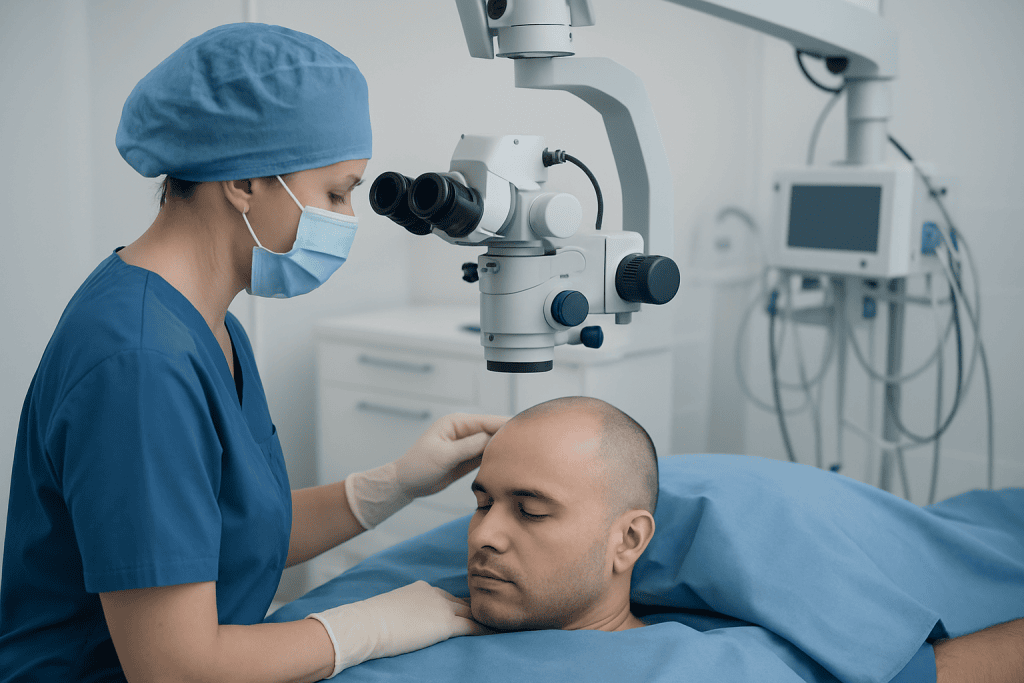
People usually seek aesthetic scalp surgery because of visible concerns rather than pain or illness. Common reasons include a high hairline, uneven temples, a widened scar on the scalp, or a patch where hair does not grow normally after injury or previous surgery.
Some people also notice a “stuck” or tight look around an old incision, a widened scar after a lifting procedure, or irregularities after hair transplant work. In these situations, the concern is often about appearance, confidence, or how easily the scalp can be styled to cover the area.
Symptoms may include:
- Visible scalp scar or line
- Uneven hairline shape
- Local hair loss around a scar
- Irregular contour or indentation
- Tightness when moving the scalp, in some cases
These concerns are often very personal. A consultation can help distinguish what may improve with surgery from what may be better managed with styling, camouflage, or non-surgical options.
Causes and Risk Factors

Hairline or scalp contour concerns can develop for several reasons. Some are present from birth, such as a naturally high or asymmetric hairline. Others appear after trauma, burns, skin conditions, or previous surgery that leaves a visible scar.
Prior procedures are a common reason people explore this field. Examples include lifts, scalp reductions, cranioplasty access sites, or hair transplant procedures that have left widened scars, irregular density, or an unnatural border. In some people, scar tissue forms more prominently because of individual healing patterns.
Factors that may affect planning and results include the following:
- Scalp laxity, or how easily the tissue can move
- Hair density and direction of growth
- Thickness, color, and maturity of scars
- Smoking or other habits that can affect healing
- Medical conditions that influence wound healing
Not every concern is suitable for the same approach. For example, a scar hidden by dense hair may need a different strategy than a broad area with limited hair coverage. This is why evaluation by an experienced surgeon is important.
Diagnosis and Consultation
Diagnosis in aesthetic scalp surgery is mainly based on a careful clinical consultation. The surgeon examines the scalp, measures proportions, reviews the history of any previous surgery or injury, and discusses what the person hopes to change.
Photographs are often taken to document the starting point and help with planning. In some cases, the surgeon may assess scalp mobility by gently moving the tissue, because this can determine whether a closure, revision, or tissue-based technique is realistic.
The consultation should also cover medical history, medications, prior wound healing problems, and expectations. A balanced discussion is essential, since some scars can be improved significantly, while others can only be softened rather than removed completely.
Treatment Options
There is no single solution for all scalp concerns. The best approach depends on the size and location of the problem, the amount of available hair-bearing tissue, and whether the goal is to shift the hairline, revise a scar, or both.
For scars, the surgeon may perform scar excision and careful closure, sometimes aligning the repair with natural hair direction. In selected cases, hair-bearing scalp can be advanced or rearranged to improve the hairline. If tissue is limited, staged procedures or tissue expansion may be considered.
Some people benefit from surgical refinement after prior cosmetic work. For example, a person with uneven brows and a high frontal hairline may discuss combined planning with a brow lift, while visible scars from a prior aesthetic procedure may be addressed using techniques similar to scar revision concepts adapted for the scalp. When hair loss around a scar is the main issue, a surgeon may consider tissue reshaping principles only in the broader sense of improving contour, but the scalp approach remains highly specialized and individualized.
Common methods may include:
- Scar revision with re-closure
- Hairline lowering or reshaping
- Local flap techniques
- Tissue expansion before final repair
- Hair transplantation into or around a scar, in selected cases
Not every patient is a candidate for every technique. The surgeon’s aim is to choose the least invasive option that can still create a safe, natural-looking improvement.
What to Expect During and After Surgery
Aesthetic scalp surgery is usually performed with local anesthesia, sedation, or general anesthesia depending on the extent of the procedure. The exact setting and recovery plan depend on whether the surgery involves a small scar or a larger change in hairline position.
After surgery, temporary swelling, mild discomfort, and a feeling of tightness are common. Dressings may be placed to protect the incision, and the patient is usually given instructions on how to wash the hair, sleep, and avoid pressure on the area.
Healing time varies. Small revisions may settle relatively quickly, while larger reconstructions can take longer for the contour and scar to mature. Because hair growth cycles are slow, the cosmetic benefit of some techniques becomes more apparent over time rather than immediately.
Prevention and Self-care
Not all hairline or scar concerns can be prevented, but careful self-care can support better healing and a more predictable result after surgery. Following the surgeon’s wound care instructions is one of the most important steps.
General self-care often includes keeping the incision clean, avoiding sun exposure on healing scars, and not picking at crusts or sutures. The surgeon may also advise limiting strenuous activity for a period so that tension does not disturb the repair.
Helpful habits may include:
- Avoiding smoking before and after surgery, if applicable
- Using gentle hair care products as advised
- Protecting the scalp from direct sun during healing
- Attending all follow-up visits
- Reporting unusual pain, drainage, or delayed healing promptly
People with a history of thick scars, poor wound healing, or prior scalp surgery should discuss these issues early. That allows the treatment plan to be tailored to reduce avoidable healing problems.
When to See a Doctor
A consultation is appropriate when a scar, hairline concern, or scalp contour change is affecting appearance or confidence. It is especially useful when the issue followed a previous surgery or injury and has not improved with time.
Medical review is also sensible if the area changes in a concerning way, such as redness that persists, drainage, increasing pain, or a wound that does not seem to close normally. These signs do not always mean a serious problem, but they should be checked.
An experienced plastic or reconstructive surgeon can explain whether the concern is best managed with surgery, a staged plan, or a non-surgical approach. Acibadem International’s multidisciplinary specialists and JCI-accredited hospitals can evaluate and treat aesthetic scalp concerns for international patients as part of coordinated care.
Frequently asked questions
What is aesthetic scalp surgery used for?
It is used to improve the appearance of the scalp, most commonly by reshaping a hairline or revising a visible scar. It may also help correct contour changes after previous surgery or trauma. The treatment plan is individualized based on the person’s anatomy and goals.
Can a scalp scar be removed completely?
Often, the aim is to make the scar less noticeable rather than erase it completely. A surgeon may revise the scar, reposition it, or use hair-bearing tissue or hair transplantation to help it blend in better. The final result depends on scar size, location, and healing quality.
Who is a good candidate for hairline shaping?
A good candidate is usually someone with a stable hairline concern, realistic expectations, and enough scalp tissue or hair-bearing skin for the planned technique. The surgeon also considers scalp laxity, hair density, and overall health. A consultation is needed to confirm whether surgery is appropriate.
How long does recovery take?
Recovery time varies with the type of procedure performed. Many people have swelling, tenderness, or tightness for a short period, but larger reconstructive procedures may need longer follow-up before the result settles. The surgeon will give guidance on washing, activity limits, and scar care.
Is aesthetic scalp surgery the same as a hair transplant?
No, although the two can sometimes be combined. Hair transplantation moves hair follicles, while aesthetic scalp surgery may reshape tissue, revise scars, or adjust the hairline position. The best option depends on the underlying problem.
What should someone ask during a consultation?
It helps to ask what specific technique is recommended, what improvement is realistic, and what the recovery will involve. Patients may also ask about risks, scar appearance, and whether a staged plan is needed. Seeing before-and-after examples for similar cases can also be helpful.
References
- American Society of Plastic Surgeons
- International Society of Aesthetic Plastic Surgery
- Mayo Clinic
- National Health Service (NHS)
This article is for general information only and is not a substitute for professional medical advice. Please consult a qualified doctor about your individual situation.
Aesthetic Scalp Surgery in Turkey — costs, top hospitals & a free quote
JCI-accredited · board-certified surgeons · reply within 24h
Add us as a Preferred Source to see more of our trusted health content across Google Search, AI Overviews and Discover.

Plastic, Reconstructive & Aesthetic Surgery
Reconstructive and aesthetic procedures for the face and body, performed by experienced surgeons.
35 specialists in this unitRelated Treatments
Related Conditions
More from the Health Library



Related Specialists

Prof. Dr. Şükrü Yazar
Aesthetic Plastic & Reconstructive Surgery
Assoc. Prof. Dr. Erdem Güven (m)
Aesthetic Plastic & Reconstructive Surgery
Prof. Dr. Hakan Ağır
Aesthetic Plastic & Reconstructive Surgery
Prof. Dr. Bülent Saçak
Aesthetic Plastic & Reconstructive Surgery