

Aesthetics in Plastic Surgery: What the Term Means for Patients

Aesthetics in plastic surgery is about balance, proportion, and harmony, not only appearance alone. Good aesthetic planning also respects function, safety, and the person’s individual anatomy.
Key Takeaways
- Aesthetics in plastic surgery is about balance, proportion, and harmony, not only appearance alone.
- Good aesthetic planning also respects function, safety, and the person’s individual anatomy.
- The best results usually look natural rather than obviously operated on.
- Clear communication about goals, limits, and recovery helps patients make informed choices.
- Aesthetic principles apply to both cosmetic and reconstructive procedures.
In plastic surgery, aesthetics refers to how well a procedure creates balance, proportion, and a natural appearance while supporting safety and function. For patients, it means the surgeon considers both the visible result and how the change fits the person’s features, needs, and expectations.
Overview
In plastic surgery, the word aesthetics describes the visual and overall appearance of a result. It includes balance, proportion, symmetry, shape, and how naturally a treated area blends with the rest of the body. For patients, this means the surgeon is not only changing tissue, but also aiming for a result that looks appropriate for the individual.
Aesthetic judgment is used in many procedures, from a facelift or breast operation to scar revision or reconstructive surgery. Even when the main goal is medical or functional, appearance still matters because it affects confidence, comfort, and quality of life. In that sense, aesthetics is a patient-centered part of care rather than a superficial extra.
Some procedures are designed mainly to improve appearance, while others restore form after injury, disease, or congenital differences. In both settings, the same core principles apply: careful planning, respect for the person’s anatomy, and attention to a natural-looking outcome. Procedures such as cosmetic (aesthetic) surgery and breast aesthetics often illustrate how these principles guide treatment decisions.
What Aesthetic Means in Plastic Surgery

Aesthetics in plastic surgery is the medical and artistic evaluation of what looks balanced, pleasing, and appropriate for a particular person. It is not based on a single ideal face or body shape. Instead, it takes into account the patient’s proportions, age, ethnicity, skin quality, tissue volume, and existing features.
Plastic surgeons often think in terms of harmony. For example, a change in one area may affect how the entire face or body is perceived. A small adjustment to the chin, eyelids, nose, breasts, or body contour can create a more balanced overall appearance when it matches the patient’s natural structure.
Aesthetic planning also includes restraint. A good result does not always mean the most dramatic change. Many patients prefer subtle improvements that refresh or refine their appearance without making the treatment obvious. That is why discussions about goals, expectations, and limits are such an important part of consultation.
How Aesthetic Goals Differ for Each Patient

Aesthetic goals are personal. One patient may want a fuller breast shape, another may seek scar improvement, and another may want a more balanced body contour after weight loss. The surgeon’s role is to understand what the patient hopes to change and to explain what is realistically possible.
Because every body is different, the same procedure can be planned in different ways for different people. Skin elasticity, bone structure, existing asymmetry, previous surgery, and healing tendencies all affect the final result. Aesthetic decisions are therefore individualized rather than standardized.
This is also why outcome discussions should include both appearance and function. In procedures such as aesthetic breast surgery, body contouring, or oculoplastic surgery, the surgeon may be trying to improve shape, comfort, visibility, or symmetry at the same time. The best plan is the one that fits the patient’s anatomy and priorities.
Common Principles Behind Aesthetic Results
Several general principles guide aesthetic plastic surgery. First is proportion, meaning that parts of the body should relate well to each other. Second is symmetry, although perfect symmetry is uncommon in natural bodies and is not always necessary for a good result. Third is continuity, which means the treated area should blend smoothly with surrounding tissues.
Surgeons also consider texture, scar placement, contour, and the way light and shadow fall across the body. These details help determine whether a result looks refined and natural. In many cases, the art of plastic surgery lies in small, careful adjustments rather than large changes.
Another principle is preservation of function. Aesthetic improvement should not compromise breathing, eyelid closure, movement, sensation, or other important body functions. This is especially relevant in procedures related to the face, breast, abdomen, and genital area, where appearance and function often need to be balanced carefully.
How Patients Are Evaluated and Diagnosed
Plastic surgery evaluation begins with a detailed consultation. The surgeon listens to the patient’s concerns, reviews medical history, examines the area of interest, and discusses what outcome is desired. Photographs may be used for comparison and planning, and in some cases measurements help the surgeon understand proportions more precisely.
The consultation is also a chance to identify factors that could affect safety or healing, such as smoking, previous surgeries, chronic conditions, medications, or a history of poor scarring. If the patient’s expectations are not aligned with what surgery can realistically achieve, that is usually discussed openly before any treatment is planned.
For reconstructive or complex aesthetic cases, additional testing or specialist input may be needed. For example, someone considering a revision procedure or combined treatment may benefit from a team approach involving several specialists. That planning process helps ensure the final result is both aesthetically appropriate and medically sound.
Treatment Options
Aesthetic goals can be achieved through surgical and non-surgical approaches. Surgical options may include reshaping, lifting, reduction, augmentation, contouring, or reconstruction. Non-surgical options may include injectables, skin treatments, lasers, or scar therapies, depending on the problem being addressed.
The choice of treatment depends on the patient’s concern, tissue condition, expected downtime, and the degree of change desired. Some people want a subtle refinement, while others need a more comprehensive correction. In body procedures, treatment may also follow weight loss or pregnancy, when skin laxity and contour changes are more prominent.
Examples of procedures where aesthetic planning is especially important include breast lift surgery, body aesthetics, and acne scarring treatment. In some cases, a reconstructive procedure such as breast reconstruction also includes aesthetic choices so the result looks balanced and supports emotional recovery.
Prevention & Self-care
Patients can support a better aesthetic outcome by preparing well and following the surgeon’s instructions before and after treatment. Stopping smoking, managing chronic health conditions, and avoiding medicines or supplements that may increase bleeding are common examples of helpful preparation, when advised by the doctor.
After surgery or a procedure, wound care, rest, compression garments when recommended, and gentle activity at the right time can all support healing. It is also important to protect scars from sun exposure, because new scars may darken or become more noticeable if they are not protected.
Healthy habits matter too. Good nutrition, hydration, sleep, and realistic expectations all contribute to recovery and satisfaction. If the patient is considering a procedure for a highly visible area, discussing scar placement, recovery time, and possible revisions in advance can make the experience more predictable and reassuring.
When to See a Doctor
A consultation with a qualified plastic surgeon is appropriate whenever a patient is considering a change in appearance, wants to understand the best options, or feels uncertain about whether a concern is cosmetic, reconstructive, or both. A doctor can explain which approaches are likely to provide a natural, safe, and durable result.
Patients should also seek medical advice if they have had prior surgery and are unhappy with the shape, symmetry, scar appearance, or function of the area. Revision planning often requires specialized expertise because previously treated tissue behaves differently from untouched tissue.
It is especially important to speak with a doctor if there is pain, swelling that does not settle, wound problems, changes in sensation, or any concern that healing is not progressing normally. Acibadem International’s multidisciplinary specialists and JCI-accredited hospitals diagnose and treat many plastic surgery conditions for international patients, with care plans tailored to each person’s needs.
Recovery and What Patients Can Expect
Recovery is part of the aesthetic process because swelling, bruising, and temporary tightness can affect how the result looks at first. Many procedures reveal their final appearance gradually as tissues settle and healing progresses. Patients should not judge the end result too early.
Follow-up visits are important because the surgeon can check healing, answer questions, and monitor whether the result is developing as expected. If an area looks uneven during early recovery, that does not always mean the final outcome will look the same. Many early changes improve with time.
Patients are usually encouraged to be patient, protect the treated area, and keep a realistic view of the recovery timeline. Aesthetic surgery aims for improvement, not perfection, and understanding that distinction often leads to greater satisfaction.
How to Choose the Right Surgeon
Choosing a surgeon with specific training in plastic surgery is one of the most important steps in achieving a safe and aesthetically pleasing result. Patients should ask how often the surgeon performs the procedure, what the typical recovery is like, and how the surgeon approaches natural-looking results.
It is also helpful to review before-and-after photos of patients with similar anatomy or concerns, while remembering that every result is individual. Good communication matters: the patient should feel listened to, respected, and given clear information about benefits, risks, alternatives, and limitations.
A thoughtful consultation should never rush the patient into a decision. Aesthetic plastic surgery works best when the treatment plan is built on trust, shared expectations, and a careful understanding of both appearance and function.
Frequently asked questions
What does aesthetics mean in plastic surgery?
It means the surgeon is focused on how balanced, natural, and proportionate the result looks. Aesthetic planning also considers how the treated area fits with the rest of the body and whether function is preserved.
Does aesthetic surgery always mean cosmetic surgery?
Not always. Cosmetic surgery is usually performed mainly to improve appearance, while reconstructive surgery restores form or function after illness, injury, or congenital differences. Both can involve aesthetic planning.
Why do surgeons talk about proportion and harmony?
Because the eye usually notices how features relate to each other, not just one isolated area. A good result often looks natural when the proportions are in balance with the person’s overall appearance.
Can plastic surgery results look completely natural?
Many well-planned procedures aim for a natural-looking result, especially when the change is subtle and fits the person’s anatomy. However, every surgery leaves some signs of treatment, and results vary from person to person.
What should a patient ask during a consultation?
They should ask what result is realistic, what risks and recovery to expect, and how the surgeon plans to create a natural look. It is also reasonable to ask about experience with the specific procedure and how follow-up care is handled.
Why is follow-up important after aesthetic surgery?
Follow-up lets the surgeon check healing, address concerns, and guide the patient through recovery. Since swelling and bruising can temporarily change appearance, follow-up helps interpret early changes correctly.
References
- American Society of Plastic Surgeons
- International Society of Aesthetic Plastic Surgery
- World Health Organization
- Mayo Clinic
This article is for general information only and is not a substitute for professional medical advice. Please consult a qualified doctor about your individual situation.
Explore treatments in Turkey — costs, top hospitals & a free quote
JCI-accredited · board-certified surgeons · reply within 24h
Add us as a Preferred Source to see more of our trusted health content across Google Search, AI Overviews and Discover.

Related Treatments
Related Conditions
More from the Health Library



Related Specialists

Prof. Dr. Şükrü Yazar
Aesthetic Plastic & Reconstructive Surgery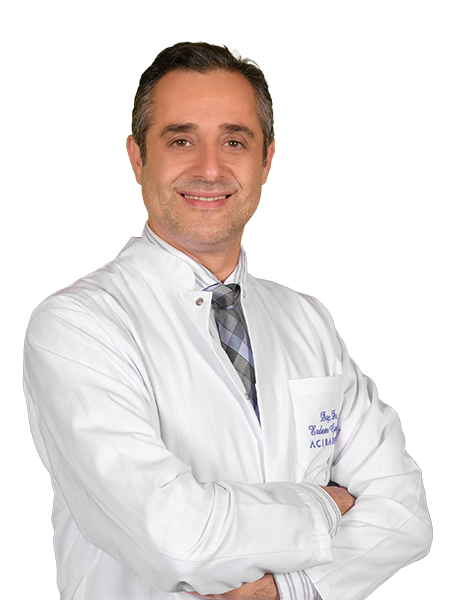
Assoc. Prof. Dr. Erdem Güven (m)
Aesthetic Plastic & Reconstructive Surgery
Prof. Dr. Hakan Ağır
Aesthetic Plastic & Reconstructive Surgery
Prof. Dr. Bülent Saçak
Aesthetic Plastic & Reconstructive Surgery