

African American Hair Transplant: Techniques, Results, and Care

Afro-textured hair has curved follicles that require specialized planning and extraction techniques. Both FUE and FUT may be suitable, depending on hair loss pattern, donor supply, hairstyle preferences, and scar risk.
Key Takeaways
- Afro-textured hair has curved follicles that require specialized planning and extraction techniques.
- Both FUE and FUT may be suitable, depending on hair loss pattern, donor supply, hairstyle preferences, and scar risk.
- A skilled surgeon evaluates scalp health, hairline design, curl pattern, and the possibility of keloid scarring before treatment.
- Healing and final growth take time; transplanted hair usually sheds first, then regrows over several months.
- Careful aftercare, gentle scalp handling, and realistic expectations help support the best possible result.
An African American hair transplant is a hair restoration procedure planned around the unique structure of tightly curled hair and the scalp’s healing needs. With experienced surgical technique, it can create natural-looking density while helping reduce the risk of unnecessary follicle damage or visible scarring.
Overview
An African American hair transplant is a surgical hair restoration procedure designed for people with afro-textured or tightly curled hair. The main goal is to move healthy hair follicles from a donor area, usually the back or sides of the scalp, to areas affected by thinning or baldness. What makes this procedure distinct is that the visible curl of the hair is only part of the picture; under the skin, the follicle itself is often curved, which can make harvesting and placement more technically demanding.
For this reason, surgeon experience matters greatly. A careful approach helps preserve the follicles during extraction, reduces avoidable trauma to the scalp, and supports a natural-looking result. In many cases, the natural curl pattern can be an advantage because curly hair may create the appearance of fuller coverage once growth is established.
People seek hair transplantation for different reasons, including hereditary hair loss, traction-related loss, previous injury, or cosmetic concerns about thinning hairlines and reduced density. The treatment plan should always be individualized. It is not simply a standard hair transplant applied to a different hair type; it requires an understanding of curl direction, scalp characteristics, styling habits, and healing tendencies.
Who May Benefit and What Makes Afro-Textured Hair Different

Suitable candidates are usually adults with stable hair loss, enough donor hair, and good overall health. They should also have realistic expectations about what surgery can and cannot achieve. A transplant redistributes existing hair; it does not create new follicles. This means donor supply is limited and must be used thoughtfully, especially if hair loss may continue over time.
Afro-textured hair differs from straight hair in several ways relevant to transplantation. The follicle may curve beneath the scalp, making extraction more complex, especially with follicular unit extraction (FUE). The scalp may also be more prone in some individuals to visible scarring, post-inflammatory pigment changes, or raised scar formation. For patients with a personal or family history of keloid scars, this should be discussed in detail during consultation.
Hair loss patterns can also be different. In addition to androgenetic alopecia, some patients experience traction alopecia related to tight braids, weaves, extensions, or frequent tension on the hairline. Others may have scarring hair loss conditions that need medical diagnosis before surgery. If inflammation is active, a transplant may need to be delayed until the scalp is properly treated and stable.
Techniques Used in African American Hair Transplant

The two main surgical methods are follicular unit extraction (FUE) and follicular unit transplantation (FUT), also called strip surgery. In FUE, individual follicular units are removed one by one with a small punch tool. In FUT, a narrow strip of scalp is removed from the donor area, and follicular units are then separated under magnification before implantation. Both methods can be effective, but the best choice depends on the individual rather than a single rule.
FUE offers the advantage of avoiding a linear scar, which some people prefer if they wear shorter hairstyles. However, because curly follicles bend under the skin, FUE can carry a higher risk of transection, meaning accidental injury to follicles during extraction, if it is not performed with appropriate technique and tools. Some surgeons use specialized punches, careful angling, and slower extraction methods to improve follicle preservation.
FUT may be recommended when maximum graft yield is needed or when the surgeon believes it offers safer harvesting for very curly follicles. The trade-off is a linear donor scar, which may or may not be easy to conceal depending on hairstyle and healing. In selected cases, procedures related to aesthetic scalp surgery may be part of a broader reconstructive or cosmetic plan, especially when scalp scarring or contour concerns are present.
Recipient-site creation and graft placement are equally important. The surgeon designs the hairline to suit facial proportions, age, and natural hair characteristics. Curl direction, graft angle, density distribution, and softness at the frontal edge all help determine whether the final result appears natural.
Consultation, Evaluation, and Diagnosis
A thorough consultation is essential before any hair transplant. The doctor usually reviews the pattern and cause of hair loss, medical history, medications, prior procedures, and scalp symptoms such as itching, scaling, pain, or inflammation. A physical examination assesses donor density, hair shaft caliber, curl pattern, scalp elasticity, and the quality of the recipient area.
In some cases, the diagnosis is straightforward hereditary hair loss. In others, the doctor may need to rule out scarring alopecia, traction alopecia, fungal infection, hormonal factors, or nutritional contributors. If the scalp shows signs of active disease, surgery may be postponed while medical treatment is started. This step is important because transplanting into an unstable scalp can reduce survival of the grafts and lead to disappointing results.
The consultation is also the time to discuss goals, styling habits, and concerns about scars. Patients should mention any history of thick scars, poor wound healing, or procedures for scars or burns, since these details can affect planning. Photographs are often taken to document the baseline appearance and help with long-term treatment planning.
A good evaluation includes honest discussion of limitations. For example, someone with advanced hair loss and a limited donor area may need a conservative hairline or a staged approach. Non-surgical treatment may also be recommended to help preserve existing hair and complement surgery over time.
Results and Recovery Timeline
After transplantation, the scalp usually has mild redness, tenderness, swelling, and small crusts for several days to a couple of weeks. These changes are expected and generally improve gradually with proper care. Most people can return to light daily activities soon, but the exact timeline depends on the method used and the surgeon’s advice.
It is common for transplanted hairs to shed within the first few weeks. This can be worrying if it is unexpected, but the follicles usually remain in place beneath the skin. New growth often begins after a few months, with continued thickening and improved coverage over time. Final cosmetic results are usually assessed only after enough time has passed for the hair to mature.
Curly or coily hair can offer good visual coverage because the strands bend and interlock, creating volume. At the same time, hairline design must remain realistic. A very low or very dense hairline may not be ideal if donor supply is limited or future hair loss is likely. Natural-looking outcomes usually come from balancing density, shape, and long-term planning rather than aiming for an overly aggressive change in a single session.
Some patients benefit from combining surgery with ongoing medical or supportive treatment. In the setting of wider cosmetic planning, a surgeon may also discuss related options within cosmetic aesthetic surgery when there are broader appearance goals, though hair restoration should always be planned on its own medical merits.
Aftercare, Hair Care, and Self-Care
Early aftercare focuses on protecting the grafts and allowing the scalp to heal. Patients are usually advised to follow the clinic’s washing instructions closely, avoid scratching or rubbing the area, and sleep with the head elevated for a short period if recommended. Hats, helmets, intense exercise, and direct sun exposure may need to be limited temporarily during the early recovery phase.
Hair care should be gentle. Harsh chemical treatments, tight hairstyles, heavy traction, and high heat may irritate the scalp or place stress on healing follicles. For people with a history of traction alopecia, it is especially important to reduce long-term tension from braids, weaves, extensions, or tightly pulled styles to protect both transplanted and existing hair.
Self-care also includes keeping follow-up appointments and telling the medical team about increasing pain, unusual drainage, fever, or signs of excessive scarring. The doctor may suggest medical treatments to support existing non-transplanted hair, depending on the cause of hair loss. Healthy nutrition, stress management, and scalp care can support general hair health, even though they do not replace surgery when follicles have already been lost.
In some reconstructive situations, such as hair loss related to scars after injury or facial trauma, aftercare may need to be more individualized. Gentle monitoring helps the team judge healing quality and decide whether further treatment or another session might be helpful later.
Risks, Limitations, and When to See a Doctor
Like any surgical procedure, hair transplantation carries possible risks. These include bleeding, infection, swelling, temporary numbness, follicle damage, visible scarring, patchy growth, and an unnatural appearance if planning or technique is poor. In patients prone to raised scars, donor or recipient areas may heal with more noticeable scar tissue. Thoughtful preoperative assessment helps reduce, but cannot completely remove, these risks.
There are also practical limitations. A transplant cannot restore childhood density in every case, and not all hair loss is suitable for surgery. Active inflammatory scalp disease, very limited donor hair, unrealistic expectations, or unstable patterns of loss may make a person a poor candidate or indicate that treatment should be delayed. Sometimes non-surgical management is the better first step.
Patients should contact a doctor if they notice worsening redness, increasing swelling after the expected period, pus-like drainage, severe pain, fever, or areas that appear to be healing poorly. They should also seek advice if they are unsure whether shedding is normal or if scar thickening starts to develop. Prompt review can help identify normal recovery versus a problem that needs treatment.
Near the end of the planning process, it can help to choose a center experienced in textured hair restoration and scar-aware surgical techniques, including scar-focused care when relevant. Acibadem International’s multidisciplinary specialists and JCI-accredited hospitals diagnose and treat hair and scalp concerns for international patients, with treatment plans tailored to individual needs.
Frequently asked questions
Is an African American hair transplant different from other hair transplants?
Yes. The main difference is that afro-textured hair often has a curved follicle beneath the scalp, which can make harvesting and placement more technically demanding. This is why surgeon experience with tightly curled hair is especially important.
Which is better for afro-textured hair: FUE or FUT?
Neither method is automatically better for everyone. FUE avoids a linear scar but may be more challenging in very curly follicles, while FUT may provide strong graft yield in selected patients. The best choice depends on donor hair, hairstyle preferences, scarring concerns, and the surgeon’s assessment.
Can a hair transplant help traction alopecia?
It can help in some cases, but only after the cause has been addressed and the hair loss is stable. If tight hairstyles continue, existing and transplanted hair may remain at risk. A doctor should first confirm that the scalp is healthy enough for surgery.
How long does it take to see final results?
Early healing happens over days to weeks, but visible regrowth takes much longer. Transplanted hairs often shed first, then begin growing again over several months. Final cosmetic improvement is usually judged after the hair has had enough time to mature.
Will the transplanted hair look natural?
Natural-looking results are possible when the hairline, density, and curl direction are planned carefully. Afro-textured hair can create good visual fullness because of its curl pattern. The most natural outcomes usually come from conservative, individualized design rather than an overly aggressive hairline.
Is there a higher risk of scarring in African American patients?
Some individuals may be more prone to noticeable or raised scars, but risk varies from person to person. A personal or family history of keloids or thick scars should be discussed before surgery. Careful technique and proper aftercare can help reduce risk.
References
- American Academy of Dermatology
- International Society of Hair Restoration Surgery
- British Association of Dermatologists
- DermNet
- Mayo Clinic
This article is for general information only and is not a substitute for professional medical advice. Please consult a qualified doctor about your individual situation.
Hair transplant in Turkey — costs, graft counts & a free assessment
JCI-accredited · board-certified surgeons · reply within 24h
Add us as a Preferred Source to see more of our trusted health content across Google Search, AI Overviews and Discover.

Related Treatments
Related Conditions
More from the Health Library



Related Specialists
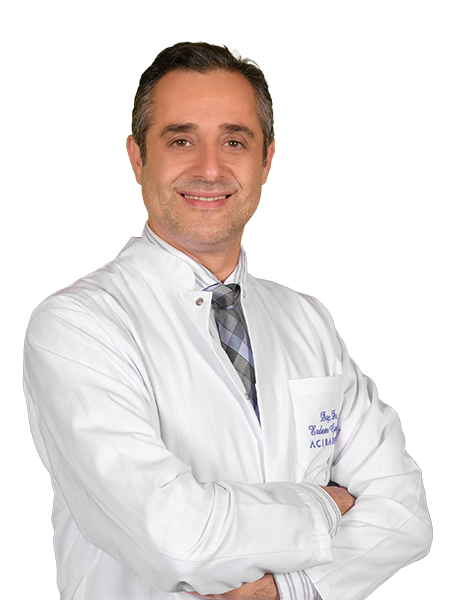
Assoc. Prof. Dr. Erdem Güven (m)
Aesthetic Plastic & Reconstructive Surgery
Prof. Dr. Şükrü Yazar
Aesthetic Plastic & Reconstructive Surgery
Prof. Dr. Hakan Ağır
Aesthetic Plastic & Reconstructive Surgery
Prof. Dr. Bülent Saçak
Aesthetic Plastic & Reconstructive Surgery