

Arm Lift Recovery: Week-by-Week Healing Timeline

Most people notice the biggest swelling and tightness in the first 1-2 weeks after surgery. Compression garments, limited arm movement, and incision care are important early in recovery.
Key Takeaways
- Most people notice the biggest swelling and tightness in the first 1-2 weeks after surgery.
- Compression garments, limited arm movement, and incision care are important early in recovery.
- Light daily activity is often encouraged sooner than strenuous exercise, but timing should follow the surgeon’s advice.
- Scars take months to mature, even after swelling and bruising have improved.
- Any increasing redness, fever, severe pain, or drainage should be checked promptly by a doctor.
Arm lift recovery is usually a gradual process, with the first week focused on rest and swelling control, followed by steady improvements in comfort and arm movement. A week-by-week timeline can help patients know what is typical, how to care for the incision area, and when to contact their surgeon.
Overview
Arm lift recovery refers to the healing period after brachioplasty, a procedure that removes excess skin and sometimes fat from the upper arms. The early phase is usually about protecting the incision, controlling swelling, and allowing the tissues to settle.
Recovery is not exactly the same for every patient. The timeline depends on the extent of surgery, whether liposuction was also performed, the individual’s general health, and how closely post-operative instructions are followed. Many patients find it helpful to think of recovery in phases rather than expecting a single “back to normal” date.
For patients considering body-contouring procedures, a surgeon may also discuss related options such as body contouring or bariatric contouring when loose skin is part of a larger weight-loss journey. If the arms are being treated with fat reduction in addition to skin tightening, arm liposuction may be part of the discussion.
What to Expect in the First Few Days
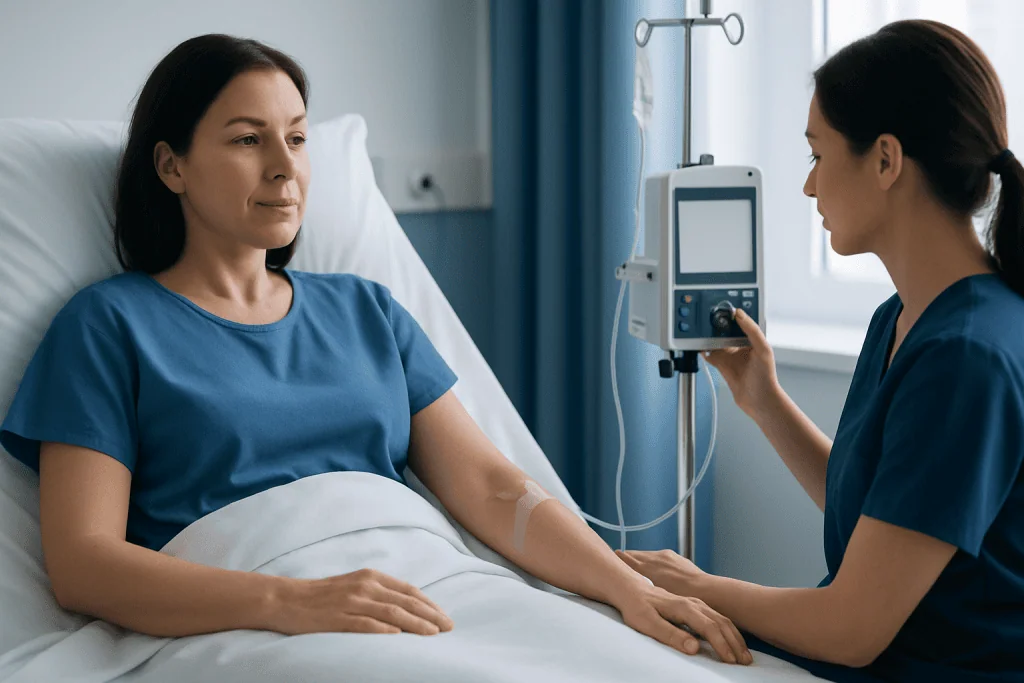
The first several days after an arm lift are usually the most uncomfortable. It is common to have swelling, bruising, tightness, and a pulling sensation along the inner arm where the incision is placed. Pain is often managed with the surgeon’s recommended medications and by keeping the arms elevated when possible.
Dressings and a compression garment are often used to support the tissues and reduce fluid buildup. Patients are usually advised to move around gently, because short walks can help circulation and lower the risk of complications. However, lifting, reaching overhead, pushing, or pulling should generally be avoided unless the surgeon has said otherwise.
It is also common to feel tired during this stage. Rest is important, but complete inactivity is not usually recommended. Small, frequent movements of the hands, wrists, and elbows may be encouraged to avoid stiffness while still protecting the healing area.
Week-by-Week Healing Timeline

Week 1: Swelling, bruising, and soreness are usually at their peak early in the week and then begin to settle. The arms may feel tight, and many patients need help with daily tasks such as dressing, bathing, or preparing meals.
Weeks 2-3: Discomfort often starts to improve, although the arms may still look swollen and feel firm. Some patients return to desk work or light routines if their surgeon approves, but they should still avoid heavy lifting and repetitive arm motion.
Weeks 4-6: Energy often returns, swelling continues to decrease, and movement becomes easier. Many surgeons begin to allow more exercise gradually, but upper-body strain, weight training, and intense workouts may still need to wait until healing is further along.
Weeks 6-12: The arms usually look more natural as residual swelling fades. Scars may still appear pink, raised, or firm, which is normal during the early stages of scar maturation. Final results continue to refine over the following months.
Healing can be slower if the surgery was extensive or if there are other factors such as smoking, poor nutrition, or medical conditions that affect circulation and tissue repair. Patients should follow the surgeon’s personalized timeline rather than comparing their recovery with someone else’s.
Causes & Risk Factors for a Slower Recovery
Some people heal more quickly than others. Factors that may slow arm lift recovery include smoking or nicotine use, diabetes, anemia, poor sleep, and not enough protein or overall calories during the healing period. A larger surgical area or combination procedures can also extend recovery time.
Medication use and individual health history may matter too. Blood thinners, certain supplements, and some chronic illnesses can affect bruising or healing, so patients should share a complete medical history before surgery and follow all medication instructions carefully.
Age alone does not determine how well someone recovers, but overall health and tissue quality are important. A surgeon will usually review these factors before recommending the procedure and may explain whether a patient’s goals are better matched to an arm lift alone or to a combined approach such as arm liposuction or body aesthetics planning.
How Recovery Is Monitored and Diagnosed
Recovery after an arm lift is monitored through follow-up visits. The surgeon checks the incision line, swelling pattern, bruising, and overall arm shape, and may ask about pain, numbness, drainage, or changes in skin color. These visits help ensure that healing is progressing as expected.
Most of the time, arm lift recovery is a clinical process and does not require imaging tests. The most important “diagnostic” tools are the physical exam and the patient’s description of symptoms. If there is concern about a complication, the surgeon may evaluate the wound more closely or order tests based on the situation.
Patients should be honest about all symptoms, even if they seem minor. Small changes in how the incision feels or looks can help the care team identify whether healing is normal or whether additional treatment is needed.
Treatment Options During Recovery
Post-operative care after an arm lift is focused on comfort, safety, and protection of the healing tissues. Compression garments are commonly used, and the surgeon may recommend specific wound care steps to keep the incision clean and supported. Follow-up appointments are important for checking progress and deciding when activities can increase.
Managing discomfort often involves rest, elevation, and the medications prescribed by the surgical team. Patients should not add over-the-counter medicines or herbal products without checking first, because some can increase bleeding or interfere with healing.
If scars are a concern later in recovery, the surgeon may recommend scar care strategies such as silicone products, sun protection, or massage once the incision is fully closed and approved for treatment. In some cases, related aesthetic procedures such as aesthetic breast surgery or body contouring are discussed as part of a broader body-shaping plan, but only when appropriate for the patient’s goals and overall health.
Prevention & Self-care
Good self-care can make recovery smoother. Patients are usually advised to wear the compression garment exactly as directed, keep follow-up visits, and avoid smoking or nicotine exposure before and after surgery. Eating enough protein, staying hydrated, and getting adequate sleep also support tissue repair.
It helps to prepare the home before surgery with loose clothing, easy-to-reach items, and assistance for the first few days. Many patients find that button-front tops are easier than clothing that must be pulled over the head, especially while the arms are tender.
Sun protection matters once the incision is healed, because ultraviolet exposure can darken scars. Gentle activity, patience, and consistency with aftercare instructions are often the most effective ways to support a smooth recovery.
When to See a Doctor
Patients should contact their surgeon promptly if pain suddenly worsens, swelling increases on one side, the incision opens, or there is yellow, green, or foul-smelling drainage. Fever, spreading redness, or skin that becomes unusually hot should also be reported.
Numbness or altered sensation around the upper arm is often temporary, but it should still be mentioned during follow-up visits. If the hands become very swollen, the fingers change color, or arm movement becomes much more difficult, medical advice should be sought without delay.
Most arm lift patients heal without serious problems, and many concerns are manageable when they are addressed early. For international patients, Acibadem International’s multidisciplinary specialists and JCI-accredited hospitals can diagnose and treat this condition within a coordinated surgical and follow-up plan.
Frequently asked questions
How long does arm lift recovery usually take?
Most patients feel the early recovery phase improve over the first few weeks, but complete healing takes longer. Swelling and scar maturation can continue for several months even after normal activities resume.
When can someone return to work after an arm lift?
Return to work depends on the type of job and the surgeon’s advice. Desk work may be possible within 1-2 weeks for some patients, while physically demanding jobs usually require more time.
Is arm lift recovery painful?
Mild to moderate discomfort is common at first, especially tightness and soreness along the incision line. Pain usually improves gradually and is often manageable with the care plan given by the surgical team.
When can exercise be resumed?
Light walking is often encouraged early, but heavier exercise must wait until the surgeon says the tissues are ready. Upper-body workouts and lifting are commonly delayed longer than gentle activity.
What is normal swelling after an arm lift?
Swelling is expected, especially during the first 1-2 weeks. It should slowly decrease over time, although some fullness can remain for weeks or months as the tissues settle.
Will the scars fade completely?
Scars usually become less noticeable, but they rarely disappear completely. Their appearance often improves gradually over many months with proper scar care and sun protection.
References
- American Society of Plastic Surgeons
- Mayo Clinic
- Cleveland Clinic
- MedlinePlus
This article is for general information only and is not a substitute for professional medical advice. Please consult a qualified doctor about your individual situation.
Arm Lift in Turkey — costs, top hospitals & a free quote
JCI-accredited · board-certified surgeons · reply within 24h
Add us as a Preferred Source to see more of our trusted health content across Google Search, AI Overviews and Discover.

Plastic, Reconstructive & Aesthetic Surgery
Reconstructive and aesthetic procedures for the face and body, performed by experienced surgeons.
35 specialists in this unitRelated Treatments
Related Conditions
More from the Health Library



Related Specialists

Prof. Dr. Şükrü Yazar
Aesthetic Plastic & Reconstructive Surgery
Assoc. Prof. Dr. Erdem Güven (m)
Aesthetic Plastic & Reconstructive Surgery
Prof. Dr. Hakan Ağır
Aesthetic Plastic & Reconstructive Surgery
Prof. Dr. Bülent Saçak
Aesthetic Plastic & Reconstructive Surgery