Bariatric Operations Explained: How Surgeons Choose the Right Procedure

Different bariatric procedures work in different ways, such as reducing stomach size, changing digestion, or both. The best operation depends on medical needs, body mass index, eating habits, and long-term goals.
Key Takeaways
- Different bariatric procedures work in different ways, such as reducing stomach size, changing digestion, or both.
- The best operation depends on medical needs, body mass index, eating habits, and long-term goals.
- A full evaluation usually includes nutritional, psychological, and medical assessments before surgery.
- Successful outcomes rely on lifelong follow-up, vitamin support when needed, and healthy lifestyle changes.
- There is no single “best” bariatric operation for everyone.
Bariatric surgery is not a single operation but a group of procedures designed to support meaningful, lasting weight loss and improve obesity-related health conditions. Surgeons choose the most suitable option by looking at overall health, body weight, eating patterns, medical history, and the patient’s ability to follow long-term lifestyle and nutrition plans.
Overview: What bariatric surgery aims to do
Bariatric surgery refers to several operations that help people lose weight by changing the size of the stomach, the way food moves through the digestive system, or both. These procedures are usually considered for people with obesity when lifestyle treatment alone has not led to enough weight loss or when excess weight is seriously affecting health. The main goals are not only weight reduction but also improvement in conditions such as type 2 diabetes, high blood pressure, sleep apnea, and fatty liver disease.
When people search for bariatric operations explained, they often want to know why there are different procedures instead of one standard surgery. The reason is that obesity is complex. Two people with the same weight may have very different medical conditions, eating behaviors, reflux symptoms, surgical histories, and long-term needs. A procedure that is highly suitable for one person may be less appropriate for another.
Modern bariatric surgery is typically planned by a multidisciplinary team. This may include a bariatric surgeon, endocrinologist, dietitian, psychologist or psychiatrist, anesthesiologist, and other specialists when needed. Together, they assess whether surgery is likely to be safe, effective, and sustainable for the individual patient.
Main types of bariatric operations
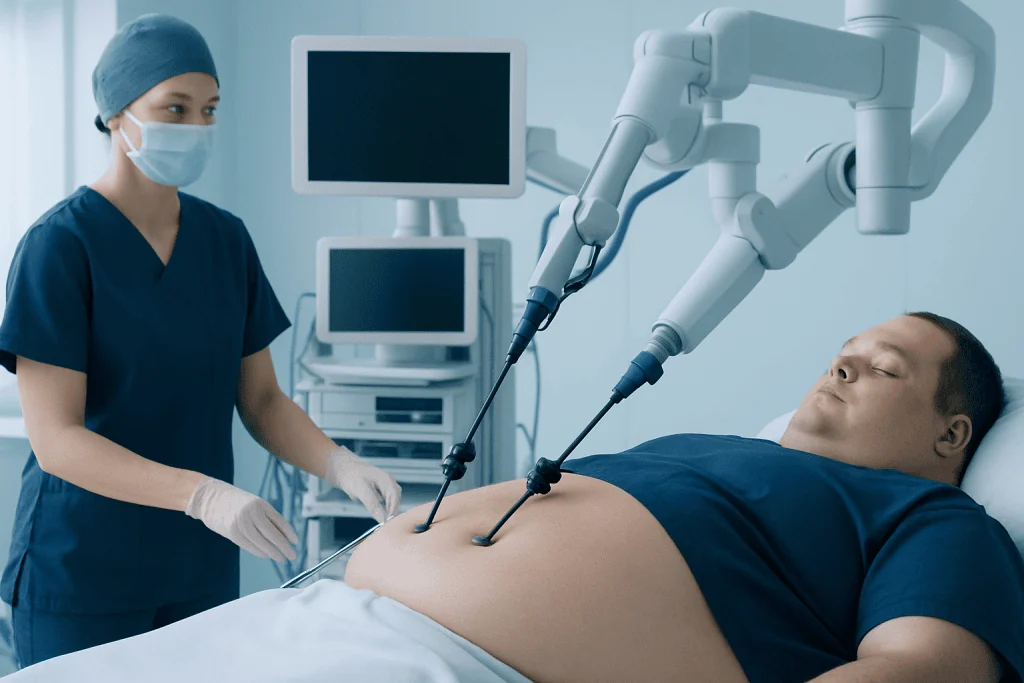
The most commonly used bariatric procedures include sleeve gastrectomy and gastric bypass. In a sleeve gastrectomy, a large part of the stomach is removed, leaving a narrow, tube-shaped stomach. This limits how much food can be eaten at one time and also affects hormones involved in hunger and fullness. Patients may hear this described as gastric sleeve surgery or sleeve gastrectomy.
Gastric bypass creates a small stomach pouch and reroutes part of the small intestine. This reduces the amount of food that can be eaten and changes how calories and nutrients are absorbed. It can be especially helpful for some people with type 2 diabetes or severe acid reflux, although it also requires careful long-term nutritional monitoring. This option is commonly known as gastric bypass.
Other procedures may be considered in selected situations. Adjustable gastric banding uses a band to create a smaller upper stomach pouch, but it is less commonly chosen today because weight loss may be more modest and device-related issues can occur. Non-surgical or temporary options, such as a gastric balloon, may be discussed for some patients, but these are not the same as definitive bariatric surgery. Surgeons may also consider whether a minimally invasive approach such as laparoscopic surgery is possible, as this often supports a smoother recovery.
- Sleeve gastrectomy: reduces stomach size and affects appetite hormones.
- Gastric bypass: reduces stomach size and alters digestion.
- Gastric banding: adjustable restrictive procedure, now less common.
- Gastric balloon: temporary, non-surgical weight loss aid for selected patients.
How surgeons decide which procedure is right

Choosing a bariatric operation is a personalized decision rather than a simple ranking of procedures. Surgeons usually start by looking at body mass index, obesity-related illnesses, age, prior abdominal operations, and overall fitness for anesthesia and surgery. They also consider how much weight loss is needed to improve health and whether the patient has conditions that may favor one operation over another.
Symptoms and eating patterns matter a great deal. For example, someone with significant gastroesophageal reflux may not be the best candidate for a sleeve in some situations, while a bypass may better address both weight and reflux. A person who frequently snacks on calorie-dense foods, has poorly controlled type 2 diabetes, or needs greater metabolic effect may also be evaluated differently from someone whose main issue is large meal portions. In patients with severe obesity, including morbid obesity, the team may discuss which procedure offers the best balance of effectiveness and long-term safety.
The surgeon also assesses whether the patient can commit to lifelong follow-up. Some operations require more intensive vitamin and mineral monitoring than others. The best procedure is often the one that matches not only medical needs but also the person’s ability to attend regular checkups, follow nutrition guidance, take supplements correctly, and adapt daily habits after surgery.
Preoperative assessment and tests
Before surgery, patients usually undergo a detailed medical evaluation. This may include blood tests, heart and lung assessment, sleep apnea screening, and sometimes upper gastrointestinal evaluation. The exact workup depends on symptoms and medical history. The goal is to identify any condition that may affect surgical planning, safety, or recovery.
Nutritional assessment is essential. A dietitian typically reviews eating patterns, portion sizes, previous dieting attempts, protein intake, and vitamin status. Deficiencies in iron, vitamin B12, folate, vitamin D, or other nutrients may be corrected before the operation. Patients are also taught how eating will change after surgery, including the need for smaller meals, slow eating, hydration, and adequate protein.
Psychological evaluation is another important part of preparation. This is not meant to exclude people unfairly, but to support success and safety. The team may look for depression, anxiety, binge eating, alcohol misuse, unrealistic expectations, or stressors that could interfere with recovery. If another surgical problem is present, such as an incisional hernia, it may also need to be considered during the overall treatment plan.
Benefits, limitations, and possible risks of each option
All bariatric procedures have potential benefits and trade-offs. Sleeve gastrectomy is widely performed and does not reroute the intestine, which makes its anatomy somewhat simpler than bypass. It can produce significant weight loss and improve metabolic health. However, it is not reversible, and in some patients reflux symptoms may continue or worsen.
Gastric bypass often leads to strong weight loss and can be especially effective for type 2 diabetes and significant reflux. At the same time, because it changes digestion more extensively, it may carry a greater risk of certain nutrient deficiencies and requires careful lifelong supplementation and monitoring. Adjustable gastric banding avoids stomach removal and intestinal rerouting, but long-term outcomes may be less favorable for some patients, and band-related problems can require further procedures.
As with any operation, risks may include bleeding, infection, blood clots, leakage from surgical connections or staple lines, narrowing, ulcers, gallstones, or nutritional deficiencies. The exact risk profile depends on the procedure and the patient’s health. Most bariatric surgery today is performed with minimally invasive techniques, often using laparoscopic surgery, which may reduce pain and shorten hospital stay compared with open surgery in appropriate cases.
Recovery and long-term life after bariatric surgery
Recovery does not end when the hospital stay is over. In the first weeks after surgery, eating progresses gradually from liquids to soft foods and then to regular textured meals, according to the team’s instructions. Patients learn to take small bites, chew thoroughly, stop when full, and separate fluids from meals if advised. This gradual adjustment helps protect healing and reduces discomfort.
Long-term success depends heavily on follow-up. Bariatric surgery changes how the body handles food, but it does not remove the need for healthy habits. Regular exercise, protein-focused meals, hydration, sleep, and emotional support all play an important role. Vitamin and mineral supplements are often necessary, especially after procedures that alter absorption.
Weight loss after surgery is usually gradual over months rather than immediate. Plateaus can happen, and some weight regain is possible over time if eating patterns shift back toward frequent snacking, sugary drinks, or low-activity routines. Continued appointments with the surgical team and dietitian help patients identify concerns early and maintain progress in a realistic, supportive way.
Who may not be a good candidate right away
Not everyone is ready for bariatric surgery at the same time. Some people may need further evaluation or treatment before an operation is considered safe. Examples include uncontrolled psychiatric illness, untreated substance misuse, severe nutritional deficiencies, or medical conditions that need stabilization first. In these situations, delaying surgery can help improve outcomes rather than prevent treatment altogether.
Surgeons also look at whether the patient understands what surgery can and cannot do. Bariatric procedures are powerful tools, but they do not replace healthy eating, movement, and lifelong follow-up. A person expecting surgery to work without any behavioral change may need more education and support before proceeding. In selected cases, temporary measures such as non-surgical stomach reduction approaches may be discussed as part of a broader weight management plan.
Previous abdominal surgery, hernias, digestive disorders, or unusual anatomy can also affect the choice of procedure. These issues do not automatically rule out bariatric surgery, but they may influence whether a surgeon recommends one operation over another or advises additional imaging and specialist review first.
When to speak with a bariatric specialist
It may be time to speak with a bariatric specialist if excess weight is affecting daily life or contributing to conditions such as diabetes, high blood pressure, sleep apnea, joint pain, or reduced mobility. A consultation can help clarify whether surgery is appropriate, which procedures may fit best, and what preparation would be needed. Even if surgery is not the next step, a specialist can explain other medical and lifestyle options.
People often benefit from specialist advice if they have tried structured diet and exercise programs repeatedly without durable results. This is especially true when obesity-related conditions are progressing. A bariatric evaluation is not a commitment to surgery; it is an opportunity to receive individualized information and understand the balance of benefits, risks, and long-term responsibilities.
For international patients seeking coordinated care, Acibadem International’s multidisciplinary specialists in JCI-accredited hospitals diagnose and treat obesity and bariatric conditions with individualized planning. The most important next step is a discussion with a qualified doctor who can review personal health history and recommend the safest, most suitable path forward.
Frequently asked questions
What is the difference between sleeve gastrectomy and gastric bypass?
Sleeve gastrectomy mainly works by reducing stomach size and affecting hunger-related hormones. Gastric bypass also creates a small stomach pouch but additionally reroutes part of the intestine, which changes digestion and can have a stronger effect on some metabolic conditions.
How do surgeons know which bariatric procedure is best?
Surgeons look at body mass index, obesity-related diseases, reflux symptoms, eating habits, prior surgeries, and overall surgical risk. They also consider how well a person can follow lifelong nutrition guidance, supplementation, and medical follow-up.
Is there one bariatric operation that is safest for everyone?
No single operation is safest or best for every patient. The safest and most effective choice depends on personal health factors, anatomy, goals, and long-term needs, which is why careful specialist assessment is important.
Can bariatric surgery help conditions other than weight?
Yes. Bariatric surgery may improve or sometimes lead to remission of obesity-related conditions such as type 2 diabetes, high blood pressure, obstructive sleep apnea, and fatty liver disease. The degree of improvement varies from person to person and depends on the procedure and ongoing lifestyle changes.
Will a patient need vitamins after bariatric surgery?
Many patients do need vitamin and mineral supplements after bariatric surgery, especially after operations that change nutrient absorption. The exact supplements depend on the procedure and blood test results, so regular follow-up is essential.
How long does recovery usually take after bariatric surgery?
Early recovery often takes a few weeks, but full adjustment to new eating patterns and routines takes longer. Most people gradually progress through diet stages, return to regular activity in steps, and continue follow-up for months and years after surgery.
References
- World Health Organization
- American Society for Metabolic and Bariatric Surgery
- National Institute of Diabetes and Digestive and Kidney Diseases
- National Health Service
- American Diabetes Association
This article is for general information only and is not a substitute for professional medical advice. Please consult a qualified doctor about your individual situation.
Medical weight-loss options in Turkey — costs & eligibility
JCI-accredited · board-certified surgeons · reply within 24h
Add us as a Preferred Source to see more of our trusted health content across Google Search, AI Overviews and Discover.
Check your numbers in seconds
BMI, calories, due date, blood pressure and 30+ more clinical calculators — free, instant, doctor-reviewed ranges.