Bariatric Surgery in Turkey vs at Home: What International Patients Should Compare

The best choice depends on medical suitability, safety, and long-term support, not cost alone. Patients should compare hospital accreditation, surgeon experience, complication management, and aftercare plans.
Key Takeaways
- The best choice depends on medical suitability, safety, and long-term support, not cost alone.
- Patients should compare hospital accreditation, surgeon experience, complication management, and aftercare plans.
- Travel for bariatric surgery adds practical factors such as flights, recovery away from home, and communication needs.
- A complete cost comparison should include tests, hospital stay, medications, travel, and follow-up care.
- Successful weight loss surgery requires lifelong nutrition, exercise, and medical follow-up wherever it is performed.
Choosing where to have bariatric surgery involves more than comparing prices. International patients should weigh safety standards, surgeon expertise, procedure options, follow-up care, travel logistics, and the support needed for long-term weight management.
Overview: How to Compare Bariatric Surgery Abroad and at Home
Bariatric surgery can be a life-changing treatment for people living with severe excess weight and related health problems. For some international patients, comparing bariatric surgery in Turkey vs at home becomes part of the decision-making process because access, waiting times, cost, and treatment availability may differ from one country to another.
A good comparison starts with the understanding that bariatric surgery is not a single event. It includes medical assessment before surgery, the operation itself, recovery, nutrition planning, psychological support, and long-term follow-up. Whether surgery takes place locally or abroad, these steps are essential to safety and lasting results.
Turkey is often considered by patients looking for bariatric surgery because some hospitals offer comprehensive programs for international patients. Still, the right destination depends on the individual’s medical condition, ability to travel, support at home, and confidence in the care pathway.
Who May Be a Candidate for Bariatric Surgery
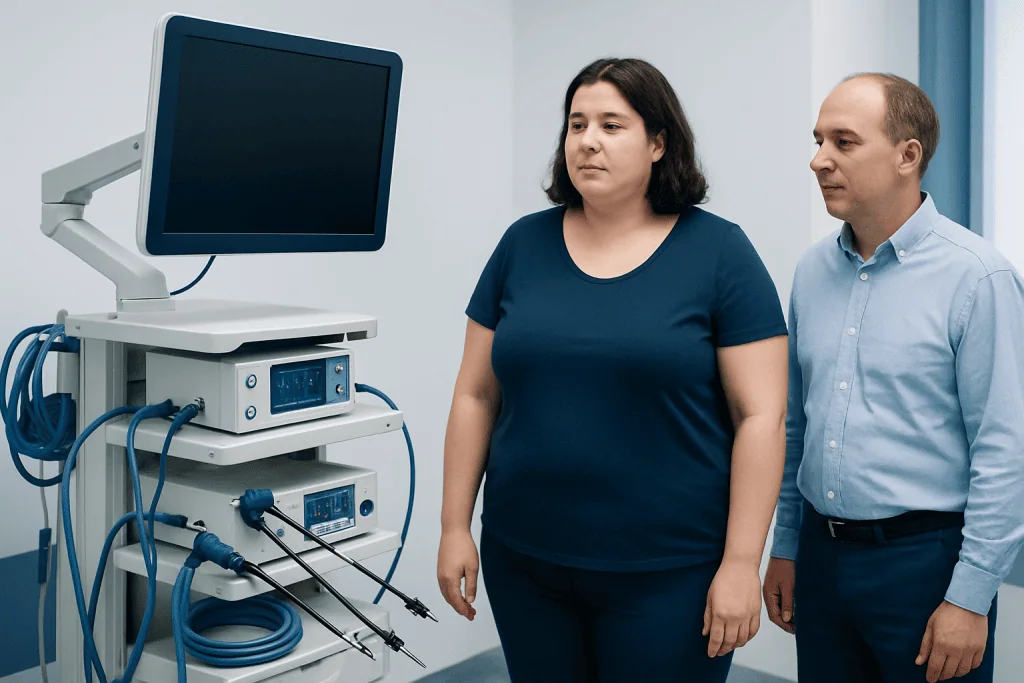
Bariatric surgery is generally considered for adults with obesity when lifestyle measures alone have not led to durable weight loss, especially if weight is affecting health. Common related conditions include type 2 diabetes, high blood pressure, sleep apnea, joint strain, fatty liver disease, and reduced quality of life. People with morbid obesity may be evaluated for surgery as part of a structured obesity treatment plan.
Not every person with excess weight is automatically a candidate. Doctors usually assess body mass index, previous weight-loss efforts, eating patterns, medications, mental health, and any medical conditions that could affect surgical risk. The ability to follow lifelong dietary guidance and attend follow-up appointments is also a key part of selection.
For international patients, candidacy assessment should be particularly thorough before travel is arranged. This may include sharing medical records in advance, having online consultations, and completing laboratory tests or imaging before arriving. A careful preoperative review helps avoid unnecessary travel and supports safer planning.
Which Procedures Should Be Compared

When comparing care in Turkey with care at home, patients should ask whether the same procedures are available and whether the recommendation is tailored to their needs. Common operations include gastric sleeve surgery and gastric bypass. Some centers also offer other options such as gastric balloon placement for selected patients who are not suitable for surgery or prefer a non-surgical approach.
Each procedure works differently. Sleeve gastrectomy reduces stomach size and influences hunger-related hormones. Gastric bypass both reduces stomach capacity and changes how food moves through the digestive tract. Non-surgical or less invasive options may lead to more modest weight loss and may not be suitable for people with more severe obesity or certain metabolic conditions.
Patients should ask why a specific procedure is recommended, what benefits are expected, and what trade-offs may exist. These can include differences in weight-loss potential, vitamin supplementation needs, reflux symptoms, bowel changes, and the complexity of future revision surgery. The goal is not to choose the newest or most popular procedure, but the one that best fits the patient’s health profile and long-term needs.
Safety, Accreditation, and Surgeon Experience
Safety should be the first point of comparison. Patients should look at whether the hospital is properly accredited, whether the bariatric team follows recognized clinical pathways, and whether there is access to intensive care, imaging, endoscopy, and emergency surgery if needed. These systems matter because complications, while uncommon, require fast and coordinated management.
Surgeon experience is also important. Patients can ask how often the surgeon performs the recommended procedure, whether a multidisciplinary team is involved, and how complications are handled after discharge. Experience is not only about technical skill. It also includes patient selection, preparation, and long-term medical follow-up.
International patients may wish to confirm details such as language support, pre-anesthesia evaluation, infection prevention practices, and what happens if an issue develops after returning home. If a patient has had previous abdominal surgery, conditions such as incisional hernia may also influence operative planning and should be reviewed before travel.
- Check hospital accreditation and emergency care capability.
- Ask about the surgeon’s procedure-specific experience.
- Confirm who provides nutrition, psychology, and internal medicine support.
- Understand the plan for complications both abroad and after returning home.
Cost, Waiting Times, and What the Price Really Includes
Cost is often one reason patients compare surgery abroad with surgery at home, but it should be assessed carefully. A lower package price may look attractive at first, yet the true total includes far more than the operation. Patients should ask what is included in consultations, blood tests, imaging, anesthesia, hospital stay, medications, compression garments if needed, supplements, and follow-up visits.
Travel-related costs also matter. Flights, accommodation, meals, insurance considerations, time away from work, and the possibility of a companion traveling with the patient can significantly affect the overall budget. If a longer stay becomes necessary because of recovery needs or an unexpected issue, the total cost may change further.
Waiting times can differ greatly between healthcare systems. Some patients choose treatment abroad because local access is delayed or restricted. Even so, a shorter waiting time should not replace careful medical assessment. The best value is usually found in a program that combines safety, transparent pricing, and a realistic long-term plan rather than the lowest headline cost alone.
Follow-Up Care, Nutrition, and Life After Surgery
Long-term success after bariatric surgery depends heavily on follow-up. Patients need structured guidance on eating progression, hydration, protein intake, physical activity, vitamin and mineral supplementation, and monitoring for side effects or nutritional deficiencies. This is one of the most important areas to compare when considering surgery in Turkey vs at home.
Patients should ask who will provide aftercare once they return home. Some international centers arrange remote follow-up by video consultation, while some patients also coordinate with a local doctor or dietitian. Follow-up should be scheduled, not left to chance, and it should continue beyond the early recovery period.
It is also important to discuss what happens if symptoms develop after travel, such as vomiting, dehydration, fever, abdominal pain, poor oral intake, or signs of a wound problem. In some cases, additional procedures such as gastric laparoscopic surgery may be relevant in a broader obesity care pathway, but patients should always understand how postoperative concerns will be assessed and where urgent care should be sought.
Travel, Recovery, and Practical Questions International Patients Should Ask
Travel adds a practical layer that local surgery does not. Patients need to consider whether they are fit to fly, how long they should stay near the treating hospital, and whether they will have enough support during early recovery. A smooth medical journey usually involves clear instructions about arrival, admission, discharge, mobilization, hydration, and the timing of return travel.
Being away from home after surgery can feel reassuring for some patients if support services are well organized, but challenging for others. Language interpretation, transportation, dietary arrangements, and access to help outside normal clinic hours all matter. Patients should also consider whether they are comfortable recovering in a hotel or apartment rather than at home.
A balanced comparison includes emotional and practical readiness as well as medical facts. Near the end of the decision process, some patients choose to speak with more than one center and request a written treatment plan. Acibadem International’s multidisciplinary specialists and JCI-accredited hospitals diagnose and treat obesity and support international patients through evaluation, surgery, and follow-up planning.
How to Make the Final Decision and When to Seek Medical Advice
The final decision should come from a combination of medical suitability, informed consent, and confidence in the full care pathway. Patients may find it helpful to compare centers using the same checklist: candidacy assessment, procedure recommendation, accreditation, surgeon experience, complication support, recovery plan, total cost, and aftercare. If one option is cheaper but less clear about follow-up or emergency planning, that may be an important warning sign.
Anyone considering bariatric surgery should speak with a qualified bariatric surgeon and, if possible, a physician familiar with obesity-related health conditions. A second opinion can be useful, especially if the recommended procedure differs between centers or if there are complex medical issues such as diabetes, severe reflux, previous abdominal operations, or suspected hernia problems like umbilical hernia.
Urgent medical advice is needed if a patient considering travel has active infection, uncontrolled chronic disease, unexplained abdominal symptoms, or a recent major health event. After surgery, red-flag symptoms such as chest pain, shortness of breath, persistent vomiting, severe abdominal pain, fainting, fever, or inability to drink fluids should be assessed immediately by a doctor.
Frequently asked questions
Is bariatric surgery in Turkey safe?
Bariatric surgery in Turkey can be safe when it is performed in a properly accredited hospital by an experienced multidisciplinary team. Patients should check surgeon qualifications, hospital standards, emergency support, and the follow-up plan before making a decision.
What should patients compare besides price?
Patients should compare procedure suitability, surgeon experience, hospital accreditation, anesthesia support, complication management, and long-term follow-up. A low upfront price may not include travel, medications, supplements, or care needed after returning home.
Is follow-up harder if surgery is done abroad?
It can be, unless there is a clear aftercare plan. Good programs usually provide scheduled remote follow-up and recommend coordination with a local doctor or dietitian for routine monitoring and urgent concerns.
How long should a patient stay in Turkey after bariatric surgery?
The recommended stay depends on the procedure, the patient’s health, and the surgeon’s protocol. Patients usually need time for hospital recovery, early postoperative checks, and confirmation that they are fit to travel before flying home.
Can a local doctor provide care after surgery performed in another country?
In many cases, yes, especially for routine blood tests, nutrition monitoring, and general medical follow-up. It is wise to arrange this in advance and share the surgical summary, medication list, and follow-up recommendations with the local care team.
Which bariatric procedure is best?
There is no single best procedure for everyone. The most suitable option depends on factors such as body weight, diabetes, reflux, eating habits, prior abdominal surgery, and the patient’s ability to maintain long-term follow-up.
References
- World Health Organization
- American Society for Metabolic and Bariatric Surgery
- National Institute for Health and Care Excellence
- International Federation for the Surgery of Obesity and Metabolic Disorders
- Centers for Disease Control and Prevention
This article is for general information only and is not a substitute for professional medical advice. Please consult a qualified doctor about your individual situation.
Bariatric Surgery in Turkey — costs, top hospitals & a free quote
JCI-accredited · board-certified surgeons · reply within 24h
Add us as a Preferred Source to see more of our trusted health content across Google Search, AI Overviews and Discover.
Check your numbers in seconds
BMI, calories, due date, blood pressure and 30+ more clinical calculators — free, instant, doctor-reviewed ranges.

Bariatric & Metabolic Surgery
Surgical and endoscopic treatments for obesity and metabolic conditions.