Bariatric Surgery Success Rates: What Results Are Realistic Long Term?

Bariatric surgery is usually considered successful when it produces durable weight loss and improves obesity-related health problems. Long-term results depend on the type of procedure, starting health, eating habits, physical activity, and regular follow-up.
Key Takeaways
- Bariatric surgery is usually considered successful when it produces durable weight loss and improves obesity-related health problems.
- Long-term results depend on the type of procedure, starting health, eating habits, physical activity, and regular follow-up.
- Some weight regain can happen over time and does not always mean the surgery has failed.
- Success includes more than the number on the scale, such as better blood sugar, blood pressure, sleep, mobility, and quality of life.
- Lifelong vitamin supplementation, nutrition monitoring, and medical checkups are important after many bariatric procedures.
Bariatric surgery can lead to meaningful, long-term weight loss and improvement in obesity-related health conditions, but results vary from person to person. The most realistic expectation is not perfection, but steady health gains supported by lifelong nutrition, activity, and follow-up care.
Overview: What “Success” Means After Bariatric Surgery
When people ask about bariatric surgery success rates, they often want a single number. In reality, success is broader than total kilograms lost. Doctors usually look at several outcomes together: how much weight is lost, how much of that loss is maintained over time, whether obesity-related conditions improve, and how daily life changes after surgery.
For many patients, bariatric surgery is one of the most effective treatments for severe obesity, especially when excess weight has affected health. Procedures such as bariatric surgery, gastric sleeve surgery, and gastric bypass can help reduce food intake, change hunger signals, and improve metabolism. These changes can support weight loss that is often more substantial and more durable than lifestyle treatment alone in appropriately selected patients.
Still, long-term results are not identical for everyone. Some people lose a large amount of weight and keep most of it off for many years. Others lose less than expected or regain some weight over time. A realistic approach is to see surgery as a powerful medical tool rather than a stand-alone cure.
What Long-Term Results Are Realistic?
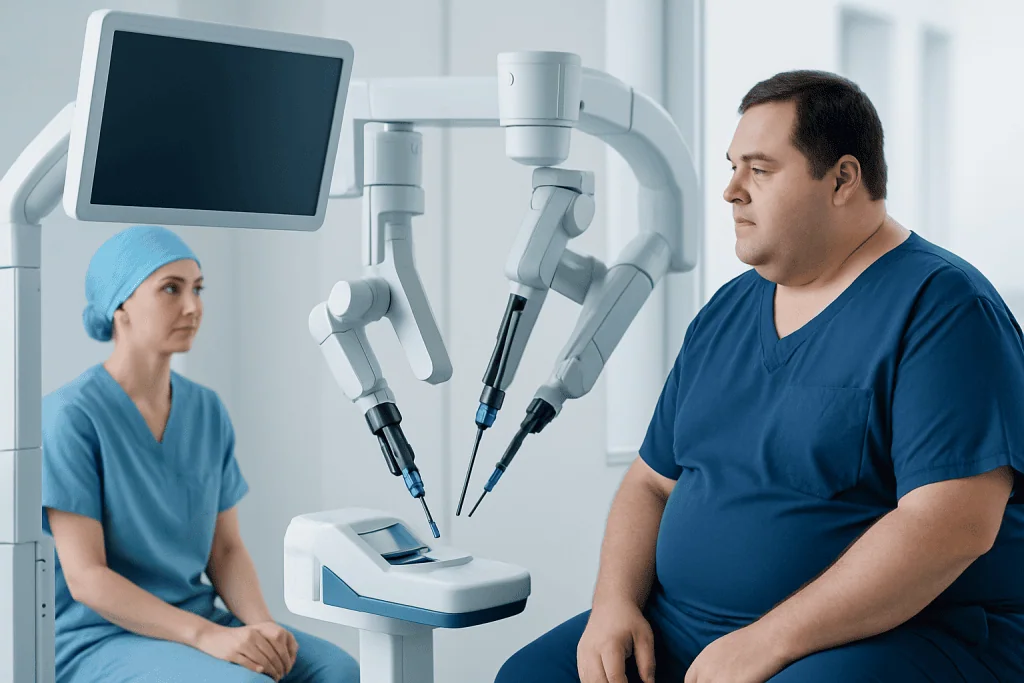
Realistic long-term results depend on the procedure performed and the patient’s health before surgery. In general, many people experience the greatest weight loss during the first 12 to 18 months. After that, weight usually stabilizes, and some degree of regain may occur. This pattern is common and should be discussed openly before surgery.
Clinicians often measure success using percentage of excess weight loss or percentage of total body weight loss, but patients may find it more meaningful to focus on practical outcomes. These can include fitting into daily activities more easily, reducing medications, improving fertility, sleeping better, or having less joint pain. For people living with morbid obesity, even moderate sustained weight loss can produce important health benefits.
Long-term studies generally show that bariatric procedures can maintain significant weight loss for many years in many patients. Gastric bypass often produces strong weight loss and metabolic improvement, while sleeve gastrectomy also provides substantial results and is widely used. Less invasive options, such as gastric balloon, may help selected patients, but their long-term weight-loss durability is usually more limited than surgical procedures.
It is helpful to expect progress rather than perfection. A patient may still be medically successful even if they do not reach an “ideal” body weight. Reduced health risks, better physical function, and improved quality of life are meaningful outcomes.
Factors That Influence Success Rates

Several factors affect long-term bariatric surgery outcomes. The type of procedure matters, but it is only one part of the picture. Age, sex, baseline body mass index, diabetes status, mental health, sleep quality, hormone-related conditions, medications, and previous weight-loss attempts can all influence results.
Behavior after surgery is especially important. Patients who follow dietary guidance, prioritize protein, avoid frequent high-calorie liquids and snacks, stay physically active, and attend follow-up visits tend to do better over time. Surgery changes the digestive system, but it does not remove the need for daily habits that support health.
Emotional and social factors also matter. Stress, depression, binge eating, loss-of-control eating, alcohol misuse, and limited support at home can affect long-term success. Because of this, many bariatric programs include nutrition counseling and psychological assessment before and after surgery.
In some cases, medical or anatomical issues can contribute to less-than-expected weight loss or regain. These may include changes in stomach size over time, reflux symptoms, certain medications, or an underlying condition that affects weight regulation. Careful follow-up can help identify these issues early and guide treatment.
Health Benefits Beyond Weight Loss
Bariatric surgery is not only about appearance or the scale. One of its most important benefits is improvement in obesity-related disease. Many patients see better blood sugar control, lower blood pressure, improved cholesterol levels, and reduced strain on the heart and joints. Some people with type 2 diabetes experience remission or need fewer medications after surgery.
Sleep apnea, fatty liver disease, acid reflux, reduced mobility, and polycystic ovary syndrome may also improve in some patients, though the effect varies by individual and by procedure. Better breathing, easier movement, and less pain can make everyday life feel more manageable and can support further healthy behavior.
Mental and emotional outcomes can improve as well. Patients may report better self-confidence, greater participation in work or social life, and improved overall quality of life. At the same time, surgery does not automatically resolve body image concerns, emotional eating, or anxiety, so ongoing support remains valuable.
For these reasons, doctors define success in a broad way. A patient who loses a meaningful amount of weight and sees major health improvements may have an excellent result, even if they still live in a higher weight category than expected.
Weight Regain: Why It Happens and What Can Be Done
Weight regain after bariatric surgery is one of the most common concerns. A small amount of regain after the lowest postoperative weight is not unusual. The body naturally adapts to weight loss over time, appetite signals may shift, and eating patterns can gradually change. This does not automatically mean the operation has failed.
Regain can happen for many reasons, including grazing, frequent sweets or liquid calories, reduced physical activity, emotional eating, poor sleep, unmanaged stress, or missed follow-up care. In some patients, there may also be anatomical reasons that require medical review. The best response is not blame, but a structured reassessment with the bariatric team.
Management may include renewed nutrition counseling, behavioral therapy, exercise planning, treatment of sleep or mental health concerns, and in some cases anti-obesity medication. If needed, a doctor may also evaluate whether endoscopic or revisional treatment could help. This decision depends on the original procedure, symptoms, anatomy, and overall health.
Early action is useful. Patients who seek help when they notice upward trends in weight often have more options and better long-term support than those who wait until regain becomes substantial.
Follow-Up Care, Nutrition, and Lifestyle After Surgery
Long-term success depends heavily on follow-up care. After procedures such as sleeve gastrectomy or gastric bypass, patients need regular review to monitor weight trends, eating tolerance, hydration, vitamin levels, and overall health. Follow-up is especially important because nutritional deficiencies can develop gradually and may not cause symptoms right away.
Most bariatric patients need lifelong attention to nutrition. This often includes vitamin and mineral supplements, adequate protein intake, and regular blood tests. The exact plan depends on the procedure and the individual. Doctors and dietitians help patients build a sustainable eating pattern that supports weight maintenance and protects bone, nerve, and blood health.
Physical activity is another key part of long-term results. Exercise helps preserve muscle mass during weight loss, improves cardiovascular health, and can reduce the chance of regain. The goal is usually a realistic, gradual routine that the patient can maintain, rather than a short period of intense effort.
Support systems matter too. Group education, counseling, family involvement, and routine contact with a bariatric team can make healthy habits easier to sustain. Near the end of the care journey, some patients also need assessment for related issues such as skin folds, reflux, gallstones, or abdominal wall problems that may become more noticeable after weight loss.
Risks, Limitations, and Questions to Discuss Before Surgery
Bariatric surgery can be highly effective, but it is still major medical treatment and has limitations. No procedure can guarantee a specific amount of weight loss or lifelong maintenance. Patients should understand the recovery process, the need for permanent dietary changes, and the possibility of side effects or complications.
Potential concerns differ by procedure and may include nausea, vomiting, reflux, ulcers, dumping symptoms, gallstones, nutritional deficiencies, or surgical complications. Some risks are short term, while others may require long-term monitoring. This is why procedure choice should be personalized rather than based only on popularity or a friend’s experience.
Before surgery, patients should discuss their health conditions, previous abdominal operations, eating patterns, fertility plans, medication use, and expectations. It is also important to ask how success will be measured, what follow-up schedule is recommended, and what support is available if weight loss is slower than expected.
In experienced centers, care is usually delivered by a team that may include bariatric surgeons, endocrinologists, dietitians, psychologists, anesthesiologists, and nurses. Acibadem International’s multidisciplinary specialists in JCI-accredited hospitals diagnose and treat obesity and provide evaluation for suitable bariatric procedures for international patients.
When to Seek Medical Advice After Bariatric Surgery
Routine follow-up should continue even when a patient feels well. Regular reviews help detect nutritional deficiencies, medication changes, or gradual regain before they become harder to manage. Patients should contact their care team if they have persistent vomiting, severe reflux, trouble swallowing, dehydration, fainting, unusual weakness, or signs of vitamin deficiency such as numbness or ongoing fatigue.
Medical advice is also important if weight loss is much less than expected or if weight regain becomes noticeable. A timely assessment can reveal whether the issue is nutritional, behavioral, hormonal, medication-related, or anatomical. Many causes can be addressed with individualized support.
Anyone considering surgery should seek evaluation from a qualified bariatric team rather than relying only on online weight-loss claims. Long-term success is most likely when decisions are based on medical history, realistic expectations, and a plan for lifelong care.
Frequently asked questions
How successful is bariatric surgery in the long term?
Bariatric surgery is generally one of the most effective long-term treatments for severe obesity when patients are carefully selected and followed over time. Many people maintain meaningful weight loss for years and also see improvement in conditions such as type 2 diabetes, high blood pressure, and sleep apnea.
What is a realistic amount of weight loss after bariatric surgery?
Realistic results depend on the procedure, starting weight, and long-term habits. Most patients lose the greatest amount during the first 12 to 18 months, and the most helpful goal is usually sustained health improvement rather than reaching an idealized body weight.
Is some weight regain normal after bariatric surgery?
Yes. A modest amount of weight regain after the lowest postoperative weight is common and does not automatically mean the surgery failed. What matters most is the overall long-term pattern and whether health benefits are being maintained.
Which procedure has better long-term results, sleeve or bypass?
Both sleeve gastrectomy and gastric bypass can produce substantial long-term weight loss and health improvement. Gastric bypass may offer stronger metabolic effects for some patients, while sleeve gastrectomy is also highly effective and may be preferred depending on reflux symptoms, anatomy, and overall medical needs.
Can bariatric surgery cure diabetes?
Some patients with type 2 diabetes experience remission after bariatric surgery, especially when the disease is caught earlier and insulin production is still adequate. However, remission is not guaranteed, and some people still need medication or may see diabetes return later.
Do patients need vitamins forever after bariatric surgery?
Many patients do need lifelong vitamin and mineral supplementation, especially after procedures that change digestion or absorption. The exact supplements and lab monitoring schedule depend on the operation and should be guided by the bariatric team.
What should someone do if weight loss is slower than expected?
They should contact their bariatric team rather than trying extreme diets or supplements on their own. A doctor or dietitian can review eating patterns, physical activity, medications, sleep, mental health, and possible anatomical issues to create a safer and more effective plan.
References
- American Society for Metabolic and Bariatric Surgery
- National Institute of Diabetes and Digestive and Kidney Diseases
- National Institute for Health and Care Excellence
- World Health Organization
- Mayo Clinic
This article is for general information only and is not a substitute for professional medical advice. Please consult a qualified doctor about your individual situation.
Bariatric Surgery in Turkey — costs, top hospitals & a free quote
JCI-accredited · board-certified surgeons · reply within 24h
Add us as a Preferred Source to see more of our trusted health content across Google Search, AI Overviews and Discover.
Check your numbers in seconds
BMI, calories, due date, blood pressure and 30+ more clinical calculators — free, instant, doctor-reviewed ranges.

Bariatric & Metabolic Surgery
Surgical and endoscopic treatments for obesity and metabolic conditions.