There Is No Single Best Breast Augmentation for Everyone

No single implant, size, or technique is best for everyone. A suitable breast augmentation is planned around your anatomy, health history, and goals during a consultation with a qualified plastic surgeon. Implant type, placement, and even alternatives such as a lift or fat transfer are decided individually.
Key Takeaways
- A safe choice begins with consultation by a board-qualified plastic surgeon and clear, realistic expectations.
- Implants vary in filling, shape, profile, and surface; the most suitable option depends on individual anatomy and preferences.
- Breast augmentation is surgery, so it involves anaesthesia, scars, recovery time, and potential complications.
- Breast implants are not lifetime devices and may require monitoring, imaging, or future surgery.
- Urgent assessment is important for sudden breast swelling, severe pain, redness, fever, or breathing difficulty after surgery.
The best breast augmentation is not one implant type, size, or technique for everyone. It is a carefully planned procedure that matches a person’s anatomy, goals, health history, and willingness to attend long-term follow-up with a qualified plastic surgeon.
What is the best breast augmentation?
The best breast augmentation is the option that improves breast volume or shape while prioritising health, informed decision-making, and a result that is proportionate to the individual’s body. There is no universally “best” implant, cup size, incision, or surgical plan. A suitable approach is selected after a detailed discussion of goals, breast and chest-wall anatomy, skin quality, previous pregnancies or weight changes, and medical history.
Breast augmentation is a surgical procedure that increases breast volume, most commonly using implants. It may be chosen to enhance naturally small breasts, restore volume after pregnancy or weight loss, improve symmetry, or reconstruct a breast after medical treatment. Some people may benefit more from a breast lift, fat transfer, or a combined procedure than from implants alone.
A safe decision includes understanding what surgery can and cannot achieve. Computer imaging, before-and-after examples, and implant sizers can support communication during a consultation, but they cannot guarantee an exact appearance. The goal is an informed, balanced choice rather than choosing the largest possible implant or copying another person’s result.
How breast augmentation works
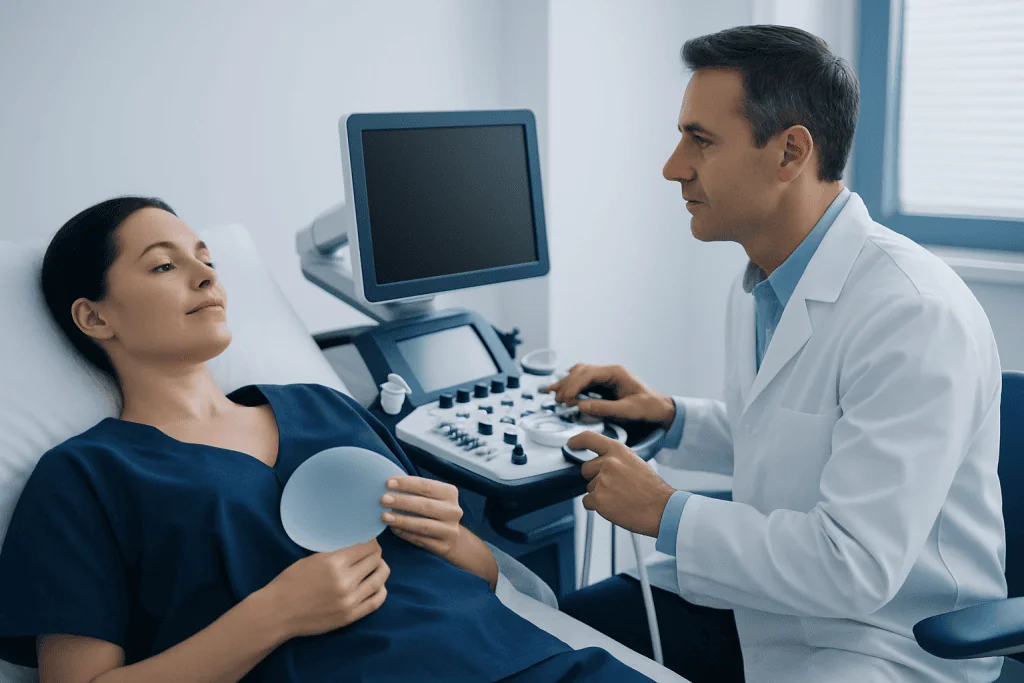
During breast augmentation, a surgeon creates a pocket in the breast area and places an implant either behind the breast tissue and in front of the chest muscle, or partly or fully beneath the chest muscle. The best placement depends on the amount of existing breast tissue, tissue coverage, physical activity, desired appearance, and the surgeon’s clinical assessment.
Modern implants are commonly filled with silicone gel or saline. Silicone gel implants often feel more like natural breast tissue, while saline implants are filled with sterile salt water after placement and may require a smaller incision in some cases. Both types have benefits and limitations, and neither is automatically the right choice for every patient.
Implants are also available in different shapes, widths, projections, and surface designs. A surgeon considers the base width of the breast, the proportions of the chest, nipple position, skin stretch, and the desired volume. In selected patients, fat may be transferred from another area of the body to provide a modest increase in volume, although this does not replace implants for everyone.
People considering surgery can learn more about breast augmentation surgery as part of an individual consultation and treatment plan.
Who may be a candidate and how to choose safely
Potential candidates are generally adults in good overall health who have stable weight, do not smoke or are prepared to stop smoking as advised, and have clear reasons for seeking surgery. They should be able to understand the expected benefits, recovery needs, scars, possible complications, and the likelihood that future procedures may be necessary. Pregnancy and breastfeeding plans should also be discussed, as these can affect breast size, shape, and satisfaction with results.
The consultation is an important safety step. A qualified plastic surgeon should ask about medications, allergies, smoking or nicotine use, past surgery, bleeding problems, family history of breast cancer, and any changes in the breasts. The examination should include breast shape, symmetry, skin condition, nipple position, and the chest wall. A person should feel comfortable asking questions and should never feel pressured to decide quickly.
Look for a surgeon with recognised specialist training in plastic, reconstructive and aesthetic surgery, proper registration in the country where the surgery happens, and access to an accredited surgical facility. Ask who will give your anaesthesia, what follow-up is included, how complications are handled, and whether the surgeon has experience with revision surgery.
Breast enlargement cannot correct substantial breast drooping on its own. When the nipple and breast tissue have descended significantly, a breast lift may be recommended, with or without implants, to achieve a more balanced contour.
What happens before, during and after the procedure
Before surgery, the care team may arrange blood tests or other assessments when clinically indicated. Patients receive instructions about fasting, medications, supplements, alcohol, nicotine, transport home, and support during the first days of recovery. A baseline breast examination and age-appropriate breast imaging may be advised depending on individual risk factors and local screening recommendations.
Breast augmentation is usually performed under general anaesthesia. The surgeon makes an incision, often in the breast crease, around the lower edge of the areola, or occasionally in the underarm area. The implant pocket is carefully created, the selected implant is inserted and positioned, and the incision is closed. The exact method is chosen to balance access, anatomy, implant type, and scar placement.
After surgery, the patient is monitored as the anaesthetic wears off. Many procedures are performed as day surgery, though the recommended length of stay varies. The breasts are supported with dressings or a surgical bra, and the team explains wound care, pain relief, sleeping position, activity limits, and follow-up appointments.
A written record of the implant manufacturer, model, size, and serial or device information should be kept safely. This information can be useful for future monitoring or if a device safety notice is issued.
Recovery timeline, benefits and expected changes
Recovery differs between individuals and according to implant placement and the extent of surgery. In the first several days, soreness, tightness, swelling, bruising, and temporary changes in sensation are common. Gentle walking is usually encouraged, but lifting, strenuous exercise, and upper-body activity should be avoided until the surgeon confirms that healing is progressing appropriately.
Many people can return to desk-based work and light daily activities within about one to two weeks, although this varies. Exercise and heavier lifting are reintroduced gradually over several weeks. Swelling can take weeks to settle, and the implants may initially sit higher on the chest before moving into a more natural position. Scar maturation commonly continues for many months.
Benefits can include improved breast volume, better symmetry, restored fullness, and feeling more comfortable in clothing. How you feel afterwards varies from person to person, and the emotional benefit is greatest when your expectations are realistic and the decision is genuinely yours, not something you felt pushed into.
Please do not skip your follow-up visits. They let your surgeon check how the incisions are healing, along with breast shape, implant position, and any pain or changes in sensation. Keep up your routine breast health care and attend the screening appointments you are offered.
Risks, long-term care and when to seek medical care
All surgery carries risks. With breast augmentation, these can include bleeding, infection, fluid collection, delayed wound healing, noticeable scars, changes in nipple or breast sensation, asymmetry, implant movement, wrinkling or rippling, and dissatisfaction with size or shape. Some complications require additional treatment or revision surgery.
Over time, scar tissue can tighten around an implant, a condition called capsular contracture. Implants can also rupture or deflate, and they are not considered lifetime devices. Silicone implant rupture may not always be obvious, so a surgeon may recommend imaging at intervals or when symptoms suggest a problem. Breast implants can also make some mammography views more technically complex, so imaging staff should always be told about them.
A rare type of lymphoma, breast implant-associated anaplastic large cell lymphoma (BIA-ALCL), has been linked mainly with certain textured implants. It is not breast cancer. Persistent swelling, a new fluid collection, a lump, pain, or a change in breast shape occurring years after implantation should be assessed promptly. Current evidence does not establish breast implants as causing typical breast cancer, but regular breast awareness and recommended screening remain important.
Medical care should be sought urgently after surgery for rapidly increasing swelling, severe or worsening pain, significant redness or heat, pus-like drainage, fever, chest pain, shortness of breath, or one-sided leg swelling. A new breast lump, persistent late swelling, or a major change in shape should also be discussed with a doctor without delay.
Making a confident, informed decision
Before you go ahead, write your priorities down: the change you want, where you would accept a scar, how you want the implant to feel, plans for pregnancy, the sports you do, who can help you at home, and whether you are happy with long-term monitoring. Bringing that list to your consultation makes the conversation far more personal and clinically useful.
Questions to ask include which implant options suit the patient’s anatomy, why a particular pocket placement is recommended, what scars are expected, what the recovery plan involves, and what future surgery might be needed. Patients should also ask about the facility’s safety standards and how urgent concerns are handled outside normal clinic hours.
Take your time. Ask for a second opinion. Postpone surgery if questions are still unanswered or you simply feel unsure — good care supports an informed decision and respects what you want. Acibadem International’s multidisciplinary specialists and JCI-accredited hospitals provide assessment and treatment planning for international patients considering breast augmentation.
After surgery, keeping your weight stable, staying away from nicotine, protecting scars from the sun as advised, and turning up to your follow-up visits all help healing. And if something worries you about your breasts, have it checked by a qualified clinician rather than assuming the implants are to blame.
Frequently asked questions
Which breast implant is best: silicone or saline?
Neither one wins for everybody. Silicone gel implants are often chosen for how they feel, while saline implants bring different surgical and monitoring considerations. A plastic surgeon can talk you through which choice fits your anatomy, your goals and your health history.
How long do breast implants last?
Breast implants are not lifetime devices, and some people will need further surgery in the future. An implant may need to be replaced or removed because of rupture, capsular contracture, changes in breast shape, symptoms, or personal preference. Regular follow-up helps identify concerns early.
Can breast augmentation be combined with a breast lift?
Yes. A breast lift may be combined with augmentation when a person wants increased volume as well as correction of breast drooping. Whether it is appropriate depends on nipple position, skin elasticity, breast volume, and the desired outcome.
Will breast implants affect breastfeeding?
Many people with breast implants can breastfeed, but surgery can affect milk supply or nipple sensation in some cases. The likelihood depends partly on incision location and surgical technique. If you are thinking about pregnancy or breastfeeding later on, raise it before surgery.
When can someone exercise after breast augmentation?
Light walking is often appropriate soon after surgery, but strenuous exercise, running, swimming, and upper-body training usually need to wait until the surgeon approves them. The timing varies based on healing and the procedure performed. Returning too quickly can increase discomfort or affect recovery.
Do breast implants increase the risk of breast cancer?
Current evidence does not show that breast implants cause typical breast cancer. However, implants can affect how mammograms are performed, so patients should tell the imaging team that they have implants. Persistent swelling or a new lump around an implant should always be medically assessed.
This article is for general information only and is not a substitute for professional medical advice. Please consult a qualified doctor about your individual situation.
Breast Augmentation in Turkey — costs, top hospitals & a free quote
7 JCI-accredited hospitals · board-certified surgeons · reply within 24h
Add us as a Preferred Source to see more of our trusted health content across Google Search, AI Overviews and Discover.

Medically reviewed by the Acıbadem International Medical Board — August 24, 2026
See our medical review board →
Update history
- PublishedAugust 22, 2026
- Medical review approvedAugust 24, 2026
- Last content updateAugust 24, 2026
References1
- Breast implants – NHS — nhs.uk
Plastic, Reconstructive & Aesthetic Surgery
Reconstructive and aesthetic procedures for the face and body, performed by experienced surgeons.
35 specialists in this unitAesthetic Plastic & Reconstructive Surgery Specialists at Acibadem

Dr. Münür Selçuk Kendir
Aesthetic Plastic & Reconstructive Surgery
Dr. Mustafa Mert Okumuş (m)
Aesthetic Plastic & Reconstructive Surgery
Dr. Mutluhan Temizsoy
Aesthetic Plastic & Reconstructive Surgery
Dr. Nargız Ibrahımlı
Aesthetic Plastic & Reconstructive Surgery
Dr. Nezail Demirciler
Aesthetic Plastic & Reconstructive SurgeryRelated Treatments
Related Conditions
More from the Health Library

Gender-Affirming Surgery Covers a Range of Individual Procedures
Tummy Tuck Scars Fade Slowly and Never Fully Disappear
FUE Transplant Cost: What Patients Really Pay

Poland Syndrome Affects Chest Muscles on One Side From Birth
Best Hair Transplant in Turkey Price: What Patients Really Pay