Blood Sugar Control After CABG: Healing, Infection Risk, and Recovery

Both people with diabetes and people without diabetes can have high blood sugar after CABG because surgery triggers stress hormones. Keeping glucose in a safe range supports immune function, wound healing, and recovery of the breastbone and graft harvest sites.
Key Takeaways
- Both people with diabetes and people without diabetes can have high blood sugar after CABG because surgery triggers stress hormones.
- Keeping glucose in a safe range supports immune function, wound healing, and recovery of the breastbone and graft harvest sites.
- In the hospital, insulin is often used temporarily because it can be adjusted quickly and safely during the early recovery period.
- After discharge, home glucose checks, medication review, nutrition planning, activity, and wound observation are important.
- Patients should seek medical advice promptly for fever, worsening wound redness, drainage, chest symptoms, severe low blood sugar, or persistently high readings.
Blood sugar control after CABG is an important part of healing because high or low glucose levels can affect wound repair, infection risk, energy, and heart recovery. With careful monitoring, individualized medication, balanced nutrition, and follow-up care, most patients can move through recovery safely and confidently.
Overview: Why Blood Sugar Matters After CABG
Coronary artery bypass grafting, often called CABG or heart bypass surgery, is performed to improve blood flow to the heart when coronary arteries are narrowed or blocked. During coronary artery bypass surgery, the body experiences a significant healing demand. Blood sugar, also called blood glucose, is one of the factors that can influence how smoothly this recovery progresses.
After major surgery, blood sugar can rise even in people who have never been diagnosed with diabetes. This happens because the body releases stress hormones such as cortisol and adrenaline, which help the body respond to surgery but can also make cells more resistant to insulin. As a result, glucose may remain in the bloodstream instead of moving efficiently into cells for energy.
Good blood sugar control after CABG does not mean aiming for the lowest possible number. Very low blood sugar can be dangerous, especially for people recovering from heart surgery. The goal is balanced, individualized control that supports healing while avoiding hypoglycemia, or low blood sugar. Care teams typically monitor glucose closely in the hospital and adjust the plan as the patient begins eating, walking, and returning to routine medications.
How High Blood Sugar Affects Healing and Infection Risk
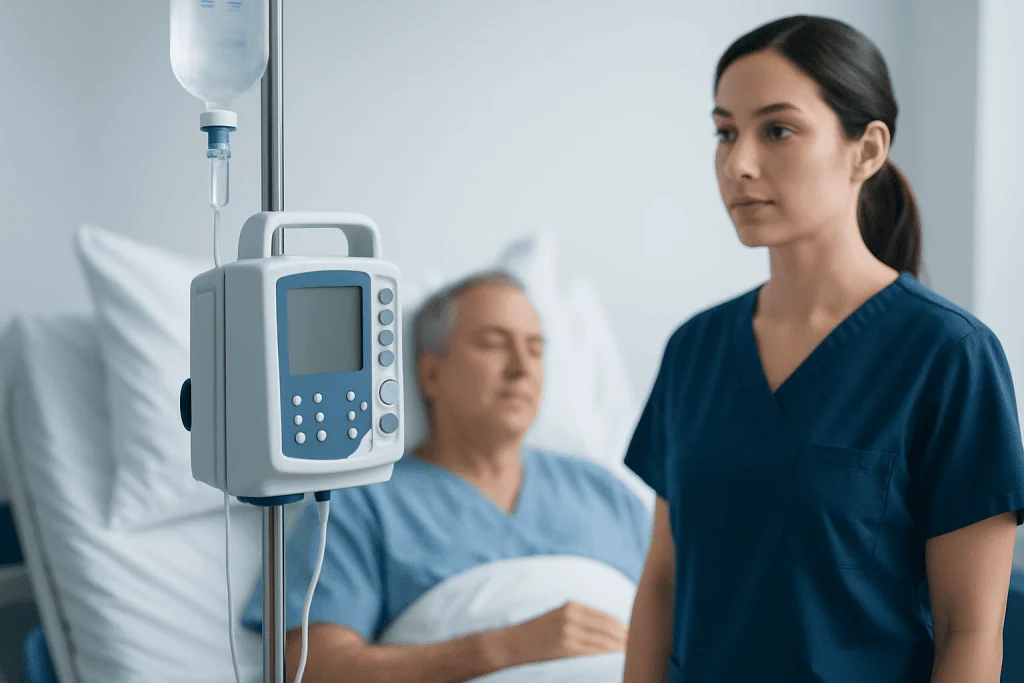
High blood sugar can affect several parts of the healing process. It can make white blood cells less effective, which may reduce the body’s ability to fight bacteria. It may also affect circulation in small blood vessels and slow the delivery of oxygen and nutrients to healing tissues. For a patient after CABG, this can be relevant to the chest incision, the breastbone, and any graft harvest sites, such as the leg or arm.
Wound healing after CABG requires a coordinated response: blood clotting, inflammation, tissue repair, and remodeling. Persistently elevated glucose may interfere with this sequence and may contribute to delayed wound closure or a higher chance of infection. The risk is especially important for deep sternal wound infection, which is uncommon but taken seriously because the breastbone is involved in the operation.
Blood sugar control also matters beyond the incision. High glucose may increase the risk of urinary tract infections, lung infections, and other postoperative complications. Good control is one part of prevention, along with sterile surgical technique, appropriate antibiotics when indicated, breathing exercises, early mobilization, nutrition, and careful wound care.
What Happens in the Hospital

In the intensive care unit and surgical ward, the care team checks glucose regularly. Monitoring may be done with finger-stick blood tests or blood samples from hospital lines. Many hospitals use insulin during the early period after CABG because it works quickly and can be adjusted as the patient’s condition changes. This may be needed even if the patient usually manages diabetes with tablets, diet, or non-insulin injections.
Clinical guidelines commonly recommend avoiding both severe hyperglycemia and hypoglycemia in hospitalized patients. In many settings, a moderate target range is used for critically ill or postoperative patients, and the exact goal is individualized based on age, diabetes history, kidney function, nutrition, and overall stability. Patients should not be concerned if the hospital plan differs from their usual home routine; the body’s needs are different immediately after surgery.
Several factors can change glucose levels in the hospital:
- The stress response to surgery and inflammation
- Changes in appetite or temporary fasting before procedures
- Intravenous fluids, medications, or steroid treatment when used
- Reduced activity during the first days of recovery
- Kidney function changes, which can affect medication clearance
As recovery progresses, the team usually transitions from intravenous insulin or scheduled hospital insulin to a discharge plan. This plan may include returning to previous diabetes medicines, adjusting doses, or arranging follow-up with primary care, cardiology, or endocrinology.
Diabetes, Prediabetes, and Stress Hyperglycemia
People with known diabetes need a clear plan before and after CABG. Ideally, the surgical and medical teams review recent HbA1c results, home glucose patterns, medications, kidney function, and any history of low blood sugar. HbA1c gives an estimate of average glucose over the previous two to three months, but it does not replace day-to-day monitoring during recovery.
People with prediabetes or no previous diagnosis may also develop stress hyperglycemia after CABG. This does not always mean they will have long-term diabetes, but it should be followed. In some patients, surgery reveals a tendency toward abnormal glucose regulation that was not previously recognized. Follow-up testing after recovery can help clarify whether blood sugar has returned to normal or needs ongoing treatment.
Medication plans may change after surgery. Some diabetes medicines are paused temporarily around major operations because of fasting, kidney function, or interactions with imaging or other treatments. Others may be restarted when eating is stable and the medical team confirms they are safe. Patients should avoid restarting, stopping, or changing diabetes medicines on their own without guidance.
Nutrition, Activity, and Daily Recovery Habits
Food choices after CABG should support wound healing, heart health, and steady glucose. A useful pattern includes lean protein, high-fiber carbohydrates, vegetables, fruit in appropriate portions, and healthy fats. Protein supports tissue repair, while fiber can slow glucose absorption and improve fullness. Patients may need smaller, more frequent meals at first if appetite is low.
Carbohydrates are not automatically harmful, but the type and portion matter. Whole grains, legumes, vegetables, and fruit generally raise blood sugar more gradually than sugary drinks, sweets, and refined starches. A dietitian can help match carbohydrate intake to medications, appetite, cultural preferences, and heart-healthy goals such as reducing excess saturated fat and sodium.
Physical activity also helps improve insulin sensitivity, circulation, breathing, and stamina. In the early phase, activity usually begins with short walks and breathing exercises, guided by the surgical team’s precautions. Later, supervised cardiac rehabilitation can help patients rebuild endurance safely while learning about exercise, nutrition, medication adherence, and risk factor control.
Sleep, hydration, and pain control also influence recovery. Poor sleep and uncontrolled pain can raise stress hormones, which may increase glucose. Patients should tell their care team if pain, nausea, constipation, or anxiety is making it hard to eat, move, or rest.
Monitoring Blood Sugar at Home
Before leaving the hospital, patients should understand whether they need to check glucose at home, how often to check it, and what numbers should prompt a call. The plan may differ for someone with long-standing diabetes, someone newly started on insulin, or someone with temporary stress hyperglycemia. Written instructions are helpful because recovery can be tiring and details may be hard to remember.
Home monitoring may include fasting glucose in the morning and additional checks before meals, after meals, or at bedtime depending on the treatment plan. Patients using insulin or medicines that can cause low blood sugar may need more frequent checks. If a continuous glucose monitor is used, finger-stick confirmation may still be needed in some situations, especially when symptoms do not match the device reading.
It is useful to keep a simple log of glucose readings, meals, activity, medication timing, and symptoms. This record helps clinicians adjust treatment safely. Patients should ask their doctor what range is appropriate for them rather than applying a generic target, because goals may be different after surgery, in older adults, in people with kidney disease, or in those with a history of hypoglycemia.
When to See a Doctor
Patients should contact their healthcare team promptly if glucose readings are repeatedly higher or lower than the range provided at discharge. They should also seek advice for symptoms of low blood sugar, such as sweating, shaking, confusion, dizziness, or unusual weakness, especially if symptoms do not improve with the action plan provided by the care team.
Wound changes should be taken seriously but calmly. A doctor should be informed about increasing redness, warmth, swelling, worsening pain, drainage, separation of the incision, fever, or chills. Shortness of breath, new or worsening chest pain, fainting, palpitations, sudden leg swelling, or signs of stroke require urgent medical assessment.
Ongoing recovery after CABG often involves cardiology, cardiac surgery, primary care, diabetes care, nutrition, and rehabilitation. For international patients, Acibadem International’s multidisciplinary specialists and JCI-accredited hospitals provide diagnosis and treatment for heart disease and related cardiometabolic disorders, including coordinated follow-up after bypass surgery.
Frequently asked questions
Why can blood sugar rise after CABG even without diabetes?
Major surgery triggers stress hormones that make the body more resistant to insulin. This can raise blood sugar temporarily, even in people with no previous diabetes diagnosis. The care team may monitor glucose for several days and decide whether follow-up testing is needed after recovery.
Is insulin after bypass surgery permanent?
Not always. Insulin is often used in the hospital because it can be adjusted quickly during the changing early recovery period. Some patients return to their previous diabetes plan, while others need a revised plan depending on glucose levels, kidney function, appetite, and overall health.
What blood sugar level is best after CABG?
The safest target is individualized. Many hospitals use a moderate glucose range for postoperative patients to reduce complications while avoiding low blood sugar. Patients should follow the range written in their discharge instructions and ask their doctor before changing medications.
How does high blood sugar increase infection risk?
Persistently high glucose can make immune cells less effective and may slow the delivery of oxygen and nutrients to healing tissues. This can affect the chest incision and any graft harvest sites. Good glucose control works together with wound care, nutrition, breathing exercises, and early movement to support recovery.
What should patients eat to support glucose control after CABG?
A balanced heart-healthy pattern is usually recommended, including lean protein, vegetables, high-fiber carbohydrates, fruit in appropriate portions, and healthy fats. Sugary drinks, large portions of refined starches, and frequent sweets can make glucose harder to control. A dietitian can personalize advice based on diabetes treatment, appetite, and cultural food preferences.
When should a patient call the doctor about blood sugar after discharge?
Patients should call if readings are repeatedly outside the range provided at discharge, if low blood sugar symptoms occur, or if they are unsure how to take diabetes medicines. They should also call for fever, worsening wound redness, drainage, increasing pain, or any concerning change in recovery.
References
- American Diabetes Association
- Society of Thoracic Surgeons
- American Heart Association
- European Society of Cardiology
- Centers for Disease Control and Prevention
This article is for general information only and is not a substitute for professional medical advice. Please consult a qualified doctor about your individual situation.
Heart care in Turkey — expert evaluation and treatment
JCI-accredited · board-certified surgeons · reply within 24h
Add us as a Preferred Source to see more of our trusted health content across Google Search, AI Overviews and Discover.

Cardiology Department
Diagnosis and treatment of heart and vascular conditions, from prevention to advanced interventional procedures.
91 specialists in this unit