

Body Contouring After Bariatric Surgery: When Is the Right Time?

Most people should wait until their weight has been stable for several months before body contouring. Good nutrition, especially enough protein and key vitamins, is important for healing after surgery.
Key Takeaways
- Most people should wait until their weight has been stable for several months before body contouring.
- Good nutrition, especially enough protein and key vitamins, is important for healing after surgery.
- The best timing depends on overall health, smoking status, skin concerns, and personal goals.
- Body contouring may be done in stages rather than all at once for safety and recovery.
- A consultation with a bariatric team and plastic surgeon helps create an individualized plan.
Body contouring after bariatric surgery can help remove excess skin and improve comfort, mobility, and body shape after major weight loss. The right time is usually when weight has stabilized, nutrition is adequate, and the person is medically ready for surgery and recovery.
Overview: Why body contouring may be considered after bariatric surgery
After bariatric surgery, many people lose a large amount of weight and experience important health benefits. At the same time, the skin and soft tissues may not fully shrink back, especially around the abdomen, arms, thighs, chest, buttocks, and neck. This can leave folds of loose skin that affect comfort, movement, clothing fit, exercise, and self-image.
Body contouring after bariatric surgery refers to procedures that remove excess skin and reshape areas of the body after major weight loss. These operations are not simply about appearance. In some cases, they may also help reduce skin irritation, hygiene problems, chafing, and difficulty with daily activities.
The right time for surgery is an important part of the process. Operating too early, while weight is still changing or nutrition is not fully optimized, can increase the chance of complications or lead to a result that changes again with further weight loss. Careful timing helps support safer surgery and a more satisfying long-term outcome.
When is the right time?
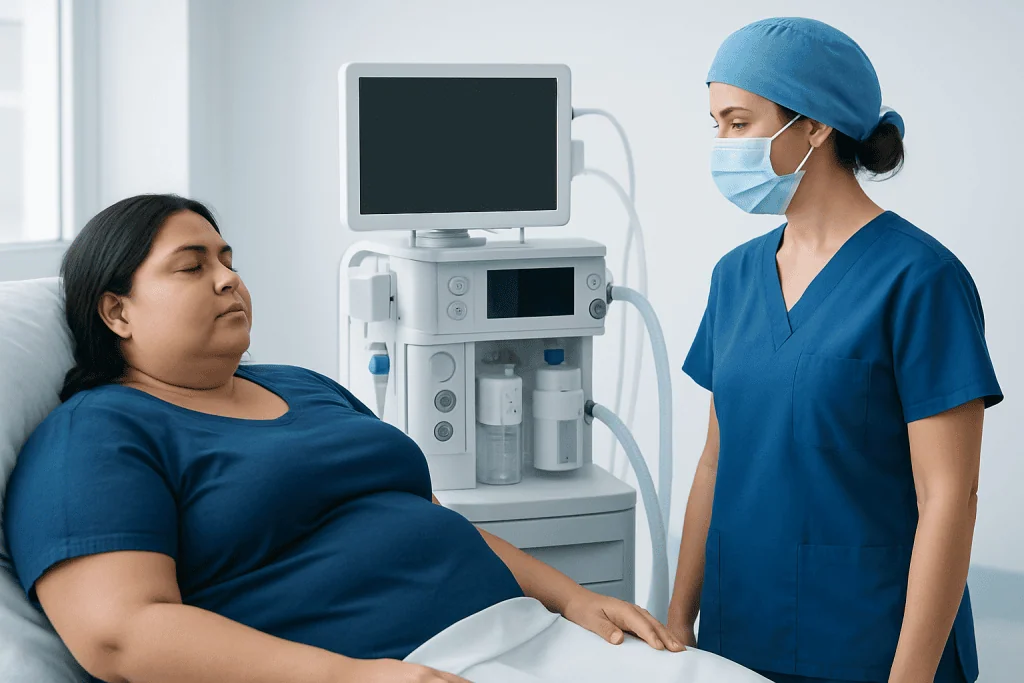
In general, body contouring is usually considered when weight loss has largely finished and body weight has remained stable for several months. Many surgeons look for a stable weight for at least 3 to 6 months, and sometimes longer, before planning surgery. For many patients, this stage is reached about 12 to 18 months after bariatric surgery, but timing varies from person to person.
Weight stability matters because continued weight loss after body contouring can create new looseness in the skin and alter the result. On the other hand, operating before the body has adjusted may also make planning less precise. A stable period gives the surgical team a clearer idea of body shape, skin quality, and what procedures may be most helpful.
The best timing also depends on overall readiness, not only the number on the scale. A person is often a better candidate when medical conditions are reasonably controlled, eating patterns are consistent, protein intake is adequate, and vitamin or mineral deficiencies have been identified and treated. A plastic surgeon may discuss options such as body contouring or a broader body reshaping plan once these factors are in place.
Signs that a person may be ready for surgery

Readiness for post-bariatric body contouring involves physical, nutritional, and emotional factors. People may be closer to surgery when they have maintained a steady weight, are following medical advice after bariatric treatment, and feel able to manage the recovery period. Recovery can require time away from work, help at home, and a commitment to follow-up visits.
Nutritional status is especially important after weight-loss surgery. The body needs enough protein, iron, vitamin B12, folate, vitamin D, and other nutrients to support wound healing and reduce surgical risk. Blood tests may be used to check for deficiencies, and some patients need supplements or dietary adjustments before a procedure can be scheduled.
Doctors also consider lifestyle habits and mental well-being. Smoking or nicotine use can significantly affect blood flow and healing, so surgeons usually advise stopping well before and after surgery. Realistic expectations are also important. Body contouring can improve shape and comfort, but it may not produce a perfectly smooth body, and scars are an expected part of most skin-removal procedures.
- Weight stable for several months
- Medical conditions, such as diabetes or high blood pressure, reasonably controlled
- Protein intake and nutrition optimized
- No active smoking or nicotine use
- Understanding of recovery time, scars, and possible staged procedures
Common procedures after major weight loss
Body contouring after bariatric surgery is not one single operation. The most suitable procedure depends on where the excess skin is located, how much tissue remains, and whether symptoms such as rashes or discomfort are present. The abdomen is one of the most common areas treated, but many people also seek correction of the arms, breasts, thighs, buttocks, or lower body.
Common options may include an abdominal skin-removal and tightening procedure, breast reshaping, arm lift, thigh lift, lower body lift, or buttock lift. Some patients benefit from a focused procedure first, while others may need a staged plan over time. For example, the abdomen may be addressed first because it causes the most physical symptoms, while the breasts or buttocks are treated later with options such as breast lift or buttock lift.
In selected cases, a surgeon may suggest techniques related to abdominal contouring after major weight loss if the skin laxity pattern is appropriate. The surgical plan should always be individualized, balancing goals, safety, scar placement, and recovery demands. During consultation, the surgeon will explain which areas can be treated together and which are safer to separate into different operations.
Factors that can delay body contouring
Sometimes the safest choice is to wait. Ongoing weight loss is one of the most common reasons to postpone surgery. If the body is still changing, surgeons may recommend more time to allow tissues and metabolism to stabilize before planning skin-removal procedures.
Poor nutritional status is another important reason for delay. After bariatric surgery, some people develop low protein levels or vitamin and mineral deficiencies that can slow healing or raise the risk of infection and wound problems. Blood tests and dietary review help identify these issues early, and treatment can often improve readiness for surgery.
Other factors include uncontrolled medical conditions, active infections or skin inflammation, and smoking or nicotine use. Some skin folds may be prone to irritation, fungal infection, or even chronic wounds; these should be assessed and treated before surgery, especially if there are concerns related to pressure ulcers or persistent skin breakdown. A tendency toward thick or raised scarring may also be discussed, particularly in patients with a history of keloid scars.
How doctors evaluate and plan treatment
Assessment usually starts with a review of bariatric history, weight trend, medications, medical conditions, and nutritional blood tests. The surgeon will examine areas of excess skin, note where rashes or hygiene problems occur, and discuss which body changes matter most to the patient. Photographs may be taken for planning and documentation.
The consultation also covers practical issues such as scar locations, likely recovery time, need for compression garments, and the possibility of drains or overnight hospital stay. Some patients are candidates for combined procedures, while others are better served by a staged approach to reduce anesthesia time and support safer healing. The plan is often coordinated with the bariatric team, nutrition specialists, and other doctors involved in care.
Because many people have more than one area of concern, it can help to prioritize goals. Relief of symptoms such as chronic irritation may come before purely shape-related concerns. In experienced centers, multidisciplinary specialists can help patients understand expected benefits, limitations, and timing. Acibadem International’s multidisciplinary teams in JCI-accredited hospitals also evaluate and treat international patients who are considering post-weight-loss reconstructive and aesthetic procedures.
Recovery, expectations, and self-care
Recovery after body contouring varies depending on the procedure and how many areas are treated. Swelling, temporary discomfort, bruising, reduced activity, and visible scars are normal parts of healing. Most people need a period of rest followed by gradual return to walking, everyday activity, and later exercise based on their surgeon’s advice.
Good self-care supports the healing process. This includes following wound-care instructions, wearing any recommended compression garments, eating enough protein, staying hydrated, and attending follow-up appointments. Patients should also continue the long-term nutrition plan recommended after bariatric surgery, since healthy tissue repair depends on adequate nourishment.
It is also helpful to keep expectations realistic. Body contouring can improve body proportions and reduce excess skin, but it cannot stop natural aging or future changes related to weight fluctuation. Maintaining a stable weight, staying active, and avoiding smoking can help preserve results over time. If recovery seems unusual, such as increasing redness, fever, severe pain, or drainage, the surgical team should be contacted promptly.
When to speak with a doctor
A person should consider speaking with a doctor if excess skin is causing repeated rashes, discomfort, mobility problems, difficulty exercising, or ongoing distress about body shape after major weight loss. Early discussion can be useful even if surgery is not yet appropriate, because the team can explain timing, nutrition goals, and what to expect later.
Medical advice is especially important for anyone with a history of wound-healing problems, smoking, diabetes, anemia, or nutritional deficiency after bariatric surgery. These issues do not always prevent body contouring, but they may affect preparation and recovery. A consultation can help reduce risk by identifying what should be corrected first.
It is also wise to seek assessment if a person notices persistent skin infections, ulceration, or changing scars in skin folds. A qualified plastic surgeon can explain whether symptoms are best managed with skin care alone for now or whether a staged procedure such as post-weight-loss cosmetic and reconstructive surgery may be appropriate once health goals are met.
Frequently asked questions
How long should someone wait for body contouring after bariatric surgery?
There is no single timeline for everyone, but many people are assessed once their weight has been stable for several months. This often happens around 12 to 18 months after bariatric surgery, although some may be ready earlier or later depending on health, nutrition, and the amount of weight lost.
Why is stable weight so important before body contouring?
Stable weight helps surgeons plan more accurately and lowers the chance that results will change quickly with further weight loss. If surgery is done too early, new skin looseness may develop later, and a revision procedure may be needed.
Can body contouring be done in one operation?
Sometimes more than one area can be treated in a single operation, but many patients benefit from a staged approach. Staging may improve safety, shorten each recovery period, and allow the body time to heal between procedures.
Does body contouring help only with appearance?
No. While it can improve shape and confidence, body contouring may also help with practical issues such as skin irritation, hygiene difficulties, chafing, and discomfort during movement or exercise.
What tests or checks are needed before surgery?
Doctors commonly review weight history, medical conditions, medications, and nutritional status. Blood tests may be used to look for anemia, low protein, or vitamin and mineral deficiencies that could affect healing.
Will body contouring leave scars?
Yes. Most post-bariatric body contouring procedures involve scars because excess skin must be removed through incisions. Surgeons usually place scars as strategically as possible and explain where they are likely to be before surgery.
What can a patient do to prepare for the best result?
Maintaining stable weight, eating enough protein, correcting any nutritional deficiencies, and avoiding smoking are all important steps. It also helps to plan for recovery time, follow medical instructions closely, and discuss realistic goals with a qualified surgeon.
References
- American Society of Plastic Surgeons
- American Society for Metabolic and Bariatric Surgery
- National Institute of Diabetes and Digestive and Kidney Diseases
- Mayo Clinic
- National Health Service
This article is for general information only and is not a substitute for professional medical advice. Please consult a qualified doctor about your individual situation.
Bariatric Surgery in Turkey — costs, top hospitals & a free quote
JCI-accredited · board-certified surgeons · reply within 24h
Add us as a Preferred Source to see more of our trusted health content across Google Search, AI Overviews and Discover.
Check your numbers in seconds
BMI, calories, due date, blood pressure and 30+ more clinical calculators — free, instant, doctor-reviewed ranges.

Bariatric & Metabolic Surgery
Surgical and endoscopic treatments for obesity and metabolic conditions.
Related Treatments
Related Conditions
More from the Health Library



Related Specialists

Prof. Dr. Şükrü Yazar
Aesthetic Plastic & Reconstructive Surgery
Assoc. Prof. Dr. Erdem Güven (m)
Aesthetic Plastic & Reconstructive Surgery
Prof. Dr. Hakan Ağır
Aesthetic Plastic & Reconstructive Surgery
Prof. Dr. Bülent Saçak
Aesthetic Plastic & Reconstructive Surgery