

Brazilian Tummy Tuck: Who Is a Good Candidate and What to Expect

A Brazilian tummy tuck is generally meant for abdominal contouring, not weight loss. Good candidates are usually healthy, at a stable weight, and bothered by loose skin or separated abdominal tissues.
Key Takeaways
- A Brazilian tummy tuck is generally meant for abdominal contouring, not weight loss.
- Good candidates are usually healthy, at a stable weight, and bothered by loose skin or separated abdominal tissues.
- Smoking, uncontrolled medical conditions, and plans for future pregnancy can affect candidacy and results.
- Recovery takes time and often includes swelling, activity limits, and follow-up visits.
- A qualified plastic surgeon can explain whether this procedure, liposuction, or another option is the safest fit.
A Brazilian tummy tuck is a body-contouring procedure designed to remove excess abdominal skin and fat while shaping the waist and midsection. It is most suitable for people who are near a stable weight, in good overall health, and have realistic expectations about recovery and results.
Overview
A Brazilian tummy tuck is a cosmetic body-contouring procedure that focuses on improving the shape of the abdomen and waistline. It is commonly discussed by people who want to address loose skin, small pockets of stubborn fat, or a stretched abdominal area after pregnancy, weight changes, or aging.
The term may be used differently from one clinic to another, but the main goal is similar: to create a smoother, more defined midsection while keeping the look natural and balanced. In some cases, a tummy tuck may be combined with liposuction for added contouring, which can help refine the waist and adjacent areas such as the flanks. For patients exploring abdominal contouring, a surgeon may also discuss related options such as liposuction or bariatric contouring when body shape goals and tissue changes suggest a different approach.
Because this is a surgical procedure, candidacy depends on more than appearance alone. The safest plan starts with a careful assessment of health history, skin quality, abdominal muscle tone, and personal goals. A consultation helps determine whether surgery is appropriate and what level of improvement is realistic.
Who Is a Good Candidate?

Good candidates for a Brazilian tummy tuck are usually adults who are close to their goal weight but still have excess abdominal skin or a bulging lower belly that does not respond well to diet and exercise. Many people seek it after pregnancy, major weight loss, or gradual skin laxity over time. The procedure is often considered when the abdomen feels out of proportion with the rest of the body despite healthy habits.
An ideal candidate is also in generally good health. This means chronic conditions, such as diabetes, high blood pressure, or thyroid disease, should be well controlled, and the person should be able to follow preoperative and postoperative instructions. A surgeon will also consider whether the patient has enough support at home during recovery, since early healing requires rest and help with daily tasks.
Realistic expectations are important. A tummy tuck can improve contour, tighten the abdominal area, and remove extra skin, but it does not replace weight management or exercise. It also leaves a scar, although surgeons place it as low as possible to make it easier to conceal under clothing or swimwear. Many patients compare it with other contouring procedures such as body aesthetic surgery or combined approaches that address the abdomen and related areas.
People who may be good candidates often share these features:
- Loose or hanging abdominal skin
- Stretching or separation of abdominal muscles after pregnancy
- Stable weight for several months
- Non-smoker or willing to stop smoking before and after surgery
- Clear understanding of recovery time and scar placement
Who May Need to Wait or Choose Another Option?

Not everyone with concerns about the abdomen is ready for surgery right away. People who are still losing weight, planning future pregnancies, or hoping to remove a large amount of weight through surgery alone may be advised to wait. If major body changes are still expected, the result of a tummy tuck may not last as well.
Smoking is another important concern because it can interfere with healing and increase the risk of complications. Surgeons typically ask patients to stop smoking well before surgery and to avoid nicotine during recovery. A person who is unable to do this may need to postpone the procedure until they are better prepared.
Some people may be better served by non-surgical treatments or a different surgical plan. For example, if the main concern is localized fat without much skin laxity, a surgeon may discuss liposuction rather than a tummy tuck. If there has been major weight loss, a more comprehensive plan may be more appropriate than a single procedure. The right option depends on the shape of the abdomen, the amount of skin excess, and overall health.
Causes & Risk Factors
A Brazilian tummy tuck is not performed because of a disease, but because of changes in the body that create unwanted contour concerns. Common causes include stretched abdominal skin after pregnancy, changes in body weight, and reduced skin elasticity with age. Some people also develop weakened or separated abdominal muscles that make the midsection look rounded or unsupported.
Risk factors for a less favorable surgical experience include smoking, obesity, poorly controlled medical conditions, a history of wound-healing problems, and unrealistic expectations. These factors do not always rule out surgery, but they may increase the need for preparation, medical clearance, or a modified plan. A surgeon will also consider whether there is enough time for full recovery, since repeated strain on the abdomen too soon can affect healing.
Because each patient’s body is different, the same operation does not suit everyone. A detailed consultation is used to identify which concerns are skin-related, which are fat-related, and whether the abdominal wall itself needs tightening. This is why some patients are also evaluated for procedures such as liposuction or body-contouring surgery in other areas when the treatment plan needs to be more comprehensive.
Diagnosis and Surgical Consultation
There is no medical test that “diagnoses” whether someone needs a Brazilian tummy tuck. Instead, candidacy is determined through a surgical consultation. The surgeon reviews the patient’s medical history, current medications, previous surgeries, pregnancy history, weight changes, and goals for body contouring.
The physical exam usually includes the abdomen, waist, hips, and surrounding areas. The surgeon may assess skin quality, fat distribution, abdominal muscle separation, and the position of the belly button. Photographs may be taken for planning and comparison, and the surgeon may explain whether a full tummy tuck, a limited approach, or an alternative procedure is more appropriate.
This is also the time to discuss recovery expectations. Patients should ask how long swelling may last, when they can return to work, how to sleep comfortably, and when exercise can resume. Clear communication helps reduce anxiety and supports better preparation before surgery.
Treatment Options
A Brazilian tummy tuck is performed under anesthesia in a surgical setting. The specific steps vary, but the procedure typically involves removing excess skin, tightening the abdominal wall when needed, and reshaping the midsection for a smoother contour. In some patients, liposuction is used to refine the waist or flanks so the overall silhouette looks more balanced.
Depending on the anatomy and the goals of the operation, the surgeon may recommend a standard tummy tuck, a mini tummy tuck, or a combined contouring procedure. A person with more extensive skin laxity after major weight loss may need a different plan than someone with a smaller lower-abdominal concern. For patients with broader body-shaping goals, a surgeon may also discuss buttock lift or liposuction as part of an overall contouring strategy.
Non-surgical options can sometimes help with modest fat reduction or skin tightening, but they cannot replace surgery when there is significant loose skin or muscle separation. The best treatment depends on the reason for the abdominal change and how much correction is needed. A qualified plastic surgeon will explain the expected trade-offs, including scar placement, downtime, and the likely durability of the result.
Recovery, Prevention & Self-Care
Recovery after a Brazilian tummy tuck usually takes several weeks and happens in stages. Early healing often includes swelling, bruising, tightness, and temporary discomfort, all of which are common after surgery. Patients may be asked to wear a compression garment, walk gently soon after the procedure, and avoid heavy lifting until the surgeon says it is safe.
Good self-care can support healing and help protect the result. This includes following wound care instructions, attending follow-up visits, eating nourishing meals, staying hydrated, and avoiding smoking or nicotine. Patients should also arrange help at home for the first few days, since bending, lifting, and reaching may be limited.
To help maintain the result over time, steady weight management and regular physical activity are important once healing is complete. A tummy tuck can improve contour, but major weight fluctuations can change the shape of the abdomen again. If a patient is considering pregnancy in the near future, it is often wise to discuss timing carefully with the surgeon before moving forward.
When to See a Doctor
Anyone considering a Brazilian tummy tuck should meet with a board-certified plastic surgeon or appropriately trained specialist for a personal evaluation. This is especially important if there is a history of prior abdominal surgery, significant weight loss, hernia concerns, or medical conditions that could affect healing.
After surgery, patients should contact their doctor promptly if they develop worsening pain, fever, unusual redness, drainage, shortness of breath, or any symptom that seems different from the expected recovery pattern. Early communication allows the care team to assess whether the symptom is part of normal healing or needs attention.
Acibadem International’s multidisciplinary specialists and JCI-accredited hospitals diagnose and treat body-contouring needs for international patients, with care plans tailored to each person’s anatomy, health status, and recovery goals. A thoughtful consultation helps patients choose the safest option and understand what to expect before, during, and after surgery.
Frequently asked questions
What makes someone a good candidate for a Brazilian tummy tuck?
A good candidate is usually a healthy adult who is close to a stable weight and bothered by loose abdominal skin, stretched tissues, or a bulging midsection that does not improve with exercise. They should also have realistic expectations about scars and recovery. A surgeon will confirm whether the procedure matches the person’s anatomy and goals.
Is a Brazilian tummy tuck the same as a traditional tummy tuck?
The term is often used informally and may vary by clinic, but it usually refers to a tummy tuck focused on abdominal shaping with a smooth, defined result. Some surgeons may combine it with liposuction for added contouring. Because wording can differ, patients should ask exactly what the surgeon includes in the plan.
How long does recovery usually take?
Recovery is gradual and depends on the extent of surgery and the person’s overall health. Many people need several weeks before they feel fully comfortable with normal activities, and strenuous exercise usually waits longer. Swelling can continue to improve over time, so the final result may take months to settle.
Will a tummy tuck help with weight loss?
A tummy tuck is not a weight-loss procedure. It is meant to remove excess skin and improve shape, not to replace healthy eating, exercise, or medical weight management. People are usually advised to be near a stable weight before surgery for the best outcome.
Can someone have children after a tummy tuck?
Pregnancy is still possible after a tummy tuck, but it may stretch the tissues and affect the result. For that reason, many surgeons recommend waiting until childbearing is complete if possible. This is a personal decision that should be discussed during consultation.
What are the main risks?
As with any surgery, risks can include bleeding, infection, poor wound healing, blood clots, and dissatisfaction with the cosmetic result. Smoking, uncontrolled medical conditions, and not following aftercare instructions can increase the chance of problems. A surgeon can explain the risks that matter most for a specific patient.
References
- American Society of Plastic Surgeons
- American Board of Plastic Surgery
- Mayo Clinic
- Cleveland Clinic
- World Health Organization
This article is for general information only and is not a substitute for professional medical advice. Please consult a qualified doctor about your individual situation.
Brazilian Tummy Tuck in Turkey — costs, top hospitals & a free quote
JCI-accredited · board-certified surgeons · reply within 24h
Add us as a Preferred Source to see more of our trusted health content across Google Search, AI Overviews and Discover.
Check your numbers in seconds
BMI, calories, due date, blood pressure and 30+ more clinical calculators — free, instant, doctor-reviewed ranges.

Plastic, Reconstructive & Aesthetic Surgery
Reconstructive and aesthetic procedures for the face and body, performed by experienced surgeons.
35 specialists in this unitRelated Treatments
Related Conditions
More from the Health Library



Related Specialists

Prof. Dr. Şükrü Yazar
Aesthetic Plastic & Reconstructive Surgery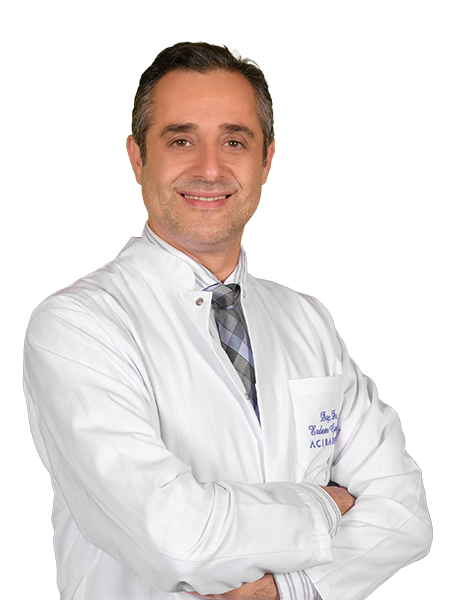
Assoc. Prof. Dr. Erdem Güven (m)
Aesthetic Plastic & Reconstructive Surgery
Prof. Dr. Hakan Ağır
Aesthetic Plastic & Reconstructive Surgery
Prof. Dr. Bülent Saçak
Aesthetic Plastic & Reconstructive Surgery