

Breast Enhancement Surgery: Implants, Fat Transfer, and More

Breast enhancement surgery may use implants, fat transfer, or a combination of techniques. The most suitable option depends on body shape, breast tissue, skin quality, and personal goals.
Key Takeaways
- Breast enhancement surgery may use implants, fat transfer, or a combination of techniques.
- The most suitable option depends on body shape, breast tissue, skin quality, and personal goals.
- A qualified plastic surgeon helps balance appearance, safety, recovery time, and long-term maintenance.
- All breast enhancement procedures have benefits, limits, and possible risks that should be discussed clearly before surgery.
- Recovery is gradual, and final results usually become clearer as swelling settles over weeks to months.
Breast enhancement surgery includes procedures that increase breast volume, improve shape, or restore symmetry. Common options include implants, fat transfer, and combining augmentation with a lift, with the best choice depending on anatomy, goals, and overall health.
Overview of Breast Enhancement Surgery
Breast enhancement surgery is a broad term for procedures designed to increase breast size, improve contour, enhance symmetry, or restore lost volume. Some people seek surgery for cosmetic reasons, while others want correction after pregnancy, weight changes, aging, or previous surgery. The goal is not one single look, but a result that fits the person’s body proportions and preferences.
The most common approaches are breast implants and fat transfer. In some cases, a breast lift is combined with enlargement to address both volume loss and sagging. A consultation usually focuses on breast shape, skin elasticity, chest width, existing breast tissue, and expectations for size, feel, and scars.
Breast enhancement is different from reconstruction, which is performed after mastectomy or trauma, though some techniques overlap. People who need restoration after illness or surgery may also discuss breast reconstruction as part of a personalized treatment plan.
Main Options: Implants, Fat Transfer, and Combined Procedures
Breast implants are the most established option for increasing breast volume. Implants are usually filled with silicone gel or saline and come in different shapes, sizes, and profiles. They can provide a more noticeable size increase than fat transfer and may be preferred when a person wants fuller upper-breast volume or has limited body fat available for grafting.
Fat transfer breast augmentation uses the person’s own fat, typically removed by liposuction from areas such as the abdomen, flanks, or thighs, then processed and injected into the breasts. This can create a softer, more subtle increase in size and may appeal to people who prefer to avoid implants. However, the amount of enlargement is usually more modest, and some of the transferred fat may not survive long term.
Some patients benefit from a combined approach. For example, someone with drooping breasts and reduced fullness may need enlargement plus reshaping rather than volume alone. In those cases, a surgeon may recommend aesthetic breast surgery tailored to the person’s anatomy, or a combined procedure with a breast lift to improve both position and projection.
Choice of technique depends on several factors:
- Desired increase in size
- Natural breast tissue and skin quality
- Body fat available for transfer
- Tolerance for scars and maintenance
- Personal preference about implants versus autologous tissue
Who May Be a Good Candidate

A good candidate for breast enhancement surgery is generally in good overall health, has realistic expectations, and understands the benefits and limitations of each method. Many candidates want fuller breasts, improved symmetry, restoration of volume after pregnancy or weight loss, or better balance between breast size and body shape.
Surgeons also evaluate whether breast enhancement alone is the best option. If the main issue is sagging rather than small size, a lift may be more important than adding volume. If there is significant asymmetry, differences in the chest wall, or prior surgery, the plan may need to be adjusted for a more balanced result.
People with certain medical conditions, active infections, uncontrolled chronic disease, or smoking-related wound-healing risks may need treatment or lifestyle changes before surgery. Patients with a history of thick or raised scars may also discuss scar behavior, especially if they are prone to keloid scars. A careful preoperative assessment helps improve safety and satisfaction.
Evaluation and Planning Before Surgery
Planning is one of the most important parts of breast enhancement surgery. During consultation, the surgeon reviews medical history, medications, prior surgeries, pregnancies, weight changes, and any family or personal history relevant to breast health. A physical examination helps assess breast volume, skin tone, nipple position, symmetry, and chest dimensions.
Patients usually discuss preferred size, shape, cleavage, and how natural or more augmented they want the result to look. When implants are considered, details may include implant material, profile, placement above or below the chest muscle, and incision location. For fat transfer, the surgeon assesses available donor fat and explains that more than one session may sometimes be needed for the desired outcome.
Preoperative imaging or breast screening may be recommended based on age, symptoms, or medical history. The surgeon also explains scarring, recovery time, future pregnancy considerations, and the possibility that implants are not lifetime devices. Some people may eventually require revision surgery or breast prosthesis removal for personal preference or device-related concerns.
Benefits, Limits, and Possible Risks
Breast enhancement surgery can improve proportion, clothing fit, body confidence, and symmetry. Implants can offer a more predictable increase in size, while fat transfer may provide a more subtle and natural-feeling result. For many patients, combining enhancement with reshaping can create a more harmonious contour than either step alone.
Each method also has limits. Implants may require future monitoring and, in some cases, replacement or revision over time. Fat transfer usually cannot create as large an increase as implants, and the body may reabsorb part of the transferred fat. Results can also vary with weight changes, aging, and pregnancy.
Possible risks should be discussed openly before surgery. These may include bleeding, infection, delayed healing, scarring, changes in nipple sensation, asymmetry, fluid collection, anesthesia-related risks, and dissatisfaction with cosmetic results. Implant-specific concerns may include capsular contracture, rupture, rippling, or implant displacement. Fat transfer may involve uneven volume retention, oil cysts, or calcifications that need proper interpretation on future breast imaging.
Although serious problems are uncommon when surgery is performed by qualified specialists, no procedure is risk-free. A clear discussion about what surgery can and cannot achieve helps patients make informed decisions.
Recovery and Aftercare
Recovery varies depending on the technique used, the extent of surgery, and the individual’s healing response. Most people can expect temporary swelling, bruising, tightness, and discomfort in the first days after surgery. The surgeon typically gives guidance on wound care, supportive garments, bathing, sleeping position, movement restrictions, and return to work or exercise.
Implant surgery may cause chest tightness and pressure early on, especially if the implant is placed beneath the muscle. Fat transfer recovery may include soreness not only in the breasts but also in the liposuction donor areas. Light activity is usually encouraged early, while strenuous exercise, heavy lifting, and chest-focused workouts are postponed until healing is more advanced.
Results are not immediate in their final form. Swelling gradually settles, tissues soften, and the breasts take on a more natural position over time. Follow-up visits are important to check healing and address concerns. Patients should also understand the long-term need for breast awareness, routine screening as appropriate, and periodic review if they have implants.
When to Seek Medical Advice and Long-Term Considerations
Anyone considering breast enhancement surgery should consult a board-certified or appropriately accredited plastic surgeon for an individualized assessment. It is especially important to seek expert advice when there is marked asymmetry, previous breast surgery, uncertainty about the best technique, or symptoms such as a new lump, pain, or skin changes that need evaluation before cosmetic planning.
After surgery, patients should contact their medical team promptly if they develop fever, worsening redness, severe swelling, sudden breast enlargement, shortness of breath, drainage from the incision, or pain that is getting worse rather than better. These symptoms do not always mean a serious complication, but they should be assessed without delay.
Long-term planning matters as much as the operation itself. Implants may require monitoring and sometimes future revision, while fat transfer outcomes can change with body weight and aging. People with enlargement of male breast tissue may be assessed for a different condition, such as gynecomastia, which has separate causes and treatment pathways.
For international patients seeking coordinated care, Acibadem International’s multidisciplinary specialists in JCI-accredited hospitals evaluate and treat breast enhancement concerns using personalized surgical plans within the wider field of cosmetic and aesthetic surgery.
Frequently asked questions
What is the difference between breast augmentation and breast enhancement surgery?
Breast augmentation usually refers specifically to increasing breast size, most often with implants or fat transfer. Breast enhancement surgery is a broader term that can also include improving shape, correcting asymmetry, or combining enlargement with a lift.
Are breast implants or fat transfer better?
Neither option is universally better; the right choice depends on the person’s goals, anatomy, and preferences. Implants usually provide a larger and more predictable size increase, while fat transfer may offer a subtler result using the person’s own tissue.
How long does recovery take after breast enhancement surgery?
Initial recovery often takes a few weeks, but healing continues for several months as swelling settles and tissues soften. The exact timeline depends on whether the procedure involved implants, fat transfer, a lift, or a combination.
Will breast enhancement surgery leave scars?
Yes, any surgical incision can leave a scar, but surgeons aim to place incisions as discreetly as possible. Scar appearance usually improves over time, though healing varies from person to person and depends partly on skin type and genetics.
Can breast enhancement affect mammograms or breast screening?
It can change how the breast is imaged, especially with implants, so radiology teams should always be told about prior surgery. Routine screening is still possible, and special imaging views may be used when needed.
How long do breast implants last?
Breast implants are not considered lifetime devices. Some last many years without problems, but others may need revision or removal earlier because of rupture, capsular contracture, position changes, or personal preference.
Can a breast lift be done at the same time as enlargement?
Yes, many people have enlargement and a lift during the same operation when both volume loss and sagging are present. Whether this is appropriate depends on breast shape, skin quality, and the degree of drooping.
References
- American Society of Plastic Surgeons
- U.S. Food and Drug Administration
- National Health Service
- Mayo Clinic
- International Society of Aesthetic Plastic Surgery
This article is for general information only and is not a substitute for professional medical advice. Please consult a qualified doctor about your individual situation.
Fat Transfer in Turkey — costs, top hospitals & a free quote
JCI-accredited · board-certified surgeons · reply within 24h
Add us as a Preferred Source to see more of our trusted health content across Google Search, AI Overviews and Discover.
Check your numbers in seconds
BMI, calories, due date, blood pressure and 30+ more clinical calculators — free, instant, doctor-reviewed ranges.

Related Treatments
Related Conditions
More from the Health Library



Related Specialists
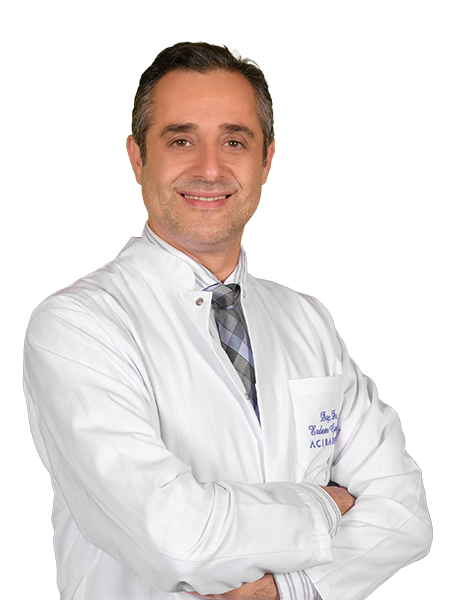
Assoc. Prof. Dr. Erdem Güven (m)
Aesthetic Plastic & Reconstructive Surgery
Prof. Dr. Şükrü Yazar
Aesthetic Plastic & Reconstructive Surgery
Prof. Dr. Hakan Ağır
Aesthetic Plastic & Reconstructive Surgery
Prof. Dr. Bülent Saçak
Aesthetic Plastic & Reconstructive Surgery