

Breast Fat Transfer Recovery: Swelling, Volume Changes, and Aftercare

Swelling and bruising are common after breast fat transfer and usually improve gradually over the first few weeks. Breast volume often looks fuller at first, then settles as swelling goes down and some transferred fat does not survive.
Key Takeaways
- Swelling and bruising are common after breast fat transfer and usually improve gradually over the first few weeks.
- Breast volume often looks fuller at first, then settles as swelling goes down and some transferred fat does not survive.
- Recovery involves healing in both the breasts and the donor areas where fat was removed.
- Following the surgeon’s instructions on garments, activity, and follow-up visits is important for the best outcome.
- Patients should contact a doctor promptly for fever, worsening pain, unusual redness, or sudden breast changes.
Breast fat transfer recovery typically includes temporary swelling, bruising, soreness, and gradual changes in breast volume as the body heals. Understanding what is normal, how long recovery may take, and how to care for the body can help patients feel more prepared and supported.
Overview of Breast Fat Transfer Recovery
Breast fat transfer recovery refers to the healing period after fat is removed from one area of the body and injected into the breasts to improve shape or add modest volume. This procedure is often chosen by people who prefer to use their own tissue rather than implants. Because it combines liposuction with fat grafting, recovery includes two treatment areas: the breasts and the donor site, such as the abdomen, thighs, or flanks.
In the first days after the procedure, it is normal for the breasts to feel swollen, tender, and somewhat firm. The donor area may feel bruised, sore, and tight. Many patients notice that their breasts look larger at first than expected. This early fullness is often related to swelling and the fluid shifts that happen after surgery, not only the final retained fat volume.
Healing happens gradually. Some of the transferred fat establishes a blood supply and remains, while some is naturally reabsorbed by the body over time. For this reason, the breast shape and size continue to change during the weeks and months after the procedure. Patients who understand this natural process are often better prepared for the recovery experience.
When performed by qualified plastic surgeons, breast fat transfer can be part of a broader approach to body contouring and breast enhancement. Recovery plans are individualized, but most focus on protecting the transferred fat, reducing pressure on the breasts, and supporting healing in the liposuction areas.
Common Symptoms: Swelling, Bruising, and Discomfort
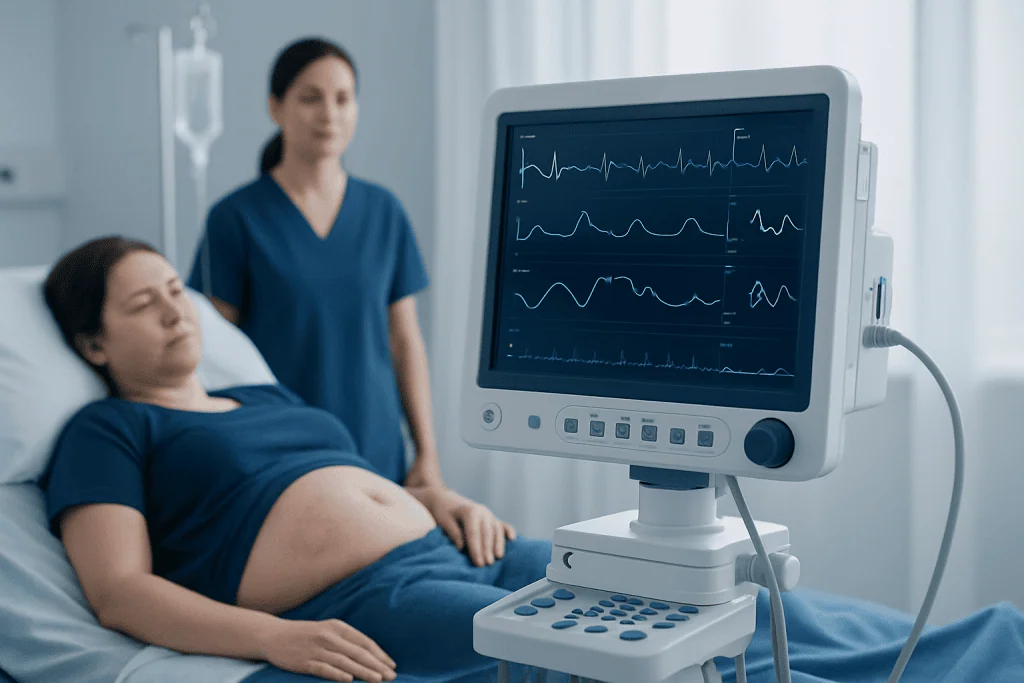
Swelling is one of the most common and expected parts of breast fat transfer recovery. It can affect both the breasts and the donor site. In the breasts, swelling may make the skin feel tight and the breasts appear rounder or higher than their final position. In the donor areas, swelling can cause puffiness, firmness, or a feeling of heaviness. Bruising is also common and may take one to three weeks to fade.
Mild to moderate discomfort is typical in the early recovery period. Many patients describe soreness rather than sharp pain. The donor area often causes more discomfort than the breasts because liposuction involves a larger surface area under the skin. Tenderness usually improves steadily, though small areas of numbness, firmness, or sensitivity may last longer as the tissues recover.
Temporary asymmetry can happen during healing. One breast may swell more than the other, or one side may soften sooner. This does not always mean there is a problem. Small differences often become less noticeable as swelling settles and the transferred fat stabilizes. However, marked asymmetry, sudden enlargement, or increasing pain should be assessed by a doctor.
Other short-term symptoms can include fatigue, a feeling of tightness, drainage from incision sites, and mild changes in skin sensation. These are common after many body contouring procedures, including classic liposuction, and usually improve with time and routine aftercare.
Why Breast Volume Changes After Fat Transfer

It is normal for breast size to change during the recovery process. Immediately after the procedure, the breasts may look fuller because of swelling and the initial amount of injected fat. Over the following weeks, some of this fullness decreases. This can be surprising if a patient expects the early post-procedure appearance to be permanent.
Not all transferred fat cells survive in their new location. For fat to remain, it must develop a new blood supply. Some of the injected fat is naturally reabsorbed by the body, especially during the first few months. Surgeons take this into account when planning treatment, but the exact percentage of retained fat can vary from person to person.
Several factors may influence fat survival, including surgical technique, blood supply in the tissue, smoking status, general health, and whether the breasts are exposed to pressure during early healing. Rapid weight changes after surgery may also affect the result, because transferred fat cells can respond to weight gain or loss like fat elsewhere in the body.
Patients should generally expect the final result to become clearer over a few months, not in the first week. In some cases, a second session may be discussed if additional volume is desired after healing. For patients comparing options, surgeons may also explain where fat transfer fits within aesthetic breast surgery more broadly.
Recovery Timeline: What to Expect Week by Week
The first few days after breast fat transfer are usually the most noticeable in terms of swelling, bruising, and soreness. Rest is important, but gentle walking is often encouraged to support circulation. Patients are usually advised to avoid pressure on the breasts, heavy lifting, and strenuous activity. Sleeping position may also matter, with many surgeons recommending back sleeping for a period of time.
During the first two weeks, bruising often begins to fade and discomfort gradually improves. Swelling may still be significant, especially in the donor areas. Compression garments may be recommended for the liposuction sites to help manage swelling and support contour. Depending on the surgeon’s instructions, direct compression over the breasts may be limited or avoided so the newly transferred fat is not disturbed.
By weeks three to six, many patients feel more comfortable and can return to more normal daily routines, though exercise may still need to be increased gradually. The breasts may begin to look softer and more natural, while the donor site may still feel firm or uneven in places. Small lumps or areas of firmness can sometimes occur during healing and should be discussed at follow-up visits if they persist.
Over the next several months, breast shape and volume continue to settle. Final results are usually judged only after swelling has largely resolved and the surviving fat has stabilized. Recovery may take longer in some situations, particularly if larger volumes were transferred or if a patient has slower healing for individual reasons.
Aftercare Tips to Support Healing
Aftercare instructions vary, so the surgeon’s own guidance should always come first. In general, patients are advised to protect the breasts from pressure, trauma, and intense movement early on. This may mean avoiding sleeping on the stomach, postponing high-impact exercise, and wearing only approved support garments. The donor areas often require more structured compression to help reduce swelling and support a smoother contour.
Hydration, balanced nutrition, and avoiding nicotine are important parts of recovery. Smoking and nicotine products can reduce blood flow and may interfere with the survival of transferred fat. Stable body weight is also helpful, since significant weight loss after surgery can reduce retained volume. Patients should ask their care team when it is appropriate to resume work, driving, travel, and exercise.
Incision care should follow the surgeon’s instructions carefully. Keeping incision sites clean and dry, taking medicines as directed, and attending scheduled follow-up appointments all support healing. It is best not to massage the breasts or apply unapproved creams or heat unless the medical team specifically recommends it.
Some patients are especially mindful of scarring or a history of thick scar formation. While the incisions used in fat transfer and liposuction are usually small, anyone with concerns about keloid scars should discuss this before and after the procedure so scar care can be tailored to their needs.
- Wear garments exactly as advised.
- Walk gently but avoid strenuous activity until cleared.
- Do not smoke or use nicotine products during recovery.
- Avoid direct pressure on the breasts in the early healing period.
- Keep follow-up visits so recovery can be monitored.
Possible Complications and Warning Signs
Most patients recover without serious problems, but all surgical procedures carry some risk. Possible complications after breast fat transfer can include infection, bleeding, fluid collections, contour irregularities, oil cysts, fat necrosis, prolonged swelling, or uneven results. Some firmness or small nodules may be harmless healing changes, but they should still be reviewed if they are new, painful, or persistent.
Changes in the transferred fat can sometimes create lumps that may need imaging or examination to distinguish them from other breast findings. For this reason, patients should continue routine breast health screening based on their age, history, and doctor’s recommendations. Any new breast mass should be evaluated, even if a person has had prior cosmetic procedures.
Warning signs that deserve prompt medical advice include fever, increasing redness, warmth, pus-like drainage, severe or worsening pain, sudden swelling on one side, shortness of breath, or chest pain. These symptoms do not always mean a serious complication, but they should not be ignored. Early evaluation can help protect health and improve recovery.
People with prior breast surgery or chest wall conditions may need a more individualized plan. For example, patients who have had breast reconstruction or other breast operations may have different tissue characteristics and recovery considerations than those having fat transfer alone.
When to See a Doctor and Getting Follow-Up Care
Regular follow-up is a routine part of breast fat transfer recovery. These visits allow the surgeon to check swelling, incision healing, breast symmetry, and donor site contour. They are also an opportunity for patients to ask about normal volume changes, activity limits, garment use, and when to expect a more stable result.
A doctor should be contacted sooner if there is worsening pain after initial improvement, significant asymmetry that develops quickly, signs of infection, or any concern about breathing, circulation, or unusual breast changes. Patients should also seek advice if they feel uncertain about whether their healing is normal. Reassurance and early guidance can make recovery less stressful and help prevent avoidable problems.
Long-term follow-up may be useful if a patient is considering a second fat transfer session or another breast procedure, such as breast lift for shape adjustment. Individuals with a history of breast conditions, family risk factors, or previous operations should also continue appropriate breast health monitoring through their usual healthcare providers.
For international patients seeking coordinated care, Acibadem International’s multidisciplinary specialists and JCI-accredited hospitals diagnose and treat breast conditions and provide aesthetic surgery assessment with recovery follow-up tailored to individual needs. The goal is safe, informed care with clear communication throughout the healing process.
Frequently asked questions
How long does breast fat transfer recovery take?
Early recovery usually takes a few weeks, but healing continues for several months. Swelling improves gradually, and the final breast shape and volume are usually assessed only after the transferred fat has stabilized.
Is swelling normal after breast fat transfer?
Yes, swelling is expected in both the breasts and the areas where fat was removed. It is often most noticeable in the first days or weeks and then slowly settles. Mild differences between sides can also happen during healing.
Why do the breasts look smaller after a few weeks?
This is often part of the normal healing process. Early fullness is partly caused by swelling, and some of the transferred fat is naturally reabsorbed by the body. The remaining fat that develops a blood supply is the part more likely to last.
When can normal exercise start again?
This depends on the surgeon’s instructions, the extent of liposuction, and how healing is progressing. Gentle walking is often encouraged early, while strenuous exercise and chest pressure usually need to wait. Patients should return to activity gradually and only when cleared.
Should compression garments be worn after breast fat transfer?
Compression is commonly recommended for the donor areas to help control swelling and support contour. Breast compression may be different, because too much pressure on the grafted fat may not be advised. The exact plan should come from the operating surgeon.
Are lumps after fat transfer always a problem?
Not always. Some firmness or small nodules can happen as tissues heal or if small areas of fat change during recovery. However, any new lump, persistent firmness, or painful area should be checked by a doctor to make sure it is healing normally.
References
- American Society of Plastic Surgeons
- National Health Service
- U.S. Food and Drug Administration
- Mayo Clinic
- National Institute for Health and Care Excellence
This article is for general information only and is not a substitute for professional medical advice. Please consult a qualified doctor about your individual situation.
Breast Fat Transfer in Turkey — costs, top hospitals & a free quote
JCI-accredited · board-certified surgeons · reply within 24h
Add us as a Preferred Source to see more of our trusted health content across Google Search, AI Overviews and Discover.

Plastic, Reconstructive & Aesthetic Surgery
Reconstructive and aesthetic procedures for the face and body, performed by experienced surgeons.
35 specialists in this unitRelated Treatments
Related Conditions
More from the Health Library



Related Specialists

Prof. Dr. Şükrü Yazar
Aesthetic Plastic & Reconstructive Surgery
Assoc. Prof. Dr. Erdem Güven (m)
Aesthetic Plastic & Reconstructive Surgery
Prof. Dr. Hakan Ağır
Aesthetic Plastic & Reconstructive Surgery
Prof. Dr. Bülent Saçak
Aesthetic Plastic & Reconstructive Surgery