

Breast Fat Transfer vs Breast Implants: How to Choose the Right Option

Breast fat transfer uses the patient’s own fat to add modest volume and shape. Breast implants can create a more predictable size increase and are available in different shapes and profiles.
Key Takeaways
- Breast fat transfer uses the patient’s own fat to add modest volume and shape.
- Breast implants can create a more predictable size increase and are available in different shapes and profiles.
- The right option depends on goals, anatomy, skin quality, body fat availability, and tolerance for future maintenance.
- Both procedures should be planned with a qualified plastic surgeon after a detailed exam and discussion of expectations.
- Recovery, risks, and long-term follow-up differ, so the decision should be individualized.
Breast fat transfer and breast implants are two common options for breast enhancement, but they suit different goals and body types. The best choice usually depends on how much size increase is wanted, where the body has enough donor fat, and whether the priority is a softer, more natural result or a more noticeable change.
Overview
Breast enhancement can be achieved in more than one way, and two of the most widely discussed options are breast fat transfer and breast implants. Although both aim to improve breast volume and contour, they do so in very different ways.
Breast fat transfer, also called fat grafting, removes fat from one area of the body through liposuction, processes it, and injects it into the breasts. Breast implants use a silicone shell filled with either saline or silicone gel to add volume. For people comparing breast fat transfer and breast augmentation with implants, the best option often depends on personal goals rather than one technique being universally better.
Some people want a subtle, natural-looking change using their own tissue. Others want a larger, more defined increase in size or a result that is easier to plan in advance. A consultation with a plastic surgeon can help match the method to the body and the desired outcome.
How Each Procedure Works
Breast fat transfer begins with liposuction from a donor area such as the abdomen, thighs, or flanks. The harvested fat is then purified and carefully placed into the breast in small amounts to help the transferred cells establish a blood supply.
Breast implants are placed during surgery through an incision in a carefully chosen location. The implant may sit under the breast tissue or beneath the chest muscle, depending on anatomy and surgical plan. Implants can provide a clearly measurable increase in size and may be selected to create more upper fullness or a specific breast shape.
Because the techniques are different, the experience is different as well. Fat transfer combines body contouring with breast enhancement, while implants focus mainly on breast size and shape. This difference often becomes central when a patient is deciding between a softer enhancement and a more structured change.
Symptoms and Goals Patients Commonly Notice

Breast enhancement is usually chosen for personal aesthetic reasons rather than a medical symptom. Many people seek treatment because they feel their breasts are smaller than they would like, have lost volume after pregnancy or weight change, or appear uneven.
For some patients, the goal is to restore a natural silhouette rather than dramatically increase size. Others want to improve symmetry after a developmental difference, previous surgery, or changes related to aging. Fat transfer is often appealing when the aim is gentle shaping and soft feel, while implants are often preferred when a more noticeable size increase is desired.
It is also important to consider body image expectations carefully. The most satisfying outcomes usually come from goals that are specific, realistic, and discussed openly with the surgeon before treatment.
Causes and Risk Factors That Affect the Choice
There is no single cause that leads someone to choose one method over the other. Instead, the decision is shaped by anatomy, lifestyle, and the amount of change wanted. A person with enough donor fat may be a candidate for fat transfer, while someone with little available body fat may find implants more suitable.
Skin quality and breast tissue also matter. Patients with tighter skin or a desire for a larger volume increase may be better served by implants. Those who want modest enhancement and have a stable weight may prefer fat transfer, especially if they value using their own tissue.
Medical history can influence the plan as well. Previous breast surgery, smoking, unstable weight, certain chronic illnesses, or plans for future pregnancy may all affect healing, results, and timing. In some cases, a surgeon may suggest other procedures, such as breast lift surgery, if sagging rather than size is the main concern.
Diagnosis and Consultation
There is no medical test that decides which procedure is “best.” The process is based on a consultation, physical examination, and discussion of the person’s goals. The surgeon evaluates breast shape, skin elasticity, chest width, body proportions, donor fat availability, and general health.
The consultation is also the time to talk about expected outcomes. Fat transfer is generally better for subtle to moderate enhancement, while implants are more reliable for creating a larger size change. The surgeon may explain whether one method alone is appropriate or whether another approach, such as combining procedures, should be considered.
Patients should also ask about anesthesia, recovery time, scarring, possible need for future procedures, and how results may change over time. For some, detailed planning with an experienced team is part of broader aesthetic breast surgery care.
Treatment Options and Recovery
Breast fat transfer usually involves two recovery areas: the donor site and the breasts. Swelling and bruising are common after liposuction and after fat injection. Because not all transferred fat survives, the final result may be slightly smaller than the initial post-operative appearance, and more than one session may sometimes be discussed.
Breast implants usually involve a single surgical area, although the exact technique depends on implant type and placement. Recovery may include temporary discomfort, swelling, and activity restrictions while the tissues heal. Unlike fat transfer, implants provide a more predictable final volume, but they may require future monitoring and, for some patients, later revision or replacement.
In both procedures, the surgeon’s technique and the patient’s healing habits play an important role. Choosing a well-qualified plastic surgeon and following post-operative instructions can support a smoother recovery and a more stable result.
Prevention and Self-care
Patients cannot prevent every possible surgical issue, but they can take steps that support better healing and more consistent results. Stopping smoking before and after surgery, maintaining a stable weight, and following the surgeon’s instructions are especially important.
Self-care also includes being realistic about what each procedure can achieve. Breast fat transfer is not usually designed for a large increase in cup size, and implants do not feel or behave exactly like natural tissue. A clear understanding of the benefits and limits of each option can help reduce disappointment later.
After surgery, patients should attend follow-up visits, wear recommended supportive garments, and avoid returning to strenuous activity too quickly. If weight changes are expected or future pregnancy is planned, the timing of surgery should be discussed in advance.
When to See a Doctor
Anyone considering breast enhancement should speak with a board-certified or appropriately qualified plastic surgeon before making a decision. This is especially important for people with a history of breast surgery, breast disease, significant asymmetry, or a desire for a large change in size.
After surgery, medical advice should be sought if there is worsening pain, increasing redness, fever, new breast asymmetry, unusual swelling, drainage, or a sudden change in the breast shape. These findings do not always mean a serious problem, but they should be assessed promptly.
For patients who are unsure whether fat transfer, implants, or another procedure is most appropriate, a second opinion can be helpful. Acibadem International offers multidisciplinary specialists and JCI-accredited hospitals that diagnose and treat breast enhancement concerns for international patients in a coordinated, patient-centered way.
Frequently asked questions
Is breast fat transfer better than implants?
Neither option is better for everyone. Breast fat transfer is often preferred for subtle, natural-looking enhancement, while implants are usually better for a larger and more predictable size increase. The right choice depends on the person’s body type, goals, and willingness to accept the trade-offs of each method.
How much bigger can breasts get with fat transfer?
Breast fat transfer usually creates a modest increase rather than a dramatic one. It is best for refining shape, improving upper fullness slightly, or correcting small asymmetries. A surgeon can explain whether the desired change is realistic with available donor fat.
Do breast implants look less natural than fat transfer?
They can, but not always. The appearance of implants depends on implant size, placement, skin quality, and the patient’s body proportions, while fat transfer tends to feel softer because it uses the person’s own tissue. A skilled surgeon can help either method look balanced and appropriate for the body.
Can both procedures be combined?
Yes, in some cases a surgeon may recommend a combined approach. Implants can provide structure and volume, while fat transfer can soften edges or improve contour. This is decided on an individual basis after a thorough assessment.
How long do results last?
Both procedures can provide long-lasting results, but they are not identical. Fat transfer results depend on how much of the transferred fat survives, and implants may require future monitoring or revision over time. Stable weight and good follow-up care help support more durable outcomes.
Who is a good candidate for breast fat transfer?
A good candidate usually wants a modest enhancement, has enough donor fat for harvesting, and prefers using their own tissue. Stable weight, good overall health, and realistic expectations are also important. A consultation is needed to confirm suitability.
References
- American Society of Plastic Surgeons
- U.S. Food and Drug Administration
- International Society of Aesthetic Plastic Surgery
- Mayo Clinic
This article is for general information only and is not a substitute for professional medical advice. Please consult a qualified doctor about your individual situation.
Breast Fat Transfer in Turkey — costs, top hospitals & a free quote
JCI-accredited · board-certified surgeons · reply within 24h
Add us as a Preferred Source to see more of our trusted health content across Google Search, AI Overviews and Discover.
Check your numbers in seconds
BMI, calories, due date, blood pressure and 30+ more clinical calculators — free, instant, doctor-reviewed ranges.

Plastic, Reconstructive & Aesthetic Surgery
Reconstructive and aesthetic procedures for the face and body, performed by experienced surgeons.
35 specialists in this unitRelated Treatments
Related Conditions
More from the Health Library



Related Specialists

Prof. Dr. Şükrü Yazar
Aesthetic Plastic & Reconstructive Surgery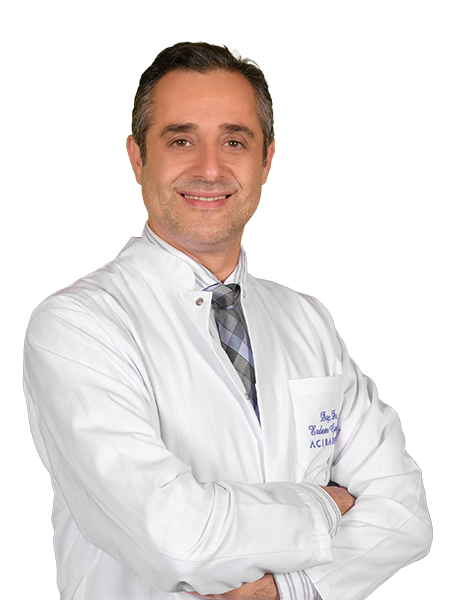
Assoc. Prof. Dr. Erdem Güven (m)
Aesthetic Plastic & Reconstructive Surgery
Prof. Dr. Hakan Ağır
Aesthetic Plastic & Reconstructive Surgery
Prof. Dr. Bülent Saçak
Aesthetic Plastic & Reconstructive Surgery