

Breast Fat Transfer vs Implants: Which Option Fits You?

Breast fat transfer uses a person’s own fat, while implants use a medical device placed in the breast. Fat transfer may suit patients seeking a modest, natural-looking increase and who have enough donor fat.
Key Takeaways
- Breast fat transfer uses a person’s own fat, while implants use a medical device placed in the breast.
- Fat transfer may suit patients seeking a modest, natural-looking increase and who have enough donor fat.
- Implants can offer more predictable volume and a wider range of size options.
- Recovery, revision needs, and long-term maintenance can differ between the two procedures.
- A consultation with a board-certified plastic surgeon helps match the technique to the patient’s anatomy and goals.
Breast fat transfer and breast implants are two common ways to enhance breast shape and volume, but they work in different ways and suit different goals. The best choice depends on body type, desired size change, lifestyle, and comfort with surgery and maintenance.
Overview
Breast enhancement can be performed in different ways, and two of the most discussed options are breast fat transfer and breast implants. Both are used in aesthetic breast surgery, but they approach volume and shape in very different ways.
Breast fat transfer, also called fat grafting to the breasts, removes fat from one area of the body and places it into the breasts. Implants, by contrast, use silicone or saline devices to create breast volume. Each method has advantages, limitations, and different recovery considerations.
The best option depends on a person’s body type, goals, breast tissue, skin quality, and how much increase in size is desired. A consultation with a qualified plastic surgeon can help clarify which approach is most suitable and whether a combined or staged plan makes sense.
Symptoms and Goals People Are Trying to Address
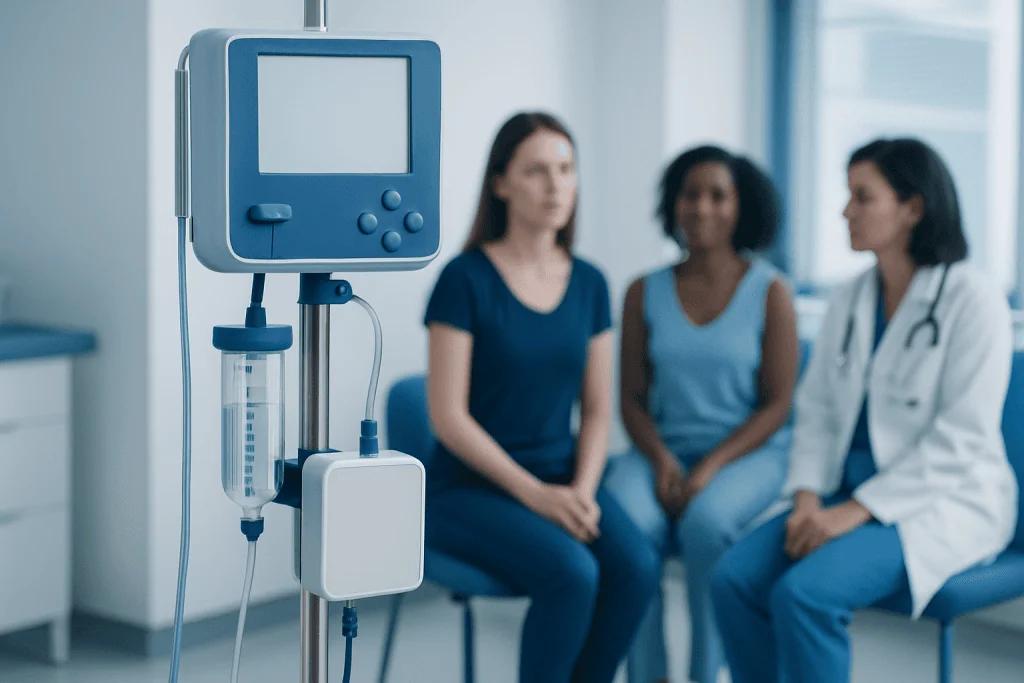
People seeking breast enhancement are usually not treating a medical symptom in the usual sense. Instead, they may want to improve breast shape, restore volume lost after weight changes or pregnancy, or balance asymmetry between the breasts.
Some patients want a subtle increase with a softer, more natural feel, while others prefer a larger and more defined change. Breast fat transfer tends to be chosen for refinement and modest augmentation, while implants are often selected when a more noticeable size increase is desired.
It is also common for the choice to be influenced by lifestyle and body image preferences. Some patients prefer avoiding an implant, while others want the predictability and long-term structure that implants can provide.
Causes and Risk Factors That Affect the Choice

There is no single cause for choosing one procedure over another. Instead, several patient factors shape what is likely to work well. The amount of available donor fat is especially important for fat transfer, because the procedure depends on having enough fat to harvest from another area such as the abdomen, thighs, or flanks.
Skin elasticity and breast tissue thickness also matter. Patients with very little native breast tissue may be better candidates for implants, especially if they are seeking a larger volume change. Fat transfer may be less suitable if only a substantial size increase is desired.
Other factors include smoking status, medical history, prior breast surgery, and overall body composition. Patients who are stable in weight and in good general health may be better candidates for either procedure, depending on their goals.
In general, the procedure is chosen after considering:
- Desired size increase
- Amount of donor fat available
- Breast shape and symmetry
- Need for future maintenance or revision
- Personal preference about implants versus body fat use
Diagnosis and Consultation Process
There is no laboratory test for deciding between breast fat transfer and implants. The “diagnosis” phase is really a surgical consultation in which the surgeon reviews goals, examines the breasts, and evaluates body proportions. The surgeon may also ask about previous pregnancies, weight changes, medications, and any past breast procedures.
During the visit, the surgeon may measure breast width, chest shape, and tissue quality, and may discuss whether asymmetry or sagging is present. Photos or imaging may be used as part of planning, depending on the clinic and the patient’s history.
For some patients, the discussion includes whether another procedure, such as a lift, would improve results more effectively than volume alone. A thoughtful consultation helps ensure expectations are realistic and the chosen method fits both anatomy and lifestyle.
Treatment Options
Breast fat transfer begins with liposuction to remove fat from an area where it is not wanted. The fat is then processed and carefully injected into the breasts in small amounts to help support graft survival. This approach can create soft, natural-feeling enhancement, and it also contours the donor area. Patients interested in this option can learn more through breast fat transfer.
Breast implants involve placing a silicone or saline implant either under the breast tissue or beneath the chest muscle. This option is often favored when a larger or more predictable volume change is desired. Patients seeking this route may explore breast augmentation as part of their planning.
Some patients may be candidates for a combined approach, though this depends on anatomy and surgeon judgment. For example, a small implant may be paired with fat grafting to refine contour and soften the edges of the implant. In the right patient, that combination can balance structure with a more natural appearance.
Another helpful reference is breast aesthetics, which covers the broader set of procedures used to improve breast shape, size, and symmetry. The surgeon’s role is to match the method to the person’s priorities, whether those include simplicity, volume, or a more natural contour.
Comparing Results, Recovery, and Maintenance
Breast fat transfer typically offers a modest increase in volume, and some of the transferred fat may be reabsorbed by the body over time. Because of that, the final result may take several months to settle. The feel is usually soft and natural, but the degree of enlargement is more limited than with implants.
Implants generally provide a more predictable size increase and a broader range of shape and projection options. However, implants are medical devices, so patients should understand that future monitoring or revision may be needed over time. The exact lifespan of an implant varies, and decisions about replacement or removal are individualized.
Recovery also differs. Fat transfer involves healing from both liposuction and breast injection sites, while implant surgery focuses on the breast pocket and incision healing. Swelling, bruising, and temporary activity limits are common with both procedures, but the pattern of recovery can be different. The surgeon will give personalized instructions based on the chosen technique.
Prevention and Self-care
While breast enhancement is an elective procedure, patients can take practical steps to support a smoother surgical experience and recovery. A stable weight is especially helpful for fat transfer because significant weight loss can reduce the volume of transferred fat, while large weight gain may change breast shape and body proportions.
Stopping smoking before surgery is commonly advised because nicotine can impair healing. Good nutrition, adequate hydration, and following preoperative instructions can also support recovery. Patients should discuss all medications, supplements, and herbal products with the surgeon before surgery.
After the operation, self-care usually includes wearing the recommended support garment, avoiding pressure on the breasts when advised, and attending follow-up visits. It is also important to give the body time to heal before judging the final appearance. Patience is part of a good result with either approach.
When to See a Doctor
A consultation with a board-certified plastic surgeon is appropriate when a person is considering breast enhancement and wants help choosing between fat transfer and implants. This is especially important if the goal is to address asymmetry, loss of volume after pregnancy or weight change, or previous surgery concerns.
Patients should also seek medical review if they develop unusual breast pain, major swelling, redness, fever, or wound problems after any breast procedure. New lumps or changes in breast shape should be assessed promptly so the surgeon can determine whether they are part of normal healing or need attention.
For international patients, Acibadem International offers multidisciplinary specialists and JCI-accredited hospitals for evaluation, planning, and treatment in breast procedures. A personalized consultation remains the best way to decide which option fits the patient’s anatomy, goals, and long-term expectations.
How the Two Options Compare in Simple Terms
Breast fat transfer is often best for patients who want a subtle, natural-looking enhancement and have enough donor fat for the procedure. It may appeal to those who prefer using their own tissue and are comfortable with a more modest size increase.
Breast implants are often better for patients who want a larger or more clearly defined change in volume, or who do not have enough donor fat for grafting. They can create a more predictable outcome, but they also involve a device that may require future attention.
Neither option is universally “better.” The right choice is the one that aligns with the patient’s body, health, goals, and willingness to accept the trade-offs of each method.
Frequently asked questions
Which looks more natural: fat transfer or implants?
Breast fat transfer often feels and looks more natural because it uses the body’s own fat. However, implant results can also look natural when the size and shape are carefully matched to the patient’s chest and tissue. The best aesthetic outcome depends on the surgical plan and the starting anatomy.
Can breast fat transfer give the same size increase as implants?
Usually not. Fat transfer is generally used for a modest increase, while implants can provide a larger and more predictable volume change. A surgeon can help estimate whether the desired size change is realistic with fat alone.
Do implants always need to be replaced?
Not always at a fixed time, but implants are not considered lifetime devices. Some patients may need revision or removal in the future because of age-related changes, personal preference, or implant-related issues. Regular follow-up with a surgeon is important.
Is fat transfer safer than implants?
Both procedures have risks, and the safer option depends on the individual patient and the surgery performed. Fat transfer avoids an implant, but it still involves liposuction and grafting. Implants add device-related considerations, so the decision should be made with a surgeon after a full evaluation.
Can someone have both fat transfer and implants?
Yes, some patients have a combined approach. A small implant may provide volume while fat transfer refines the contour or softens visible edges. Whether this is appropriate depends on body type, goals, and surgical judgment.
How long does recovery take?
Recovery varies by procedure and person. Fat transfer recovery includes healing from both liposuction and breast injection sites, while implant recovery focuses on the breast area and incision healing. Most patients need gradual return to activity and follow-up visits to monitor healing.
References
- American Society of Plastic Surgeons
- International Society of Aesthetic Plastic Surgery
- U.S. Food and Drug Administration
- NHS
This article is for general information only and is not a substitute for professional medical advice. Please consult a qualified doctor about your individual situation.
Breast Fat Transfer in Turkey — costs, top hospitals & a free quote
JCI-accredited · board-certified surgeons · reply within 24h
Add us as a Preferred Source to see more of our trusted health content across Google Search, AI Overviews and Discover.
Check your numbers in seconds
BMI, calories, due date, blood pressure and 30+ more clinical calculators — free, instant, doctor-reviewed ranges.

Plastic, Reconstructive & Aesthetic Surgery
Reconstructive and aesthetic procedures for the face and body, performed by experienced surgeons.
35 specialists in this unitRelated Treatments
Related Conditions
More from the Health Library



Related Specialists

Prof. Dr. Şükrü Yazar
Aesthetic Plastic & Reconstructive Surgery
Assoc. Prof. Dr. Erdem Güven (m)
Aesthetic Plastic & Reconstructive Surgery
Prof. Dr. Hakan Ağır
Aesthetic Plastic & Reconstructive Surgery
Prof. Dr. Bülent Saçak
Aesthetic Plastic & Reconstructive Surgery