

Breast Implant Removal: Reasons, Options, and What Results Can Look Like

Breast implant removal may be done because of rupture, capsular contracture, pain, changes in appearance, or personal preference. The surgery can involve implant removal alone or implant removal combined with a breast lift or reconstruction.
Key Takeaways
- Breast implant removal may be done because of rupture, capsular contracture, pain, changes in appearance, or personal preference.
- The surgery can involve implant removal alone or implant removal combined with a breast lift or reconstruction.
- Results vary depending on implant size, skin elasticity, breast tissue, and whether additional reshaping procedures are performed.
- Recovery is usually gradual, with swelling and changes in breast shape improving over several weeks to months.
- A board-certified plastic surgeon can explain options, expected outcomes, and whether testing or imaging is needed before surgery.
Breast implant removal is a procedure to take out one or both breast implants, sometimes with additional surgery to reshape or reconstruct the breasts. People choose it for many reasons, including implant problems, physical symptoms, or a personal change in aesthetic goals.
Overview
Breast implant removal is an operation that removes saline or silicone breast implants. It may be performed for medical reasons, such as implant rupture or firm scar tissue around the implant, or for personal reasons, such as wanting a different breast size or no implants at all. In many cases, the procedure can also address the capsule, which is the layer of scar tissue the body naturally forms around an implant.
Some people have implant removal only, while others choose an added reshaping procedure. Depending on breast volume, skin quality, and personal goals, the surgeon may recommend combining removal with a breast lift or discussing breast reconstruction options. A tailored plan is important because the appearance after implant removal can vary widely from person to person.
It is also helpful to know that implant removal is not always an emergency. Even when there is a concern such as suspected rupture or discomfort, careful assessment usually allows time to discuss the best approach. The goal is to improve comfort, breast health, and appearance in a way that matches the patient’s priorities.
Why People Choose Breast Implant Removal
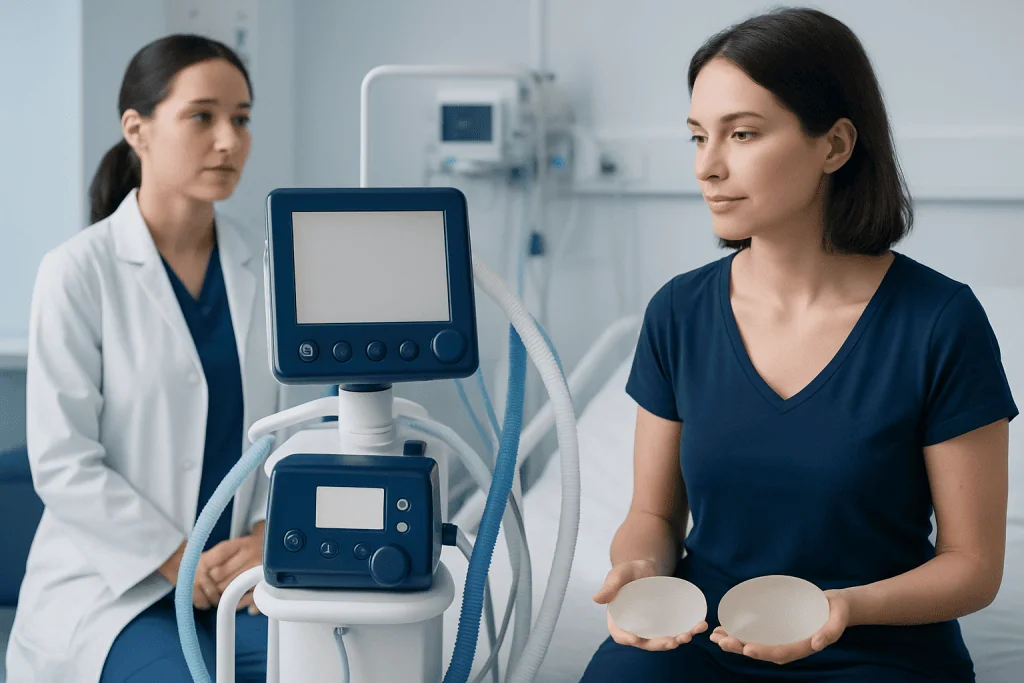
There is no single “right” reason to remove breast implants. Some people decide on surgery because of implant-related complications. Others simply feel their preferences have changed over time. For example, they may want a smaller breast size, a more natural look, or relief from the maintenance that implants can sometimes require.
Medical reasons for removal often include rupture, capsular contracture, pain, breast asymmetry, shifting of the implant, rippling, or persistent discomfort. Occasionally, imaging done for routine follow-up may suggest a problem even before symptoms appear. In these situations, a plastic surgeon can explain whether monitoring or surgery is more appropriate.
Personal and lifestyle reasons are also common. Pregnancy, aging, weight change, and hormonal changes can all affect how implants look and feel. Some people may no longer like the shape or volume they once chose. Others want to simplify future breast care or address sagging that developed over time. In some patients, scar tendencies such as keloid scars may also be part of the surgical planning discussion, especially when previous scars healed thickly.
- Implant rupture or leakage
- Capsular contracture, which can make the breast feel hard or look distorted
- Pain, tightness, or discomfort
- Visible rippling or implant displacement
- Changes in personal preference or body image goals
- Age-related breast changes, including looseness or drooping
Symptoms and Implant-Related Concerns

Symptoms that lead someone to seek evaluation can be subtle or obvious. Common concerns include firmness, tenderness, a change in breast shape, visible asymmetry, swelling, or a breast that sits higher than before. Some people notice a sudden change, while others describe a slow shift over months or years.
Saline implant rupture often leads to a noticeable loss of breast volume because the saline is absorbed by the body. Silicone implant rupture may be harder to detect because the gel can remain within the capsule, sometimes called a “silent rupture.” For that reason, a doctor may recommend imaging when symptoms are unclear or when there is concern about implant integrity.
Capsular contracture is another frequent reason for consultation. This happens when the scar tissue around the implant tightens and hardens. It can cause pain, firmness, distortion, or a breast that feels less natural. A thorough exam helps identify whether symptoms are most likely due to the implant, the capsule, natural breast tissue changes, or another breast condition that needs attention.
It is important not to assume that every breast symptom is caused by implants. New lumps, skin changes, redness, persistent swelling, or discharge from the nipple should always be medically assessed. Standard breast health evaluation remains important whether or not a person has implants.
Diagnosis and Preoperative Evaluation
Planning for breast implant removal starts with a detailed consultation. The surgeon usually reviews the type of implant, when it was placed, prior breast surgeries, current symptoms, and the patient’s goals after removal. An examination helps assess skin elasticity, breast tissue volume, nipple position, scar quality, and signs of capsular contracture or implant malposition.
Imaging may be recommended when there is concern about rupture or another problem. Depending on the situation, this can include ultrasound, mammography, or magnetic resonance imaging. The imaging approach depends on age, symptoms, breast history, and the type of implant. If routine breast cancer screening is due, the doctor may advise completing that as part of the workup.
Preoperative planning also focuses on what the breasts are likely to look like after implant removal. People with larger implants, thin breast tissue, stretched skin, or long-standing implants may have more looseness or flattening once the implants are removed. In these situations, the discussion often includes whether breast prosthesis removal alone is enough or whether combining it with aesthetic breast surgery may better match the patient’s expectations.
The consultation is also the right time to review general health, medications, smoking status, and healing history. Conditions that affect scarring, bleeding, or recovery may influence the timing or surgical plan. A clear conversation about expected results is one of the most important parts of safe, satisfactory treatment.
Treatment Options and Surgical Approaches
The exact procedure depends on the reason for removal and the patient’s goals. In the simplest approach, the surgeon removes the implants through an existing scar whenever possible. In some cases, the capsule around the implant is also partly or fully removed, especially if it is thickened, calcified, contracted, or associated with rupture.
If the breast skin has stretched over time, implant removal alone may leave the breasts looking deflated or droopy. A breast lift can help reshape the breast envelope and reposition the nipple to a more balanced location. For patients who want to maintain breast volume, another option may be reconstruction or replacement, depending on the clinical situation and personal preference.
The operation is usually performed under anesthesia in a hospital or surgical center. Drains are sometimes used for a short time, especially when a large capsule is removed or when extensive reshaping is done. The surgeon may send removed tissue or capsule material for laboratory review when medically indicated.
Not every patient needs a complex procedure. Some do very well with straightforward implant removal, particularly if they have good skin elasticity and enough natural breast tissue. Others benefit from a staged approach, where the implants are removed first and any additional reshaping is considered after healing. The best plan is individualized rather than routine.
What Results Can Look Like
Results after breast implant removal depend on several factors: implant size, how long the implants were in place, the amount of natural breast tissue, age-related changes, weight fluctuations, and skin elasticity. Some breasts return to a shape that feels close to the person’s pre-implant appearance, while others look smaller, softer, flatter, or lower than expected. This is especially true after large implants or many years of stretching.
Immediately after surgery, the breasts may look swollen, high, uneven, or compressed by dressings. These early changes are temporary. The final shape usually settles gradually as swelling improves and tissues relax. A surgeon may advise waiting several months before judging the long-term cosmetic result.
Scars are another part of the outcome. If the surgeon can use the old incision line, no major new scar may be needed. If a breast lift is added, there will usually be additional scars, although these often fade over time. People who have formed thick scars before should mention this during planning, as scar care strategies may help.
Emotional adjustment can also be part of the result. Some patients feel immediate relief and satisfaction. Others need time to adapt to a new body shape, even when the surgery goes well. Honest preoperative counseling helps align expectations and supports a more comfortable recovery experience.
Recovery, Self-Care, and Possible Risks
Recovery after breast implant removal varies with the extent of surgery. Implant removal alone is often easier to recover from than removal combined with capsule surgery or a breast lift. In the first days, patients commonly experience soreness, tightness, swelling, bruising, and temporary fatigue. A supportive surgical bra and careful wound care are often recommended.
Most people are advised to avoid strenuous exercise, heavy lifting, and upper-body strain for a period recommended by their surgeon. Returning to work depends on the type of job and the operation performed. Follow-up visits are important so the surgical team can check healing, remove drains if needed, and answer questions about scar care, activity, and breast shape changes.
As with any operation, there are possible risks. These can include bleeding, infection, fluid collection, delayed wound healing, changes in nipple sensation, asymmetry, contour irregularities, and dissatisfaction with appearance. When additional breast conditions are present, such as extra breast tissue or accessory breast treatment needs, this may also affect the surgical plan.
Good self-care supports healing. Patients should follow instructions closely, avoid smoking if possible, take medications only as directed, and report concerning symptoms promptly. It is usually wise to be patient with the process, because tissue settling and scar maturation take time.
When to See a Doctor
A person should seek medical advice if they notice a change in breast shape, new firmness, pain, swelling, or signs that an implant may have ruptured. Evaluation is also important if there is redness, warmth, fever, sudden asymmetry, a new lump, or persistent fluid around the breast. Even when symptoms seem mild, a professional assessment can provide reassurance and help avoid delays in treatment.
Anyone considering breast implant removal for personal or cosmetic reasons can also benefit from a consultation, even without urgent symptoms. A plastic surgeon can explain likely results, whether a lift may help, and what recovery could involve. This discussion often helps patients make decisions with greater confidence and realistic expectations.
Breast health should continue after any implant procedure. Regular screening and routine medical care remain important. If there are unusual skin changes or symptoms unrelated to implants, these should not be ignored, just as doctors would carefully assess tissue changes after other reconstructive concerns such as burns.
For people traveling for care, choosing an experienced multidisciplinary team is especially valuable. Acibadem International’s plastic and reconstructive surgery specialists in JCI-accredited hospitals evaluate and treat breast implant concerns for international patients, with treatment plans based on individual needs and safety.
Frequently asked questions
Is breast implant removal always medically necessary?
No. Breast implant removal may be done for medical reasons or by personal choice. Some people have removal because of rupture, pain, or capsular contracture, while others simply want a different look or no longer want implants.
Will the breasts look the same as before implants?
Not always. The breasts may look smaller, softer, flatter, or more droopy than before, depending on implant size, skin stretch, and natural breast tissue. A breast lift or another reshaping procedure may improve contour in selected patients.
How is a ruptured breast implant diagnosed?
Diagnosis usually starts with a physical examination and discussion of symptoms. Imaging such as ultrasound, mammography, or MRI may be used, especially when silicone implant rupture is suspected because it can be harder to detect by exam alone.
How long does recovery take after breast implant removal?
Initial recovery often takes a few weeks, but full settling of breast shape can take several months. The timeline depends on whether the surgery included capsule removal, a breast lift, or reconstruction. The surgeon’s activity restrictions should be followed closely.
Can breast implant removal be combined with another procedure?
Yes. Some patients combine implant removal with a breast lift, implant replacement, or breast reconstruction. The best combination depends on breast tissue, skin elasticity, medical findings, and the person’s goals.
Are there risks with breast implant removal surgery?
Yes, as with any surgery, there are possible risks such as bleeding, infection, fluid collection, scarring, sensation changes, or cosmetic dissatisfaction. A careful consultation and experienced surgical planning help reduce risk and clarify what to expect.
References
- U.S. Food and Drug Administration
- American Society of Plastic Surgeons
- National Health Service
- Mayo Clinic
- American College of Radiology
This article is for general information only and is not a substitute for professional medical advice. Please consult a qualified doctor about your individual situation.
Explore treatments in Turkey — costs, top hospitals & a free quote
JCI-accredited · board-certified surgeons · reply within 24h
Add us as a Preferred Source to see more of our trusted health content across Google Search, AI Overviews and Discover.

Related Treatments
Related Conditions
More from the Health Library



Related Specialists
Assoc. Prof. Dr. Erdem Güven (m)
Aesthetic Plastic & Reconstructive Surgery
Prof. Dr. Şükrü Yazar
Aesthetic Plastic & Reconstructive Surgery
Prof. Dr. Hakan Ağır
Aesthetic Plastic & Reconstructive Surgery
Prof. Dr. Bülent Saçak
Aesthetic Plastic & Reconstructive Surgery