

Breast Prosthesis Removal Recovery: Pain, Drains, and Returning to Daily Life

Mild to moderate pain, tightness, and swelling are common in the first days after breast prosthesis removal. Some patients go home with surgical drains, which help remove fluid and are usually temporary.
Key Takeaways
- Mild to moderate pain, tightness, and swelling are common in the first days after breast prosthesis removal.
- Some patients go home with surgical drains, which help remove fluid and are usually temporary.
- Most daily activities can be resumed gradually, but lifting, strenuous exercise, and upper-body strain should wait until the surgeon approves.
- Healing time varies depending on whether only the implant was removed or additional procedures were performed.
- Patients should contact their surgeon promptly for fever, worsening redness, heavy swelling, unusual drainage, or increasing pain.
Breast prosthesis removal recovery is usually gradual and manageable, with discomfort, swelling, and activity limits improving step by step. Knowing what to expect with pain, drains, wound care, and daily routines can help patients feel more prepared and confident during healing.
Overview of Breast Prosthesis Removal Recovery
Breast prosthesis removal, also called explant surgery, is performed for different reasons. Some patients choose removal because of discomfort, capsular tightening, implant rupture, changes in aesthetic goals, or a wish to avoid further implant maintenance. Others may need removal as part of treatment planning before or after procedures such as aesthetic breast surgery or breast reconstruction.
Recovery depends on the exact operation performed. In some cases, the surgeon removes only the implant. In others, the surrounding scar tissue capsule is partly or fully removed, or the breast shape is adjusted at the same time. These differences can affect pain levels, swelling, drain use, scarring, and the time needed before returning to normal routines.
Most patients can expect the first few days to involve soreness, tiredness, and a feeling of tightness or pressure in the chest. Over the following weeks, swelling usually settles and movement becomes easier. Although each person heals at a different pace, careful aftercare and close follow-up with the surgical team help support a smoother recovery.
What Pain and Discomfort Usually Feel Like
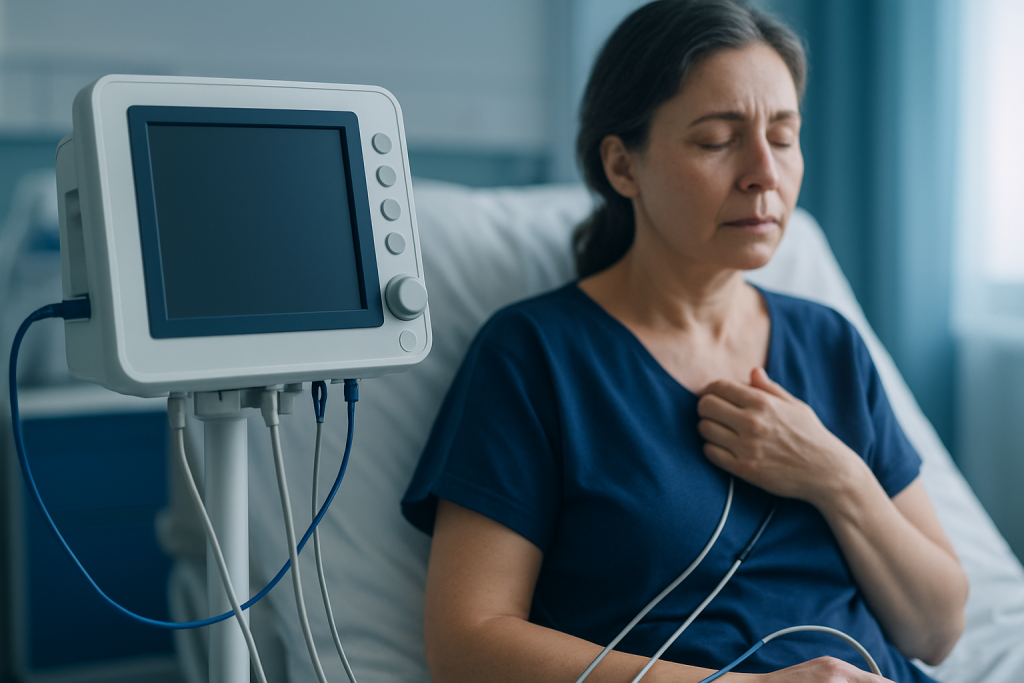
Pain after breast prosthesis removal is usually described as soreness, heaviness, tightness, or aching rather than sharp severe pain. The chest may feel tender, especially when changing position, coughing, reaching overhead, or using the arms to push up from bed or a chair. If capsule removal was also performed, discomfort may be more noticeable because deeper tissues were treated.
Swelling and bruising are also common and can make the breasts or chest wall feel firm. Some patients notice temporary numbness, tingling, or altered skin sensation around the breasts or incisions. These changes often improve gradually as tissues heal, although sensation may take longer to normalize.
Doctors usually recommend a pain-control plan that may include prescription pain medicine for a short period, followed by other medications as appropriate. Patients should take medicines exactly as directed and avoid adding over-the-counter products unless the surgeon says they are safe, since some can increase bleeding risk. Gentle movement, good posture, and avoiding sudden arm strain can also help reduce discomfort.
Emotional adjustment is part of recovery too. Changes in breast shape, temporary asymmetry, or early swelling may be difficult to interpret in the first days after surgery. It often takes time for tissues to settle, so early appearance is not the final result.
Drains, Dressings, and Wound Care

Not every patient needs drains after implant removal, but they are common when the surgeon expects more fluid to collect in the surgical area. Drains are thin tubes connected to small bulbs or containers that remove blood-tinged fluid and reduce pressure under the skin. They are usually temporary and removed once the output drops to a safe level.
Patients are often asked to empty the drain, measure the fluid, and record the amount each day. The surgical team explains how to keep the drain site clean, how to secure the tubing to clothing, and when to call for help. Although drains can feel inconvenient, they are often an important part of preventing fluid buildup and supporting healing.
Dressings, tapes, and surgical bras or compression garments may also be used. These help protect the incision, limit swelling, and support the chest while tissues recover. Patients should follow instructions closely about when they can shower, whether dressings should stay dry, and when supportive garments should be worn.
Incisions should be checked daily for normal healing. Mild bruising, light oozing, and some firmness around the area can be expected. However, increasing redness, foul-smelling drainage, widening of the wound, or sudden swelling should be reported promptly. In some patients with a tendency toward thicker scarring, surgeons may later discuss scar care strategies, especially if there is concern about keloid scars.
Returning to Daily Life After Surgery
Most patients can walk and do light self-care soon after surgery, often the same day or the day after. Short walks are encouraged because they support circulation and reduce stiffness. Even so, rest remains important, and the first week is usually a time to keep activity gentle and avoid overreaching.
Returning to work depends on the type of job and the extent of surgery. Someone with a desk-based role may return earlier than someone whose work involves lifting, repetitive arm movement, or physical labor. Driving should wait until the patient is no longer taking sedating pain medicine and can move comfortably and safely.
Housework, shopping bags, childcare lifting, and gym exercise should be resumed gradually. Surgeons commonly advise avoiding heavy lifting and strenuous upper-body activity until the incision is healing well and internal tissues are more stable. Sleeping on the back or in a slightly elevated position may be recommended for a period to reduce swelling and pressure.
Daily comfort often improves week by week rather than all at once. Patients may feel better one day and more tired the next. This variation is common and does not necessarily mean something is wrong. Following the surgeon’s timeline instead of comparing recovery to others is usually the safest approach.
Factors That Affect Healing Time
Recovery is not identical for every patient. A simpler implant-only removal may involve a shorter and easier healing period than surgery that includes capsule removal, breast lift techniques, correction of asymmetry, or revision of older scars. A previous history of breast surgery can also influence how tissues respond.
General health matters as well. Smoking or nicotine use can slow wound healing and increase the risk of complications. Medical conditions such as diabetes, poor nutrition, or problems affecting immunity may also delay recovery. Age alone does not determine healing, but overall tissue quality and circulation play a role.
The condition of the implant and surrounding tissues can change the surgical plan. For example, a ruptured implant, significant scar capsule tightening, or inflammation may make the procedure more complex. Some patients also undergo explant surgery after treatment for another breast concern, such as gynecomastia in a male chest procedure context or reconstructive changes following earlier operations, which can alter the recovery experience.
Patients should also remember that final contour settles slowly. Swelling may hide the result for weeks, and the breast skin may need time to tighten and adapt after implant removal. In selected cases, surgeons may discuss staged options, including breast reduction or another contouring procedure, if volume and skin changes are significant.
Self-care Tips for a Smoother Recovery
Careful self-care can make the healing period more comfortable. Hydration, balanced meals with enough protein, and regular gentle walking support tissue repair and circulation. Patients should take medications as prescribed, attend follow-up appointments, and keep a written note of drain output, symptoms, or questions for their surgeon.
It is also helpful to prepare the home in advance. Keeping commonly used items within easy reach, arranging help with children or lifting tasks, and wearing loose front-opening clothing can reduce strain during the first days. Many patients feel more comfortable sleeping slightly upright with pillows for support.
Scar care should begin only when the surgeon says the incision is closed enough. Depending on the case, recommendations may include silicone products, sun protection, and gentle massage later in healing. Patients should not apply creams, herbal products, or adhesive tapes unless they have been specifically advised to do so.
Mental well-being deserves attention too. Body image can shift after implant removal, and it may take time to adjust to a new contour. Open discussion with the care team can help patients understand what is temporary, what is expected, and whether any future options such as cosmetic surgery planning might be worth discussing after full healing.
When to Call the Doctor
Most recovery symptoms are temporary, but some signs should not be ignored. Patients should contact their surgeon if pain is worsening rather than improving, if one breast suddenly becomes much more swollen, or if there is persistent bleeding through the dressing. Fever, chills, increasing redness, or pus-like drainage can be warning signs of infection.
Shortness of breath, chest pain, fainting, or calf pain with swelling require urgent medical attention, as these may point to more serious complications unrelated to the incision itself. A drain that suddenly stops working, falls out, or begins collecting much more fluid than before should also be reported.
Patients should not hesitate to ask questions if they are unsure whether a symptom is normal. Early communication often allows small concerns to be managed before they become bigger problems. Follow-up visits are important because the surgeon can assess wound healing, swelling, scar development, and the need for any next-step treatment.
For international patients seeking evaluation or aftercare planning, Acibadem International’s multidisciplinary specialists in JCI-accredited hospitals diagnose and treat breast conditions and recovery concerns with coordinated surgical follow-up.
Frequently asked questions
How long does breast prosthesis removal recovery usually take?
Early recovery often takes a few days to a few weeks, depending on the extent of surgery. Full settling of swelling, shape, and scar healing may take longer. Recovery is usually faster after simpler implant removal than after more complex procedures involving capsule removal or reshaping.
Is breast implant removal more painful than getting implants?
Pain experiences vary, so there is no single answer for everyone. Many patients describe explant recovery as manageable soreness and tightness, especially in the first days. If extensive scar tissue is removed, discomfort may be greater than with a simpler operation.
Why are drains used after breast prosthesis removal?
Drains help remove fluid that can collect in the space where the implant was. This can reduce pressure, lower the chance of fluid buildup, and allow the surgeon to monitor healing. They are usually removed once drainage decreases to an acceptable level.
When can normal exercise start again after explant surgery?
Light walking is usually encouraged early, but strenuous exercise should wait until the surgeon says it is safe. Upper-body workouts, lifting, and high-impact activities are often delayed longer because they can strain the chest and incisions. The exact timing depends on the procedure and healing progress.
Will the breast look normal right away after implant removal?
No, the early appearance is usually affected by swelling, bruising, and tissue settling. Breasts may look flatter, uneven, or temporarily distorted in the first days or weeks. Final contour becomes clearer over time as healing continues.
What symptoms after surgery should prompt a call to the doctor?
Patients should call if they have fever, worsening redness, sudden swelling, increasing pain, unusual drainage, or bleeding that does not settle. Shortness of breath, chest pain, or fainting need urgent medical attention. It is always reasonable to contact the surgical team if something feels unusual.
References
- American Society of Plastic Surgeons
- U.S. National Library of Medicine
- National Health Service
- Mayo Clinic
- U.S. Food and Drug Administration
This article is for general information only and is not a substitute for professional medical advice. Please consult a qualified doctor about your individual situation.
Breast Prosthesis Removal in Turkey — costs, top hospitals & a free quote
JCI-accredited · board-certified surgeons · reply within 24h
Add us as a Preferred Source to see more of our trusted health content across Google Search, AI Overviews and Discover.

Plastic, Reconstructive & Aesthetic Surgery
Reconstructive and aesthetic procedures for the face and body, performed by experienced surgeons.
35 specialists in this unitRelated Treatments
Related Conditions
More from the Health Library



Related Specialists

Assoc. Prof. Dr. Erdem Güven (m)
Aesthetic Plastic & Reconstructive Surgery
Prof. Dr. Şükrü Yazar
Aesthetic Plastic & Reconstructive Surgery
Prof. Dr. Hakan Ağır
Aesthetic Plastic & Reconstructive Surgery
Prof. Dr. Bülent Saçak
Aesthetic Plastic & Reconstructive Surgery