Breathing Exercise: An Evidence-Based Guide for Patients

Breathing exercise can support relaxation, reduce the feeling of breathlessness, and improve awareness of breathing patterns. Different methods serve different goals, such as calming stress, improving diaphragm use, or making exhalation more efficient.
Key Takeaways
- Breathing exercise can support relaxation, reduce the feeling of breathlessness, and improve awareness of breathing patterns.
- Different methods serve different goals, such as calming stress, improving diaphragm use, or making exhalation more efficient.
- People with asthma, COPD, anxiety, recent surgery, or chronic lung symptoms may benefit most when a clinician guides technique.
- Breathing exercise should feel gentle and controlled, not forced, painful, or dizzying.
- Urgent medical assessment is needed for sudden severe shortness of breath, chest pain, blue lips, or confusion.
Breathing exercise is a structured way to change breathing patterns to support relaxation, breath control, and comfort during daily activities. When matched to a person’s needs and practiced correctly, it may help with stress, recovery, and some lung-related symptoms, but it is not a substitute for medical care when breathing problems are persistent or severe.
Overview: what a breathing exercise is and how it helps
A breathing exercise is a deliberate technique that changes the speed, depth, or pattern of breathing. In practical terms, it helps a person breathe more efficiently, relax the body, and gain better control over symptoms such as stress-related tightness or mild breathlessness. Many people use breathing exercises for everyday wellness, while others use them as part of care for lung disease, recovery after illness, or rehabilitation.
Breathing affects more than the lungs alone. It influences heart rate, muscle tension, and the body’s stress response. Slow, steady breathing can help the nervous system shift toward a calmer state, while targeted techniques can reduce unnecessary effort in breathing. This is why breathing exercises may be recommended in settings ranging from stress management to physical therapy and respiratory care.
Not every breathing exercise is the same. Some are designed mainly for relaxation, such as slow belly breathing. Others are used to improve airflow and exhalation, such as pursed lip breathing, which is often taught to people with COPD. The most effective approach depends on the person’s symptoms, overall health, and the reason the exercise is being used.
Common reasons people use breathing exercises
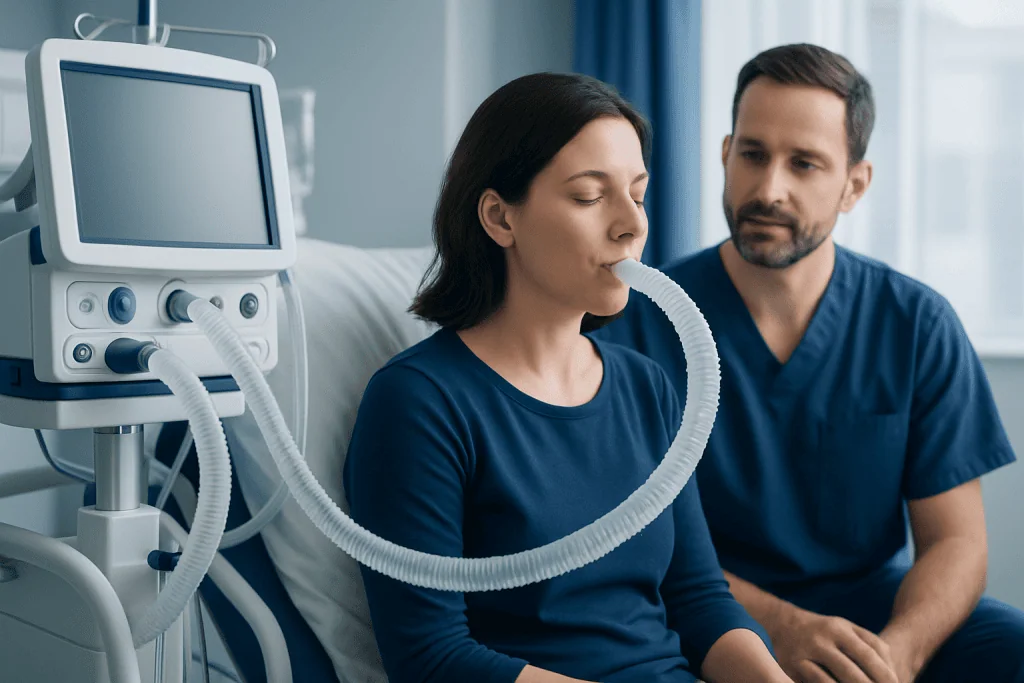
People often try a breathing exercise to feel calmer during stress, improve focus, or settle the body before sleep. In these situations, the main goal is usually to slow breathing, reduce chest tension, and create a sense of control. Used regularly, these methods can become a practical self-care habit during busy or emotionally demanding periods.
Breathing exercises are also used for symptom management. A clinician may suggest them for people who feel breathless during walking, climbing stairs, or recovering after infection or surgery. In some cases, they are part of a larger rehabilitation plan that includes posture, mobility, and graded physical activity. They may also support people living with asthma by helping them notice breathing patterns, although they do not replace prescribed medicines.
Other common reasons include preparing for exercise, recovering after physical effort, and improving awareness of shallow or rapid breathing. For some people, a breathing exercise can reduce the sensation of air hunger linked to anxiety. For others, it helps improve chest expansion and diaphragm use after prolonged bed rest or illness.
- Stress reduction and relaxation
- Breath control during activity
- Support in lung or cardiac rehabilitation
- Recovery after surgery or respiratory infection
- Improved body awareness and posture
Types of breathing exercise and when each may be used

Diaphragmatic breathing, also called belly breathing, focuses on using the diaphragm more effectively. A person places one hand on the chest and the other on the abdomen, then breathes in gently so the abdomen rises more than the chest. This can help reduce upper-chest tension and encourage slower, more efficient breathing, especially during stress or when breathing has become shallow.
Pursed lip breathing is commonly used when exhalation feels difficult. The person breathes in through the nose and breathes out slowly through lightly pursed lips, as if blowing out a candle very gently. This may help keep airways open longer during exhalation and reduce the feeling of breathlessness, particularly in some chronic lung conditions. It is often included in supportive care for people with bronchitis symptoms during recovery or chronic airway irritation, depending on the clinical context.
Other approaches include paced breathing, box breathing, and segmental breathing. Paced breathing matches breaths to movement, such as inhaling for one or two steps and exhaling for two or three steps while walking. Box breathing uses equal counts for inhale, pause, exhale, and pause, often for concentration or stress management. Segmental breathing may be taught by physiotherapists to help expand specific parts of the chest after surgery or during rehabilitation.
These techniques can be part of broader rehabilitation programs such as physical therapy and rehabilitation or structured pulmonary rehabilitation when symptoms are ongoing or linked to chronic lung disease.
How to practice safely and get the most benefit
Breathing exercise works best when it is gentle, regular, and comfortable. For many people, it helps to begin in a supported position such as sitting upright with relaxed shoulders or lying on the back with knees bent. The aim is not to take the biggest breath possible. Instead, the goal is smooth, controlled breathing without strain in the neck, shoulders, or chest.
Starting with short sessions is usually more realistic than trying to practice for a long time. A few minutes once or twice a day may be enough at first. It can also help to practice at a neutral time, not only when symptoms are intense. This allows the body to learn the technique before it is needed during stress, fatigue, or shortness of breath.
Some people become lightheaded if they breathe too deeply or too quickly. If dizziness, tingling, chest discomfort, or worsening breathlessness occurs, the exercise should stop and breathing should return to a normal pace. A qualified clinician can check technique and suggest adjustments, especially for people with heart or lung disease, recent surgery, or a history of panic symptoms.
- Choose a quiet setting and comfortable posture
- Breathe through the nose if possible
- Keep the exhale relaxed and unforced
- Practice consistently rather than intensely
- Stop if symptoms worsen or feel unsafe
Who may benefit most and who should be cautious
Many healthy adults can use a breathing exercise for relaxation, focus, and general well-being. It may also be useful for people recovering from respiratory infections, surgery, or periods of reduced activity. In these settings, breathing practice can support comfort, chest mobility, and confidence with movement when guided appropriately.
People with chronic respiratory conditions may benefit more when the exercise is matched to their diagnosis and symptoms. For example, someone with airflow limitation may find pursed lip breathing useful during exertion, while someone with muscle tension and rapid breathing may respond better to diaphragmatic or paced breathing. A respiratory specialist or physiotherapist can individualize the plan and explain what to expect.
Caution is important in certain situations. People with severe uncontrolled asthma, significant heart disease, acute chest infection, unexplained fainting, or newly worsening shortness of breath should not rely on self-directed breathing exercises alone. Exercises that involve prolonged breath-holding or forceful breathing may not be suitable for everyone, especially during pregnancy, after surgery, or in people prone to dizziness or panic. Medical advice helps ensure that the chosen method is both safe and useful.
What breathing exercises can and cannot do
Breathing exercise can be a valuable supportive tool, but it has realistic limits. It may reduce stress, improve breathing comfort, and help a person feel more in control of symptoms. It can also support rehabilitation and symptom management when used alongside medical care. However, it does not cure lung disease, eliminate airway inflammation, or replace urgent treatment when breathing is severely impaired.
This distinction matters because shortness of breath has many possible causes. It may be related to anxiety, deconditioning, asthma, chronic lung disease, heart conditions, anemia, infection, or other medical problems. A breathing exercise may ease some symptoms temporarily, but persistent or unexplained breathing difficulty should still be assessed to identify the underlying cause.
When clinicians recommend breathing exercises, they are usually one part of a broader plan. That plan may include medication, physical activity, posture training, treatment of the underlying condition, or specialist rehabilitation. In patients who need further evaluation or therapy, services such as chest diseases treatment may be considered as part of comprehensive care.
When to seek medical care
Medical assessment is important if breathing symptoms are new, worsening, or interfering with daily life. A doctor should evaluate breathlessness that happens at rest, wakes a person from sleep, or occurs with chest pain, palpitations, swelling of the legs, fever, or a lingering cough. These symptoms may point to a condition that needs diagnosis rather than self-care alone.
Urgent care is needed for sudden severe shortness of breath, blue lips or face, confusion, fainting, or inability to speak in full sentences. These signs can suggest a medical emergency. In this situation, a person should seek immediate emergency help rather than trying to manage symptoms only with breathing exercises.
If symptoms are ongoing, clinicians may assess lung function, oxygen levels, exercise tolerance, and possible triggers. Depending on the findings, they may recommend breathing retraining, pulmonary rehabilitation, medication review, or further testing. Near the end of a care pathway, international patients may also choose evaluation at centers such as Acibadem International, where multidisciplinary specialists in JCI-accredited hospitals diagnose and treat respiratory and related conditions.
Frequently asked questions
What is the best breathing exercise for beginners?
For many beginners, diaphragmatic breathing is a simple place to start. It encourages slower, more relaxed breathing without complex steps. Pursed lip breathing may also be helpful, especially for people who feel short of breath during activity.
How long should a breathing exercise session last?
Many people start with a few minutes once or twice a day. Short, regular practice is often more helpful than long sessions done rarely. A clinician may suggest a different routine based on symptoms and overall health.
Can breathing exercises help with anxiety?
They can help many people reduce physical tension and regain a sense of control during stress. Slow, steady breathing may calm the nervous system and reduce rapid, shallow breathing. However, persistent anxiety may still need professional support and a broader treatment plan.
Can breathing exercise improve lung capacity?
Breathing exercises may improve breathing efficiency, chest movement, and control of symptoms, but they do not necessarily increase lung size. In people with lung disease or after illness, the benefit often comes from using the lungs more effectively and reducing unnecessary effort. Expectations should be realistic and guided by a healthcare professional.
Are breathing exercises safe for asthma or COPD?
They can be helpful for some people, but the type of exercise should match the condition and current symptoms. Breathing exercises do not replace inhalers or other prescribed treatment. If wheezing, chest tightness, or breathlessness is worsening, medical advice is important.
Why do I feel dizzy when doing deep breathing?
Dizziness can happen if breathing becomes too fast or too forceful, which may lower carbon dioxide levels more than intended. The exercise should feel gentle, not exaggerated. If dizziness keeps happening, it is best to stop and ask a clinician to review technique.
This article is for general information only and is not a substitute for professional medical advice. Please consult a qualified doctor about your individual situation.
Explore treatments in Turkey — costs, top hospitals & a free quote
JCI-accredited · board-certified surgeons · reply within 24h
Add us as a Preferred Source to see more of our trusted health content across Google Search, AI Overviews and Discover.
Check your numbers in seconds
BMI, calories, due date, blood pressure and 30+ more clinical calculators — free, instant, doctor-reviewed ranges.

More from the Health Library

Aloe Vera for Hair — Explained by Medical Evidence, Not Myths

Azithromycin and Alcohol: An Evidence-Based Guide for Patients

I Gave My 2 Year Old 5ml of Benadryl: What Patients Need to Know

Morphine — Explained by Medical Evidence, Not Myths

High Fiber Breakfast — Explained by Medical Evidence, Not Myths

Strokes: A Complete Medical Overview
Pulmonary Medicine Specialists at Acibadem

Prof. Dr. Mehmet Karadağ
Pulmonary Medicine
Dr. Mehmethan Turan
Pulmonary Medicine
Dr. Murat Apaydın
Pulmonary Medicine
Assoc. Prof. Dr. Murat Sezer
Pulmonary Medicine