Cardiac Sarcoidosis: Symptoms, MRI Findings, and Treatment Options

Cardiac sarcoidosis is an inflammatory condition that can affect the heart muscle and electrical system. Symptoms vary widely and may include palpitations, fainting, shortness of breath, chest discomfort, or no symptoms at all.
Key Takeaways
- Cardiac sarcoidosis is an inflammatory condition that can affect the heart muscle and electrical system.
- Symptoms vary widely and may include palpitations, fainting, shortness of breath, chest discomfort, or no symptoms at all.
- Cardiac MRI helps detect inflammation and scarring and is one of the key tests used in evaluation.
- Treatment often includes medicines to reduce inflammation and therapies to manage arrhythmias or heart failure.
- Regular follow-up is important because the condition can change over time even after treatment starts.
Cardiac sarcoidosis is a form of sarcoidosis that affects the heart, sometimes causing rhythm problems, chest symptoms, or reduced heart function. Because it can be difficult to recognize, careful testing—especially cardiac MRI and other heart imaging—plays an important role in diagnosis and treatment planning.
Overview of cardiac sarcoidosis
Cardiac sarcoidosis occurs when sarcoidosis, an inflammatory disease that can affect many organs, involves the heart. In sarcoidosis, small clusters of inflammatory cells called granulomas form in tissues. When this process affects the heart, it may involve the heart muscle, the electrical conduction system, the heart valves, or the outer lining of the heart.
The condition is considered uncommon, but it may be underdiagnosed because symptoms can be mild, non-specific, or absent. Some people already know they have sarcoidosis in the lungs, lymph nodes, skin, or eyes before heart involvement is suspected. Others first come to medical attention because of a new heart rhythm problem or unexplained weakening of the heart muscle.
Cardiac sarcoidosis matters because inflammation can interfere with the heart’s ability to pump blood and can also disrupt its normal electrical signals. This may lead to rhythm disturbances, conduction block, or features similar to heart failure or cardiomyopathy. With timely diagnosis and appropriate treatment, many patients can have symptoms controlled and lower the risk of complications.
Symptoms and possible warning signs
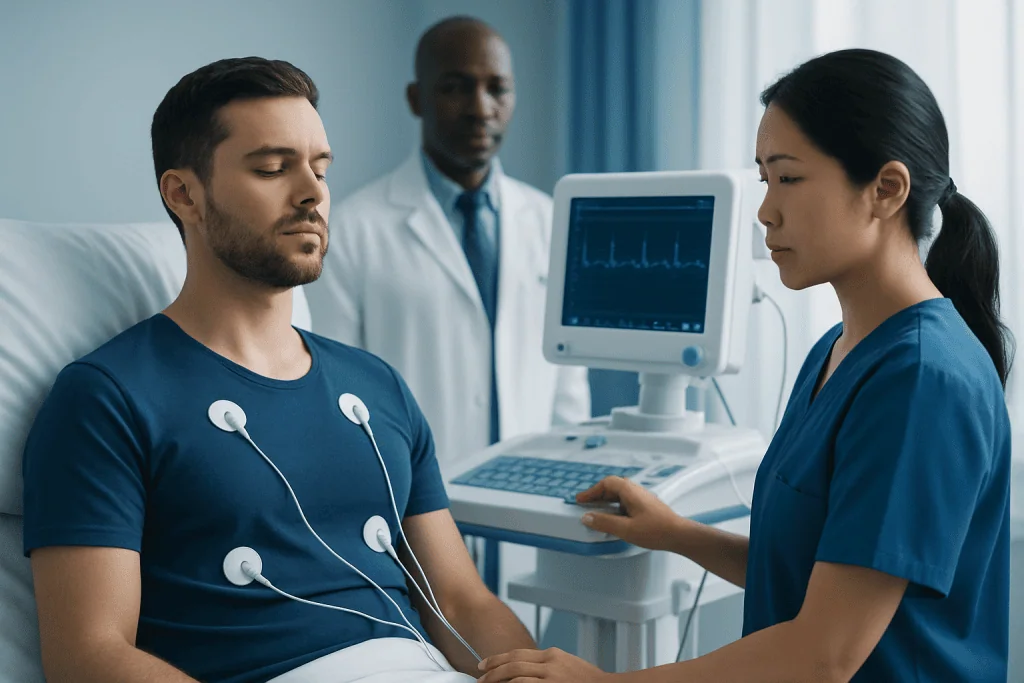
Symptoms of cardiac sarcoidosis can vary greatly. Some people have no symptoms and are identified only through screening tests after sarcoidosis is found elsewhere in the body. Others develop symptoms related to abnormal heart rhythms, reduced pumping function, or inflammation in the heart tissue.
Common symptoms may include palpitations, skipped beats, dizziness, unexplained fatigue, shortness of breath, chest discomfort, fainting, or reduced exercise tolerance. In some cases, the first sign is a slow heart rhythm caused by heart block, or a fast and potentially dangerous rhythm such as ventricular tachycardia.
A person should not assume that every episode of palpitations or fatigue means cardiac sarcoidosis. Many conditions can cause similar symptoms, including anxiety, anemia, thyroid problems, infection, dehydration, and other heart disorders. Still, symptoms such as fainting, worsening breathlessness, or sudden changes in heartbeat should always be evaluated by a qualified doctor.
- Palpitations or irregular heartbeat
- Fainting or near-fainting
- Shortness of breath during activity or at rest
- Chest pressure or discomfort
- Unusual fatigue or weakness
- Swelling in the legs if heart function is affected
Causes and risk factors

The exact cause of sarcoidosis is still not fully understood. Experts believe it likely develops through a combination of immune system activity, genetic susceptibility, and environmental triggers. In cardiac sarcoidosis, the same inflammatory process that affects other organs reaches heart tissue and may cause both active inflammation and later scarring.
People with known sarcoidosis elsewhere in the body have a higher chance of heart involvement, although the degree of risk differs from one person to another. Cardiac involvement may appear at the time sarcoidosis is first diagnosed or later in the course of the illness. Even when lung symptoms are mild, the heart can still be affected.
Risk may be considered higher in patients with unexplained arrhythmias, heart block at a younger age, fainting, or reduced heart function without another obvious cause. Family history can sometimes provide clues, but cardiac sarcoidosis is not usually described as a straightforward inherited disease. Because there is no single known trigger or prevention strategy, awareness and evaluation are especially important in people with sarcoidosis who develop heart-related symptoms.
How diagnosis is made
Diagnosing cardiac sarcoidosis often requires combining several pieces of information rather than relying on one test alone. A clinician usually begins with a detailed medical history, symptom review, physical examination, and routine heart tests. Blood tests may be used to look for inflammation or to assess overall health, but they cannot confirm the diagnosis by themselves.
Initial evaluation often includes an electrocardiogram to check the heart’s electrical activity and an echocardiogram to assess pumping strength and heart structure. Doctors may also use ambulatory rhythm monitoring, such as a Holter monitor, to detect intermittent arrhythmias. In some patients, additional imaging like PET scanning is used to identify active inflammation.
Endomyocardial biopsy can provide direct tissue evidence, but it is not always diagnostic because inflammation may occur in patchy areas that the biopsy misses. For this reason, many specialists use clinical criteria that consider symptoms, imaging findings, biopsy results from other organs, and the exclusion of other causes. Multidisciplinary assessment involving cardiology, imaging experts, and sometimes electrophysiology can be very helpful.
MRI findings in cardiac sarcoidosis
Cardiac MRI is one of the most valuable tools in evaluating suspected cardiac sarcoidosis. It offers detailed pictures of heart structure and function and can show patterns that suggest inflammation, injury, or scar formation. MRI is especially helpful when the diagnosis is uncertain or when doctors need to understand how much of the heart may be involved.
One important MRI feature is late gadolinium enhancement, often called LGE. This finding can indicate scarring or fibrosis in the heart muscle. In cardiac sarcoidosis, LGE may appear in patchy areas and in patterns that do not match the classic distribution of blocked coronary arteries. MRI may also show wall motion abnormalities, thickening or thinning in parts of the heart muscle, and reduced pumping function.
MRI findings are interpreted together with symptoms, electrocardiogram results, echocardiography, and sometimes PET scan findings. MRI can support diagnosis, help estimate risk, and assist with follow-up over time. It does not replace clinical judgment, but it is central to modern care because it can reveal disease that is not obvious on routine tests.
Because MRI can identify scar as well as active or prior injury, the test is also useful when planning treatment. Patients with more extensive MRI abnormalities may need closer monitoring for rhythm complications, medication adjustments, or referral for procedures such as ablation procedures or evaluation by specialists in heart rhythm disorders.
Treatment options
Treatment is tailored to the individual and depends on symptoms, the amount of heart involvement, rhythm disturbances, and how well the heart pumps. The main goals are to reduce inflammation, protect heart function, prevent complications, and improve quality of life. In many patients, treatment includes corticosteroids or other immunosuppressive medicines chosen by the treating specialist.
If the condition affects the heart’s pumping ability, standard therapies used for heart failure treatment may also be recommended. These can include medicines that support heart function and reduce strain on the heart. When rhythm problems occur, doctors may prescribe anti-arrhythmic medicines, recommend a pacemaker for conduction block, or consider an implantable cardioverter-defibrillator in selected patients at higher risk of dangerous ventricular arrhythmias.
Some patients continue to have troublesome arrhythmias despite medication, and catheter-based ablation procedures may be considered in carefully selected cases. If severe heart damage develops, advanced therapies may be discussed with a specialized cardiac team. The best approach usually comes from coordinated care involving cardiologists, imaging specialists, and, when needed, electrophysiologists and immunology or pulmonary teams.
Treatment response can vary. Some people improve significantly as inflammation comes under control, while others need long-term follow-up because scar-related rhythm problems or reduced heart function may persist. This makes regular review especially important even when symptoms seem stable.
Prevention, self-care, and follow-up
There is no proven way to prevent cardiac sarcoidosis itself, because the underlying cause of sarcoidosis is not fully known. However, there are practical steps that support heart health and help patients manage the condition more safely. These include taking prescribed medicines exactly as directed, attending follow-up visits, and reporting new symptoms early.
Patients are often advised to monitor for changes such as new palpitations, fainting, worsening shortness of breath, swelling, or reduced exercise tolerance. Lifestyle measures can also support overall cardiovascular health: avoiding smoking, limiting alcohol if advised, prioritizing sleep, eating a balanced diet, and staying physically active within the limits recommended by the treating doctor. Activity plans may need to be individualized if arrhythmias or significant heart dysfunction are present.
Because treatment may involve long-term immune-modifying medication, follow-up is also needed to watch for side effects and determine whether inflammation is improving. Repeat ECGs, echocardiography, rhythm monitoring, MRI, or PET imaging may be used over time. Near the end of the care pathway, some patients may also benefit from structured recovery support such as cardiac rehabilitation when recommended by their physician.
When to see a doctor
Anyone with known sarcoidosis should speak with a doctor if they develop palpitations, unexplained dizziness, fainting, chest discomfort, or shortness of breath. People without a prior sarcoidosis diagnosis should also seek evaluation if they have these symptoms, especially if they are new, recurrent, or worsening. Prompt assessment helps doctors look for cardiac sarcoidosis as well as other heart conditions that may need treatment.
Urgent medical care is needed for fainting, severe chest pain, sudden breathlessness, sustained rapid heartbeat, or symptoms that suggest serious rhythm problems. Even if symptoms pass quickly, they should not be ignored. Early evaluation can be important because some rhythm disturbances are intermittent and may not be detected later without proper testing.
For international patients seeking specialist assessment, Acibadem International’s multidisciplinary teams in JCI-accredited hospitals diagnose and treat conditions including cardiac sarcoidosis with coordinated cardiology and imaging expertise. A qualified doctor can explain which tests are appropriate and whether ongoing monitoring is needed.
Frequently asked questions
What is cardiac sarcoidosis?
Cardiac sarcoidosis is a form of sarcoidosis in which inflammatory cell clusters affect the heart. It can involve the heart muscle, the electrical conduction system, or both, leading to symptoms ranging from none at all to rhythm disturbances or reduced heart function.
What are the most common cardiac sarcoidosis symptoms?
Common symptoms include palpitations, dizziness, fainting, shortness of breath, fatigue, and chest discomfort. Some people have no symptoms and are diagnosed only after testing for sarcoidosis or unexplained heart rhythm changes.
What does MRI show in cardiac sarcoidosis?
Cardiac MRI can show areas of inflammation, scarring, and changes in heart muscle movement or pumping function. A finding called late gadolinium enhancement often helps doctors identify abnormal tissue patterns that support the diagnosis.
Can cardiac sarcoidosis be treated?
Yes. Treatment usually focuses on reducing inflammation and managing heart-related complications such as arrhythmias or weakened heart function. Depending on the situation, treatment may include immunosuppressive medicines, heart medications, implanted devices, or rhythm procedures.
Is cardiac sarcoidosis the same as heart failure?
No. Cardiac sarcoidosis is an inflammatory disease affecting the heart, while heart failure is a condition in which the heart does not pump blood as effectively as it should. Cardiac sarcoidosis can lead to heart failure in some patients, but the two terms are not the same.
How is cardiac sarcoidosis diagnosed if a biopsy is negative?
A negative heart biopsy does not rule it out, because the inflammation can be patchy and easy to miss. Doctors often make the diagnosis using a combination of symptoms, ECG findings, echocardiography, MRI, PET imaging, and evidence of sarcoidosis in other organs.
This article is for general information only and is not a substitute for professional medical advice. Please consult a qualified doctor about your individual situation.
Cardiac Sarcoidosis in Turkey — costs, top hospitals & a free quote
JCI-accredited · board-certified surgeons · reply within 24h
Add us as a Preferred Source to see more of our trusted health content across Google Search, AI Overviews and Discover.

Cardiology Department
Diagnosis and treatment of heart and vascular conditions, from prevention to advanced interventional procedures.
93 specialists in this unitRelated Treatments
Related Conditions
More from the Health Library

Ablation for Atrial Fibrillation: Success Rates, Risks, and Recovery
Coronary Bypass Graft Types: Artery vs Vein Grafts Explained

Chronic Total Occlusion: When Coronary Bypass Surgery May Be Considered

Cardiorenal Syndrome: What Daily Care Looks Like After Diagnosis

Pulmonary Hypertension: What It Means and How Doctors Confirm It