

Cardiomyopathy: Early Signs, Risk Factors, and How It Is Treated
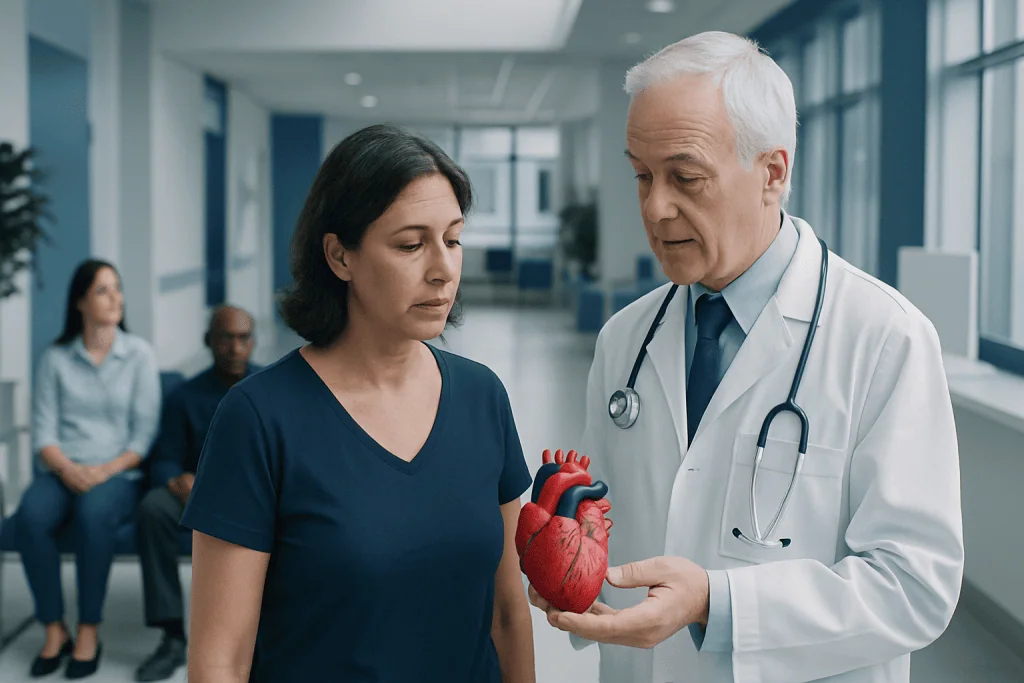
Cardiomyopathy affects the heart muscle and may lead to heart failure, rhythm problems, or blood clots if not treated. Common early signs include shortness of breath, fatigue, swelling in the legs or abdomen, palpitations, and reduced exercise tolerance.
Key Takeaways
- Cardiomyopathy affects the heart muscle and may lead to heart failure, rhythm problems, or blood clots if not treated.
- Common early signs include shortness of breath, fatigue, swelling in the legs or abdomen, palpitations, and reduced exercise tolerance.
- There are several types, including dilated, hypertrophic, restrictive, and arrhythmogenic cardiomyopathy, each with different causes and treatment needs.
- Evaluation usually includes a physical exam, ECG, echocardiogram, blood tests, and sometimes cardiac MRI, stress testing, or genetic testing.
- Treatment may involve lifestyle changes, medicines, implanted devices, procedures, or surgery depending on the type and severity.
Cardiomyopathy is a disease of the heart muscle that can weaken the heart’s pumping ability or make it harder for the heart to fill properly. Early symptoms may be subtle, but timely diagnosis and treatment can help control symptoms, reduce complications, and improve quality of life.
Overview: what cardiomyopathy means
Cardiomyopathy is a broad term for diseases that affect the heart muscle. In some people, the heart becomes enlarged and weak, making it harder to pump blood effectively. In others, the heart muscle becomes abnormally thick or stiff, which can interfere with filling and blood flow even when pumping strength appears preserved.
This condition is not a single disease with one cause. Instead, it includes several types with different patterns, risks, and treatments. Some forms are inherited, while others develop because of long-term high blood pressure, coronary artery disease, infections, autoimmune conditions, alcohol or drug exposure, pregnancy-related complications, or other medical problems.
Cardiomyopathy can range from mild to severe. Some people have no symptoms at first and learn about it during testing for a heart murmur, family history, or an abnormal ECG. Others develop symptoms gradually, such as shortness of breath, fatigue, or swelling, and may eventually be diagnosed with heart failure or rhythm-related problems.
The key point is that cardiomyopathy is treatable, even when it cannot be completely cured. Early recognition helps doctors identify the type, protect heart function, reduce complications, and choose the most appropriate care plan for the individual.
Early signs and symptoms to notice
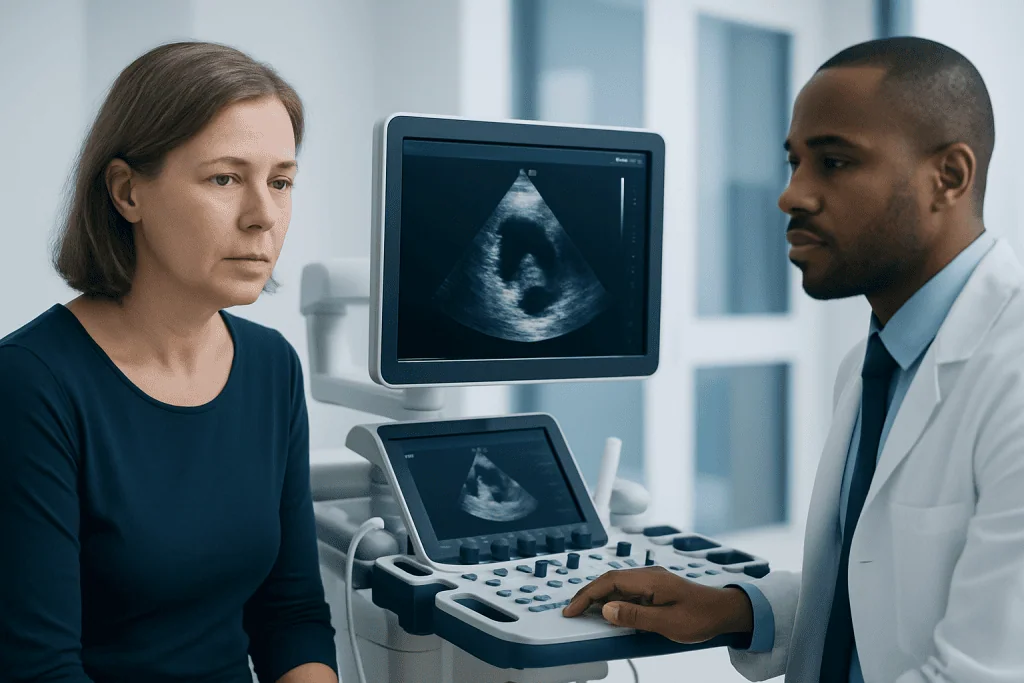
Early cardiomyopathy symptoms can be easy to overlook because they often resemble common complaints such as low energy or being out of shape. A person may notice getting unusually short of breath during daily activity, climbing stairs, or lying flat. Fatigue, reduced stamina, or needing more time to recover after mild exertion are also common early clues.
As the condition progresses, symptoms may become more noticeable. These can include swelling in the ankles, feet, legs, or abdomen; chest discomfort; dizziness; fainting; or a sensation of fluttering, pounding, or irregular heartbeats. Some people develop a persistent cough at night or wake up short of breath because fluid backs up when the heart does not pump efficiently.
Not everyone experiences the same pattern. For example, hypertrophic cardiomyopathy may cause exertional chest pain, palpitations, or fainting, while dilated cardiomyopathy more often leads to progressive fatigue and fluid retention. Restrictive cardiomyopathy may cause swelling and breathlessness earlier because the heart becomes stiff and cannot fill normally.
- Shortness of breath with activity or when lying down
- Unusual fatigue or poor exercise tolerance
- Swelling of the legs, ankles, feet, or abdomen
- Palpitations or an irregular heartbeat
- Chest pain, dizziness, or fainting
Types, causes, and risk factors
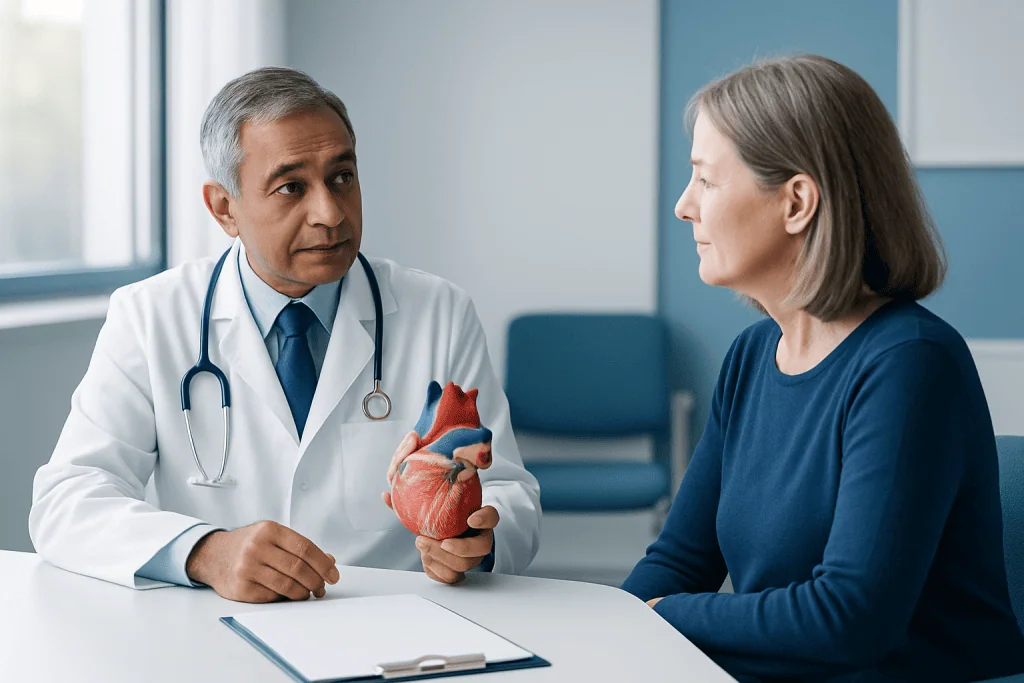
The main forms of cardiomyopathy are dilated, hypertrophic, restrictive, and arrhythmogenic cardiomyopathy. Dilated cardiomyopathy causes enlargement of the heart chambers and reduced pumping strength. Hypertrophic cardiomyopathy causes abnormal thickening of the heart muscle, sometimes obstructing blood flow. Restrictive cardiomyopathy makes the heart walls stiff, and arrhythmogenic cardiomyopathy affects the heart muscle in a way that increases the risk of abnormal rhythms.
Causes vary widely. Some forms are inherited and run in families, which is why family history matters. Others are linked to long-standing high blood pressure, coronary artery disease, previous heart attack, viral infections that inflame the heart muscle, autoimmune disorders, thyroid disease, diabetes, iron overload, and certain chemotherapy drugs. Heavy alcohol use, stimulant drugs, and exposure to toxins can also damage the heart over time.
Risk factors do not guarantee that someone will develop cardiomyopathy, but they increase the likelihood or make symptoms appear earlier. These include a family history of cardiomyopathy or sudden cardiac death, uncontrolled hypertension, known coronary artery disease, obesity, sleep apnea, and chronic kidney disease. Pregnancy can occasionally trigger a form called peripartum cardiomyopathy in the last month of pregnancy or in the months after delivery.
Because the causes differ, treatment begins with identifying the underlying pattern and any reversible triggers. In some people, cardiomyopathy overlaps with other heart conditions such as arrhythmia or valve disease, and these problems may need attention as part of the overall plan.
How doctors diagnose cardiomyopathy
Diagnosis usually starts with a detailed medical history and physical examination. The doctor asks about symptoms, exercise tolerance, chest discomfort, fainting, pregnancy history, alcohol or drug exposure, and family history of heart disease or sudden death. On examination, clues may include a heart murmur, fast or irregular pulse, lung crackles, or fluid-related swelling.
Several tests help confirm the diagnosis and define the type. An electrocardiogram records the heart’s electrical activity and may show rhythm problems or signs of thickened or damaged heart muscle. Blood tests can help look for infection, thyroid disease, kidney function changes, or markers of strain on the heart. A chest X-ray may show heart enlargement or fluid in the lungs.
The most important imaging test is often an echocardiogram, which uses ultrasound to assess chamber size, wall thickness, pumping function, valve function, and blood flow patterns. In many cases, doctors also use echocardiography to follow the condition over time and see how well treatment is working. Cardiac MRI can provide more detailed information about the heart muscle and scar tissue.
Some patients need additional evaluation, such as exercise testing, Holter monitoring for intermittent rhythm disturbances, coronary imaging, or genetic testing if an inherited form is suspected. If symptoms are complex or severe, doctors may recommend advanced cardiology care from a team that includes imaging specialists, heart rhythm experts, and heart failure clinicians.
Treatment options and long-term management
Cardiomyopathy treatment depends on the type, cause, symptom severity, and whether the heart’s pumping ability is reduced. For many patients, treatment begins with medications that lower strain on the heart, improve pumping efficiency, reduce fluid buildup, and control blood pressure or heart rate. Some people also need medicines to prevent dangerous rhythm problems or lower the risk of blood clots.
Devices and procedures can be important when medication alone is not enough. An implantable cardioverter-defibrillator may be advised for people at increased risk of life-threatening ventricular arrhythmias. A pacemaker or cardiac resynchronization device may help selected patients whose heart chambers are not beating in a coordinated way. In obstructive hypertrophic cardiomyopathy, procedures to reduce the blockage may be considered in carefully chosen cases.
If blocked coronary arteries are contributing to weakened heart muscle, treatment may also address the blood supply to the heart, such as coronary angiography to evaluate the coronary arteries. In advanced disease, especially when severe symptoms persist despite guideline-based care, options may include specialized heart failure therapies, mechanical support, or heart transplantation assessment.
Long-term management usually includes regular follow-up, repeated imaging, review of symptoms, and adjustment of treatment over time. Near the end of the care pathway, some international patients choose multidisciplinary evaluation at Acibadem International, where JCI-accredited hospitals and specialists diagnose and treat cardiomyopathy using coordinated cardiac care.
Prevention and self-care habits that support heart health
Not all cardiomyopathy can be prevented, especially inherited forms, but healthy habits can reduce strain on the heart and lower the risk of complications. Controlling blood pressure, diabetes, and cholesterol is important. Avoiding tobacco, limiting alcohol, and discussing any recreational drug use or potentially harmful supplements with a doctor can also protect heart function.
Physical activity is still valuable for many people with cardiomyopathy, but the safest type and intensity should be individualized. Some patients can do regular moderate exercise, while others, especially those with hypertrophic cardiomyopathy or significant arrhythmia risk, may need restrictions on high-intensity or competitive sports. A doctor can advise what level of activity is appropriate.
Daily self-care includes following the prescribed medication plan, attending follow-up appointments, and watching for changes in breathing, swelling, weight, or exercise tolerance. A sudden increase in weight over a short period can be a sign of fluid retention. Reducing excess dietary salt may help some patients who have swelling or heart failure symptoms.
Because family history matters, relatives of someone with inherited or suspected inherited cardiomyopathy may benefit from screening. This may involve a medical review, ECG, echocardiogram, and sometimes genetic counseling or testing. Early identification can help family members receive monitoring before symptoms begin.
When to seek medical care
A person should arrange medical evaluation if they have unexplained shortness of breath, ongoing fatigue, swelling in the legs or abdomen, repeated palpitations, or reduced ability to exercise compared with their usual level. These symptoms do not always mean cardiomyopathy, but they do deserve assessment, especially if they are new, worsening, or accompanied by a family history of heart disease.
Urgent medical attention is needed for chest pain, fainting, severe breathlessness, blue lips, confusion, or a fast or irregular heartbeat that does not settle. These symptoms can signal serious complications such as a dangerous arrhythmia, worsening heart failure, or reduced blood flow. Anyone who is concerned should seek prompt professional care rather than trying to manage severe symptoms at home.
People already diagnosed with cardiomyopathy should contact their doctor if swelling suddenly increases, they gain weight quickly from fluid retention, need to sleep upright because of breathlessness, or notice more frequent dizziness or palpitations. These changes may mean the treatment plan needs adjustment.
Follow-up is especially important after a new diagnosis, during pregnancy or the postpartum period, after a viral illness affecting the heart, or when there is a strong family history. Early review helps doctors monitor progression, refine treatment, and reduce avoidable complications.
Frequently asked questions
Is cardiomyopathy the same as heart failure?
No. Cardiomyopathy is a disease of the heart muscle, while heart failure is a clinical condition in which the heart cannot meet the body’s needs effectively. Cardiomyopathy can lead to heart failure, but not everyone with cardiomyopathy has heart failure at the time of diagnosis.
Can cardiomyopathy be cured?
Some causes can be treated or partly reversed, especially if they are related to alcohol, certain toxins, uncontrolled blood pressure, or another underlying condition. However, many forms are chronic and need long-term monitoring. Even when it cannot be cured, treatment can often improve symptoms and reduce risks.
Is cardiomyopathy inherited?
It can be. Hypertrophic cardiomyopathy and some other forms are commonly linked to inherited gene changes. If there is a family history of cardiomyopathy, sudden cardiac death, or unexplained fainting, doctors may recommend screening for close relatives.
Can someone with cardiomyopathy exercise?
Many people can remain active, but the right exercise plan depends on the type of cardiomyopathy, symptom level, and rhythm risk. Moderate activity may be appropriate for some, while intense or competitive sports may not be safe for others. A cardiologist can give personalized guidance.
What is the most common early symptom of cardiomyopathy?
Shortness of breath with activity is one of the most common early symptoms. Many people also notice unusual fatigue or reduced exercise tolerance before more obvious swelling or chest symptoms appear.
How serious is cardiomyopathy?
Severity varies widely. Some people have mild disease and few symptoms, while others may develop rhythm problems, blood clots, or progressive heart failure. Regular follow-up helps doctors assess risk and start treatment early when needed.
References
- American Heart Association
- National Heart, Lung, and Blood Institute
- European Society of Cardiology
- Centers for Disease Control and Prevention
- Mayo Clinic
This article is for general information only and is not a substitute for professional medical advice. Please consult a qualified doctor about your individual situation.
Explore treatments in Turkey — costs, top hospitals & a free quote
JCI-accredited · board-certified surgeons · reply within 24h
Add us as a Preferred Source to see more of our trusted health content across Google Search, AI Overviews and Discover.
Check your numbers in seconds
BMI, calories, due date, blood pressure and 30+ more clinical calculators — free, instant, doctor-reviewed ranges.

More from the Health Library



Related Specialists

Dr. Berhan Bayram
Orthopedic Surgery & Traumatology
Nazlıhan Bozdağ
Physical Medicine & Rehabilitation
Dr. İhsan Atabay
Gynecology & Obstetrics
Prof. Dr. Fevzi Toraman
Anesthesiology