Cataract Surgery Cost: What Affects the Price of Treatment?

Cataract surgery cost usually reflects the procedure, lens choice, tests, facility fees, and follow-up care. Premium intraocular lenses and advanced technology may increase the overall price.
Key Takeaways
- Cataract surgery cost usually reflects the procedure, lens choice, tests, facility fees, and follow-up care.
- Premium intraocular lenses and advanced technology may increase the overall price.
- The lowest advertised price may not include important parts of care such as examinations or medications.
- A personalized quote is the best way to understand the total expected cost.
- Safety, surgeon experience, and appropriate aftercare are as important as price.
Cataract surgery cost can vary widely because the final price depends on more than the operation itself. The type of lens, the hospital or surgical center, preoperative testing, and postoperative care all play a role in the total treatment cost.
Overview: Why Cataract Surgery Cost Varies
Cataract surgery is one of the most commonly performed eye procedures, but there is no single price that applies to everyone. The reason is simple: treatment plans are personalized. One patient may need standard surgery with a basic lens, while another may benefit from advanced lens technology, additional eye measurements, or treatment for other eye conditions at the same time.
In general, cataract surgery cost includes several components rather than just the operation itself. These may include the surgeon’s fee, hospital or operating room charges, preoperative eye examinations, imaging tests, the intraocular lens placed in the eye, anesthesia support, medicines, and follow-up visits. Whether these are bundled together or billed separately can make a major difference in the final figure.
For this reason, comparing prices can be confusing if two clinics are not offering the same package of care. A lower quote may seem attractive at first, but it may exclude important services. Patients often find it helpful to ask for a clear written breakdown so they can understand exactly what is covered and what may be charged later.
What Is Included in the Cost of Cataract Surgery?
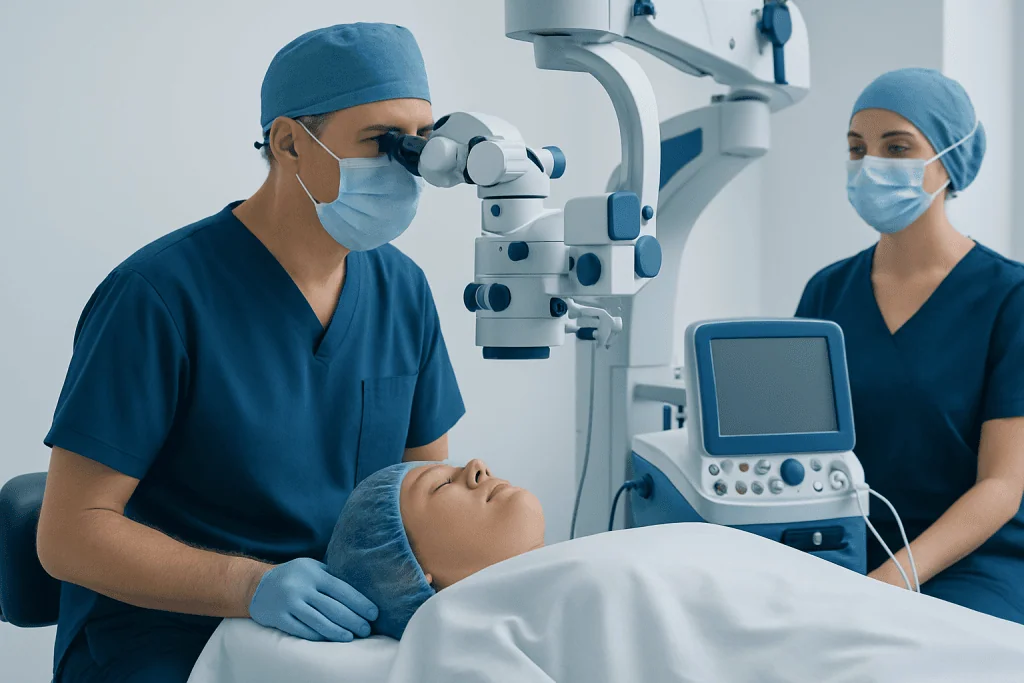
Most cataract surgery treatment plans involve several stages. Before surgery, the eye is examined carefully to confirm the diagnosis and measure the eye so the correct lens power can be selected. The procedure itself usually involves removing the cloudy natural lens and replacing it with a clear artificial lens, called an intraocular lens. After surgery, follow-up appointments help the doctor monitor healing and vision improvement.
Depending on the provider, the quoted cataract surgery cost may include all of these steps in one package or only part of them. Patients should ask whether the estimate covers consultations, diagnostic scans, the lens implant, anesthesia, postoperative medications, and routine follow-up visits. If any of these are excluded, the final total may be higher than expected.
It is also helpful to ask whether the quote is for one eye or both eyes. Cataracts often affect both eyes, but surgery is typically done on separate days. A price discussed during the first consultation may refer to a single eye only unless stated otherwise.
- Initial ophthalmology consultation
- Biometry and lens power calculations
- Operating room or hospital fees
- Surgeon and anesthesia fees
- Standard or premium intraocular lens
- Postoperative checks and prescribed eye drops
Main Factors That Affect Cataract Surgery Cost
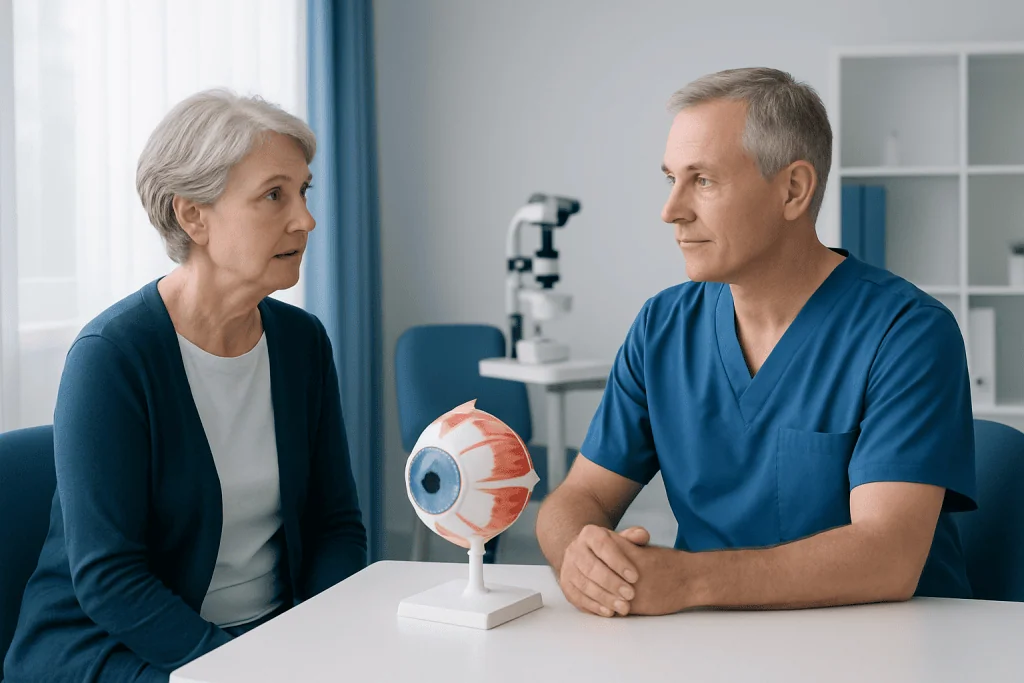
One of the biggest influences on cataract surgery cost is the type of intraocular lens used. Standard monofocal lenses are generally the most basic option and are designed to provide clear vision at one main distance. Premium lenses, such as multifocal or toric lenses, may help reduce dependence on glasses or correct astigmatism, but they usually increase the overall price.
The surgical technique can also affect cost. Standard phacoemulsification is widely used and effective, but some centers offer additional technologies such as laser-assisted steps or advanced imaging guidance. These options may be suitable for selected patients, yet they can add to the total expense. If a patient also has another eye issue such as astigmatism correction needs or retinal disease, management may become more complex.
Another important factor is where the surgery is performed. Hospital-based procedures, private eye centers, and specialized clinics can have different pricing structures. Costs may also vary according to the surgeon’s experience, the country where treatment is provided, the accreditation status of the facility, and the level of support services offered to the patient.
Finally, personal medical factors matter. Some eyes are straightforward to treat, while others require extra planning because of previous surgery, dense cataracts, trauma, diabetes, or coexisting conditions. In those cases, more testing, longer operating time, or combined care from different specialists may influence the price.
Lens Choices and Technology: Why Upgrades Change the Price
The artificial lens used during surgery is a major part of the treatment decision and often a major part of the cost. Standard monofocal lenses are designed to restore clarity after the cataract is removed, but many patients still need glasses for reading or for some distances. Premium lenses can offer broader visual correction, though they are not ideal for everyone and tend to cost more.
Toric lenses are designed for patients with significant corneal astigmatism. Multifocal or extended-depth-of-focus lenses may help some people see at more than one distance. These technologies can be beneficial, but they require careful patient selection, precise measurements, and a discussion about realistic expectations, including possible visual effects such as halos or glare in some individuals.
Additional diagnostic tools and advanced surgical platforms can also influence pricing. Measurements may be more detailed when planning premium lens surgery, and some centers use laser-assisted techniques or image-guided systems. These features are often offered alongside cataract surgery packages that are tailored to the patient’s visual goals, but they are not medically necessary in every case.
How to Compare Prices Safely and Fairly
When comparing cataract surgery cost between providers, patients should make sure they are comparing similar services. A low price may not include lens upgrades, medications, anesthesia, or follow-up care. Another quote may seem higher at first but include a fuller package and clearer financial planning.
It is sensible to ask practical questions before deciding. Patients may want to know which lens is included, whether any additional tests are recommended, how many follow-up visits are part of the plan, and what happens if further treatment is needed. If there are concerns about eye health beyond the cataract itself, the surgeon may recommend extra evaluation for problems such as diabetic retinopathy or other retinal conditions.
Quality and safety should remain central. Experience of the ophthalmic team, sterile operating conditions, reliable equipment, and good communication are all valuable. A well-organized provider should be able to explain both the medical plan and the financial plan in plain language, helping the patient make an informed decision rather than focusing on price alone.
Additional Costs Patients Should Ask About
Beyond the main surgical fee, there may be extra charges that are easy to overlook. These can include pre-surgery blood tests or medical clearance, transportation, accommodation for out-of-town or international patients, prescription eye drops, and glasses after recovery. If treatment is being arranged abroad, interpreter services and travel-related logistics may also be relevant.
Some patients need treatment in both eyes, usually staged over time. In that situation, the total cost should be discussed for the full care plan, not just the first operation. It is also worth asking whether unexpected findings during evaluation could change the recommended lens or surgical approach, since this may alter the quote.
People who have other eye conditions may require additional specialist input. For example, if symptoms suggest problems beyond a routine cataract, a doctor may advise further assessment in neuro-ophthalmology or retinal care. These services can be important for safety and treatment planning, even though they may not be part of a basic advertised package.
Planning for Treatment and Choosing the Right Provider
A good starting point is a comprehensive eye examination with an ophthalmologist. This helps confirm that the cataract is truly the main reason for blurred vision and identifies any conditions that could influence outcomes. After the examination, the surgeon can explain whether surgery is appropriate now, which lens options are suitable, and what level of visual improvement is realistic.
When reviewing costs, patients may find it useful to request an itemized estimate in writing. This should clarify what is included, what is optional, and what could lead to extra charges. A transparent estimate makes it easier to compare providers fairly and reduces surprises later.
For international patients, it can also help to choose a center that offers coordinated care, from diagnosis through follow-up guidance. Near the end of the decision process, some patients look for a provider with multidisciplinary eye specialists and accredited hospitals. Acibadem International offers diagnosis and treatment for cataracts and related eye conditions in JCI-accredited hospitals for international patients.
Ultimately, the best choice balances price, safety, surgeon expertise, technology when appropriate, and clear communication. Cataract surgery is not only a financial decision but also a vision care decision, so it is worth taking time to understand the full plan.
When to Seek Medical Advice About Cataracts
People should arrange an eye examination if they notice blurred vision, glare from lights, difficulty reading, faded colors, or trouble driving at night. These symptoms do not always mean a cataract is present, but they deserve professional assessment. Early evaluation can determine whether glasses, monitoring, or surgery is the most appropriate next step.
Medical advice is especially important if vision changes happen quickly, affect only one eye suddenly, or are accompanied by pain, flashes of light, new floaters, or significant redness. These symptoms may point to a different eye problem that needs timely care. A cataract typically causes gradual, painless clouding of vision rather than sudden severe symptoms.
Patients who have diabetes, a history of eye surgery, eye injury, or known retinal disease should be particularly careful about regular eye checks. In these situations, surgery planning may be more individualized, and the total cataract surgery cost may reflect the need for additional testing or specialist involvement.
Frequently asked questions
Why does cataract surgery cost differ so much between clinics?
Prices vary because clinics may include different parts of care in their quotes. The type of lens, surgeon experience, facility fees, diagnostic testing, and follow-up care can all change the total cost.
Does the quoted cataract surgery cost usually include the lens implant?
Sometimes it does, but not always. Patients should ask whether the quote includes a standard lens only or whether premium lens options would involve an extra charge.
Are premium lenses worth the extra cost?
Premium lenses may be helpful for some patients, especially if reducing dependence on glasses is an important goal. However, they are not the best choice for everyone, so the decision should be based on eye health, lifestyle, and the ophthalmologist’s advice.
Is cataract surgery priced per eye or for both eyes together?
Many quotes are given per eye, since each eye is usually treated separately. It is important to confirm whether the estimate is for one eye only or for the full treatment plan.
What extra costs should patients ask about before booking surgery?
Useful questions include whether the estimate covers preoperative tests, anesthesia, medications, follow-up visits, glasses after surgery, and any extra charges if the lens choice changes. Travel and accommodation may also matter for patients coming from another city or country.
Is the lowest cataract surgery price always the best option?
Not necessarily. A lower price may exclude important parts of care or reflect fewer support services, so quality, safety, transparency, and surgeon expertise should all be considered alongside cost.
This article is for general information only and is not a substitute for professional medical advice. Please consult a qualified doctor about your individual situation.
Cataract Surgery in Turkey — costs, top hospitals & a free quote
JCI-accredited · board-certified surgeons · reply within 24h
Add us as a Preferred Source to see more of our trusted health content across Google Search, AI Overviews and Discover.

Ophthalmology
Comprehensive eye care from laser vision correction to retina, cornea and cataract surgery.
75 specialists in this unitRelated Treatments
More from the Health Library

Ptosis Surgery: Who May Benefit and What Recovery Is Like

Cataract Surgery in One Eye or Both: How Doctors Decide

Adult Blocked Tear Duct Surgery: Recovery, Stents, and Healing Time

Toric Intraocular Lenses for Astigmatism: Who May Benefit After Cataract Surgery

Pink Eye in Adults: Home Care, Contagion, and When Urgent Care Helps