Pink Eye in Adults: Home Care, Contagion, and When Urgent Care Helps

Pink eye in adults can be caused by viruses, bacteria, allergies, or irritants. Not all pink eye is contagious; viral and bacterial forms can spread, while allergic conjunctivitis does not.
Key Takeaways
- Pink eye in adults can be caused by viruses, bacteria, allergies, or irritants.
- Not all pink eye is contagious; viral and bacterial forms can spread, while allergic conjunctivitis does not.
- Home care often helps mild cases, but contact lens users and people with severe pain or vision changes should seek medical advice quickly.
- Good hand hygiene and avoiding shared towels, cosmetics, and eye products can reduce spread.
- Urgent assessment is important if there is eye pain, light sensitivity, blurred vision, or symptoms in only one eye that worsen rapidly.
Pink eye in adults, also called conjunctivitis, is a common cause of red, irritated eyes. Many cases improve with simple care, but some symptoms suggest a need for prompt medical evaluation to protect vision and comfort.
Overview: What Pink Eye Means in Adults
Pink eye in adults refers to inflammation of the conjunctiva, the thin, clear tissue that covers the white part of the eye and the inside of the eyelids. When this tissue becomes irritated or infected, the small blood vessels in it become more visible, making the eye look pink or red. The condition is commonly known as conjunctivitis.
There are several forms of conjunctivitis. Viral conjunctivitis often happens along with a cold or other upper respiratory infection. Bacterial conjunctivitis may cause thicker discharge. Allergic conjunctivitis is linked to triggers such as pollen, dust, or pet dander. Irritant conjunctivitis can occur after smoke, chlorine, cosmetics, or foreign material gets into the eye.
Most cases are mild and improve without lasting problems, especially when the cause is viral or allergic. Still, red eye is not always simple pink eye. Other eye conditions can look similar but may require different treatment, so persistent, severe, or unusual symptoms should be assessed by an eye professional.
Symptoms of Pink Eye in Adults
Symptoms can vary depending on the cause, but common signs include redness in one or both eyes, tearing, itching, burning, grittiness, and discharge. Some people wake up with crusting on the eyelids or feel as if there is sand in the eye. The eyelids may also appear mildly swollen.
Viral pink eye often causes watery discharge and may begin in one eye before spreading to the other. Bacterial pink eye is more likely to produce thicker yellow or green discharge. Allergic conjunctivitis commonly affects both eyes and is usually linked with strong itching, watery eyes, sneezing, or a runny nose.
Pink eye should not usually cause significant eye pain or marked vision loss. If symptoms include strong pain, severe sensitivity to light, reduced vision, or a sensation that something is stuck in the eye and will not clear, another problem may be present. In those situations, prompt medical advice is important.
- Red or pink appearance of the eye
- Watery or sticky discharge
- Itching, burning, or irritation
- Crusting of eyelashes, especially on waking
- Mild eyelid swelling
- Sometimes blurred vision that clears after blinking away discharge
Causes, Triggers, and How Contagious It Is

Whether pink eye is contagious depends on the cause. Viral and bacterial conjunctivitis can spread easily through direct hand-to-eye contact, shared towels or pillowcases, contaminated cosmetics, and surfaces touched after eye secretions. Viral pink eye is especially common in settings where people are in close contact, such as homes, offices, schools, and public transport.
Allergic conjunctivitis is not contagious. It happens when the immune system reacts to allergens such as pollen, mold, dust mites, or animal dander. Irritant conjunctivitis is also not contagious and may develop after exposure to smoke, wind, chlorinated water, air pollution, or certain eye drops or makeup products.
Adults who wear contact lenses need extra caution. Redness in a contact lens wearer can sometimes signal a more serious corneal problem rather than routine conjunctivitis. Improper lens cleaning, overnight wear, or using lenses while the eyes are irritated can increase the risk of infection. Guidance on safe contact lens use is an important part of prevention.
In some cases, clinicians may consider a broader eye surface problem rather than straightforward pink eye, especially if symptoms are recurrent or severe. An evaluation for conjunctivitis care or a detailed eye examination can help identify the exact cause.
Diagnosis: How Doctors Tell Pink Eye Apart from Other Eye Problems
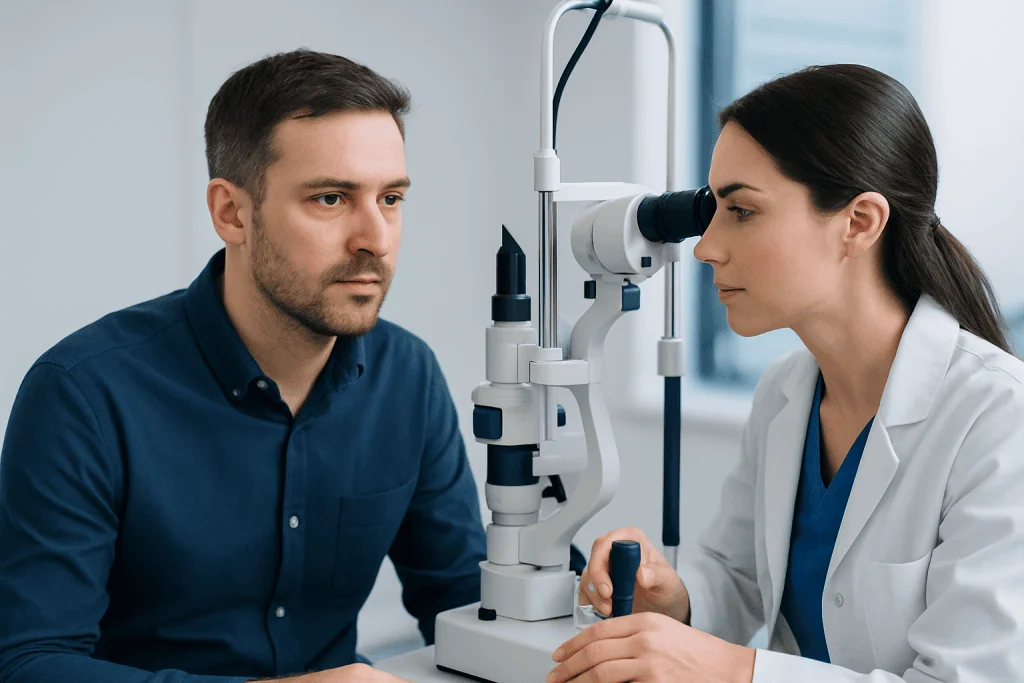
Doctors often diagnose pink eye by asking about symptoms, recent illness, allergies, contact lens use, eye products, and whether one or both eyes are affected. They will usually inspect the eye for redness pattern, type of discharge, swelling, and signs of irritation on the eyelids or cornea.
Most uncomplicated cases do not need special tests. However, testing may be considered if symptoms are severe, prolonged, recurrent, or linked with contact lens use or immune system problems. In selected situations, a swab of eye discharge may be taken, particularly if the clinician suspects an unusual bacterial infection or wants laboratory support through services such as ocular microbiology testing.
Red eye can also be caused by dry eye, blepharitis, a corneal scratch, a foreign body, uveitis, glaucoma, or a blocked tear drainage system. Sometimes conditions such as blocked tear duct problems can contribute to discharge and irritation. This is why a professional assessment matters when symptoms are intense, do not improve, or do not fit the usual picture of mild pink eye.
Treatment Options for Pink Eye in Adults
Treatment depends on the cause. Viral pink eye usually improves on its own with supportive care, and antibiotics do not help viral infections. Bacterial conjunctivitis may be treated with prescribed antibiotic eye drops or ointment when a clinician believes they are needed. Allergic conjunctivitis is often managed by avoiding triggers and using doctor-recommended allergy eye drops or oral allergy medicines.
Home comfort measures can be very helpful. A clean warm or cool compress may reduce discomfort, depending on what feels best. Artificial tears can soothe irritation if a clinician or pharmacist considers them suitable. People should avoid wearing contact lenses until the eye has fully recovered and a doctor says it is safe to restart.
Some adults are tempted to use leftover eye drops from a previous infection or to share medication with another person, but this is not safe. Different eye problems can need very different treatments, and some medicines can worsen certain conditions. Steroid eye drops should only be used under medical supervision.
If the eye surface is significantly inflamed or damaged, an ophthalmologist may evaluate the cornea more closely, especially in contact lens users or after chemical exposure. In uncommon situations, specialized services such as cornea and external eye disease care may be relevant.
Home Care, Hygiene, and Prevention
Simple hygiene steps can reduce both discomfort and spread. Hands should be washed often with soap and water, especially before and after touching the eyes or applying drops. It helps to avoid rubbing the eyes, because rubbing can worsen irritation and move germs from one eye to the other.
Adults with contagious pink eye should avoid sharing towels, pillowcases, washcloths, makeup, or eye drops. Eye cosmetics used during the infection are best replaced to lower the chance of reinfection. Pillowcases and face towels should be changed regularly and washed well.
For comfort at home, any discharge can be gently cleaned away with a clean cotton pad or soft cloth dampened with lukewarm water, using a separate pad for each eye. Contact lenses should not be worn until symptoms are gone and the lenses, case, or solution have been replaced if recommended. Good workplace and household hygiene can help protect others.
- Wash hands frequently
- Do not share personal eye or face items
- Stop contact lens wear until cleared
- Use clean compresses and separate cloths for each eye
- Replace eye makeup used during infection
- Avoid swimming pools if discharge is active
When Urgent Care or an Eye Specialist Helps
Although many cases are mild, urgent medical care is appropriate when symptoms suggest a more serious eye problem. Adults should seek prompt assessment if they have moderate to severe eye pain, sudden or marked vision changes, strong sensitivity to light, significant swelling, or symptoms after an eye injury or chemical splash.
Contact lens users should be especially careful. Redness with pain, tearing, or blurred vision in a lens wearer may reflect a corneal infection, which can threaten vision if treatment is delayed. People with weakened immunity, recent eye surgery, or known eye disease should also contact a doctor early.
It is also sensible to seek care if symptoms are worsening, lasting longer than expected, or returning often. A clinician can confirm whether this is ordinary pink eye or another issue that needs specific treatment. Near the end of the care journey, some people benefit from review by ophthalmology teams; Acibadem International’s multidisciplinary specialists in JCI-accredited hospitals evaluate and treat eye conditions for international patients.
Frequently asked questions
How long does pink eye last in adults?
The duration depends on the cause. Viral pink eye often improves over several days to two weeks, while bacterial cases may improve sooner with appropriate treatment. Allergic pink eye can continue as long as the trigger is present.
Is pink eye in adults always contagious?
No. Viral and bacterial conjunctivitis can spread to others, but allergic and irritant conjunctivitis are not contagious. A doctor can help determine the likely cause based on symptoms and eye examination.
Can adults go to work with pink eye?
Many adults can return to work once they feel well enough and can practice careful hygiene, but this depends on the cause and the work setting. If the pink eye is infectious, avoiding close contact and not sharing items is important. A clinician may give more specific advice for healthcare, food service, or childcare roles.
Should contact lenses be worn during pink eye?
No. Contact lenses should usually be stopped until the eye has healed and a clinician says it is safe to wear them again. Continuing lens wear can worsen irritation and may increase the risk of corneal complications.
Do antibiotics help pink eye?
Antibiotics can help bacterial conjunctivitis, but they do not treat viral pink eye. Because not every red eye is bacterial, it is best to use antibiotic drops only when prescribed or recommended by a qualified clinician.
What symptoms mean pink eye may be something more serious?
Warning signs include significant eye pain, light sensitivity, reduced vision, worsening redness, or symptoms after injury or chemical exposure. These features can suggest a condition other than simple conjunctivitis and should be assessed promptly.
References
- American Academy of Ophthalmology
- Centers for Disease Control and Prevention
- National Eye Institute
- NHS
- Mayo Clinic
This article is for general information only and is not a substitute for professional medical advice. Please consult a qualified doctor about your individual situation.
Explore treatments in Turkey — costs, top hospitals & a free quote
JCI-accredited · board-certified surgeons · reply within 24h
Add us as a Preferred Source to see more of our trusted health content across Google Search, AI Overviews and Discover.