Coronary Artery Disease: Symptoms, Causes, and Treatment Options

Coronary artery disease happens when heart arteries narrow, reducing blood flow and causing chest pain, shortness of breath, or heart attack risk.
Key Takeaways
- Coronary artery disease reduces blood flow to the heart muscle because of narrowed or blocked coronary arteries.
- Common symptoms include chest pressure, shortness of breath, fatigue with activity, and sometimes no warning signs.
- Risk rises with smoking, high blood pressure, high cholesterol, diabetes, obesity, family history, and aging.
- Diagnosis may involve an exam, ECG, blood tests, stress testing, echocardiography, CT imaging, or coronary angiography.
- Treatment often combines lifestyle changes, medications, and in some cases procedures such as stenting or bypass surgery.
- Urgent medical care is needed for chest pain that is severe, new, prolonged, or accompanied by sweating, nausea, or breathing difficulty.
Coronary artery disease is a common heart condition in which the arteries supplying the heart become narrowed or blocked, usually by plaque buildup. It can cause chest discomfort, shortness of breath, or no symptoms at all until it becomes more serious, but effective treatment and lifestyle changes can help protect heart health.
Overview
Coronary artery disease is a condition in which the arteries that carry oxygen-rich blood to the heart muscle become narrowed or blocked. In most cases, this happens because fatty deposits called plaque build up inside the artery walls over time. As the space inside the artery becomes smaller, the heart may not receive enough blood during physical activity, emotional stress, or eventually even at rest.
This condition is also called coronary heart disease or ischemic heart disease. It develops gradually in many people, often over years. Some may notice chest discomfort or shortness of breath, while others do not realize they have the condition until they develop a complication such as a heart attack. Because symptoms can be subtle, understanding personal risk and getting timely evaluation are important.
Coronary artery disease is treatable. Care usually focuses on improving blood flow to the heart, relieving symptoms, reducing the chance of heart attack, and protecting long-term heart function. Treatment may include lifestyle changes, medication, and sometimes procedures to open blocked arteries or improve circulation. Related problems such as heart attack and heart failure may also be discussed during evaluation, depending on symptoms and test results.
How coronary artery disease affects the heart
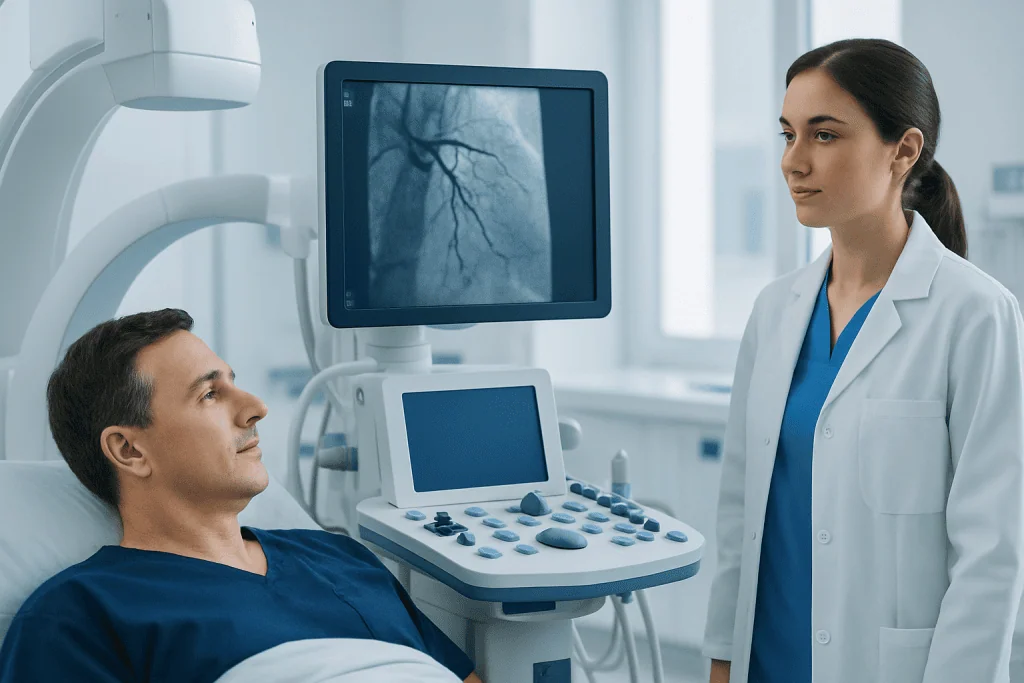
The heart is a muscle that needs a constant blood supply to work properly. That blood is delivered through the coronary arteries, which run over the surface of the heart. When plaque builds up, the arteries can stiffen and narrow. This process is called atherosclerosis.
Reduced blood flow may cause the heart muscle to receive too little oxygen, especially during exertion. This can lead to angina, a type of chest discomfort often described as pressure, tightness, heaviness, or burning. If a plaque suddenly ruptures and a blood clot forms, blood flow can be blocked abruptly, causing a heart attack.
Not every blockage causes the same symptoms. Some people have mild narrowing with few complaints, while others may have significant disease affecting several arteries. The exact effect depends on how severe the narrowing is, which arteries are involved, how active the person is, and whether the heart has developed alternative pathways for blood flow over time.
Symptoms

Symptoms of coronary artery disease can vary widely. Some people have classic angina, while others notice only reduced stamina or breathlessness. Symptoms may appear during exercise, climbing stairs, emotional stress, exposure to cold, or after a large meal, when the heart needs more oxygen.
Common symptoms can include:
- Chest pressure, tightness, squeezing, or pain
- Shortness of breath
- Fatigue, especially with activity
- Pain or discomfort in the arm, shoulder, neck, jaw, or back
- Lightheadedness or weakness
- Nausea or sweating during episodes of chest discomfort
Symptoms are not always the same in every person. Older adults, women, and people with diabetes may be more likely to have less typical symptoms, such as unusual fatigue, indigestion-like discomfort, or breathlessness without obvious chest pain. In some cases, the first sign of coronary artery disease may be a heart attack.
When symptoms are stable and occur predictably with exertion, doctors may describe them as stable angina. New, worsening, or unpredictable symptoms need urgent assessment because they can suggest an acute reduction in blood flow to the heart.
Causes and risk factors
The main cause of coronary artery disease is atherosclerosis. Over time, cholesterol, inflammatory cells, and other substances collect inside the coronary arteries and form plaque. This process can begin early in life and progress silently for many years before symptoms appear.
Several factors increase the chance of developing plaque buildup. Some cannot be changed, such as increasing age, male sex at younger ages, and a family history of early heart disease. Others are modifiable and are a major focus of prevention and treatment.
Important risk factors include:
- High LDL cholesterol or low HDL cholesterol
- High blood pressure
- Smoking or tobacco exposure
- Diabetes or insulin resistance
- Overweight and obesity
- Physical inactivity
- An eating pattern high in saturated fat, trans fat, salt, or refined foods
- Chronic stress and poor sleep
- Kidney disease and some inflammatory conditions
Often, more than one risk factor is present at the same time. That combination can accelerate artery damage. For this reason, evaluation usually looks beyond one single cause and considers overall cardiovascular risk. If high blood pressure or abnormal cholesterol is part of the picture, treatment may also overlap with care for hypertension.
Diagnosis
Diagnosis starts with a careful medical history and physical examination. A doctor will ask about chest symptoms, exercise tolerance, smoking, family history, blood pressure, cholesterol, diabetes, and previous heart problems. This first step helps estimate the likelihood of coronary artery disease and guides which tests are most useful.
Common tests may include an electrocardiogram (ECG), blood tests, and sometimes a chest X-ray. Depending on symptoms and risk level, additional testing may be recommended. Stress testing evaluates how the heart responds to exercise or medication. An echocardiogram can assess heart structure and pumping function. CT-based tests may help detect calcium or narrowing in the coronary arteries.
In some cases, doctors use coronary angiography to look directly at blood flow in the heart arteries. This can be done through invasive catheter-based imaging, especially when symptoms are concerning or when a procedure may be needed. Advanced imaging and coronary angiography can help define the location and severity of blockage more precisely.
Diagnosis is not only about finding blockage. It also helps identify whether symptoms are due to another condition, how much the heart muscle has been affected, and which treatment plan is most appropriate for the individual.
Treatment options
Treatment for coronary artery disease is individualized. The main goals are to reduce symptoms, lower the risk of heart attack, slow disease progression, and improve quality of life. Many people benefit from a combination of lifestyle changes and medication, while some also need a procedure to restore blood flow.
Medications may be used to control chest symptoms, reduce clotting risk, lower cholesterol, manage blood pressure, and treat diabetes when present. Doctors choose medicines based on symptoms, test results, and overall risk profile. It is important for patients to take medications exactly as prescribed and to discuss any side effects rather than stopping treatment on their own.
If narrowing is significant or symptoms continue despite medication, a procedure may be recommended. Some patients are treated with coronary stent placement during catheter-based intervention to open a narrowed artery. Others, especially those with complex or multiple blockages, may benefit from coronary bypass surgery, which creates a new path for blood to reach the heart muscle.
Cardiac rehabilitation can also be an important part of recovery and long-term heart protection. This structured program combines supervised exercise, education, and risk-factor management. In experienced centers, care is usually planned by a multidisciplinary team that may include cardiologists, cardiac surgeons, imaging specialists, nurses, dietitians, and rehabilitation professionals.
Prevention and self-care
Prevention and self-care play a central role, whether a person is trying to avoid coronary artery disease or manage an existing diagnosis. Healthy habits can lower risk, support treatment, and help prevent complications. Even modest changes, when maintained consistently, can benefit heart health.
Helpful measures often include stopping smoking, being physically active most days of the week as advised by a doctor, eating a heart-healthy diet rich in vegetables, fruits, whole grains, legumes, and healthier fats, and limiting highly processed foods. Maintaining a healthy weight and reducing excess abdominal fat can also improve blood pressure, cholesterol, and blood sugar control.
Self-care also means keeping regular medical follow-up. Monitoring blood pressure, cholesterol, and diabetes is important because these conditions may not cause symptoms but can strongly affect artery health. Managing stress, getting adequate sleep, and limiting alcohol intake can support overall cardiovascular well-being.
People who already have coronary artery disease should not rely only on symptom improvement as a sign that the condition is fully controlled. Ongoing prevention remains essential even when they feel well. Near the end of a care pathway, some patients also seek coordinated evaluation at centers such as Acibadem International, where multidisciplinary specialists in JCI-accredited hospitals diagnose and treat heart conditions for international patients.
When to seek medical care
Medical care should be sought promptly for any new, unexplained chest discomfort, especially if it happens with activity or emotional stress. Evaluation is also important for shortness of breath, unusual fatigue, reduced exercise capacity, or discomfort that spreads to the arm, jaw, shoulder, or back.
Emergency care is needed for chest pain or pressure that is severe, lasts more than a few minutes, returns repeatedly, or happens at rest. Urgent assessment is also needed if symptoms occur with sweating, nausea, fainting, sudden weakness, or trouble breathing. These signs can suggest a heart attack and should not be ignored.
People with risk factors such as diabetes, high blood pressure, smoking, or a strong family history should consider routine cardiovascular assessment even if they do not have clear symptoms. Early detection can allow treatment to begin before complications develop. Timely diagnosis can also help distinguish coronary artery disease from other causes of chest pain and guide the safest next steps.
Frequently asked questions
What is coronary artery disease?
Coronary artery disease is a condition in which the arteries that supply blood to the heart become narrowed or blocked, usually because of plaque buildup. This can reduce oxygen delivery to the heart muscle and lead to chest discomfort, shortness of breath, or more serious complications such as heart attack.
Is coronary artery disease the same as a heart attack?
No. Coronary artery disease is the underlying problem of narrowed heart arteries, while a heart attack happens when blood flow becomes suddenly blocked and part of the heart muscle is damaged. A person can have coronary artery disease without having had a heart attack, but the disease increases the risk of one.
Can coronary artery disease be reversed?
Plaque buildup is generally considered a chronic condition, but its progression can often be slowed and sometimes partially improved with intensive risk-factor control. Stopping smoking, improving diet, exercising safely, and treating cholesterol, blood pressure, and diabetes can make a meaningful difference.
What are the first signs of coronary artery disease?
Early signs can include chest pressure with activity, breathlessness, unusual fatigue, or reduced exercise tolerance. Some people have no symptoms at first, which is why regular checkups matter when risk factors are present.
How is coronary artery disease treated?
Treatment may include lifestyle changes, medications, and sometimes procedures such as angioplasty with stenting or bypass surgery. The best approach depends on symptom severity, the extent of blockage, heart function, and the person's overall health.
Can someone have coronary artery disease without chest pain?
Yes. Some people, especially older adults, women, and people with diabetes, may have atypical symptoms or no noticeable symptoms. In these cases, shortness of breath, tiredness, or a drop in exercise capacity may be more prominent than chest pain.
This article is for general information only and is not a substitute for professional medical advice. Please consult a qualified doctor about your individual situation.
Heart care in Turkey — expert evaluation and treatment
JCI-accredited · board-certified surgeons · reply within 24h
Add us as a Preferred Source to see more of our trusted health content across Google Search, AI Overviews and Discover.
Check your numbers in seconds
BMI, calories, due date, blood pressure and 30+ more clinical calculators — free, instant, doctor-reviewed ranges.

Cardiovascular Surgery Specialists at Acibadem



More from the Health Library

Amino Therapy: How It Works, Results and What to Expect

Stercoral Colitis: Diagnosis, Outlook, and Modern Treatment Approaches

Edwards Syndrome: Symptoms, Causes, and Treatment Options

PSA Screening Results: How It Works, Results and What to Expect

Treatment of a Bulging Disc in Lower Back: How It Works, Results and What to Expect