Coronary Stent Recovery: Driving, Exercise, Travel, and Follow-Up

Most people recover quickly after a coronary stent, but the exact timeline depends on overall heart health and why the procedure was needed. Driving, exercise, and travel should be resumed gradually and only after the care team confirms it is safe.
Key Takeaways
- Most people recover quickly after a coronary stent, but the exact timeline depends on overall heart health and why the procedure was needed.
- Driving, exercise, and travel should be resumed gradually and only after the care team confirms it is safe.
- Taking antiplatelet medicines exactly as prescribed is one of the most important parts of recovery after stent placement.
- Follow-up visits help monitor healing, control risk factors, and reduce the chance of future heart problems.
- Chest pain, shortness of breath, bleeding, fainting, or signs of infection need prompt medical attention.
Coronary stent recovery is often smoother than many people expect, but returning to daily activities should happen step by step. Driving, exercise, travel, and work are usually possible again within a short time, depending on the reason for the stent, the access site used, symptoms, and the doctor’s advice.
Overview of Coronary Stent Recovery
A coronary stent is a small mesh tube placed inside a narrowed or blocked heart artery to help keep blood flowing. It is usually inserted during a procedure called coronary angioplasty, often through an artery in the wrist or groin. Recovery after a stent is commonly shorter than recovery after open-heart surgery, but it still requires attention to medicines, activity, and follow-up care.
The recovery experience depends on several factors. These include whether the stent was placed for stable symptoms or during an emergency such as a heart attack, how many arteries were treated, whether the access site was in the wrist or groin, and whether the person has other conditions such as diabetes, kidney disease, or coronary artery disease. Some people feel nearly back to normal within days, while others need more time because the heart itself is still healing.
Many patients ask when they can drive, walk, exercise, fly, or return to work. In most cases, these activities can be resumed gradually. The key is to avoid doing too much too soon, especially if there is lingering fatigue, chest discomfort, shortness of breath, or bruising at the catheter insertion site.
Recovery also includes preventing future artery narrowing. A stent treats a specific blockage, but it does not cure the underlying process that caused plaque buildup. That is why heart-healthy habits, careful monitoring, and regular review with a cardiology team remain essential after the procedure.
What to Expect in the First Days and Weeks
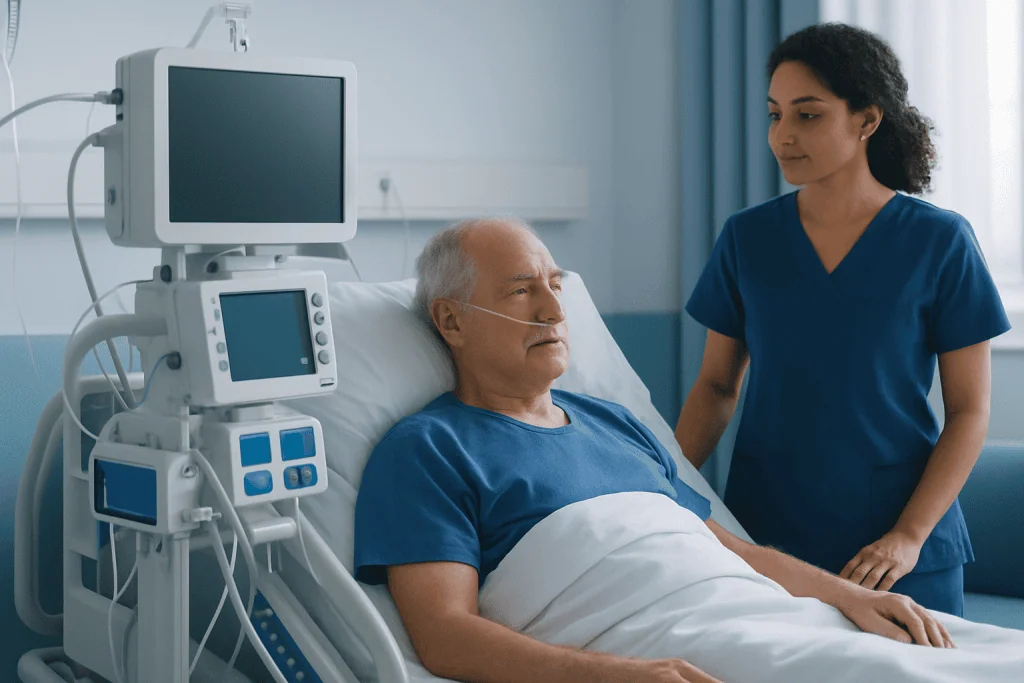
After the procedure, patients are usually observed for several hours or sometimes overnight. The medical team monitors the heart rhythm, blood pressure, and the catheter insertion site. If the stent was placed through the wrist, mobility often returns more quickly. If the groin was used, there may be a longer period of avoiding heavy lifting or straining.
Mild tiredness, light bruising, and local soreness around the access site are common in the first few days. Some people notice a small lump or tenderness where the catheter entered the artery. These symptoms often improve steadily. Drinking fluids, resting, and following discharge instructions can support early recovery.
There are also some symptoms that should not be ignored. New or worsening chest pain, severe shortness of breath, heavy bleeding, fainting, fever, or swelling that rapidly increases around the wrist or groin should be assessed urgently. A return of angina-like symptoms may mean the heart needs prompt re-evaluation.
Recovery instructions usually include practical limits for the first week. These may involve avoiding baths for a short time, keeping the puncture site clean and dry, not lifting heavy objects, and taking medications exactly as prescribed. Patients who are uncertain about any instruction should contact their care team rather than guess.
Driving After a Coronary Stent

Driving after a coronary stent is usually possible once the person feels well, the access site is healing properly, and the cardiologist confirms there are no restrictions. For many people who had an uncomplicated planned procedure, driving may be allowed after several days to about one week. However, the timing can be longer if the stent was placed after a heart attack, if symptoms persist, or if there were complications.
The main concern is safety. Driving requires quick reactions, the ability to turn the steering wheel comfortably, and no risk of sudden chest pain, dizziness, or fainting. If the wrist or groin is still painful, or if there is fatigue and weakness, it is safer to wait. Commercial drivers often have different rules and may need a longer restriction period based on local regulations and medical clearance.
Before returning to driving, patients should consider whether they can sit comfortably, wear a seatbelt without pain, and make an emergency stop without difficulty. It is sensible to start with short drives rather than a long trip. If symptoms such as chest pressure, palpitations, or breathlessness occur while driving, medical advice is needed before driving again.
Because recommendations vary depending on the country and the individual’s heart condition, the final decision should come from the treating doctor. This is especially important for people with arrhythmias, reduced heart function, or recent acute coronary syndrome.
Exercise, Walking, and Returning to Physical Activity
Gentle movement is an important part of coronary stent recovery. In many cases, walking can begin very soon after the procedure, often within a day, as long as the person feels stable and the access site is protected. Short, easy walks help circulation, reduce stiffness, and support confidence during recovery.
Exercise should increase gradually. During the first days, many patients do best with light walking and everyday tasks, while avoiding strenuous activity, heavy lifting, high-intensity workouts, or contact sports. The pace and progression depend on symptoms, overall fitness, and why the stent was needed in the first place. If the person had a heart attack or weak heart muscle, the exercise plan is usually more structured.
A supervised program such as cardiac rehabilitation can be especially helpful. These programs combine monitored exercise, education, medication review, and support for lifestyle change. They are often recommended after stent placement because they help patients return to activity more safely and address risks such as smoking, high cholesterol, stress, excess weight, and high blood pressure.
Warning signs during activity include chest pain, unusual shortness of breath, dizziness, marked palpitations, or extreme fatigue. If these happen, exercise should stop and medical advice should be sought. Most people can return to more regular physical activity over time, but the safest plan is individualized and guided by the cardiology team.
Travel, Work, and Daily Routine
Travel after stent placement is often possible once the patient is stable and the doctor agrees it is safe. Short local journeys are usually manageable first. Longer car trips, train travel, or flights may need a little more planning, especially if the procedure was recent or if the stent was placed after an acute event.
For air travel, the main questions are whether symptoms are controlled, whether the person can walk through the airport and sit comfortably, and whether follow-up has been completed. It is also wise to carry a medication list, keep medicines in hand luggage, stay hydrated, and move the legs regularly during longer trips. People with other circulation problems may need additional advice on reducing the risk of clots, particularly if there is a history of deep vein thrombosis care.
Returning to work depends on the type of job and the reason for the stent. Someone with desk-based work after an uncomplicated elective procedure may return sooner than someone whose job involves physical labor, long hours, or safety-sensitive tasks. If recovery includes ongoing fatigue or emotional stress after a cardiac event, a phased return can be helpful.
Daily routine usually becomes easier within days to weeks. Light household tasks, showering, climbing stairs at a comfortable pace, and social activities often resume early. It is still important to avoid rushing back to a full schedule before sleep, energy, and symptom control have improved.
Medicines, Follow-Up, and Ongoing Heart Care
One of the most important parts of coronary stent recovery is taking medicines exactly as prescribed. Most patients need antiplatelet therapy to help prevent clots forming inside the stent. Stopping these medicines too early can be dangerous. Patients should never discontinue them on their own, even for dental work or minor procedures, without discussing it with the cardiologist.
Other medicines may include cholesterol-lowering therapy, blood pressure treatment, and drugs to relieve angina or support heart function. These treatments reduce the risk of future events and help protect the arteries beyond the treated area. Follow-up appointments allow the doctor to check blood pressure, symptoms, medication tolerance, and whether risk factors are under good control.
At follow-up, the care team may discuss diet, smoking cessation, exercise goals, stress management, and sleep. Some patients need further testing if symptoms continue or if there is concern about another blockage. In certain situations, broader care planning with general cardiology or other specialists may be appropriate.
Although a stent is a common and effective treatment, some people eventually need additional procedures if coronary disease progresses. In selected cases, surgery such as coronary artery bypass surgery may be considered instead of or after stenting. The best approach depends on the pattern of artery disease, symptoms, and overall health.
Lifestyle Changes to Support Long-Term Recovery
A stent can relieve a blockage, but long-term heart health depends heavily on lifestyle. A heart-friendly eating pattern that emphasizes vegetables, fruit, whole grains, legumes, fish, and healthy fats can support cholesterol and blood pressure control. Limiting tobacco, highly processed foods, excess salt, and excess alcohol is also important.
Stopping smoking is one of the most powerful changes a patient can make after a stent. Smoking damages blood vessels, increases clotting risk, and accelerates plaque buildup. If quitting feels difficult, structured support, counseling, or medical guidance may improve success.
Stress, sleep quality, and emotional recovery also matter. Some people feel anxious after a heart procedure, especially when resuming exercise or driving. Clear information, gradual activity, family support, and cardiac rehabilitation often help rebuild confidence. Ongoing low mood, persistent anxiety, or fear of exertion should be discussed with a healthcare professional.
Patients who need international evaluation or ongoing cardiac care may seek help from experienced centers. Near the end of recovery planning, it may be useful to know that Acibadem International’s multidisciplinary specialists and JCI-accredited hospitals diagnose and treat heart conditions for international patients, including follow-up support after coronary procedures.
When to See a Doctor Urgently
Most recovery after a coronary stent is uncomplicated, but some symptoms require prompt medical attention. The most important are chest pain that is new, severe, or similar to previous angina; shortness of breath that is worsening; fainting; or symptoms of a heart attack. These should never be dismissed as a normal part of recovery.
Bleeding is another reason to seek urgent advice, especially in people taking antiplatelet medicines. Oozing that stops with light pressure may be manageable, but heavy bleeding, rapid swelling, or severe pain at the wrist or groin needs immediate assessment. Signs of infection such as fever, warmth, pus, or spreading redness around the access site also need review.
Patients should also contact their doctor if they develop troubling side effects from medication, black stools, vomiting blood, severe bruising, or symptoms that interfere with eating, sleeping, or normal function. It is better to ask early than to wait and hope symptoms will pass.
Regular planned follow-up remains important even when recovery seems to be going well. Ongoing medical review helps ensure that the stent is supported by the right medicines and that the broader causes of heart disease are being treated effectively.
Frequently asked questions
How long does coronary stent recovery usually take?
Many people feel much better within a few days after an uncomplicated stent procedure, but full recovery is not the same for everyone. The timeline depends on whether the stent was planned or placed during a heart attack, how the access site heals, and whether there are other heart conditions.
When can someone drive after a coronary stent?
Driving is often possible after several days to about one week if recovery is uncomplicated and the doctor approves. A longer wait may be needed after a heart attack, persistent symptoms, or if local driving rules require medical clearance.
Is it safe to exercise after a coronary stent?
Yes, but exercise should restart gradually. Light walking is commonly encouraged early, while strenuous exertion and heavy lifting are usually delayed until the care team confirms it is safe.
Can a person fly after stent placement?
Many patients can fly once they are medically stable, have no concerning symptoms, and their doctor agrees travel is appropriate. For longer trips, it helps to carry medications in hand luggage, stay hydrated, and move regularly during travel.
Why are blood-thinning or antiplatelet medicines so important after a stent?
These medicines help prevent a clot from forming inside the stent while the artery lining heals. Stopping them too early can increase the risk of a serious heart problem, so they should only be changed under medical supervision.
What symptoms after a stent should prompt urgent medical care?
Urgent medical attention is needed for new or worsening chest pain, severe shortness of breath, fainting, heavy bleeding, or rapidly increasing swelling at the catheter site. Fever, spreading redness, or signs of infection should also be assessed promptly.
References
- American Heart Association
- European Society of Cardiology
- National Heart, Lung, and Blood Institute
- British Heart Foundation
- Centers for Disease Control and Prevention
This article is for general information only and is not a substitute for professional medical advice. Please consult a qualified doctor about your individual situation.
Heart care in Turkey — expert evaluation and treatment
JCI-accredited · board-certified surgeons · reply within 24h
Add us as a Preferred Source to see more of our trusted health content across Google Search, AI Overviews and Discover.
Check your numbers in seconds
BMI, calories, due date, blood pressure and 30+ more clinical calculators — free, instant, doctor-reviewed ranges.

Cardiology Department
Diagnosis and treatment of heart and vascular conditions, from prevention to advanced interventional procedures.
93 specialists in this unit