Coronary Stent vs Balloon Valvuloplasty: Why They Treat Different Heart Problems

A coronary stent treats blocked or narrowed coronary arteries, not diseased valves. Balloon valvuloplasty treats valve stenosis, not cholesterol plaque in the heart arteries.
Key Takeaways
- A coronary stent treats blocked or narrowed coronary arteries, not diseased valves.
- Balloon valvuloplasty treats valve stenosis, not cholesterol plaque in the heart arteries.
- Although both procedures use a balloon and catheter, their goals, targets, and long-term follow-up are different.
- Symptoms can overlap, so imaging and cardiac testing are needed to identify the correct problem.
- The best treatment depends on whether the main issue is blood flow in the coronary arteries or opening of a heart valve.
Coronary stents and balloon valvuloplasty are both catheter-based heart procedures, but they treat different problems. A coronary stent is used for narrowed or blocked coronary arteries, while balloon valvuloplasty is used for a narrowed heart valve that does not open properly.
Overview: Two Similar-Sounding Procedures for Different Heart Problems
The comparison of coronary stent vs balloon valvuloplasty can be confusing because both procedures are performed by heart specialists using thin tubes called catheters, and both often involve a balloon. However, they are designed to solve different structural problems inside the cardiovascular system.
A coronary stent is used when one of the coronary arteries becomes narrowed or blocked, usually by a build-up of plaque. These arteries supply oxygen-rich blood to the heart muscle itself. If blood flow drops, a person may develop chest pain, shortness of breath, or a heart attack. In these cases, a stent helps hold the artery open after the narrowing has been widened.
Balloon valvuloplasty, by contrast, is used when a heart valve is too narrow. This is called valve stenosis. In this situation, the problem is not inside the artery wall but at the valve opening, which becomes stiff, thickened, or fused and cannot open fully. A balloon is inflated across the narrowed valve to widen the opening and improve blood flow through the heart.
Because symptoms such as fatigue, chest discomfort, dizziness, or breathlessness can happen in both conditions, many patients need careful testing before treatment is chosen. The key difference is simple: stents treat arteries, while valvuloplasty treats valves.
What a Coronary Stent Treats
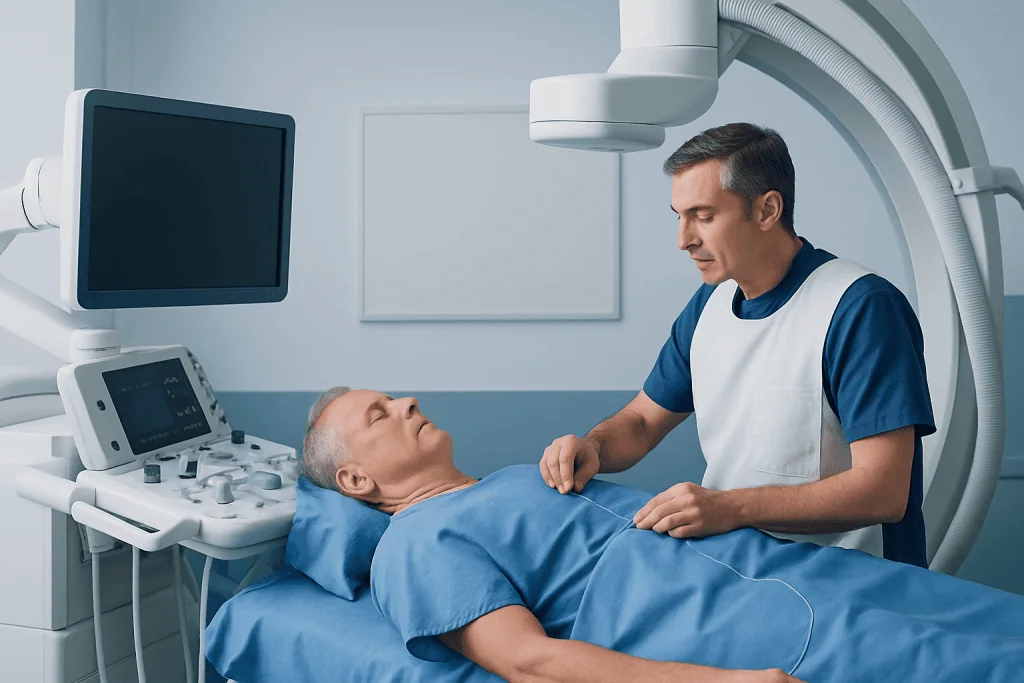
A coronary stent is most often used to treat narrowing in the coronary arteries caused by atherosclerosis. Over time, cholesterol, fat, calcium, and inflammatory material can collect in the artery wall and form plaque. This can reduce blood flow to the heart muscle, a condition commonly known as coronary artery disease.
During the procedure, a specialist guides a catheter through a blood vessel to the blocked area. A balloon may first be inflated to press the plaque outward, and then a small mesh tube called a stent is placed to help keep the artery open. Many modern stents also slowly release medication to reduce the chance of the artery narrowing again.
Stents are commonly used in people with symptoms such as angina, reduced exercise tolerance, or acute coronary syndromes. They may also be placed during emergency treatment for a heart attack when an artery is suddenly blocked. In some patients, opening the artery quickly can help protect heart muscle and improve recovery.
Not every coronary blockage is best treated with a stent. Some people may need medication alone, and others with more complex disease may be advised to have coronary artery bypass surgery instead. The decision depends on the number of blocked arteries, the location of the narrowing, overall heart function, and the person’s general health.
What Balloon Valvuloplasty Treats

Balloon valvuloplasty is used for stenosis of a heart valve. A normal valve opens widely so blood can move forward with little resistance. When a valve becomes narrowed, the heart must work harder to push blood through a smaller opening. This can eventually lead to symptoms and strain on the heart.
The procedure is most commonly considered for certain patients with mitral, pulmonary, or sometimes aortic valve stenosis. It may be especially useful when valve leaflets are flexible enough to be widened, or when a person needs symptom relief but is not a good candidate for immediate surgery. In children and some younger adults, it can be an effective treatment for congenital valve narrowing such as pulmonary valve stenosis.
Valvuloplasty may also be used in selected cases of valve narrowing related to rheumatic heart disease, particularly mitral stenosis. The doctor positions a balloon across the valve and inflates it to separate fused leaflets and enlarge the valve opening. Unlike a coronary stent, no mesh tube is left in place inside the valve.
This approach is not suitable for every valve problem. It does not treat a leaking valve, and it is not the right choice when the valve is heavily calcified, severely damaged, or associated with other complex structural heart disease. In those situations, valve repair or replacement may be considered instead.
Symptoms and Clues That Help Distinguish the Two Problems
Coronary artery disease and valve stenosis can both cause shortness of breath, chest discomfort, tiredness, and reduced exercise capacity. That overlap is one reason people should not try to guess which procedure they need based on symptoms alone. A medical evaluation is essential.
Symptoms linked to coronary artery narrowing often include pressure-like chest pain with exertion, discomfort spreading to the arm or jaw, sweating, or symptoms that worsen suddenly during a heart attack. Some people, especially older adults and people with diabetes, may have less typical signs such as breathlessness or unusual fatigue. Stable symptoms with activity can be seen in stable angina.
Valve stenosis may be more likely when symptoms relate to the heart struggling to move blood forward through a narrowed opening. Depending on the valve involved, a person may have exertional breathlessness, dizziness, fainting, swelling, palpitations, or a heart murmur heard on examination. Symptoms can develop gradually and become more noticeable over time.
Risk factors can also provide clues. Coronary artery disease is strongly associated with smoking, high blood pressure, diabetes, high cholesterol, and family history. Valve stenosis may be related to congenital heart conditions, age-related calcification, prior infections, or inflammatory diseases. These clues help guide testing, but imaging is what confirms the diagnosis.
How Doctors Diagnose Artery Disease vs Valve Disease
The evaluation starts with a medical history, physical examination, and basic tests such as an electrocardiogram. If coronary artery disease is suspected, doctors may use stress testing, CT coronary imaging, or coronary angiography to see whether the arteries are narrowed. Angiography remains an important tool when planning procedures such as stent procedures.
If a valve problem is suspected, echocardiography is usually the main test. This ultrasound scan shows how the valve opens and closes, how fast blood moves across it, and whether the heart chambers are under strain. It also helps determine how severe the stenosis is and whether the valve structure is suitable for balloon valvuloplasty.
Sometimes both problems are present at the same time, especially in older adults. A person may have coronary artery disease together with valve disease, and each condition can affect treatment planning. In these cases, the heart team reviews all findings carefully to decide which issue is causing the symptoms and whether one or more procedures are needed.
Additional tests may include blood work, chest imaging, transesophageal echocardiography, or cardiac CT. The goal is not simply to name the condition, but to understand how severe it is, how it affects heart function, and which treatment offers the safest and most durable benefit.
Treatment Differences, Recovery, and Follow-Up
When a coronary stent is placed, the treatment goal is to restore blood flow through a narrowed artery. Afterward, most patients need medicines to reduce clotting inside the stent and lower the risk of future events. Long-term care also focuses on controlling risk factors such as high blood pressure and high cholesterol, stopping smoking, eating a heart-healthy diet, and staying physically active as advised.
Balloon valvuloplasty has a different goal: improving how widely a narrowed valve opens. Recovery is often relatively quick, but follow-up is very important because the valve may gradually narrow again over time or may not be fully corrected by the procedure. Some patients later need valve repair or replacement depending on age, valve type, and the underlying cause.
In both cases, patients are usually monitored for access-site bleeding, rhythm changes, and recurrence of symptoms. Cardiac rehabilitation and supervised recovery plans may be helpful for selected people after coronary procedures or other heart treatments. The best follow-up schedule depends on the person’s diagnosis, age, and overall cardiovascular risk.
At experienced centers, interventional cardiologists, imaging specialists, heart surgeons, and rehabilitation teams often work together. Near the end of the care pathway, some international patients may seek evaluation at Acibadem International, where multidisciplinary specialists in JCI-accredited hospitals diagnose and treat both coronary and valve conditions.
When to See a Doctor and Questions to Ask
A person should seek medical evaluation for chest pain, new shortness of breath, fainting, rapid decline in exercise tolerance, or unexplained fatigue, especially if these symptoms happen with activity. Urgent care is needed for severe or persistent chest pain, sudden sweating, nausea, or signs of a heart attack.
It is also important to follow up on a heart murmur, abnormal stress test, or echocardiogram result even if symptoms seem mild. Some valve and artery problems progress gradually, and earlier assessment can help prevent complications. People with known coronary disease or valve disease should attend regular reviews and report any changes promptly.
Helpful questions for the cardiologist may include:
- Is the main problem in the coronary arteries or in a heart valve?
- Which tests show that diagnosis most clearly?
- Why is a stent, valvuloplasty, surgery, or medication being recommended?
- What benefits and limitations should be expected from the procedure?
- What kind of follow-up and lifestyle changes will be needed afterward?
Understanding the reason for treatment can make decisions feel less overwhelming. Even though the names sound similar, the right procedure becomes much clearer once the exact heart problem has been identified.
Frequently asked questions
Is a coronary stent the same as balloon valvuloplasty?
No. A coronary stent is used to open a narrowed or blocked coronary artery, while balloon valvuloplasty is used to widen a narrowed heart valve. Both may use a balloon catheter, but they treat different parts of the heart.
Can a stent fix a heart valve problem?
No, a stent does not fix a narrowed or leaking heart valve. Stents are designed for blood vessels, especially the coronary arteries. Valve disease needs a different approach such as valvuloplasty, valve repair, or valve replacement depending on the condition.
Why do both procedures use a balloon?
The balloon is a tool that can widen a narrowed area. In coronary artery treatment, it helps open plaque-related narrowing and may be followed by stent placement. In valvuloplasty, the balloon stretches a narrowed valve opening so blood can pass more easily.
How do doctors know whether symptoms come from an artery or a valve problem?
Doctors combine symptoms, examination findings, and heart tests. Coronary angiography and stress testing help assess artery disease, while echocardiography is the key test for most valve conditions. Sometimes both problems are present, so several tests may be needed.
Is recovery easier after one procedure than the other?
Recovery is often fairly quick after both procedures because they are usually catheter-based rather than open surgery. However, the overall experience depends on the person’s age, heart function, and the severity of the disease being treated. Follow-up care is essential after either procedure.
Can balloon valvuloplasty be permanent?
Sometimes it provides long-lasting relief, but not always. In some patients, the valve can narrow again over time or the benefit may be partial. That is why regular echocardiographic follow-up is important after the procedure.
This article is for general information only and is not a substitute for professional medical advice. Please consult a qualified doctor about your individual situation.
Valvuloplasty in Turkey — costs, top hospitals & a free quote
JCI-accredited · board-certified surgeons · reply within 24h
Add us as a Preferred Source to see more of our trusted health content across Google Search, AI Overviews and Discover.
Check your numbers in seconds
BMI, calories, due date, blood pressure and 30+ more clinical calculators — free, instant, doctor-reviewed ranges.

Cardiology Department
Diagnosis and treatment of heart and vascular conditions, from prevention to advanced interventional procedures.
93 specialists in this unitRelated Treatments
Related Conditions
More from the Health Library

Coronary Angiography: Procedure, Risks, and Results

Pulmonary Hypertension Treatment: Medicines, Monitoring, and When Procedures Are Needed

Silent Ischemia: When Coronary Artery Disease Has Few Symptoms

Premature Ventricular Contractions: When PVCs Are Benign and When to Treat Them

Chest Pain: Heart-Related Causes, Warning Signs, and Evaluation