

Cushing’s Syndrome: High Cortisol Symptoms and Diagnosis

Cushing’s syndrome can be caused by steroid medicines or by the body making too much cortisol. Common signs include central weight gain, a rounded face, easy bruising, purple stretch marks, muscle weakness, high blood pressure and changes in blood sugar.
Key Takeaways
- Cushing’s syndrome can be caused by steroid medicines or by the body making too much cortisol.
- Common signs include central weight gain, a rounded face, easy bruising, purple stretch marks, muscle weakness, high blood pressure and changes in blood sugar.
- Diagnosis usually requires more than one cortisol test, followed by hormone measurements and imaging to find the cause.
- Treatment depends on the cause and may include carefully reducing steroid medicines, surgery, medication or radiotherapy.
- People with suspected Cushing’s syndrome should not stop prescribed steroids suddenly and should seek care from an endocrinologist.
Cushing’s syndrome is a hormonal condition caused by prolonged exposure to too much cortisol. Recognizing the pattern of symptoms and confirming the diagnosis with specialist tests can guide effective treatment.
Overview
Cushing’s syndrome is a condition in which the body is exposed to high levels of cortisol for a long time. Cortisol is a hormone made by the adrenal glands, which sit above the kidneys. It helps regulate blood pressure, blood sugar, inflammation, energy use and the body’s response to stress. Cortisol is essential for health, but too much of it over weeks, months or years can affect many organs.
The condition may happen because a person takes glucocorticoid medicines, often called steroids, for another medical problem. It may also happen when the body produces too much cortisol on its own. When excess cortisol is driven by a pituitary gland tumor that produces too much adrenocorticotropic hormone, or ACTH, it is called Cushing disease. Cushing disease is one type of Cushing’s syndrome, not a separate unrelated condition.
Cushing’s syndrome can be challenging to recognize because many symptoms, such as weight gain, tiredness, high blood pressure or mood changes, are common in other conditions. Doctors look for a characteristic pattern of symptoms and confirm the diagnosis with laboratory tests. With the right evaluation, the cause can often be identified and treated in a targeted way.
High Cortisol Symptoms
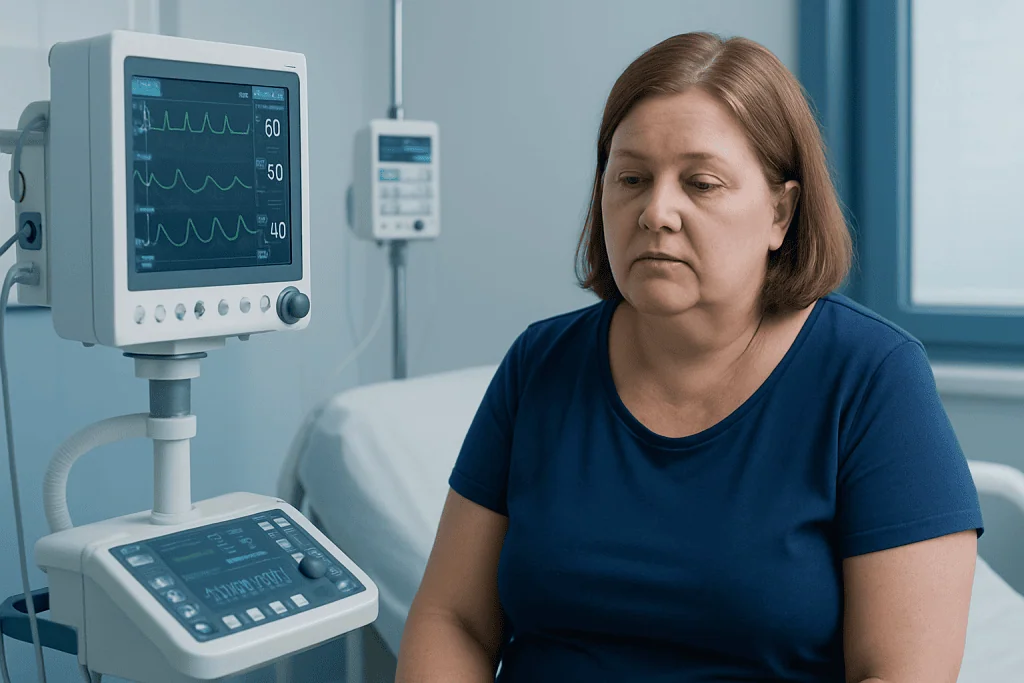
High cortisol symptoms often develop gradually. A typical pattern includes weight gain around the abdomen, upper back and face, while the arms and legs may appear thinner because of muscle loss. Some people develop a rounded face, sometimes called “moon face,” and a fatty pad between the shoulders. Muscle weakness, especially in the thighs and upper arms, can make climbing stairs, rising from a chair or lifting objects more difficult.
Skin changes are important clues. The skin may become thinner and bruise easily. Cuts, insect bites or minor wounds may heal more slowly. Some people develop wide purple or reddish stretch marks, especially on the abdomen, breasts, hips or upper arms. Acne and increased facial or body hair can also occur, particularly in women.
Cortisol affects metabolism, bones, the heart and the brain, so symptoms can involve the whole body. Possible features include:
- High blood pressure or worsening control of existing hypertension
- High blood sugar, insulin resistance or diabetes
- Fatigue, poor sleep, irritability, anxiety or low mood
- Headaches or difficulty concentrating
- Irregular menstrual periods or reduced fertility in women
- Reduced libido or erectile difficulties in men
- Bone loss, fractures or back pain from vertebral compression
- More frequent infections due to reduced immune response
Not every person has all of these signs. In mild or early Cushing’s syndrome, symptoms may be subtle. In children, slowed growth with weight gain can be a particularly important warning sign. Because symptoms overlap with other health issues, proper testing is needed before a diagnosis is made.
Causes and Risk Factors

The most common overall cause of Cushing’s syndrome is long-term use of glucocorticoid medicines. These medicines may be prescribed as tablets, injections, inhalers, skin creams or eye drops for conditions such as asthma, autoimmune disease, inflammatory bowel disease, severe allergies, joint disease or after organ transplantation. The risk depends on the type of steroid, dose, duration and how it is taken. People should never stop prescribed steroids suddenly without medical advice, because the body may need time to restart its own cortisol production.
When Cushing’s syndrome is caused by the body making too much cortisol, it is called endogenous Cushing’s syndrome. One common endogenous cause is Cushing disease, where a usually benign pituitary adenoma produces excess ACTH. ACTH tells the adrenal glands to make cortisol. Less commonly, ACTH may be produced by a tumor outside the pituitary gland, called ectopic ACTH production. In other cases, an adrenal gland tumor or enlargement makes too much cortisol directly.
Risk factors vary by cause. People who need repeated or long-term steroid treatment have a higher risk of medication-related Cushing’s syndrome. Endogenous Cushing’s syndrome can occur in adults and children, though it is uncommon. Some rare inherited endocrine conditions may increase the risk of pituitary or adrenal tumors, but most cases are not inherited.
Other conditions can temporarily raise cortisol or mimic some features of Cushing’s syndrome. These include severe stress, depression, alcohol use disorder, untreated sleep apnea, poorly controlled diabetes and severe obesity. Doctors consider these possibilities during assessment to avoid overdiagnosis and to choose the most accurate tests.
How Cushing’s Syndrome Is Diagnosed
Cushing’s syndrome diagnosis begins with a careful medical history and physical examination. The doctor asks about all forms of steroid exposure, including tablets, injections, inhaled medicines, nasal sprays, skin creams, supplements and recent joint or spine injections. This step is essential because medication-related Cushing’s syndrome is managed differently from cortisol overproduction by the body.
If Cushing’s syndrome is suspected, doctors use screening tests to show whether cortisol is inappropriately high. Common first-line tests include late-night salivary cortisol, a 24-hour urinary free cortisol test and an overnight low-dose dexamethasone suppression test. Each test looks at cortisol regulation in a different way. Because cortisol naturally rises and falls during the day, and because results can vary, more than one abnormal test is usually needed before confirming the diagnosis.
After biochemical confirmation, the next step is to find the source. Blood ACTH levels help distinguish ACTH-dependent causes, such as pituitary or ectopic ACTH production, from adrenal causes. Imaging may include MRI of the pituitary gland or CT/MRI of the adrenal glands, but imaging is usually most useful after hormone tests point toward a likely source. Small benign-looking pituitary or adrenal findings can occur by chance, so scans alone should not be used to diagnose Cushing’s syndrome.
In some complex cases, specialized tests are needed. These may include repeat cortisol testing, corticotropin-releasing hormone testing or inferior petrosal sinus sampling, a procedure used in selected patients to confirm whether ACTH is coming from the pituitary gland. An endocrinologist coordinates testing because timing, medication effects and interpretation are important for an accurate diagnosis.
Treatment Options
Treatment depends on the cause, the severity of symptoms and the person’s overall health. If Cushing’s syndrome is due to prescribed steroid medicines, the doctor may gradually reduce the dose, switch to a different medicine or adjust the treatment plan for the underlying condition. This must be done carefully. Stopping steroids suddenly can cause adrenal insufficiency, a potentially serious lack of cortisol, especially if the body’s natural cortisol production has been suppressed.
For Cushing disease caused by a pituitary tumor, surgery to remove the tumor is often considered the main treatment when appropriate. This is usually performed through the nose by an experienced neurosurgical team. If surgery is not possible or if high cortisol continues afterward, additional options may include medication to reduce cortisol production or action, radiotherapy to the pituitary gland, or, in selected cases, surgery on the adrenal glands.
When the cause is an adrenal tumor, treatment may involve surgery to remove the affected adrenal gland. If excess ACTH is produced by a tumor outside the pituitary gland, treatment focuses on locating and treating that tumor when possible, while also controlling cortisol levels. Medicines can be used before surgery, after surgery or when surgery is not suitable. The choice of medication depends on the cause, side effects, pregnancy plans, liver function, other medicines and blood pressure or blood sugar control.
Recovery can take time. After successful treatment, the body may need months or longer to restore normal cortisol regulation, and some people need temporary cortisol replacement. Symptoms such as blood pressure, blood sugar, muscle strength, mood and bone health are monitored over time. Follow-up is important because recurrence can occur in some cases, and because long-term effects of high cortisol may need ongoing care.
Prevention and Self-Care
Not all cases of Cushing’s syndrome can be prevented, especially those caused by pituitary or adrenal tumors. However, medication-related Cushing’s syndrome can sometimes be reduced by using the lowest effective steroid dose for the shortest appropriate time, under medical supervision. People who use long-term steroids should attend regular follow-up appointments so their doctor can monitor blood pressure, blood sugar, weight, skin changes, bone health and eye health when relevant.
Self-care does not replace medical treatment, but it can support recovery and reduce complications. A balanced eating pattern that emphasizes vegetables, fruits, whole grains, lean proteins and appropriate calcium and vitamin D intake can help protect general and bone health. Limiting excess salt may support blood pressure control, while reducing sugary drinks and highly processed foods may help blood sugar management. Any nutrition plan should be individualized, especially for people with diabetes, kidney disease or other chronic conditions.
Physical activity can help rebuild strength, support mood and improve cardiovascular health, but it should be introduced gradually. People with muscle weakness, fractures or severe fatigue may benefit from a doctor-approved exercise plan or physiotherapy. Fall prevention is also important when bone density is low. Adequate sleep, stress management and support for anxiety or depression can improve quality of life during diagnosis and recovery.
Patients should keep an updated list of all medicines and steroid exposures, including injections and creams, and share it with every healthcare professional they see. Medical alert information may be recommended for people at risk of adrenal insufficiency during treatment or after surgery. This helps clinicians respond safely during illness, surgery or emergencies.
When to See a Doctor
A person should speak with a doctor if they notice a combination of symptoms such as unexplained central weight gain, easy bruising, wide purple stretch marks, muscle weakness, new or worsening high blood pressure, high blood sugar, irregular periods or reduced libido. These symptoms do not always mean Cushing’s syndrome, but they deserve medical assessment when they occur together or progress over time.
People taking steroid medicines should contact their prescribing doctor if they develop signs of high cortisol or have concerns about long-term side effects. They should not stop or reduce steroids on their own. A supervised plan may be needed to prevent adrenal insufficiency and to keep the original condition under control.
Urgent medical advice is needed for severe weakness, fainting, confusion, persistent vomiting, signs of serious infection or sudden worsening after steroid reduction or adrenal/pituitary surgery. These symptoms may indicate adrenal insufficiency or another acute problem that requires prompt care.
Evaluation by an endocrinologist is often helpful because Cushing’s syndrome testing and treatment can be complex. Acibadem International’s multidisciplinary specialists and JCI-accredited hospitals diagnose and treat endocrine conditions, including Cushing’s syndrome, for international patients. Any person with suspected Cushing’s syndrome should seek individualized guidance from a qualified healthcare professional.
Frequently asked questions
What is the difference between Cushing’s syndrome and Cushing disease?
Cushing’s syndrome means the body has been exposed to too much cortisol for too long, from any cause. Cushing disease is a specific type of Cushing’s syndrome caused by a pituitary gland tumor that produces too much ACTH. ACTH then stimulates the adrenal glands to make excess cortisol.
Can stress alone cause Cushing’s syndrome?
Everyday stress does not usually cause true Cushing’s syndrome. Severe physical or emotional stress and some conditions can raise cortisol or mimic parts of the syndrome, but this is different from persistent, inappropriate cortisol excess. Doctors use specific tests to tell the difference.
Which cortisol test is best for diagnosing Cushing’s syndrome?
There is no single best test for every person. Common screening tests include late-night salivary cortisol, 24-hour urinary free cortisol and the overnight dexamethasone suppression test. Doctors often repeat or combine tests because cortisol levels vary and many factors can affect results.
Can Cushing’s syndrome be cured?
Many cases can be treated effectively, especially when the cause is identified and addressed. For example, surgery may remove a pituitary or adrenal tumor, while medication-related cases may improve after a supervised steroid reduction. Long-term follow-up is still important because recovery takes time and recurrence can occur.
Will symptoms go away quickly after treatment?
Some features, such as blood pressure or blood sugar, may begin to improve within weeks or months, but recovery is often gradual. Muscle strength, skin changes, weight distribution, mood and bone health may take longer to improve. Regular follow-up helps monitor progress and manage any remaining issues.
Is it safe to stop steroid medicine if Cushing’s symptoms appear?
No. Steroid medicines should not be stopped suddenly unless a doctor gives clear instructions. The body may have reduced its own cortisol production, and sudden withdrawal can cause adrenal insufficiency. A healthcare professional can create a safe tapering plan if changes are needed.
References
- Endocrine Society
- National Institute of Diabetes and Digestive and Kidney Diseases
- Pituitary Society
- Mayo Clinic
- Merck Manual Professional Edition
This article is for general information only and is not a substitute for professional medical advice. Please consult a qualified doctor about your individual situation.
Explore treatments in Turkey — costs, top hospitals & a free quote
JCI-accredited · board-certified surgeons · reply within 24h
Add us as a Preferred Source to see more of our trusted health content across Google Search, AI Overviews and Discover.
Check your numbers in seconds
BMI, calories, due date, blood pressure and 30+ more clinical calculators — free, instant, doctor-reviewed ranges.

Related Conditions
More from the Health Library



Related Specialists

Prof. Dr. Neslihan Kurtulmuş
Endocrinology
Prof. Dr. İnan Anaforoğlu
Endocrinology
Assoc. Prof. Dr. Ayşenur Özderya
Endocrinology
Assoc. Prof. Dr. Müjdat Kara
Endocrinology