

Diabetic Foot Care: Preventing Ulcers and Serious Infections

People with diabetes should check both feet every day, including the soles, heels, and between the toes. Nerve damage and reduced blood flow can make small cuts, blisters, or pressure areas harder to notice and slower to heal.
Key Takeaways
- People with diabetes should check both feet every day, including the soles, heels, and between the toes.
- Nerve damage and reduced blood flow can make small cuts, blisters, or pressure areas harder to notice and slower to heal.
- Comfortable, well-fitting shoes and clean, dry socks help reduce friction, pressure, and skin breakdown.
- Any wound, swelling, redness, drainage, black discoloration, or new foot pain should be assessed promptly by a qualified doctor.
- Regular diabetes check-ups, foot examinations, and support from a multidisciplinary team can reduce the risk of serious complications.
Diabetic foot care is a daily routine that helps protect the feet from ulcers, infections, and more serious complications. With regular self-checks, appropriate footwear, good glucose control, and timely medical care, many diabetic foot problems can be prevented or treated early.
Overview
Diabetic foot care refers to the everyday habits and medical follow-up that help people with diabetes keep their feet healthy. Diabetes can affect the nerves, blood vessels, skin, and immune response in the feet. As a result, a small blister, crack, or cut may become harder to feel, slower to heal, or more likely to become infected if it is not noticed early.
The main goals of diabetic foot care are to prevent ulcers, detect problems early, protect the feet from pressure and injury, and treat wounds before they become serious. A diabetic foot ulcer is an open sore or wound, often on the sole of the foot or under a pressure point such as the ball of the foot, heel, or toes. Not every person with diabetes will develop foot ulcers, but anyone living with diabetes benefits from a consistent foot care routine.
Good foot care is not only about the feet. Stable blood glucose levels, healthy blood pressure and cholesterol management, not smoking, and regular medical visits all support circulation and healing. When patients understand what to look for and when to seek help, diabetic foot problems can often be managed earlier and more safely.
Why Diabetes Increases the Risk of Foot Ulcers
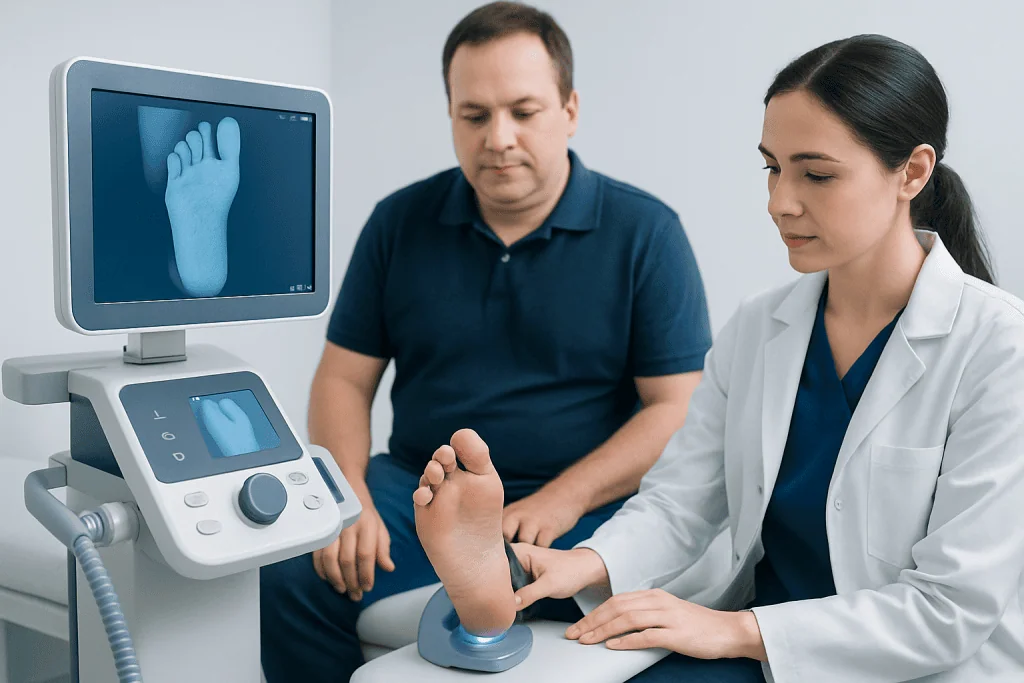
Two important diabetes-related changes increase the risk of foot ulcers: nerve damage and reduced blood flow. Diabetic neuropathy can reduce sensation in the feet, making it difficult to feel pain, heat, cold, rubbing from shoes, or injuries. A person may continue walking on a blister, callus, or small cut without realizing it, which can enlarge the wound.
Diabetes can also affect blood vessels, especially when it is present for many years or occurs together with high blood pressure, high cholesterol, kidney disease, or smoking. Reduced circulation means less oxygen and fewer nutrients reach the skin and deeper tissues. This can slow healing and make infections more difficult for the body to control.
Foot shape changes may also develop over time. Conditions such as bunions, hammertoes, prominent bones, or Charcot foot can create high-pressure areas inside shoes. Calluses may form over these areas, and pressure beneath a callus can damage the skin. For this reason, regular foot examination by a healthcare professional is an important part of diabetes care.
Warning Signs and Symptoms to Watch For
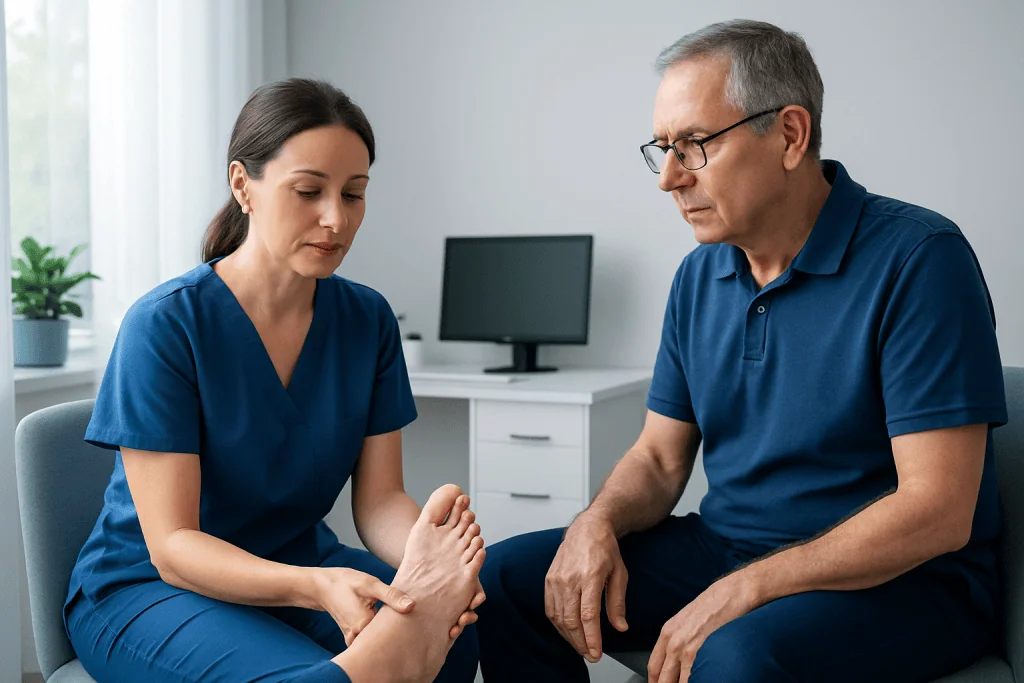
People with diabetes should be familiar with early signs of foot problems, even if they do not feel pain. A daily foot check can reveal skin changes before they worsen. The feet should be inspected on the top, soles, heels, sides, toenails, and between the toes. A mirror or help from a family member may make it easier to see the soles.
Signs that need attention include new redness, swelling, warmth, tenderness, a blister, a cut, cracked skin, bleeding, drainage, a bad odor, or a sore that is not healing. Thick calluses, ingrown toenails, athlete’s foot, corns, or changes in skin color can also create risk. Black, blue, or pale areas should be assessed promptly because they may suggest poor blood flow or tissue damage.
Symptoms can be subtle. Some people notice numbness, tingling, burning, pins-and-needles sensations, or a feeling that socks are bunched up when they are not. Others may have leg pain when walking that improves with rest, which can be a sign of circulation problems. Any new or persistent change in the feet should be discussed with a doctor, diabetes nurse, podiatrist, or wound care specialist.
- Check for wounds, cracks, blisters, and calluses every day.
- Look between the toes for moisture, peeling, or fungal infection.
- Report spreading redness, swelling, pus, fever, or feeling unwell without delay.
- Do not ignore a painless wound; lack of pain can occur with neuropathy.
Daily Diabetic Foot Care Routine
A simple daily routine can make a major difference. Feet should be washed with lukewarm water and mild soap, then dried carefully, especially between the toes. Water temperature should be tested with the hand or elbow first, because reduced sensation can make burns more likely. Soaking the feet for long periods is generally not recommended, as it can dry or weaken the skin.
After washing, moisturizing cream can be applied to dry areas such as the heels and tops of the feet, but it should not be placed between the toes, where excess moisture may encourage fungal infection. Toenails should be trimmed straight across and not too short. If nails are thick, curved, painful, or difficult to cut safely, professional foot care is preferable.
People with diabetes should avoid walking barefoot, even at home, because small sharp objects, hot surfaces, or rough flooring may cause unnoticed injuries. Socks should be clean, dry, and free of tight elastic or bulky seams. Shoes should be checked inside before wearing to remove pebbles, torn lining, or anything that could rub the skin.
- Wash and dry feet gently each day.
- Inspect both feet and toes in good light.
- Use moisturizer on dry skin, avoiding the spaces between toes.
- Wear protective footwear indoors and outdoors.
- Seek professional help for corns, calluses, thick nails, or wounds rather than cutting them at home.
Choosing Footwear and Reducing Pressure
Footwear is one of the most important tools for preventing diabetic foot ulcers. Shoes should be comfortable from the start, with enough space for the toes, a supportive sole, and no areas that pinch or rub. Very tight shoes, high heels, narrow toe boxes, worn-out soles, and open sandals that expose the foot to injury may increase risk for some patients.
New shoes should be introduced gradually. Wearing them for a short period at first and then checking the feet for redness or pressure marks can help identify problems early. Red marks that do not fade quickly may indicate too much pressure. People with neuropathy, foot deformities, previous ulcers, or reduced circulation may need therapeutic footwear, custom insoles, or orthotics prescribed by a qualified clinician.
Pressure reduction is especially important when a wound is already present. Continuing to walk on an ulcer can prevent healing, even if good dressings are used. Doctors may recommend offloading devices such as special footwear, removable walkers, casts, or other protective supports depending on the wound location, circulation, balance, and overall health. Patients should follow instructions carefully and avoid modifying devices without medical advice.
Diagnosis and Medical Assessment
During a diabetic foot assessment, the healthcare professional examines the skin, nails, foot shape, pulses, temperature, and any wound or callus. Sensation may be tested with a monofilament, tuning fork, or other simple tools. These tests help identify neuropathy and the risk of unnoticed injury. The clinician may also ask about previous ulcers, infections, footwear, glucose control, smoking, kidney disease, and walking symptoms.
If circulation is a concern, additional vascular assessment may be needed. This may include checking pulses, measuring blood pressure at the ankle or toe, or arranging imaging tests to evaluate blood flow. Good circulation is essential for wound healing, so identifying arterial disease is an important part of planning treatment.
If an ulcer or infection is present, the doctor may assess the depth of the wound, signs of spreading infection, and whether bone or deeper tissue may be involved. Laboratory tests, wound cultures, X-rays, ultrasound, MRI, or other imaging may be used in selected cases. The purpose is to guide treatment accurately, not to perform every test for every patient.
Treatment Options for Ulcers and Infections
Treatment depends on the cause, depth, infection status, and blood supply of the affected foot. A diabetic foot ulcer may need regular cleaning, appropriate dressings, pressure relief, and removal of dead tissue or thick callus by a trained professional. Patients should not attempt to cut calluses or remove tissue themselves, as this can cause injury and infection.
If infection is suspected, a doctor may prescribe antibiotics and arrange closer follow-up. The choice of treatment depends on the severity of infection, the likely organisms, kidney function, allergies, and whether deeper tissues are involved. Some infections can be managed with outpatient care, while more serious cases may require hospital treatment, intravenous antibiotics, drainage procedures, or surgical care.
When poor circulation contributes to delayed healing, vascular treatment may be considered to improve blood flow. Blood glucose management is also part of wound care, because high glucose levels can impair immune response and healing. A multidisciplinary approach may involve endocrinologists, podiatrists, wound care nurses, vascular surgeons, orthopedic specialists, infectious disease physicians, dietitians, and rehabilitation professionals.
Follow-up is important even after a wound closes. The skin at a healed ulcer site remains vulnerable, and recurrence can occur if pressure, footwear, or walking patterns are not corrected. A prevention plan after healing may include custom footwear, regular callus care, education, and scheduled foot checks.
Prevention, Self-Care, and When to See a Doctor
Preventing diabetic foot complications is a combination of daily care and long-term diabetes management. Keeping blood glucose within the target range recommended by the treating doctor supports nerve and blood vessel health. Blood pressure, cholesterol, kidney health, nutrition, physical activity, and smoking cessation also matter. Patients should ask their diabetes care team how often they need a professional foot examination, as the interval may be more frequent for people with neuropathy, circulation problems, or a previous ulcer.
Medical help should be sought promptly for any open sore, blister, cut, puncture wound, ingrown toenail with redness, spreading warmth, swelling, pus, fever, or a wound that is not improving. Urgent assessment is needed for black discoloration, severe pain, sudden coldness, loss of sensation, or signs of rapidly spreading infection. Early care can often prevent a small problem from becoming more difficult to treat.
People who travel should pack extra socks, well-fitting shoes, foot dressings recommended by their clinician, and any diabetes supplies they need. They should avoid exposing their feet to hot sand, heating pads, hot water bottles, or direct heat sources. For international patients, Acibadem International offers access to multidisciplinary specialists and JCI-accredited hospitals for diagnosis and treatment of diabetic foot conditions, with care planning tailored to the patient’s medical needs.
Frequently asked questions
How often should a person with diabetes check their feet?
Most people with diabetes should check their feet every day. The check should include the soles, heels, toenails, and spaces between the toes. A mirror or help from another person can make it easier to see areas that are hard to reach.
Can diabetic foot ulcers happen without pain?
Yes. Diabetic neuropathy can reduce feeling in the feet, so a blister, cut, or ulcer may not hurt. This is why daily inspection is important even when the feet feel normal.
What type of shoes are best for diabetic foot care?
Shoes should fit well, have enough room for the toes, provide support, and avoid rubbing or pressure points. People with neuropathy, foot deformities, or a previous ulcer may need therapeutic shoes or custom insoles. A podiatrist or diabetes care team can advise on the safest option.
Should calluses or corns be removed at home?
People with diabetes should not cut calluses, corns, or hard skin at home, especially if they have numbness or poor circulation. Over-the-counter chemical corn removers may also irritate or damage the skin. Professional foot care is safer and can reduce pressure that contributes to ulcers.
When is a diabetic foot wound an emergency?
Urgent medical care is needed if there is spreading redness, swelling, pus, a bad odor, fever, black discoloration, sudden coldness, or severe pain. A wound that is deep, caused by a puncture, or not improving should also be assessed promptly. Early treatment can reduce the risk of more serious infection.
Can good blood sugar control prevent all diabetic foot problems?
Good glucose control lowers the risk of nerve and blood vessel damage, but it cannot prevent every foot problem on its own. Foot protection, proper footwear, regular examinations, and prompt treatment of wounds are also important. Prevention works best when these steps are combined.
References
- American Diabetes Association
- International Working Group on the Diabetic Foot
- World Health Organization
- National Institute for Health and Care Excellence
- Centers for Disease Control and Prevention
This article is for general information only and is not a substitute for professional medical advice. Please consult a qualified doctor about your individual situation.
Persistent digestive symptoms? Get evaluated in Turkey
JCI-accredited · board-certified surgeons · reply within 24h
Add us as a Preferred Source to see more of our trusted health content across Google Search, AI Overviews and Discover.
Check your numbers in seconds
BMI, calories, due date, blood pressure and 30+ more clinical calculators — free, instant, doctor-reviewed ranges.

Related Conditions
More from the Health Library



Related Specialists

Prof. Dr. Neslihan Kurtulmuş
Endocrinology
Prof. Dr. İnan Anaforoğlu
Endocrinology
Assoc. Prof. Dr. Ayşenur Özderya
Endocrinology
Assoc. Prof. Dr. Müjdat Kara
Endocrinology