Extreme Back Ache: Possible Causes and When to Seek Care

Extreme back ache is a symptom, not a diagnosis, and it can arise from muscles, joints, discs, nerves, or internal organs. Pain that starts after heavy lifting may differ from pain linked with numbness, weakness, fever, chest pain, or loss of bladder control.
Key Takeaways
- Extreme back ache is a symptom, not a diagnosis, and it can arise from muscles, joints, discs, nerves, or internal organs.
- Pain that starts after heavy lifting may differ from pain linked with numbness, weakness, fever, chest pain, or loss of bladder control.
- Doctors assess where the pain is, how it began, what makes it worse, and whether red-flag symptoms are present.
- Most cases improve with conservative care, but some need imaging, specialist review, or urgent treatment.
- Seeking timely care is especially important after trauma or when severe pain comes with neurological or systemic symptoms.
Extreme back ache often has a treatable cause, such as muscle strain, a disc problem, arthritis, or nerve irritation, but sometimes it signals a condition that needs urgent medical attention. The severity of the pain, associated symptoms, and how it started can help guide when home care is reasonable and when professional evaluation is important.
Overview: What Extreme Back Ache Can Mean
Extreme back ache is severe pain felt anywhere from the neck-shoulder region down to the lower back. In many people, it is caused by a strained muscle, irritated joint, or a spinal disc problem. Even so, intense pain should not be ignored, because the same symptom can sometimes occur with a fracture, nerve compression, kidney problems, infection, or other serious conditions.
The pattern of pain often gives useful clues. Pain that began after lifting, twisting, prolonged sitting, or an unusual workout commonly points to a mechanical cause in the muscles, ligaments, discs, or facet joints. Pain that feels sharp, shoots into the buttock or leg, or comes with tingling may suggest nerve involvement, such as a herniated disc.
Back pain can be acute, meaning it starts suddenly and lasts days to weeks, or chronic, meaning it continues for longer. “Extreme” pain may feel like stabbing, burning, spasm-like tightening, or deep aching. The intensity alone does not always show how serious the cause is, so doctors also look for warning signs such as trauma, fever, weakness, or changes in bladder or bowel function.
Common Symptoms and Pain Patterns
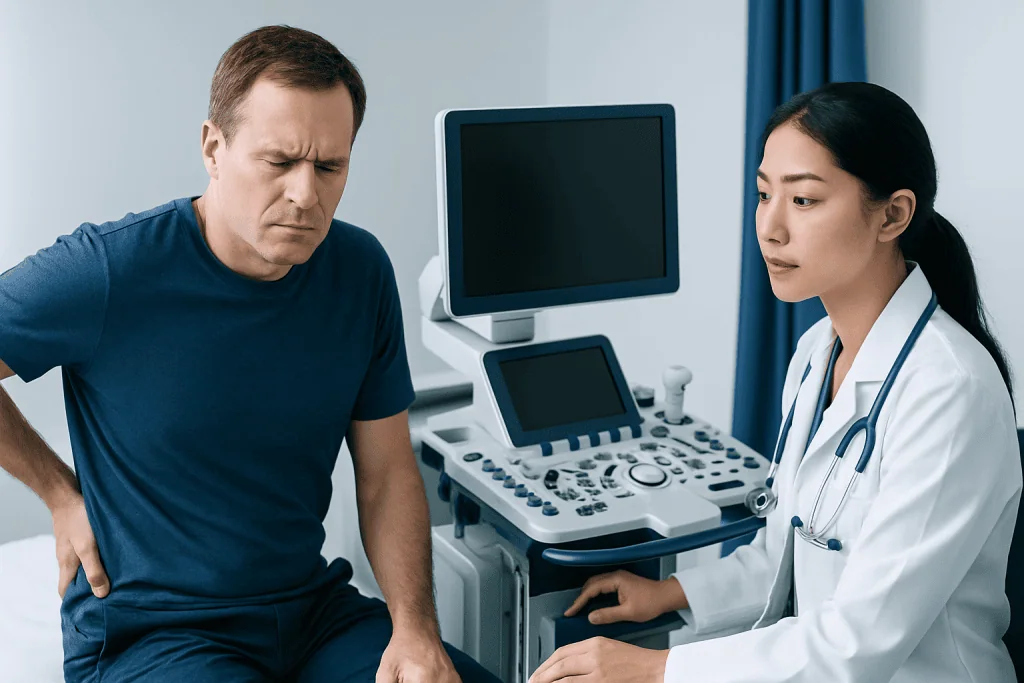
People describe extreme back ache in different ways depending on the source of the pain. Muscle-related pain may feel tight, cramping, or worse with movement. Disc-related pain may be sharp or electric and can travel into the buttock, thigh, or foot. Pain from arthritis often feels stiff, especially after rest, and may improve somewhat with gentle movement.
The exact location also matters. Upper back pain can be linked to muscle strain, poor posture, or less commonly problems involving the chest or lungs. Mid-back pain may come from spinal joints, muscles, or referred pain from internal organs. Lower back pain is the most common pattern and is often mechanical, but it can also occur with nerve compression or kidney-related conditions.
Associated symptoms deserve attention. These may include:
- Numbness, tingling, or burning in an arm or leg
- Weakness, difficulty walking, or foot drop
- Pain that worsens with coughing, sneezing, or straining
- Muscle spasms or a feeling that the back “locks”
- Night pain, fever, unexplained weight loss, or general illness
- Pain with urination, abdominal pain, or chest discomfort
Some people notice that the pain improves with rest, heat, or changing position, while others find it unrelenting. Constant, severe pain at rest or pain that wakes a person from sleep may need a more careful medical evaluation than pain that clearly improves with simple self-care.
Possible Causes and Risk Factors

The most common causes of extreme back ache are mechanical. These include muscle or ligament strain, overuse, poor lifting technique, degenerative changes in the spine, irritated facet joints, and spinal disc problems. Conditions such as scoliosis or pre-existing spinal wear-and-tear may also contribute by changing posture and load on the back.
Nerve-related causes occur when a disc or another spinal structure presses on a nerve root. This may lead to shooting pain, numbness, or weakness in the arm or leg. In the lower back, sciatica is a common example. Spinal narrowing, known as stenosis, can also cause severe pain, especially with walking or standing.
Less common but important causes include fractures after a fall or accident, especially in older adults or people with osteoporosis; inflammatory diseases; infections of the spine; and cancers that involve the spine. Referred pain from the kidneys, pancreas, abdomen, or major blood vessels can also feel like back pain.
Risk factors include heavy physical work, prolonged sitting, obesity, weak core muscles, smoking, older age, pregnancy, osteoporosis, and a history of previous back problems. Sudden severe pain after trauma, in a person with cancer, or in someone with immune suppression should be assessed promptly because the threshold for concern is higher in these situations.
How Doctors Diagnose the Cause
Diagnosis begins with a careful history. A clinician usually asks when the pain started, whether there was an injury, where the pain travels, and what makes it better or worse. They also ask about fever, weight loss, bladder or bowel changes, weakness, numbness, previous spine problems, and any history of osteoporosis, cancer, or infection risk.
The physical examination often includes checking posture, tenderness, range of motion, muscle strength, reflexes, sensation, and gait. Specific maneuvers may help determine whether the pain is coming from muscles, joints, or a compressed nerve. If kidney stones, abdominal causes, or chest-related causes are possible, the examination may extend beyond the spine.
Not everyone needs imaging right away. X-rays may help if fracture, alignment problems, or significant degenerative changes are suspected. MRI is more useful for discs, nerves, spinal cord problems, infection, or tumors, while CT may be used in certain trauma or bone-related situations. Blood tests may be considered if infection, inflammation, or another systemic condition is possible.
When symptoms suggest significant nerve compression, a specialist may be involved. Depending on the findings, doctors may recommend advanced imaging or procedures such as MRI or a consultation about neurosurgical evaluation if surgery is being considered for a structural problem.
Treatment Options for Extreme Back Ache
Treatment depends on the cause, severity, and duration of the pain. For many cases of mechanical back pain, initial care includes short-term activity modification, gentle movement, heat or ice, and nonprescription pain relief when appropriate and safe for the individual. Staying completely in bed for long periods is usually not advised, because light activity often helps recovery.
Physical therapy is a mainstay for many patients. It may focus on posture, stretching, core strengthening, movement mechanics, and a gradual return to normal activity. If the pain stems from disc irritation or nerve compression, therapy may include positions and exercises that reduce nerve stress. In selected cases, physicians may also consider prescription medicines or image-guided pain procedures.
When severe pain is caused by significant structural problems, treatment may need to go beyond conservative care. Some patients benefit from specialist-led care for the spine, including spine surgery when there is persistent nerve compression, instability, or another clear surgical indication. Surgery is not the first option for most back pain, but it can be appropriate in carefully selected situations.
If the source is not the spine itself, treatment targets the underlying condition. For example, kidney stones, infection, inflammatory disease, or fractures each require a different plan. The key is not simply to suppress the pain, but to identify and address the reason it is happening.
Self-Care and Prevention
Simple measures can support recovery and help prevent future episodes. Gentle walking, changing position regularly, and avoiding movements that sharply worsen pain are often helpful. Heat may ease muscle spasm, while cold packs can be soothing shortly after a strain or injury. Any self-care approach should be adjusted if it increases symptoms.
Longer-term prevention focuses on reducing strain on the spine. Good lifting technique, regular exercise, maintaining a healthy body weight, and strengthening the core and hip muscles can improve support for the back. Workstation adjustments, supportive footwear, and posture changes may help people whose pain is linked to prolonged sitting or repetitive tasks.
People with recurring pain often benefit from understanding their triggers. These can include sudden increases in activity, poor sleep, stress-related muscle tension, smoking, or long periods of inactivity. A clinician or physical therapist can help build a safe exercise routine and decide whether additional evaluation is needed before returning to sports or heavy work.
For patients needing expert assessment, Acibadem International’s multidisciplinary specialists in JCI-accredited hospitals diagnose and treat back and spine conditions for international patients, including rehabilitation planning when needed through services such as physical therapy and rehabilitation.
When to Seek Medical Care
Medical care is advisable if extreme back ache is severe enough to limit walking, standing, sleeping, or normal daily activity; if it lasts more than a few days without improvement; or if it keeps returning. A doctor should also assess pain that follows a fall, sports injury, or car accident, especially in older adults or anyone with osteoporosis.
Urgent or emergency care is important if severe back pain occurs with any red-flag symptoms. These include new weakness, numbness around the groin or saddle area, loss of bladder or bowel control, fever, unexplained weight loss, severe chest pain, fainting, or trouble breathing. Sudden, intense pain with abdominal symptoms or pain that feels unlike previous episodes also needs prompt attention.
It is also wise to seek care earlier if the person has a history of cancer, immune suppression, intravenous drug use, or recent serious infection. In these settings, doctors may want to rule out uncommon but urgent causes of back pain. Early evaluation can help prevent complications and support faster, safer treatment.
Frequently asked questions
What is the most common cause of extreme back ache?
The most common causes are mechanical problems such as muscle strain, ligament sprain, disc irritation, or joint-related pain in the spine. These often follow lifting, twisting, overuse, poor posture, or a sudden increase in activity.
Can extreme back ache go away on its own?
Yes, many episodes improve over days to a few weeks with sensible self-care and gradual return to activity. However, persistent, worsening, or recurrent severe pain should be evaluated to look for an underlying cause that needs treatment.
When is severe back pain an emergency?
Emergency care is needed if severe back pain comes with new leg weakness, loss of bladder or bowel control, numbness in the groin area, high fever, chest pain, major trauma, or trouble breathing. These symptoms can point to nerve compression, infection, fracture, or another urgent condition.
Should imaging be done right away for extreme back ache?
Not always. Imaging is usually reserved for cases with red-flag symptoms, trauma, suspected fracture, neurological deficits, or pain that does not improve as expected. Many uncomplicated episodes can be assessed clinically at first.
Can kidney problems feel like back pain?
Yes, some kidney conditions, including kidney stones or infection, can cause pain in the back or flank. Pain linked to urination changes, fever, nausea, or side pain rather than central spine pain should be assessed by a doctor.
Is it better to rest or keep moving with severe back pain?
Short-term reduction of painful activities can help, but complete bed rest for long periods is usually not recommended. Gentle movement and gradual activity often support recovery, unless a clinician advises otherwise because of a specific injury or condition.
References
- National Institute of Neurological Disorders and Stroke
- National Institute of Arthritis and Musculoskeletal and Skin Diseases
- American Academy of Orthopaedic Surgeons
- National Health Service
- Mayo Clinic
This article is for general information only and is not a substitute for professional medical advice. Please consult a qualified doctor about your individual situation.
Joint and spine care in Turkey — expert assessment & treatment
JCI-accredited · board-certified surgeons · reply within 24h
Add us as a Preferred Source to see more of our trusted health content across Google Search, AI Overviews and Discover.