Fibroids and Fertility: When Uterine Growths Affect Pregnancy
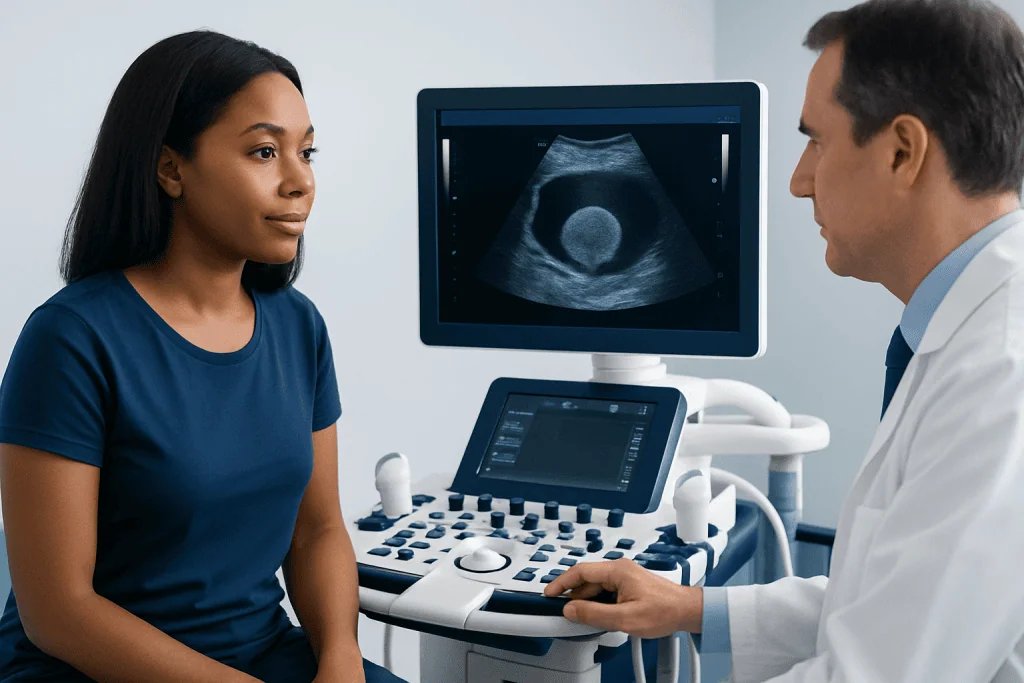
Fibroids do not always affect fertility, but those that distort the uterine cavity may interfere with implantation or pregnancy. Symptoms can include heavy periods, pelvic pressure, frequent urination, or fertility challenges, although many fibroids cause no symptoms.
Key Takeaways
- Fibroids do not always affect fertility, but those that distort the uterine cavity may interfere with implantation or pregnancy.
- Symptoms can include heavy periods, pelvic pressure, frequent urination, or fertility challenges, although many fibroids cause no symptoms.
- Ultrasound is usually the first test used to assess fibroids, while MRI or hysteroscopy may help clarify their location before fertility treatment.
- Treatment decisions depend on symptoms, pregnancy plans, fibroid type, and age; not every fibroid needs removal.
- People trying to conceive should seek specialist advice if they have heavy bleeding, recurrent pregnancy loss, infertility, or known cavity-distorting fibroids.
Uterine fibroids are common non-cancerous growths that may affect fertility or pregnancy depending on their size, number, and location. Many people with fibroids conceive and have healthy pregnancies, while others benefit from careful evaluation and individualized treatment.
Overview
Uterine fibroids, also called leiomyomas or myomas, are non-cancerous growths that develop from the muscle layer of the uterus. They can be as small as a seed or large enough to change the shape of the uterus. Fibroids are especially common during the reproductive years and may grow under the influence of hormones such as estrogen and progesterone.
The relationship between fibroids and fertility is not the same for everyone. Many people with fibroids become pregnant naturally and have uncomplicated pregnancies. In other cases, fibroids can make conception more difficult, increase the risk of miscarriage, or contribute to pregnancy concerns such as pain, abnormal fetal position, or preterm birth. The key factor is often not simply whether fibroids are present, but where they are located and whether they change the shape of the uterine cavity.
Fibroids are commonly described by location. Submucosal fibroids grow toward or into the uterine cavity and are most strongly linked with fertility problems. Intramural fibroids grow within the muscular wall of the uterus and may matter if they are large or distort the cavity. Subserosal fibroids grow outward from the uterus and usually have less direct impact on fertility, though very large ones can cause pressure symptoms.
How Fibroids May Affect Fertility and Pregnancy
Fertility depends on several coordinated steps: ovulation, sperm transport, fertilization, embryo movement through the fallopian tube, implantation in the uterine lining, and ongoing development of the pregnancy. Fibroids may interfere with one or more of these steps when they change the uterine cavity, affect blood flow to the lining, cause inflammation, or block the fallopian tube openings.
Submucosal fibroids are the type most consistently associated with reduced pregnancy rates and higher miscarriage risk because they can occupy space where an embryo needs to implant. Some intramural fibroids may also affect fertility if they are large or press into the cavity. Subserosal fibroids, which project outward from the uterus, generally do not affect implantation and are less likely to require treatment before pregnancy unless they cause significant symptoms.
During pregnancy, fibroids may remain stable, grow, or occasionally shrink. Some people experience no problems at all. Others may develop pelvic pain, especially if a fibroid outgrows its blood supply, a process sometimes called degeneration. Depending on size and position, fibroids can also be associated with placenta-related concerns, breech position, cesarean delivery, or postpartum bleeding. These possibilities can usually be monitored with appropriate prenatal care.
Symptoms to Watch For
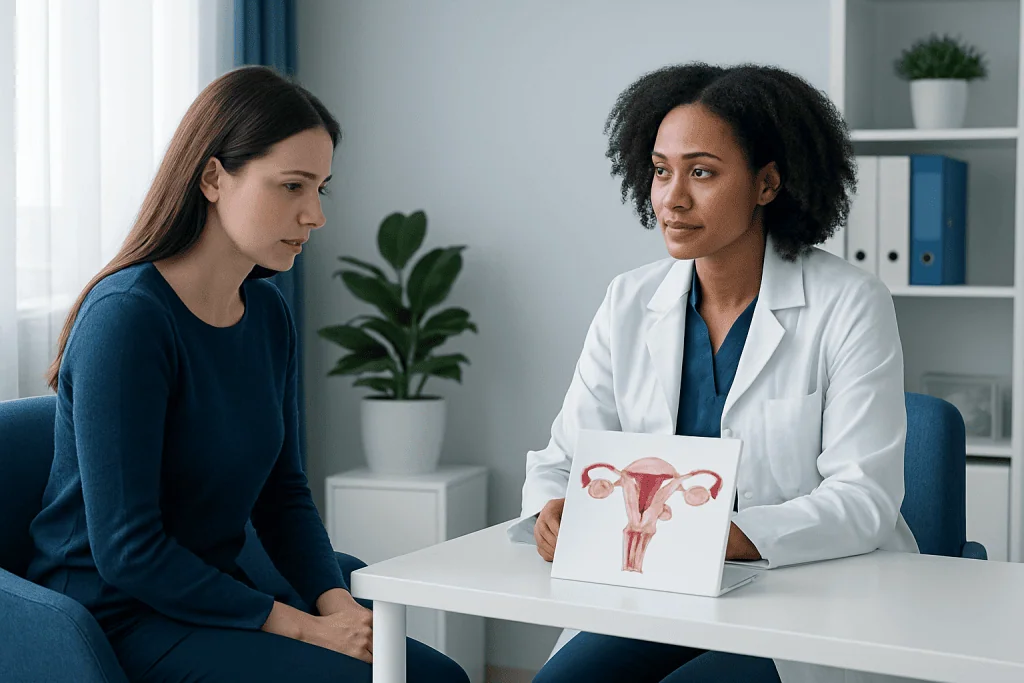
Many fibroids are discovered incidentally during a pelvic examination or ultrasound because they do not cause symptoms. When symptoms occur, they often relate to bleeding patterns, pelvic pressure, or the effect of fibroids on nearby organs. Symptoms may develop slowly over time, and their severity does not always match the size of the fibroid.
Common symptoms include heavy or prolonged menstrual bleeding, bleeding between periods, pelvic heaviness, lower abdominal swelling, frequent urination, constipation, and pain during sex. Some people experience menstrual cramps that become more intense than usual. Heavy bleeding may lead to iron deficiency anemia, which can cause tiredness, weakness, dizziness, or shortness of breath with activity.
In the context of fertility, fibroids may be considered when a person has difficulty becoming pregnant, recurrent pregnancy loss, or repeated unsuccessful embryo implantation. However, fibroids are only one possible factor. A complete fertility evaluation may also assess ovulation, ovarian reserve, sperm factors, fallopian tube patency, thyroid function, age-related factors, and other uterine conditions such as polyps or adhesions.
Causes and Risk Factors
The exact cause of fibroids is not fully understood, but their development is linked to genetic, hormonal, and growth-factor influences. Fibroids tend to grow during the reproductive years and often shrink after menopause, when hormone levels decline. Individual fibroids may behave differently, even within the same uterus.
Risk factors include a family history of fibroids, increasing reproductive age until menopause, early onset of menstruation, and certain metabolic factors such as higher body weight. People of African ancestry are known to develop fibroids more often and at younger ages than some other populations. Diet, vitamin D status, blood pressure, and lifestyle factors may also play a role, although these relationships are complex and not fully defined.
It is important to understand that fibroids are not caused by anything a patient did wrong. They are very common, and most are benign. A very rare cancer called uterine leiomyosarcoma can resemble a fibroid, but typical fibroids do not turn into cancer. Rapid growth, new symptoms after menopause, or unusual imaging findings should be assessed by a gynecologist.
Diagnosis and Fertility Evaluation
Diagnosis usually begins with a medical history and pelvic examination. The doctor may ask about menstrual bleeding, pain, pregnancy plans, previous pregnancies, miscarriages, prior surgeries, and fertility treatment history. If fibroids are suspected, imaging helps confirm their size, number, and location.
Transvaginal ultrasound is commonly the first imaging test. It is widely used, does not involve radiation, and can identify many fibroids. Saline infusion sonography, in which sterile fluid is placed in the uterus during ultrasound, can show whether a fibroid projects into the uterine cavity. MRI may be recommended when detailed mapping is needed, particularly before surgery or when multiple fibroids are present.
Hysteroscopy may be used when a fibroid inside the uterine cavity is suspected. During hysteroscopy, a thin camera is passed through the cervix to view the inside of the uterus. In some cases, small submucosal fibroids can be treated during the same procedure. For patients trying to conceive, diagnosis is often combined with a broader fertility assessment so that fibroids are interpreted in the full clinical context.
Treatment Options Before Pregnancy
Not every fibroid needs treatment before pregnancy. If fibroids are small, do not distort the uterine cavity, and are not causing symptoms, a doctor may recommend monitoring rather than immediate intervention. Treatment is more likely to be discussed when fibroids cause heavy bleeding, significant pain, cavity distortion, recurrent miscarriage, or infertility where no other explanation is found.
Myomectomy is the main fertility-preserving surgical option for fibroids that are likely to affect conception or pregnancy. The approach depends on fibroid location and size. Hysteroscopic myomectomy is used for many submucosal fibroids inside the uterine cavity. Laparoscopic, robotic, or open abdominal myomectomy may be used for intramural or subserosal fibroids. After some myomectomies, a doctor may recommend waiting before trying to conceive to allow the uterus to heal, and future delivery planning may be individualized.
Medications may temporarily reduce bleeding or shrink fibroids, but many are not long-term fertility treatments and some prevent pregnancy while being used. Uterine artery embolization can reduce fibroid symptoms for some patients, but it is generally approached cautiously in those who strongly desire future pregnancy because of concerns about uterine and ovarian blood supply. Focused ultrasound and other newer techniques may be appropriate for selected patients, but fertility data and suitability vary.
Treatment decisions should be individualized. Important factors include age, ovarian reserve, time trying to conceive, symptoms, fibroid location, previous surgeries, partner sperm results, and whether assisted reproductive technology such as IVF is being considered. A fertility specialist and gynecologic surgeon can help balance the benefits of fibroid treatment against surgical risks and delays in trying to conceive.
Pregnancy Care, Prevention, and Self-care
There is no guaranteed way to prevent fibroids, but general health measures may support reproductive well-being. Maintaining a healthy weight, managing blood pressure, staying physically active, eating a balanced diet rich in fruits, vegetables, whole grains, and iron-containing foods, and correcting iron deficiency when present may help overall health. These steps do not replace medical treatment for fibroids but can support preparation for pregnancy.
People who become pregnant with known fibroids may need routine prenatal care plus additional ultrasound monitoring if the fibroids are large, numerous, or near the placenta or cervix. Most fibroid-related pain in pregnancy can be managed conservatively under medical guidance. Patients should not take pain medicines, supplements, or herbal products during pregnancy without asking their doctor, because some may not be safe.
Self-care also includes tracking menstrual patterns before pregnancy. A simple record of cycle length, bleeding heaviness, pain, and any intermenstrual bleeding can help the doctor assess whether fibroids are contributing to symptoms. For those trying to conceive, early consultation is helpful if the patient is over 35, has known fibroids affecting the uterine cavity, or has been trying for several months without success.
When to See a Doctor
A medical evaluation is recommended for heavy menstrual bleeding, bleeding between periods, pelvic pain that affects daily life, pressure symptoms, difficulty becoming pregnant, or pregnancy loss. Sudden severe pelvic pain, very heavy bleeding, fainting, or symptoms of significant anemia should be assessed promptly. Early evaluation can clarify whether fibroids are the cause and whether treatment is needed.
People planning pregnancy may benefit from preconception counseling if they have known fibroids, previous myomectomy, recurrent miscarriage, or planned IVF. A specialist can review imaging, discuss whether the uterine cavity is affected, and recommend a strategy that supports both fertility and safety. In some cases, the best approach is monitoring; in others, treatment before conception may improve the chance of a healthy pregnancy.
International patients seeking evaluation can be assessed by gynecology, reproductive medicine, maternal-fetal medicine, and imaging specialists working together. Acibadem International offers diagnosis and treatment for uterine fibroids and fertility concerns in JCI-accredited hospitals, with care plans tailored to each patient’s medical findings and pregnancy goals.
Frequently asked questions
Can someone get pregnant naturally with fibroids?
Yes. Many people with fibroids conceive naturally and have healthy pregnancies. The chance of an effect on fertility depends mainly on the fibroid’s location, size, and whether it changes the shape of the uterine cavity.
Which fibroids are most likely to affect fertility?
Submucosal fibroids, which grow into the uterine cavity, are most strongly linked with reduced fertility and miscarriage risk. Intramural fibroids may also matter if they are large or distort the cavity. Subserosal fibroids usually have less impact on fertility.
Should all fibroids be removed before IVF?
No. Treatment before IVF depends on whether the fibroid affects the uterine cavity, causes symptoms, or may interfere with implantation or pregnancy. A fertility specialist may recommend imaging such as saline ultrasound, hysteroscopy, or MRI before deciding.
Is myomectomy safe for future pregnancy?
Myomectomy is a fertility-preserving surgery and many people become pregnant afterward. As with any surgery, it has risks such as bleeding, scar tissue, or the need for cesarean delivery in some future pregnancies. The safest approach depends on fibroid type, surgical technique, and healing.
Can fibroids grow during pregnancy?
Some fibroids grow during pregnancy, while others stay the same size or shrink. Growth is not always harmful, but large or strategically located fibroids may require additional monitoring. A prenatal care team can follow the pregnancy with ultrasound when needed.
Do fibroids cause miscarriage?
Fibroids can be associated with miscarriage, especially when they distort the uterine cavity. However, miscarriage can have many causes, including chromosome changes, hormonal factors, immune or clotting conditions, and other uterine issues. A thorough evaluation is important before attributing pregnancy loss to fibroids alone.
Can fibroids come back after treatment?
Yes, new fibroids can develop after myomectomy, especially in younger patients who have many reproductive years ahead. Recurrence does not always mean symptoms will return or that fertility will be affected. Follow-up care is based on symptoms, pregnancy plans, and imaging findings.
This article is for general information only and is not a substitute for professional medical advice. Please consult a qualified doctor about your individual situation.
IVF & fertility treatment in Turkey — success rates and costs
JCI-accredited · board-certified surgeons · reply within 24h
Add us as a Preferred Source to see more of our trusted health content across Google Search, AI Overviews and Discover.
Check your numbers in seconds
BMI, calories, due date, blood pressure and 30+ more clinical calculators — free, instant, doctor-reviewed ranges.

Related Treatments
Related Conditions
More from the Health Library

Embryo Transfer Day in IVF: Preparation and What Happens Next
Donor Sperm IVF: Candidates, Screening, and Treatment Steps

IVF for Recurrent Miscarriage: Tests, Treatment Planning, and Expectations

IVF After Tubal Ligation: Treatment Steps and Success Factors

Coping With IVF Stress: Emotional Support During Fertility Treatment
Egg Freezing vs IVF: Which Fertility Option Fits Your Goals?
Gynecology & Obstetrics Specialists at Acibadem

Assoc. Prof. Dr. Emine Karabük
Gynecology & Obstetrics
Assoc. Prof. Dr. Emre Özgü
Gynecology & Obstetrics
Assoc. Prof. Dr. Engin Çelik
Gynecology & Obstetrics
Prof. Dr. Engin Oral (m)
Gynecology & Obstetrics