Food Poisoning vs Gastroenteritis: How Doctors Tell the Difference

Food poisoning usually follows eating contaminated food, while gastroenteritis is a broader term for inflammation of the stomach and intestines caused by viruses, bacteria, or parasites. The timing of symptoms, recent meals, sick contacts, travel, and outbreak patterns can help doctors distinguish between the two.
Key Takeaways
- Food poisoning usually follows eating contaminated food, while gastroenteritis is a broader term for inflammation of the stomach and intestines caused by viruses, bacteria, or parasites.
- The timing of symptoms, recent meals, sick contacts, travel, and outbreak patterns can help doctors distinguish between the two.
- Most mild cases improve with rest and fluids, but dehydration and severe symptoms need medical attention.
- Tests are not always necessary, but stool tests, blood tests, or imaging may be used when symptoms are severe, prolonged, or unusual.
- Good hand hygiene and safe food handling help reduce the risk of both conditions.
Food poisoning and gastroenteritis can look very similar, often causing nausea, vomiting, diarrhea, and stomach cramps. Doctors usually tell the difference by asking about symptom timing, possible exposures, and whether testing is needed to identify the cause.
Overview
Food poisoning and gastroenteritis are common reasons for sudden digestive symptoms, and many people use the terms interchangeably. In everyday conversation, both may be described as a “stomach bug.” Medically, however, they are not exactly the same. Food poisoning usually refers to illness caused by eating contaminated food or drink. Gastroenteritis is a broader term that means inflammation of the stomach and intestines, often due to infection.
Because the symptoms overlap so much, it can be difficult to tell which one is causing the problem without a medical evaluation. Both can lead to nausea, vomiting, diarrhea, abdominal cramps, and feeling generally unwell. Some people may also have fever, headache, or muscle aches.
Doctors do not rely on a single symptom to make the distinction. Instead, they look at the full picture: when symptoms began, what the person ate, whether anyone else became ill, recent travel, medication use, and the severity of symptoms. This history often gives the clearest clues. For more detailed background on gastroenteritis and food poisoning, a specialist can explain how these conditions overlap and differ.
Symptoms: What Overlaps and What May Differ
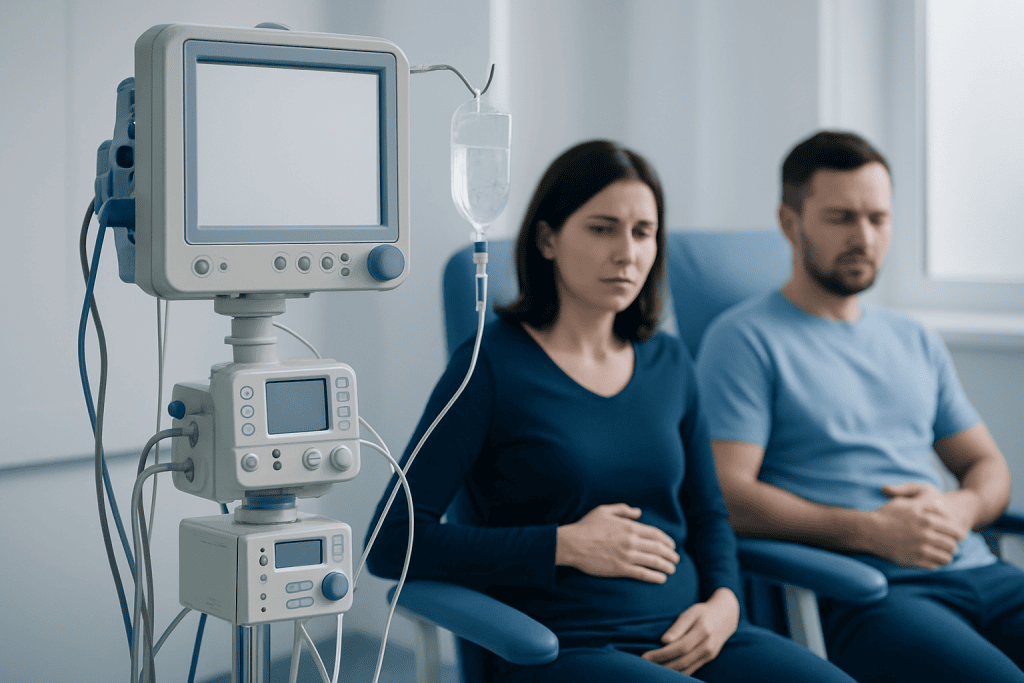
Both food poisoning and gastroenteritis commonly cause diarrhea, nausea, vomiting, stomach pain, and cramping. These symptoms happen because the digestive tract becomes irritated or inflamed. Mild cases may settle within a day or two, while others can last longer depending on the cause.
Food poisoning sometimes starts quite suddenly, especially if toxins produced by bacteria are involved. A person may feel well and then develop vomiting or cramps within hours of eating contaminated food. In contrast, viral gastroenteritis may begin more gradually after contact with an infected person or contaminated surface, often after an incubation period of one to three days.
There are exceptions, so timing alone is not enough for diagnosis. Some bacterial infections can take longer to cause symptoms, and some viral illnesses can begin abruptly. Doctors also ask about the pattern of symptoms. Prominent vomiting may suggest certain viral infections or toxin-related food poisoning, while persistent diarrhea, blood in the stool, high fever, or severe abdominal pain may point to a more serious intestinal infection or another digestive condition that needs assessment.
Symptoms that suggest dehydration are especially important. These include very dry mouth, dizziness, faintness, reduced urination, dark urine, unusual sleepiness, or confusion. Young children, older adults, and people with chronic illness can become dehydrated more quickly than healthy adults.
Causes and Risk Factors

Food poisoning happens when harmful bacteria, viruses, parasites, or their toxins contaminate food or water. Common sources include undercooked meat, eggs, seafood, unpasteurized dairy, raw produce, and foods left at unsafe temperatures. Poor food handling, cross-contamination in the kitchen, and unsafe drinking water can all increase risk.
Gastroenteritis has many of the same infectious causes, but it is often spread person to person, especially in households, schools, care homes, cruise ships, and other shared settings. Viruses are a leading cause of gastroenteritis, and they spread easily through contaminated hands, surfaces, food, and water. Bacterial and parasitic infections can also cause gastroenteritis, particularly after travel or exposure to unsafe food or water.
Doctors also think about risk factors that make certain causes more likely. These include recent travel, restaurant meals, buffet food, contact with someone who is sick, antibiotic use, hospitalization, a weakened immune system, pregnancy, and extremes of age. Eating the same food as others who also became ill is a particularly useful clue for food poisoning.
Not every case of diarrhea and stomach pain is caused by infection. Conditions such as irritable bowel syndrome, celiac disease, or medication side effects can mimic infection in some people. That is why doctors keep an open mind, especially when symptoms are recurrent, prolonged, or not typical of an acute stomach illness.
How Doctors Tell the Difference
The most important diagnostic tool is a careful medical history. Doctors ask when symptoms started, how quickly they came on, what the person ate in the previous hours or days, and whether anyone else who shared that meal became sick. They also ask about recent travel, daycare or workplace outbreaks, sick contacts at home, and any chronic medical conditions.
The timing between exposure and illness can offer clues. If symptoms begin within a few hours of a meal, toxin-related food poisoning may be more likely. If several family members develop similar symptoms one to three days after contact with a sick child, viral gastroenteritis becomes more likely. Doctors also consider whether vomiting or diarrhea is the dominant feature, whether there is fever, and whether blood or mucus is present in the stool.
A physical examination helps assess severity rather than proving the exact cause. The doctor checks for signs of dehydration, abdominal tenderness, fever, low blood pressure, and changes in alertness. In many mild cases, this is enough to guide treatment without extensive testing.
Doctors also rule out conditions that may need urgent treatment. Severe or localized pain could suggest appendicitis, gallbladder disease, bowel inflammation, or pancreatitis rather than a simple stomach infection. This is one reason medical review is important when symptoms are intense, unusual, or not improving.
Tests That May Be Used
Many people with mild, short-lived symptoms do not need tests. If the illness is uncomplicated and improving, supportive care is often all that is required. However, tests may be recommended if symptoms are severe, last longer than expected, involve blood in the stool, or affect someone at higher risk of complications.
Stool tests can help identify bacteria, parasites, or certain viruses. They may also detect toxins or inflammation in the gut. Doctors are more likely to order stool testing when there is persistent diarrhea, high fever, recent travel, an outbreak concern, or possible foodborne illness linked to a public health issue.
Blood tests may be used to look for dehydration, electrolyte imbalance, signs of infection, or effects on kidney function. This can be especially important when vomiting and diarrhea are frequent or when the person cannot keep fluids down.
Imaging such as ultrasound or CT is not routinely needed for ordinary food poisoning or gastroenteritis. It may be used if symptoms suggest another diagnosis, such as a surgical problem or an inflammatory bowel condition. In complex cases, assessment by a digestive specialist or a service such as neurogastroenterology evaluation may help when symptoms persist or the diagnosis remains unclear.
Treatment Options
The main treatment for both food poisoning and gastroenteritis is replacing fluids and allowing the gut to recover. Small, frequent sips of water or oral rehydration solutions are often best, especially after vomiting. Rest is important, and food can usually be reintroduced gradually as tolerated, starting with simple, bland meals.
Not everyone needs medication. The right treatment depends on the cause, the person’s age, overall health, and symptom severity. Some medicines may help control nausea or diarrhea, but they are not suitable for every situation. For example, anti-diarrheal medicines may be avoided in some infections, particularly when there is blood in the stool or high fever, because they can sometimes make certain illnesses worse.
Antibiotics are only useful for specific bacterial infections and are not effective against viruses. Using antibiotics unnecessarily can cause side effects and may disturb the normal balance of bacteria in the gut. That is why doctors prescribe them selectively, based on clinical suspicion or test results.
Hospital treatment may be needed for severe dehydration, inability to keep fluids down, marked weakness, or complications. This may include intravenous fluids and monitoring. Near the end of the care pathway, some people may benefit from specialist review if symptoms persist, especially if another condition such as inflammatory bowel disease evaluation is being considered. Acibadem International’s multidisciplinary specialists in JCI-accredited hospitals also assess and treat digestive illnesses for international patients when expert evaluation is needed.
Prevention and Self-care
Prevention starts with hand hygiene. Washing hands thoroughly with soap and water after using the toilet, before preparing food, before eating, and after caring for someone who is ill can reduce the spread of many infections. Alcohol-based hand sanitizers can help in some situations, but handwashing is especially important when hands are visibly dirty or after vomiting and diarrhea.
Food safety also plays a major role. Meat, eggs, and seafood should be cooked properly, raw foods should be kept separate from ready-to-eat foods, and leftovers should be refrigerated promptly. Fruits and vegetables should be washed, and care should be taken with food and water during travel.
During recovery, self-care focuses on hydration, rest, and gradual return to normal eating. It is often helpful to avoid alcohol and very greasy or heavily spiced foods until the stomach settles. If dairy products seem to worsen symptoms temporarily, reducing them for a short time may help, as the gut can become briefly more sensitive after infection, similar to what happens in lactose intolerance care.
- Drink fluids regularly, even in small amounts
- Use oral rehydration solutions if diarrhea or vomiting is significant
- Rest and avoid strenuous activity while recovering
- Clean shared surfaces if someone in the home is ill
- Do not prepare food for others while actively vomiting or having diarrhea
When to See a Doctor
Medical advice is recommended if symptoms are severe, do not improve within a few days, or keep returning. Warning signs include blood in the stool, high fever, severe abdominal pain, persistent vomiting, inability to drink enough fluids, or signs of dehydration. Infants, older adults, pregnant women, and people with weakened immune systems should seek medical attention earlier.
It is also wise to see a doctor if symptoms begin after international travel, after eating high-risk foods, or as part of a suspected outbreak where several people became ill after sharing a meal. In these situations, identifying the cause can help guide treatment and protect others.
If diarrhea lasts longer than expected or symptoms recur over time, the cause may not be simple food poisoning or gastroenteritis. Doctors may then investigate other digestive problems, including inflammatory or functional bowel conditions. Prompt assessment helps ensure the right diagnosis and the safest treatment plan.
Frequently asked questions
Is food poisoning the same as gastroenteritis?
Not exactly. Food poisoning usually refers to illness caused by contaminated food or drink, while gastroenteritis is a broader term for inflammation of the stomach and intestines from infections such as viruses, bacteria, or parasites. Food poisoning can cause gastroenteritis, but not all gastroenteritis comes from food.
How do doctors know if it is food poisoning or a stomach virus?
Doctors mainly use the history of symptoms and exposures. They ask about recent meals, sick contacts, travel, and how quickly symptoms started. In more severe or prolonged cases, stool or blood tests may help identify the cause.
How quickly does food poisoning start compared with gastroenteritis?
Some types of food poisoning begin within a few hours, especially when toxins are involved. Viral gastroenteritis often begins after one to three days, though this can vary. Because there is overlap, timing alone does not confirm the diagnosis.
Do all cases need antibiotics?
No. Many cases of gastroenteritis and food poisoning are caused by viruses or improve on their own with fluids and rest. Antibiotics only help certain bacterial infections and should be used under a doctor’s guidance.
When is diarrhea or vomiting considered an emergency?
Urgent medical care may be needed for signs of dehydration, confusion, fainting, severe weakness, blood in the stool, severe abdominal pain, or persistent vomiting that prevents drinking fluids. Babies, older adults, and people with chronic illness can become seriously unwell more quickly.
Can symptoms continue after the infection is gone?
Yes. Some people have temporary bowel sensitivity, bloating, or changes in digestion after an infection has cleared. If symptoms last for weeks or keep returning, a doctor should assess for lingering effects or another digestive condition.
References
- World Health Organization
- Centers for Disease Control and Prevention
- National Institute of Diabetes and Digestive and Kidney Diseases
- National Health Service
- Mayo Clinic
This article is for general information only and is not a substitute for professional medical advice. Please consult a qualified doctor about your individual situation.
Gastroenteritis in Turkey — costs, top hospitals & a free quote
JCI-accredited · board-certified surgeons · reply within 24h
Add us as a Preferred Source to see more of our trusted health content across Google Search, AI Overviews and Discover.

Gastroenterology
Diagnosis and treatment of the digestive system and liver, with advanced endoscopy.
46 specialists in this unit