Gastric Sleeve Surgery Risks: Complications, Warning Signs, and Prevention

Most people recover well after gastric sleeve surgery, but complications can happen and should be recognized early. Warning signs such as severe abdominal pain, fever, rapid heartbeat, shortness of breath, or repeated vomiting need urgent medical advice.
Key Takeaways
- Most people recover well after gastric sleeve surgery, but complications can happen and should be recognized early.
- Warning signs such as severe abdominal pain, fever, rapid heartbeat, shortness of breath, or repeated vomiting need urgent medical advice.
- Long-term risks may include acid reflux, narrowing of the stomach, dehydration, and vitamin or mineral deficiencies.
- Careful surgical planning, experienced bariatric teams, and close follow-up lower the risk of complications.
- Following nutrition, hydration, activity, and medication instructions is an important part of prevention.
Gastric sleeve surgery can be an effective treatment for obesity, but like any operation it carries short- and long-term risks. Understanding possible complications, their warning signs, and how prevention works can help patients prepare, recover safely, and know when to seek medical attention.
Overview of Gastric Sleeve Surgery Risks
Gastric sleeve surgery, also called sleeve gastrectomy, is a bariatric procedure that removes a large portion of the stomach to create a narrow, tube-shaped stomach. It helps with weight loss by limiting how much food can be eaten and by changing some hunger-related hormones. For many people, it can improve obesity-related conditions and quality of life when combined with long-term lifestyle changes.
Even so, gastric sleeve surgery risks are an important part of the decision-making process. Every operation carries potential complications related to anesthesia, surgery itself, and recovery afterward. Some risks are uncommon but serious, while others are milder and may be managed with medication, dietary changes, or follow-up procedures.
Risks are often grouped into early complications, which happen during or soon after surgery, and late complications, which may develop months or years later. Understanding both helps patients recognize what is expected during recovery and what should prompt a call to a doctor.
People considering gastric sleeve surgery usually discuss the benefits and risks in detail with a bariatric surgeon, dietitian, and anesthesia team. This individual evaluation is important because overall health, body weight, previous operations, and related medical conditions can all affect risk.
Possible Early Complications After Surgery

Early complications can occur in the first hours, days, or weeks after sleeve gastrectomy. These include bleeding, infection, reactions to anesthesia, and blood clots in the legs or lungs. Although hospitals use preventive measures, these complications can still happen and need quick assessment if symptoms appear.
One of the most important risks is a staple-line leak. During the operation, the stomach is divided and sealed with surgical staples. If stomach contents leak from this line, it can lead to severe infection inside the abdomen and may become a medical emergency. A leak may not always cause dramatic symptoms at first, so even subtle signs such as fever, fast heart rate, or worsening pain should be taken seriously.
Another possible problem is narrowing of the sleeve, sometimes called stenosis or stricture. This may make it difficult for food or liquids to pass normally and can lead to nausea, vomiting, or trouble drinking enough fluids. Dehydration can then develop quickly, especially early in recovery when the stomach is still healing.
- Bleeding inside the abdomen or from the staple line
- Wound infection or deeper abdominal infection
- Blood clots, including deep vein thrombosis and pulmonary embolism
- Staple-line leak
- Stomach narrowing or blockage
- Dehydration from poor fluid intake, nausea, or vomiting
Long-Term Risks and Nutritional Concerns
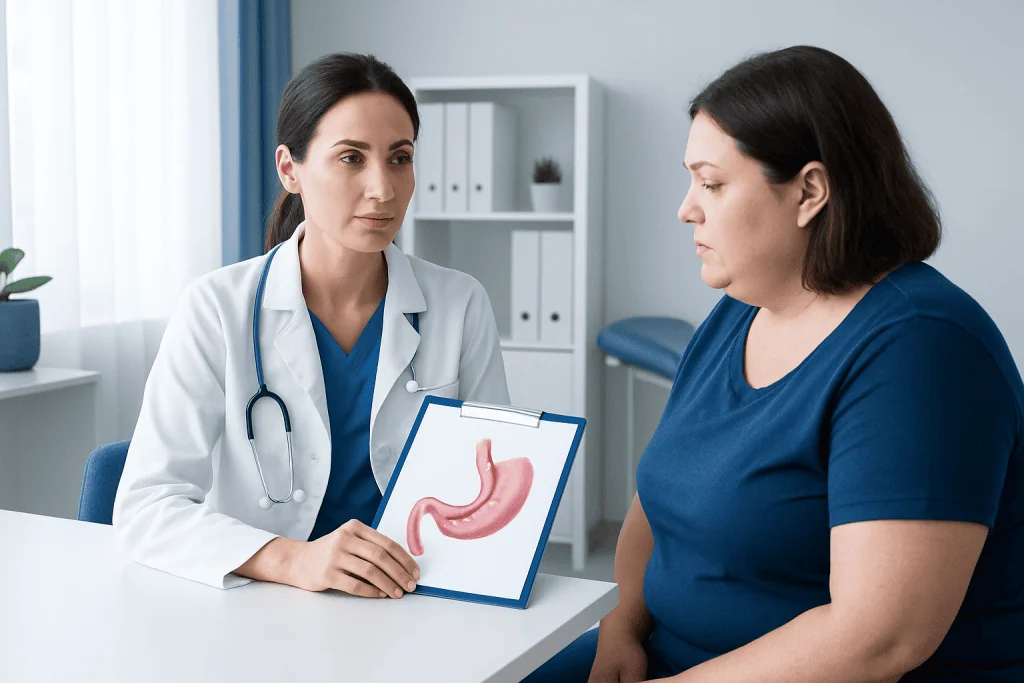
Long-term complications may appear gradually after the initial recovery period. One of the more common concerns is gastroesophageal reflux, or worsening heartburn. Some people already have reflux before surgery, and for others symptoms begin or become more noticeable afterward. Persistent reflux needs medical review because ongoing irritation of the esophagus should not be ignored.
Nutritional issues are also important after gastric sleeve surgery. Even though this procedure does not bypass the intestines in the way gastric bypass does, eating much less food can still lead to low intake of protein, iron, vitamin B12, folate, calcium, and vitamin D. Without regular follow-up and supplements, deficiencies may cause fatigue, hair thinning, weakness, anemia, or bone health problems over time.
Some patients also experience gallstones during rapid weight loss. Others may develop chronic nausea, food intolerance, constipation, or ongoing vomiting if eating habits are not adjusted well or if a structural issue develops. Weight regain can also happen, especially if follow-up care is interrupted or old eating patterns return.
Because obesity is a chronic disease, long-term success depends on more than the operation itself. Patients with severe morbid obesity usually benefit most when surgery is combined with structured nutrition, physical activity, behavior support, and routine medical monitoring.
Warning Signs That Need Prompt Medical Attention
After surgery, it is normal to feel tired, have some soreness, and need time to adapt to a liquid and soft-food diet. However, certain symptoms may signal a complication. Patients should know in advance which warning signs are expected and which are not.
Urgent warning signs include severe or increasing abdominal pain, chest pain, shortness of breath, fever, chills, a rapid heartbeat, repeated vomiting, inability to drink liquids, fainting, or confusion. These symptoms can point to dehydration, a blood clot, infection, a leak, or another serious problem. Dark or bloody stools, vomiting blood, or significant redness and drainage from an incision also need rapid assessment.
Some warning signs are less dramatic but still important if they persist. Ongoing heartburn, difficulty swallowing, pain after eating, frequent regurgitation, or signs of vitamin deficiency should be discussed with the bariatric team. Early treatment can often prevent a smaller issue from becoming a larger one.
Patients should not try to “wait it out” if something feels clearly wrong after surgery. A timely phone call or emergency review can make treatment simpler and safer. The surgical team usually provides a clear recovery plan explaining when to call the clinic and when to go directly to emergency care.
Who May Have a Higher Risk of Complications?
Complication risk is not the same for every patient. Age, overall physical condition, smoking, poorly controlled diabetes, heart or lung disease, sleep apnea, and a history of previous abdominal surgery may all increase surgical risk. Very high body mass index can also make surgery and recovery more complex.
Preparation before the operation matters. People who enter surgery dehydrated, nutritionally depleted, or without a clear understanding of the postoperative diet may struggle more during recovery. Emotional readiness is also important, because major changes in eating habits, activity, and routine follow-up are necessary for long-term success.
Structural issues from prior operations or abdominal wall conditions can sometimes complicate surgical planning. For example, a patient with an incisional hernia may need additional evaluation before abdominal surgery. This does not always prevent bariatric treatment, but it may affect timing or surgical strategy.
A full preoperative assessment helps identify these factors early. Patients considering bariatric surgery often meet several specialists so that medical issues can be stabilized and the safest approach can be chosen.
How Doctors Diagnose and Treat Complications
When a complication is suspected, doctors begin with the patient’s symptoms, physical examination, and vital signs. Blood tests may help look for infection, bleeding, dehydration, or nutritional deficiencies. Imaging studies such as a CT scan or contrast swallow test may be used to check for a leak, blockage, or narrowing of the stomach.
Treatment depends on the cause and how severe it is. Mild dehydration may improve with fluid replacement and changes to the diet plan, while infections may need antibiotics. More significant problems, such as a leak or active bleeding, may require hospitalization, drainage procedures, endoscopy, or another operation.
If the sleeve becomes too narrow, endoscopic treatment may sometimes stretch the area. Persistent reflux may be managed with medication, diet adjustments, and monitoring, though some patients need further evaluation if symptoms are severe or ongoing. Nutritional deficiencies are typically treated with supplements, blood-test monitoring, and support from a bariatric dietitian.
In some situations, another bariatric approach may be considered later if symptoms or weight-related goals are not being met. Decisions about revision surgery are individualized and based on anatomy, symptoms, and overall health. Minimally invasive methods such as gastric laparoscopic surgery are often part of modern bariatric care when appropriate.
Prevention, Safer Recovery, and Self-Care
Prevention begins well before the operation. Choosing an experienced bariatric center, completing the preoperative evaluation, stopping smoking if advised, and managing chronic conditions such as diabetes or high blood pressure can all lower risk. Patients are also usually asked to follow a specific diet before surgery to support safer operating conditions.
After surgery, careful attention to hydration is one of the most effective ways to prevent early problems. Small, frequent sips of water or approved fluids are usually recommended. Patients should also follow the staged eating plan exactly, progressing from liquids to pureed and then soft foods only as instructed. Eating too fast, taking large bites, or advancing the diet too soon can cause pain, vomiting, or stress on the healing stomach.
Walking soon after surgery is another important step because it helps reduce the risk of blood clots and supports bowel function. Patients should also take prescribed medications and vitamin supplements as directed and attend all follow-up appointments. Keeping a record of fluid intake, protein intake, and symptoms can be very helpful during the first weeks.
For some people, surgery may not be the only option in long-term weight management. Depending on medical needs and goals, doctors may discuss alternatives such as stomach reduction without surgery or other weight-loss procedures. The safest and most effective plan is always individualized.
When to See a Doctor and Ongoing Follow-Up
Any patient recovering from gastric sleeve surgery should contact a doctor promptly if warning signs appear, especially severe pain, fever, breathing difficulty, repeated vomiting, inability to keep fluids down, or signs of bleeding. It is better to ask early than to assume symptoms are part of normal recovery. Fast evaluation can reduce the risk of more serious complications.
Even without urgent symptoms, regular follow-up remains essential. Bariatric care usually includes scheduled visits to monitor healing, weight changes, nutritional status, medication needs, and any issues such as reflux or food intolerance. Blood tests are often repeated over time to detect deficiencies before they cause symptoms.
Patients may also need support from a dietitian, psychologist, or exercise specialist as they adapt to new habits. This long-term partnership is one of the best protections against both medical and lifestyle-related complications. If symptoms change at any stage, a qualified healthcare professional should review them.
For international patients seeking evaluation and treatment, Acibadem International’s multidisciplinary specialists and JCI-accredited hospitals provide diagnosis, bariatric surgery, and follow-up care for conditions related to obesity and sleeve gastrectomy.
Frequently asked questions
What are the main risks of gastric sleeve surgery?
The main risks include bleeding, infection, blood clots, dehydration, and staple-line leak shortly after surgery. Longer-term issues may include reflux, stomach narrowing, vomiting, gallstones, and vitamin or mineral deficiencies.
How common are serious complications after sleeve gastrectomy?
Serious complications are not expected in most patients, especially when surgery is performed in experienced centers and follow-up instructions are followed closely. Still, they can occur, which is why preoperative assessment, early mobilization, hydration, and prompt reporting of warning signs are so important.
What symptoms after gastric sleeve surgery should never be ignored?
Severe or worsening abdominal pain, fever, rapid heart rate, chest pain, shortness of breath, repeated vomiting, fainting, or inability to drink fluids should never be ignored. These symptoms may suggest a leak, blood clot, infection, bleeding, or significant dehydration and need urgent medical review.
Can gastric sleeve surgery cause acid reflux?
Yes. Some people develop new reflux after surgery, and others find that preexisting heartburn becomes worse. Persistent reflux should be discussed with a doctor because treatment may be needed to protect the esophagus and improve comfort.
Do patients need vitamins after gastric sleeve surgery?
Yes, most patients need long-term vitamin and mineral supplementation after gastric sleeve surgery. Even though the intestines are not bypassed, reduced food intake can still lead to deficiencies, so regular blood tests and professional nutrition advice are important.
How can patients lower the risk of complications after gastric sleeve surgery?
Patients can lower risk by choosing an experienced bariatric team, following preoperative instructions, stopping smoking if advised, and managing other health conditions before surgery. After the operation, careful hydration, staged eating, walking, taking prescribed supplements, and attending follow-up visits all help support safer recovery.
References
- American Society for Metabolic and Bariatric Surgery
- National Institute of Diabetes and Digestive and Kidney Diseases
- Mayo Clinic
- National Health Service
- Society of American Gastrointestinal and Endoscopic Surgeons
This article is for general information only and is not a substitute for professional medical advice. Please consult a qualified doctor about your individual situation.
Gastric Sleeve Surgery in Turkey — costs, top hospitals & a free quote
JCI-accredited · board-certified surgeons · reply within 24h
Add us as a Preferred Source to see more of our trusted health content across Google Search, AI Overviews and Discover.
Check your numbers in seconds
BMI, calories, due date, blood pressure and 30+ more clinical calculators — free, instant, doctor-reviewed ranges.

Bariatric & Metabolic Surgery
Surgical and endoscopic treatments for obesity and metabolic conditions.