Gastroesophageal Reflux Disease: Symptoms and Long-Term Care

GERD is more than occasional heartburn; it involves recurrent reflux symptoms or reflux-related complications. Typical symptoms include heartburn, regurgitation, chest burning, sour taste, cough, hoarseness, or throat irritation.
Key Takeaways
- GERD is more than occasional heartburn; it involves recurrent reflux symptoms or reflux-related complications.
- Typical symptoms include heartburn, regurgitation, chest burning, sour taste, cough, hoarseness, or throat irritation.
- Lifestyle changes, weight management when appropriate, and avoiding personal triggers can help many people reduce reflux.
- Medicines such as antacids, H2 blockers, and proton pump inhibitors may be recommended depending on symptom pattern and severity.
- People with swallowing difficulty, unexplained weight loss, vomiting blood, black stools, or persistent chest pain should seek medical care promptly.
Gastroesophageal reflux disease, or GERD, is a common digestive condition in which stomach contents flow back into the esophagus and cause troublesome symptoms. With the right diagnosis, lifestyle steps, and medical care when needed, most people can control symptoms and reduce the risk of long-term irritation.
Overview
Gastroesophageal reflux disease (GERD) is a chronic condition in which acidic or non-acidic stomach contents move back up into the esophagus, the tube that carries food from the mouth to the stomach. Occasional reflux can happen to almost anyone, especially after a large meal. GERD is usually considered when reflux symptoms are frequent, troublesome, or associated with inflammation or complications in the esophagus.
The esophagus is not designed to tolerate repeated exposure to stomach acid. A ring of muscle called the lower esophageal sphincter normally works like a valve, opening to allow food into the stomach and closing to prevent backflow. When this valve relaxes too often, becomes weak, or is affected by pressure in the abdomen, reflux can occur.
GERD can affect sleep, eating habits, work, and quality of life, but it is very manageable for most patients. Long-term care often combines education, lifestyle adjustments, appropriate medication, and follow-up when symptoms continue or warning signs appear.
Common Symptoms of GERD
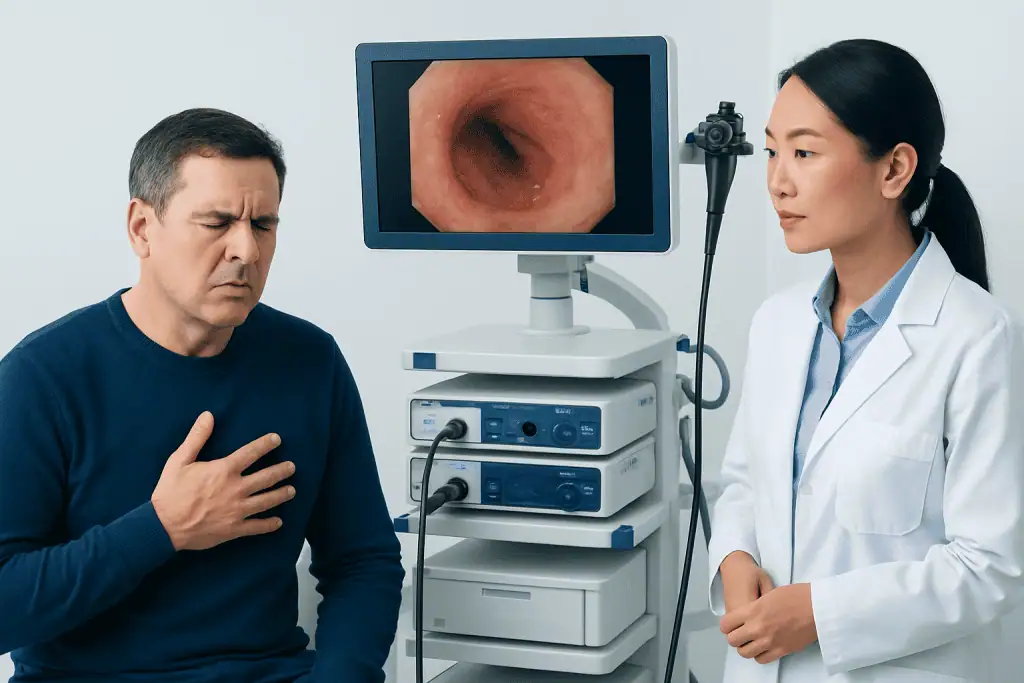
The most recognized symptom of GERD is heartburn, often described as a burning feeling behind the breastbone that may move upward toward the throat. It may occur after meals, when lying down, or during the night. Another typical symptom is regurgitation, which is the sensation of sour, bitter, or acidic fluid coming back into the mouth or throat.
GERD can also cause symptoms outside the chest and upper abdomen. Some people notice chronic cough, hoarseness, frequent throat clearing, a feeling of a lump in the throat, dental enamel irritation, or worsening asthma-like symptoms. These symptoms can have many causes, so a medical assessment is useful when they are persistent.
Symptoms that may be associated with GERD include:
- Burning chest discomfort after eating
- Sour or bitter taste in the mouth
- Burping, bloating, or nausea
- Symptoms that worsen when lying flat or bending over
- Interrupted sleep due to reflux or coughing
- Sore throat, hoarseness, or voice changes
Chest discomfort should not automatically be assumed to be reflux. If chest pain is severe, new, associated with shortness of breath, sweating, faintness, jaw or arm pain, or occurs with exertion, urgent medical evaluation is important to rule out heart-related causes.
Causes and Risk Factors

GERD usually develops because the normal anti-reflux barrier between the stomach and esophagus is not working effectively. The lower esophageal sphincter may relax at the wrong time, or pressure inside the stomach may push contents upward. A hiatal hernia, in which part of the stomach moves up through the diaphragm, can also contribute to reflux in some people.
Several factors can increase the likelihood of reflux symptoms. These include excess abdominal weight, pregnancy, large or late evening meals, smoking, and certain medications that may relax the lower esophageal sphincter or irritate the esophagus. People should not stop prescribed medicines on their own, but they should tell their doctor if reflux began after starting a new medication.
Food triggers vary from person to person. Commonly reported triggers include fatty meals, chocolate, peppermint, coffee, alcohol, carbonated drinks, spicy foods, citrus, and tomato-based foods. However, strict avoidance of all possible triggers is not necessary for everyone. A more practical approach is to identify which foods or habits reliably cause symptoms for the individual patient.
Diagnosis and Medical Evaluation
Many people with typical GERD symptoms can be evaluated through a careful medical history and physical examination. A doctor may ask about symptom frequency, timing, food patterns, sleep disruption, medication use, smoking, weight changes, and any warning signs. In some cases, a time-limited trial of acid-suppressing medication may support the diagnosis when symptoms improve.
Additional testing is considered when symptoms are severe, long-lasting, unusual, or not responding to standard care. Upper endoscopy allows a specialist to look directly at the esophagus, stomach, and first part of the small intestine. It can detect inflammation, narrowing, ulcers, Barrett’s esophagus, or other conditions that may resemble reflux.
Other tests may be used in selected patients. Ambulatory pH monitoring measures acid exposure in the esophagus over a period of time, sometimes while the patient follows normal daily activities. Esophageal manometry assesses muscle function and may be helpful before anti-reflux procedures or when swallowing problems are present.
Evaluation is especially important if there is difficulty swallowing, painful swallowing, unexplained weight loss, vomiting blood, black stools, anemia, repeated vomiting, or symptoms beginning later in life. These features do not always mean a serious disease is present, but they deserve prompt medical attention.
Treatment Options
GERD treatment is individualized. The goal is to relieve symptoms, heal esophageal irritation when present, prevent recurrence, and improve daily life. Many patients benefit from a stepwise approach that starts with lifestyle measures and adds medication when symptoms are frequent or troublesome.
Medicines commonly used for reflux include antacids, which can provide short-term relief; H2 receptor blockers, which reduce acid production for a longer period; and proton pump inhibitors (PPIs), which are often used for more persistent symptoms or esophagitis. These medicines should be used as directed by a doctor or pharmacist, especially if symptoms require frequent or long-term treatment.
For some patients, long-term acid suppression may be appropriate, while others may use medication for limited periods or only when symptoms flare. A clinician may periodically review the need for ongoing therapy, the lowest effective dose, and whether further testing is needed. Patients should discuss any concerns about side effects rather than stopping treatment abruptly.
Procedural or surgical options may be considered when GERD is confirmed and symptoms remain difficult to control, when medication is not tolerated, or when anatomical factors such as a significant hiatal hernia are involved. Anti-reflux surgery and selected endoscopic approaches aim to improve the barrier between the stomach and esophagus, but they require careful evaluation and shared decision-making.
Long-Term Care and Lifestyle Strategies
Long-term care for GERD focuses on reducing reflux episodes and protecting the esophagus. Small, consistent changes can make a meaningful difference. Patients are often advised to avoid lying down for two to three hours after eating, eat smaller meals, and reduce late-night snacking if night symptoms are common.
For people who have symptoms during sleep, raising the head of the bed may help more than using extra pillows, which can bend the body and increase abdominal pressure. Sleeping on the left side may also reduce reflux for some patients. Weight management can be helpful when excess abdominal weight contributes to symptoms, but advice should be realistic, respectful, and tailored to the person’s health status.
Helpful self-care habits may include:
- Keeping a symptom diary to identify personal triggers
- Choosing smaller portions and eating slowly
- Limiting foods or drinks that consistently worsen symptoms
- Avoiding tobacco and reducing alcohol if these trigger reflux
- Wearing clothing that does not tightly compress the abdomen
- Following medical advice for prescribed reflux medicines
GERD can fluctuate over time. Some people have long symptom-free periods, while others need ongoing treatment. Regular follow-up is useful when symptoms recur often, medication is needed most days, or there is a history of esophagitis, narrowing, Barrett’s esophagus, or other complications.
Possible Complications and Prevention
Most people with GERD do not develop serious complications, especially when symptoms are recognized and managed. However, ongoing reflux can sometimes cause esophagitis, which is inflammation of the esophageal lining. This may lead to discomfort, bleeding, or ulceration in more advanced cases.
Repeated inflammation can occasionally lead to scar tissue and narrowing of the esophagus, known as a stricture, which may cause food to feel stuck. A small proportion of patients develop Barrett’s esophagus, a change in the lining of the lower esophagus that requires medical monitoring because it is associated with an increased risk of esophageal cancer over time.
Prevention does not mean eliminating every enjoyable food or living with constant restrictions. It means understanding personal patterns, treating significant symptoms, and attending recommended follow-up. Patients with known Barrett’s esophagus or severe esophagitis should follow their gastroenterologist’s plan for surveillance and treatment.
When to See a Doctor
A doctor should be consulted when heartburn or regurgitation occurs more than occasionally, disrupts sleep, requires frequent over-the-counter medication, or does not improve with sensible lifestyle measures. Medical guidance is also important when reflux symptoms are accompanied by nausea, persistent cough, hoarseness, or throat symptoms that continue despite basic care.
Prompt medical attention is recommended for warning signs such as difficulty swallowing, painful swallowing, unexplained weight loss, vomiting blood, black or tarry stools, persistent vomiting, anemia, or severe chest pain. These symptoms can have many causes, and timely assessment helps ensure the right diagnosis and treatment.
International patients who need evaluation for persistent reflux can access gastroenterology services at Acibadem International, where multidisciplinary specialists and JCI-accredited hospitals diagnose and treat GERD and related esophageal conditions. As with any medical decision, the best plan should be based on an individual consultation, test results when needed, and the patient’s preferences.
Frequently asked questions
Is GERD the same as occasional acid reflux?
Occasional acid reflux can happen after a heavy meal or certain trigger foods. GERD is usually diagnosed when reflux symptoms are frequent, troublesome, or cause inflammation or other complications. A doctor can help distinguish simple occasional reflux from a condition that needs ongoing care.
Can GERD cause cough or throat symptoms?
Yes, GERD can sometimes contribute to chronic cough, hoarseness, throat clearing, or a sensation of a lump in the throat. These symptoms can also be caused by allergies, infections, asthma, voice strain, or other conditions. Persistent throat or cough symptoms should be assessed rather than assumed to be reflux.
What foods should someone with GERD avoid?
There is no single GERD diet that works for everyone. Some people are sensitive to fatty foods, coffee, chocolate, peppermint, alcohol, spicy foods, citrus, or tomato-based meals. Keeping a food and symptom diary can help identify personal triggers without creating unnecessary restrictions.
Are proton pump inhibitors safe for long-term use?
Proton pump inhibitors can be very effective and are commonly used for GERD, especially when esophagitis is present. Long-term use should be reviewed by a doctor to confirm the ongoing need and the most appropriate regimen. Patients should discuss benefits and risks with their clinician rather than stopping prescribed treatment on their own.
Can GERD be cured permanently?
Some people control GERD very well with lifestyle changes and short courses of medication, while others have a chronic pattern that needs ongoing management. Anti-reflux procedures may help selected patients, but they are not suitable for everyone. The best long-term approach depends on symptoms, test findings, anatomy, and personal preferences.
When is endoscopy needed for GERD?
Endoscopy may be recommended when symptoms are persistent, severe, unusual, or do not improve with treatment. It is also important when warning signs such as swallowing difficulty, bleeding, anemia, or unexplained weight loss are present. The decision is individualized based on the patient’s age, history, and clinical findings.
References
- American College of Gastroenterology
- National Institute of Diabetes and Digestive and Kidney Diseases
- Mayo Clinic
- World Gastroenterology Organisation
- European Society of Gastrointestinal Endoscopy
This article is for general information only and is not a substitute for professional medical advice. Please consult a qualified doctor about your individual situation.
Reflux Disease in Turkey — costs, top hospitals & a free quote
JCI-accredited · board-certified surgeons · reply within 24h
Add us as a Preferred Source to see more of our trusted health content across Google Search, AI Overviews and Discover.

Gastroenterology
Diagnosis and treatment of the digestive system and liver, with advanced endoscopy.
46 specialists in this unit