Heart Blocks — Explained by Medical Evidence, Not Myths

Heart blocks affect electrical signaling, not the heart muscle itself. There are first-degree, second-degree, and third-degree heart blocks, with different levels of severity.
Key Takeaways
- Heart blocks affect electrical signaling, not the heart muscle itself.
- There are first-degree, second-degree, and third-degree heart blocks, with different levels of severity.
- Symptoms may include fatigue, dizziness, fainting, shortness of breath, or a slow heartbeat.
- An electrocardiogram is the main test used to diagnose heart blocks.
- Treatment depends on the type, cause, and symptoms, and may range from observation to a pacemaker.
- Prompt medical care is important for fainting, chest pain, severe weakness, or breathing difficulty.
Heart blocks are problems in the heart’s electrical conduction system that slow or interrupt the signals coordinating each heartbeat. Some cause no symptoms and only need monitoring, while others can lead to dizziness, fainting, or a slow pulse and may require treatment such as a pacemaker.
Overview: what heart blocks really mean
Heart blocks are disorders of the heart’s electrical conduction system. In simple terms, the electrical signal that normally travels from the upper chambers of the heart to the lower chambers is slowed down or interrupted. This can make the heartbeat too slow, irregular, or less effective at pumping blood.
The term can sound alarming, but heart blocks are not all the same. Some are mild findings seen only on an electrocardiogram and may not cause symptoms at all. Others are more serious and can reduce blood flow to the brain and body, leading to dizziness, fainting, or marked fatigue.
Heart blocks are usually grouped into first-degree, second-degree, and third-degree types. The difference depends on how much of the electrical signal is delayed or blocked. Understanding the type is important because treatment and outlook can vary widely from simple follow-up to procedures such as pacemaker implantation.
How the heart’s electrical system works
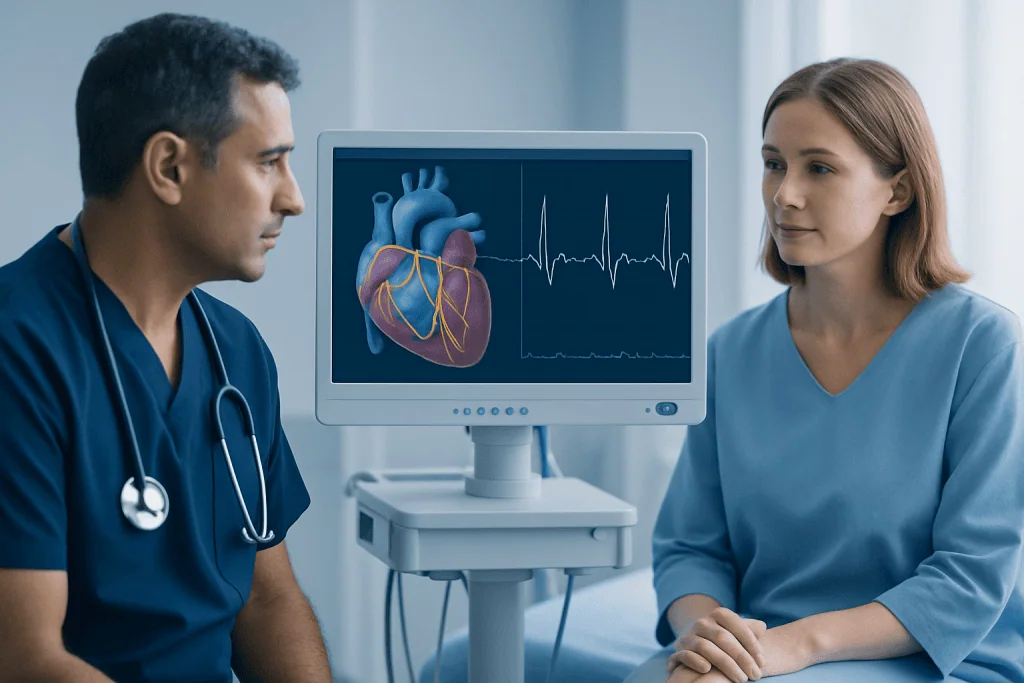
The heart beats because of tiny electrical impulses. These signals usually begin in the sinus node, a natural pacemaker in the right upper chamber. The impulse then spreads through the atria and reaches the atrioventricular, or AV, node, which acts like a gatekeeper before the signal passes to the ventricles.
In a healthy heart, this pathway keeps the chambers beating in a coordinated sequence. The atria contract first, then the ventricles follow. This timing helps the heart pump blood efficiently to the lungs and the rest of the body.
Heart blocks happen when conduction through the AV node or the pathways below it is delayed or interrupted. A first-degree block means signals get through but more slowly than usual. In second-degree block, some signals fail to reach the ventricles. In third-degree, or complete heart block, the connection between the upper and lower chambers is lost, so the ventricles must rely on a much slower backup rhythm.
Because symptoms depend on how much the heart rate and timing are affected, a person with a mild block may feel completely well while another person with a more advanced block may need urgent evaluation. This is why diagnosis is based on electrical tracing rather than symptoms alone.
Types, symptoms, and possible effects

First-degree heart block is the mildest form. The electrical signal is delayed but still reaches the ventricles every time. Many people have no symptoms, and it may be found incidentally during routine testing.
Second-degree heart block means some signals are conducted and some are not. There are different subtypes, and some are more concerning than others. People may notice lightheadedness, unusual tiredness, exercise intolerance, skipped beats, or occasional fainting.
Third-degree heart block is the most severe form. The upper and lower chambers beat independently because impulses no longer pass through normally. This can cause a very slow pulse, weakness, confusion, chest discomfort, shortness of breath, or loss of consciousness.
Possible symptoms of heart blocks include:
- Slow heartbeat or a feeling that the pulse is unusually low
- Dizziness or lightheadedness
- Fainting or near-fainting
- Fatigue and reduced stamina
- Shortness of breath, especially with activity
- Palpitations or an irregular heartbeat sensation
Symptoms do not always reflect the severity exactly, which is one reason medical evaluation matters. Some significant conduction problems are discovered before major symptoms appear, especially in people already being checked for arrhythmias.
Causes and risk factors
Heart blocks can be present from birth or develop later in life. In adults, one common reason is age-related change or scarring in the conduction system. The electrical pathways can gradually become less reliable over time, especially in older adults.
Other causes include heart attack, coronary artery disease, inflammation of the heart muscle, heart surgery, and diseases that affect the heart’s structure. Some people develop heart block in association with heart failure or other underlying cardiac disorders that change the way electrical impulses travel.
Certain medicines can also slow conduction. These may include some beta-blockers, calcium channel blockers, digoxin, or antiarrhythmic drugs. Electrolyte imbalances, thyroid disorders, infections affecting the heart, and rare infiltrative or autoimmune conditions can also play a role.
Risk factors may include:
- Older age
- Previous heart attack or heart surgery
- Structural heart disease
- Use of medications that slow the heart rate
- Congenital heart abnormalities
- Inflammatory, infectious, or metabolic conditions
Finding the cause is important because some blocks are temporary or reversible, while others are persistent and need long-term management.
How heart blocks are diagnosed
The main test for heart blocks is an electrocardiogram, also called an ECG or EKG. This records the heart’s electrical activity and shows whether signals are delayed, intermittently blocked, or completely blocked. The ECG pattern helps doctors classify the exact type of block.
If symptoms come and go, a standard ECG may miss the problem. In that situation, ambulatory rhythm monitoring may be recommended. This can include a Holter monitor worn for a day or two, or a longer event monitor that records intermittent symptoms over time.
Doctors also look for the reason behind the conduction problem. Blood tests may check electrolytes, thyroid function, or signs of heart injury and inflammation. An echocardiogram may be used to evaluate heart structure and pumping function, especially if there is concern about valve disease, cardiomyopathy, or related problems.
In selected cases, further assessment by a cardiologist or electrophysiologist is needed to clarify where the block is occurring and whether it is likely to progress. Careful diagnosis helps distinguish a harmless conduction delay from a rhythm disorder that could increase the risk of fainting or other complications.
Treatment options and long-term management
Treatment for heart blocks depends on the degree of block, the symptoms, and the underlying cause. A person with first-degree heart block and no symptoms may only need periodic follow-up. If a medication is contributing, the doctor may review whether it should be adjusted or changed.
When heart block is caused by a reversible issue such as electrolyte imbalance, infection, or medication effect, treating that cause may improve conduction. Temporary pacing may sometimes be needed in hospital if the rhythm is dangerously slow while the cause is being addressed.
For more advanced or symptomatic heart blocks, a permanent pacemaker is often the standard treatment. This small device helps maintain a safe heart rate and coordinated rhythm when the heart’s own conduction system cannot do so reliably. In some situations, a broader cardiology evaluation or electrophysiology assessment is recommended to guide management.
Long-term follow-up focuses on symptoms, device checks if a pacemaker is used, and treatment of any associated heart disease. Near the end of the care pathway, some international patients may choose centers such as Acibadem International, where multidisciplinary specialists in JCI-accredited hospitals diagnose and treat rhythm and conduction disorders using individualized plans.
Living with heart blocks: self-care and prevention
Not all heart blocks can be prevented, especially those related to aging or congenital conduction problems. Still, good heart health and regular medical review can reduce complications and help detect changes early. People with known heart disease benefit from ongoing follow-up and taking prescribed treatments as directed.
Useful self-care steps include keeping a list of medications, reporting new dizziness or fainting promptly, staying hydrated unless a doctor has advised fluid restriction, and attending recommended rhythm monitoring or pacemaker checks. It is also sensible to discuss over-the-counter medicines and supplements, since some can affect heart rate or interact with cardiac drugs.
General heart-healthy habits support the whole cardiovascular system:
- Do not smoke
- Manage blood pressure, cholesterol, and diabetes
- Stay physically active within medical advice
- Maintain a balanced diet
- Limit excess alcohol
- Keep scheduled cardiology follow-up visits
People with a pacemaker usually return to many normal activities after recovery, but they should follow the team’s guidance about wound care, activity restrictions soon after implantation, and device checks over time.
When to seek medical care
Medical attention is important if a person develops dizziness, unexplained fatigue, a very slow pulse, fainting, or shortness of breath. Even if symptoms pass quickly, they may suggest that the heart is not maintaining steady blood flow.
Urgent care is needed for chest pain, repeated fainting, severe weakness, confusion, or breathing difficulty. These symptoms can be linked to significant rhythm disturbance or another serious heart problem and should not be ignored.
A person already diagnosed with heart block should contact a clinician if symptoms worsen, if new palpitations appear, or if there are concerns about medications. For anyone with a pacemaker, swelling at the device site, fever, or sudden return of symptoms also deserves prompt review.
Frequently asked questions
Are heart blocks the same as a heart attack?
No. Heart blocks affect the electrical signals that control heartbeat, while a heart attack happens when blood flow to part of the heart muscle is reduced or blocked. A heart attack can sometimes cause a heart block, but the two conditions are not the same.
Can a person have heart blocks without symptoms?
Yes. Mild forms, especially first-degree heart block, may cause no symptoms at all and are sometimes found during routine ECG testing. Even so, a doctor may recommend follow-up to see whether the pattern stays stable over time.
Is third-degree heart block serious?
Yes, third-degree or complete heart block is generally considered a serious condition because the electrical connection between the upper and lower chambers is disrupted. It can cause a very slow heart rate, fainting, and reduced blood flow, and it often requires urgent medical assessment and a pacemaker.
Do all heart blocks need a pacemaker?
No. Some heart blocks only need observation, especially if they are mild and do not cause symptoms. A pacemaker is more commonly recommended for advanced or symptomatic blocks, particularly when the heart rate is too slow or the block is likely to persist.
Can medications cause heart blocks?
Yes. Some medicines that slow the heart rate or affect conduction can contribute to heart block in certain people. A doctor should review all prescription drugs, over-the-counter medicines, and supplements before any changes are made.
Can heart blocks be reversed?
Sometimes. If the problem is linked to a reversible cause such as medication effects, electrolyte imbalance, or a temporary illness, conduction may improve after treatment. In other cases, especially when the conduction system has permanent damage or age-related degeneration, ongoing monitoring or a pacemaker may be needed.
This article is for general information only and is not a substitute for professional medical advice. Please consult a qualified doctor about your individual situation.
Explore treatments in Turkey — costs, top hospitals & a free quote
JCI-accredited · board-certified surgeons · reply within 24h
Add us as a Preferred Source to see more of our trusted health content across Google Search, AI Overviews and Discover.
Check your numbers in seconds
BMI, calories, due date, blood pressure and 30+ more clinical calculators — free, instant, doctor-reviewed ranges.

More from the Health Library

Hypotonia: An Evidence-Based Guide for Patients

Cortisone Flare: What Patients Need to Know

Acne Versus Herpes: What Patients Need to Know

Port Wine Stain: What Patients Need to Know

How much benadryl can i take? The Numbers, Explained by Clinicians