Hepatologist vs Gastroenterologist: Which Specialist Do You Need?

A gastroenterologist treats disorders of the digestive tract, including the esophagus, stomach, intestines, pancreas, gallbladder, and often the liver. A hepatologist focuses more specifically on the liver, bile ducts, gallbladder, and pancreas, especially complex liver disease.
Key Takeaways
- A gastroenterologist treats disorders of the digestive tract, including the esophagus, stomach, intestines, pancreas, gallbladder, and often the liver.
- A hepatologist focuses more specifically on the liver, bile ducts, gallbladder, and pancreas, especially complex liver disease.
- Many liver problems can first be evaluated by a gastroenterologist, but advanced or complicated cases may be referred to a hepatologist.
- Symptoms such as jaundice, abnormal liver tests, hepatitis, cirrhosis, or unexplained liver scarring often point toward hepatology care.
- Symptoms like reflux, abdominal pain, diarrhea, constipation, swallowing problems, or inflammatory bowel disease usually begin with gastroenterology.
A hepatologist and a gastroenterologist both care for digestive health, but they do not focus on exactly the same organs and conditions. Understanding the difference can help patients choose the right specialist sooner and feel more confident about the next step in care.
Overview: How These Specialists Differ
The question of hepatologist vs gastroenterologist is common because both specialists work in closely related areas of medicine. A gastroenterologist diagnoses and treats diseases of the digestive system as a whole. This includes the esophagus, stomach, small intestine, colon, rectum, pancreas, gallbladder, bile ducts, and often the liver.
A hepatologist is a doctor with advanced focus on diseases of the liver and the hepatobiliary system. In practice, this means conditions affecting the liver, bile ducts, gallbladder, and sometimes the pancreas. Hepatology is often considered a subspecialty closely linked to gastroenterology, so these doctors frequently work together.
For many patients, the first specialist they see is a gastroenterologist. If tests show that symptoms are mainly related to the liver, or if the liver condition is severe or complex, a referral to a hepatologist may follow. This team approach helps make sure patients receive the most appropriate evaluation and treatment.
What a Gastroenterologist Treats
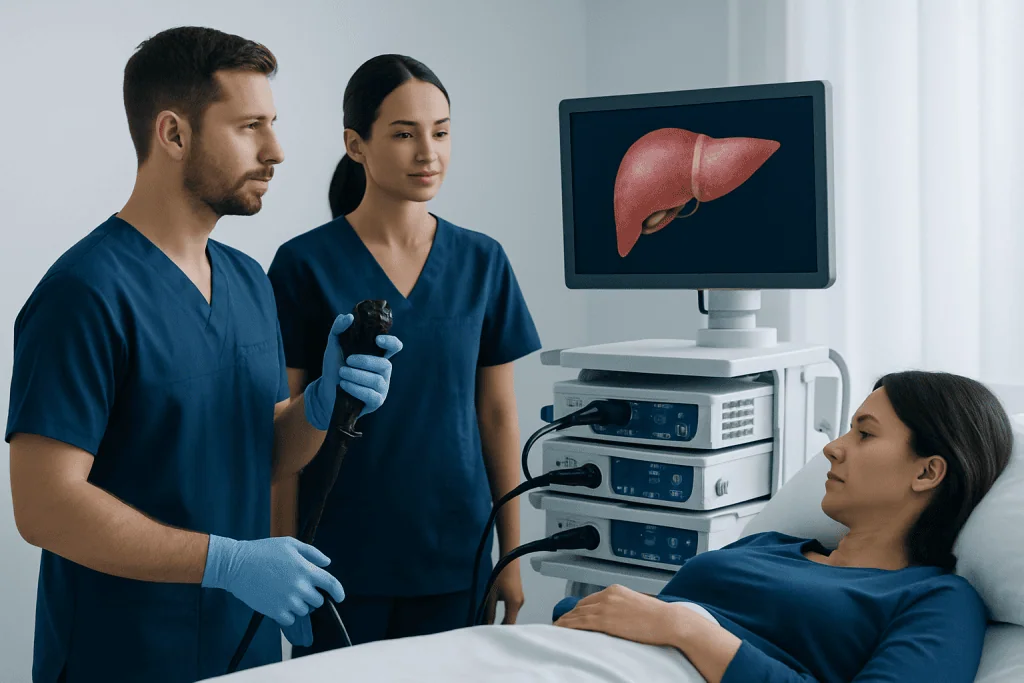
A gastroenterologist cares for a wide range of common and complex digestive conditions. These include acid reflux, ulcers, swallowing problems, abdominal pain, bloating, chronic diarrhea, constipation, gastrointestinal bleeding, inflammatory bowel disease, and pancreatic disorders. They also perform procedures such as endoscopy and colonoscopy to investigate symptoms and screen for disease.
Many people visit a gastroenterologist for symptoms that are not clearly linked to one organ. For example, heartburn, nausea, changes in bowel habits, unexplained weight loss, or ongoing abdominal discomfort often fall within gastroenterology. Conditions such as irritable bowel syndrome, celiac disease, diverticular disease, and reflux are also commonly managed in this specialty.
Gastroenterologists may also evaluate the liver in its earlier stages, especially when routine blood tests show mild liver enzyme changes or imaging suggests fat buildup. They often guide the first steps of care for fatty liver disease, gallbladder-related symptoms, and pancreatic inflammation. If liver disease becomes more advanced, they may involve a hepatologist for additional expertise.
- Reflux and swallowing disorders
- Stomach and intestinal conditions
- Inflammatory bowel disease
- Digestive bleeding
- Pancreatic and gallbladder problems
- Initial evaluation of some liver abnormalities
What a Hepatologist Treats

A hepatologist focuses more narrowly on liver-related illness. This includes viral hepatitis, fatty liver disease, autoimmune liver disorders, alcohol-related liver injury, cirrhosis, liver fibrosis, bile duct disorders, and complications of portal hypertension. Patients with persistent abnormal liver blood tests may also be referred for a more detailed hepatology assessment.
Common reasons to see a hepatologist include jaundice, chronic hepatitis, liver scarring, fluid buildup in the abdomen, enlarged veins in the digestive tract, or concern about liver failure. A hepatologist may be especially important when there is advanced liver disease, uncertainty about the diagnosis, or the need for long-term monitoring.
Examples of conditions often managed with hepatology input include hepatitis care, cirrhosis treatment, autoimmune hepatitis management, and evaluation for complications such as esophageal varices. They may also care for patients with conditions such as hepatitis C or primary sclerosing cholangitis, particularly when monitoring needs are complex.
Which Symptoms Point to Each Specialist?
Symptoms can offer useful clues, although they do not always clearly separate one specialty from the other. In general, symptoms centered on digestion, bowel habits, swallowing, or stomach discomfort usually suggest gastroenterology. Symptoms that suggest liver dysfunction more often point toward hepatology.
Patients may consider starting with a gastroenterologist for heartburn, trouble swallowing, persistent bloating, frequent diarrhea, chronic constipation, blood in the stool, recurrent abdominal pain, nausea, vomiting, or unexplained indigestion. A gastroenterologist is also a common starting point when there is concern for conditions such as inflammatory bowel disease, celiac disease, or functional digestive disorders.
Symptoms that may support a hepatology referral include yellowing of the skin or eyes, dark urine, pale stools, itching, unusual fatigue, abdominal swelling, easy bruising, confusion related to liver disease, or persistently abnormal liver tests. However, because some liver conditions cause no symptoms in the early stages, referral decisions are often based on blood test and imaging results rather than symptoms alone.
- More often gastroenterology: reflux, bowel changes, abdominal pain, nausea, swallowing problems
- More often hepatology: jaundice, abnormal liver tests, hepatitis, cirrhosis, fluid retention
- Overlap is common, and one specialist may refer to the other when needed
How Diagnosis and Referral Usually Work
The diagnostic process often begins with a primary care doctor, internal medicine specialist, or gastroenterologist. Initial evaluation may include a medical history, physical examination, blood tests, stool tests, ultrasound, CT, MRI, or endoscopic procedures. These tests help identify whether symptoms are coming mainly from the intestines, stomach, pancreas, gallbladder, bile ducts, or liver.
If liver involvement is suspected, further workup may include specialized liver blood tests, viral hepatitis screening, autoimmune markers, iron studies, elastography to assess stiffness or scarring, and sometimes liver biopsy. A hepatologist is particularly helpful when results suggest ongoing inflammation, fibrosis, cirrhosis, or a less common liver disorder.
Referral is not a sign that a condition is necessarily severe. It usually means a more focused opinion would be useful. In many hospitals, gastroenterologists and hepatologists collaborate closely, sometimes sharing care over time. This can be reassuring for patients, especially when symptoms overlap or more than one digestive organ is involved.
Treatment and Long-Term Care
Treatment depends on the condition rather than the title of the doctor alone. Gastroenterologists may prescribe medicines, recommend dietary changes, arrange endoscopic procedures, and monitor chronic digestive diseases. They often manage reflux, ulcers, inflammatory bowel disease, celiac disease, and pancreatic or bowel-related concerns over the long term.
Hepatologists manage liver-focused treatment plans that may include antiviral therapy, monitoring for scarring, managing complications of cirrhosis, evaluating bile duct disease, advising on alcohol avoidance, and following patients with chronic liver disorders. Lifestyle guidance is often an important part of care, particularly for metabolic or fatty liver disease.
For some patients, treatment involves both specialties. A person may see a gastroenterologist for digestive symptoms and a hepatologist for liver complications at the same time. In experienced centers, this coordinated approach can help organize testing, medications, nutrition advice, and follow-up more smoothly. Near the end of the care pathway, some patients may benefit from multidisciplinary services; Acibadem International’s specialists in JCI-accredited hospitals diagnose and treat digestive and liver conditions for international patients.
When to See a Doctor and How to Choose
Patients should seek medical advice if digestive symptoms are persistent, worsening, or affecting everyday life. Ongoing abdominal pain, repeated vomiting, unexplained weight loss, black stools, trouble swallowing, chronic diarrhea, or significant fatigue deserve professional assessment. Early evaluation often makes diagnosis more straightforward and can help prevent complications.
More urgent medical attention is important for jaundice, vomiting blood, severe abdominal swelling, confusion, fainting, or signs of significant gastrointestinal bleeding. These symptoms need prompt evaluation, whether by a gastroenterologist, hepatologist, or emergency team. The first priority is safe and timely care.
When choosing between specialists, patients do not always need to decide alone. A primary care doctor can guide the referral based on symptoms and test results. If the main concern is broad digestive health, a gastroenterologist is often the best first step. If the concern is clearly liver-related or the person already has chronic liver disease, a hepatologist may be the more direct choice.
Frequently asked questions
Is a hepatologist different from a gastroenterologist?
Yes. A gastroenterologist treats the digestive system broadly, while a hepatologist focuses more specifically on the liver, bile ducts, gallbladder, and related disorders. The two specialties overlap, and they often work together.
Should a person see a gastroenterologist first for liver problems?
Often, yes, especially if the problem is not yet clearly defined. A gastroenterologist can perform the initial evaluation and refer to a hepatologist if the liver disease appears advanced, complex, or in need of specialized follow-up.
What conditions usually require a hepatologist?
Examples include hepatitis, cirrhosis, persistent abnormal liver tests, autoimmune liver disease, bile duct disorders, and complications related to portal hypertension. A hepatologist is also helpful when liver scarring or liver failure is suspected.
What symptoms usually lead to a gastroenterologist?
Common reasons include reflux, bloating, chronic abdominal pain, constipation, diarrhea, trouble swallowing, nausea, and blood in the stool. These symptoms are usually evaluated within gastroenterology first.
Can a gastroenterologist treat fatty liver disease?
Yes, many gastroenterologists evaluate and manage fatty liver disease, especially in earlier or less complicated stages. If there is significant scarring, uncertainty, or advanced disease, hepatology input may be recommended.
Do patients need a referral to see the right specialist?
This depends on the healthcare system and insurance plan. Even when a referral is not required, guidance from a primary care doctor can be useful in choosing the most appropriate specialist.
References
- National Institute of Diabetes and Digestive and Kidney Diseases
- American College of Gastroenterology
- American Association for the Study of Liver Diseases
- British Society of Gastroenterology
- World Health Organization
This article is for general information only and is not a substitute for professional medical advice. Please consult a qualified doctor about your individual situation.
Persistent digestive symptoms? Get evaluated in Turkey
JCI-accredited · board-certified surgeons · reply within 24h
Add us as a Preferred Source to see more of our trusted health content across Google Search, AI Overviews and Discover.

Gastroenterology
Diagnosis and treatment of the digestive system and liver, with advanced endoscopy.
46 specialists in this unit