High BMI and IVF: Safety, Stimulation, and Success Considerations

BMI is one health measure, not a complete picture of fertility or pregnancy readiness. Higher BMI may change medication dosing, monitoring, egg retrieval logistics, and anesthesia planning during IVF.
Key Takeaways
- BMI is one health measure, not a complete picture of fertility or pregnancy readiness.
- Higher BMI may change medication dosing, monitoring, egg retrieval logistics, and anesthesia planning during IVF.
- IVF success can be affected by age, ovarian reserve, sperm factors, embryo quality, uterine health, and metabolic health as well as BMI.
- Even modest health improvements before treatment may support safer stimulation and pregnancy, but delaying IVF is not always the best choice.
- Clinics may have BMI thresholds for safety reasons, especially related to anesthesia, equipment, and pregnancy risk.
- A compassionate, multidisciplinary plan is recommended for patients with high BMI who are considering IVF.
High BMI does not automatically prevent a person from having IVF, but it can influence ovarian stimulation, procedure planning, pregnancy safety, and treatment success. A careful, individualized approach helps fertility teams balance time, age, health optimization, and the best available treatment options.
Overview: What High BMI Means in IVF
Body mass index, or BMI, is a screening tool that compares weight with height. In fertility care, it can help clinicians identify people who may have a higher chance of metabolic, hormonal, anesthesia-related, or pregnancy-related risks. However, BMI is not a diagnosis by itself. It does not measure muscle mass, body composition, nutrition, fitness, emotional health, or the full range of factors that affect fertility.
High BMI and IVF is a common and important topic because many patients seeking fertility treatment also live with overweight or obesity. Some people have regular ovulation and no major medical problems, while others may have insulin resistance, polycystic ovary syndrome, thyroid disease, sleep apnea, high blood pressure, or diabetes. These differences matter, so treatment decisions should not be based on BMI alone.
During IVF treatment, eggs are stimulated to mature in the ovaries, collected during a minor procedure, fertilized in the laboratory, and later transferred as embryos when appropriate. A higher BMI can influence several steps of this process, including medication response, ultrasound visibility, egg retrieval access, anesthesia planning, embryo transfer technique, and pregnancy monitoring. With careful preparation, many patients with high BMI can proceed safely, although the plan may require extra assessment and coordination.
How BMI May Affect Fertility and IVF Success
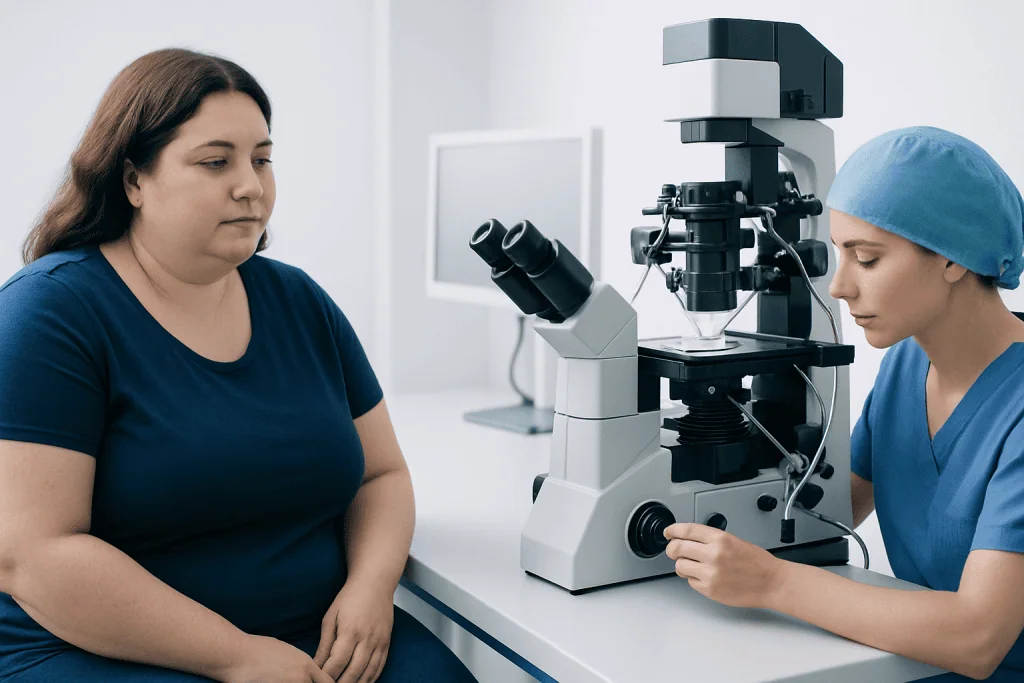
Fertility is influenced by many factors, including age, egg supply, egg and sperm quality, ovulation, tubal health, uterine conditions, embryo genetics, lifestyle, and general medical health. BMI is one part of this picture. A higher BMI may be associated with changes in insulin levels, inflammation, hormone balance, and ovulation patterns, all of which can affect the chance of conception and miscarriage risk in some patients.
In IVF, high BMI may be linked with a need for higher medication doses, a longer stimulation period, or fewer eggs retrieved in some cases. It may also be associated with lower implantation and live birth rates in certain studies, although results vary and individual outcomes differ widely. Age often remains one of the strongest predictors of IVF success, so any recommendation to lose weight before treatment should be balanced against the potential effect of time, especially for patients in their late 30s or 40s or those with low ovarian reserve.
Some patients with high BMI also have conditions such as polycystic ovary syndrome, which can cause irregular ovulation and insulin resistance. PCOS patients may respond strongly to fertility medications, while others may need more tailored dosing. A fertility specialist can evaluate the underlying cause of infertility and help decide whether proceeding directly to IVF, optimizing health first, or considering another treatment pathway is most appropriate.
Safety Considerations Before Starting IVF

Before IVF begins, the fertility team usually reviews medical history, current medications, previous pregnancies, menstrual pattern, blood pressure, blood sugar status, thyroid function, and any history of blood clots, sleep apnea, or heart and lung disease. This assessment helps identify risks that can be reduced before ovarian stimulation or pregnancy. The aim is not to create barriers, but to make treatment as safe and effective as possible.
Clinics may have BMI limits for procedures that require sedation or anesthesia. These limits are often related to patient safety, operating room resources, airway management, ultrasound access, and emergency preparedness. When a clinic recommends treatment in a hospital-based setting rather than a smaller office procedure room, this may reflect the need for additional anesthesia support or monitoring rather than a judgment about the patient.
Key safety topics that may be discussed include:
- Blood pressure control and cardiovascular risk assessment.
- Screening for diabetes, prediabetes, or insulin resistance.
- Evaluation of sleep apnea symptoms, such as loud snoring or daytime sleepiness.
- Medication review, including weight-loss drugs, supplements, and chronic prescriptions.
- Planning for egg retrieval anesthesia and pregnancy monitoring if treatment is successful.
Patients should tell their care team about all medicines and supplements they use. Some medications used for weight management or metabolic conditions may need to be stopped before attempting pregnancy, while others may be continued or changed under medical guidance. Decisions should always be individualized by a qualified clinician.
Ovarian Stimulation, Monitoring, and Egg Retrieval
Ovarian stimulation involves hormone injections that encourage several eggs to mature during one cycle. In patients with high BMI, fertility specialists may adjust the starting dose based on age, ovarian reserve tests, previous response to stimulation, PCOS history, and overall safety. Medication needs can differ from person to person; some patients need higher doses, while others, especially those with PCOS, may be sensitive and require careful dosing to reduce the risk of excessive response.
Monitoring usually includes vaginal ultrasound scans and blood tests. With higher BMI, ultrasound images may sometimes be technically more challenging, particularly if the ovaries sit higher in the pelvis. Experienced teams can often adapt scanning technique, use additional monitoring information, or modify scheduling to follow follicle growth accurately. Clear communication is important because additional visits or longer scan times may occasionally be needed.
Egg retrieval is a brief procedure in which a needle is guided through the vaginal wall into the ovaries under ultrasound guidance. High BMI can sometimes make access to the ovaries more difficult, and anesthesia planning may require extra attention. A pre-anesthesia review may be recommended to assess airway safety, reflux risk, sleep apnea, and positioning. In some cases, a hospital environment offers the safest setting for retrieval.
After retrieval, eggs may be fertilized with standard insemination or, when sperm quality or previous fertilization is a concern, intracytoplasmic sperm injection. The choice of fertilization method depends on the couple’s or individual’s diagnosis, not BMI alone. The laboratory phase is then followed by embryo development monitoring, possible embryo freezing, and planning for transfer when the uterus and general health are ready.
Embryo Transfer, Pregnancy Risks, and Ongoing Care
Embryo transfer is usually a short procedure that places an embryo into the uterus through a thin catheter. BMI can occasionally make the procedure technically more challenging if cervical access is difficult or imaging is limited, but many transfers are straightforward. A trial transfer, full bladder guidance, or ultrasound support may be used to improve precision. The fertility team may also recommend a frozen embryo transfer if it allows better timing, hormonal preparation, or medical optimization.
If pregnancy occurs, high BMI is associated with a higher likelihood of certain pregnancy complications, including gestational diabetes, high blood pressure disorders, cesarean birth, blood clots, and challenges with ultrasound imaging. These risks are not certainties, and many people with high BMI have healthy pregnancies. The practical goal is early planning: screening, nutrition support, appropriate activity, blood pressure monitoring, and coordinated obstetric care.
Patients with known diabetes, kidney disease, hypertension, or previous pregnancy complications may benefit from preconception counseling with maternal-fetal medicine or other specialists. Fertility teams may also coordinate with endocrinologists, dietitians, cardiologists, anesthesiologists, or primary care doctors. This multidisciplinary approach helps address health factors before embryo transfer and continues into pregnancy when needed.
Weight, Lifestyle, and Treatment Timing
Many patients ask whether they must lose weight before IVF. The answer depends on BMI, age, ovarian reserve, medical conditions, clinic safety policies, and personal circumstances. For some, a period of health optimization before IVF may improve blood pressure, glucose control, stamina, and pregnancy readiness. For others, especially when age or ovarian reserve is a concern, delaying treatment for major weight loss may reduce the chance of success. A balanced discussion with a fertility specialist is essential.
Even modest lifestyle changes can support fertility treatment and pregnancy health, whether or not they lead to large weight loss. Helpful steps may include regular moderate physical activity, balanced meals with adequate protein and fiber, limiting alcohol, stopping smoking or vaping, improving sleep, and managing stress. Patients should avoid extreme diets, unregulated supplements, or intense exercise plans that are difficult to sustain or unsafe during fertility treatment.
Some people consider medical weight management or bariatric surgery before pregnancy. These approaches can be appropriate for selected patients, but they require specialist supervision and careful timing. Pregnancy is usually postponed for a period after bariatric surgery so weight and nutrition can stabilize. Weight-loss medications may not be suitable when actively trying to conceive and should be reviewed before IVF begins.
Emotional wellbeing also matters. Discussions about weight in fertility care can feel sensitive, especially for patients who have experienced stigma. A respectful clinic should explain safety considerations clearly, offer practical options, and avoid blame. The focus should be on improving health, reducing risk, and supporting the patient’s fertility goals.
When to See a Fertility Specialist
People with high BMI should consider seeing a fertility specialist if they have been trying to conceive without success, have irregular periods, are over 35, have known PCOS or endometriosis, have a history of miscarriage, or have a partner with possible sperm concerns. Earlier assessment is also reasonable when there are known medical conditions such as diabetes, hypertension, thyroid disease, or previous pregnancy complications.
A specialist evaluation for female infertility may include ovarian reserve testing, ultrasound, hormone tests, assessment of ovulation, uterine evaluation, and partner semen analysis when applicable. The goal is to identify which factors are most important and to avoid assumptions based only on body size. Sometimes simpler treatments such as ovulation induction or insemination may be appropriate; in other cases, IVF offers the best chance of pregnancy.
Patients may wish to ask the clinic about BMI-related policies, anesthesia arrangements, medication dosing, embryo transfer planning, and support for nutrition or metabolic health. They can also ask whether retrievals are performed in a hospital setting if needed. Acibadem International’s multidisciplinary specialists and JCI-accredited hospitals diagnose and treat infertility for international patients, including those who need coordinated fertility, anesthesia, and medical care.
Frequently asked questions
Can a person with high BMI have IVF?
Yes, many people with high BMI can have IVF, but they may need additional assessment before treatment. The fertility team will consider overall health, anesthesia safety, ovarian reserve, age, and pregnancy risks rather than BMI alone.
Does high BMI lower IVF success rates?
High BMI may be associated with lower IVF success in some studies, but outcomes vary widely. Age, egg quality, sperm quality, embryo health, uterine factors, and medical conditions can be just as important or more important for an individual patient.
Will IVF medications need to be different with high BMI?
Medication dosing may be adjusted based on BMI, ovarian reserve, PCOS status, and previous response to fertility drugs. Some patients may need higher doses, while others may need cautious dosing to avoid an excessive ovarian response.
Do all IVF clinics have BMI limits?
No, policies vary between clinics and countries. BMI limits are usually related to anesthesia safety, equipment, procedure setting, and pregnancy risk management, not to whether a person deserves treatment.
Should weight loss happen before IVF?
Sometimes health optimization or weight loss before IVF is helpful, especially if blood pressure, diabetes risk, or anesthesia safety can be improved. However, delaying treatment is not always best, particularly when age or low ovarian reserve may reduce fertility over time.
Is pregnancy after IVF riskier with high BMI?
High BMI can increase the likelihood of certain pregnancy complications, such as gestational diabetes and high blood pressure disorders. With preconception planning and appropriate obstetric care, many risks can be monitored and managed effectively.
References
- American Society for Reproductive Medicine
- European Society of Human Reproduction and Embryology
- American College of Obstetricians and Gynecologists
- National Institute for Health and Care Excellence
- Centers for Disease Control and Prevention
This article is for general information only and is not a substitute for professional medical advice. Please consult a qualified doctor about your individual situation.
Medical weight-loss options in Turkey — costs & eligibility
JCI-accredited · board-certified surgeons · reply within 24h
Add us as a Preferred Source to see more of our trusted health content across Google Search, AI Overviews and Discover.
Check your numbers in seconds
BMI, calories, due date, blood pressure and 30+ more clinical calculators — free, instant, doctor-reviewed ranges.

Related Treatments
Related Conditions
More from the Health Library



Related Specialists

Prof. Dr. Bülent Tıraş
Gynecology & Obstetrics
Prof. Dr. Mete Güngör
Gynecology & Obstetrics
Prof. Dr. Faruk Suat Dede
Gynecology & Obstetrics
Prof. Dr. Tansu Küçük
Gynecology & Obstetrics